


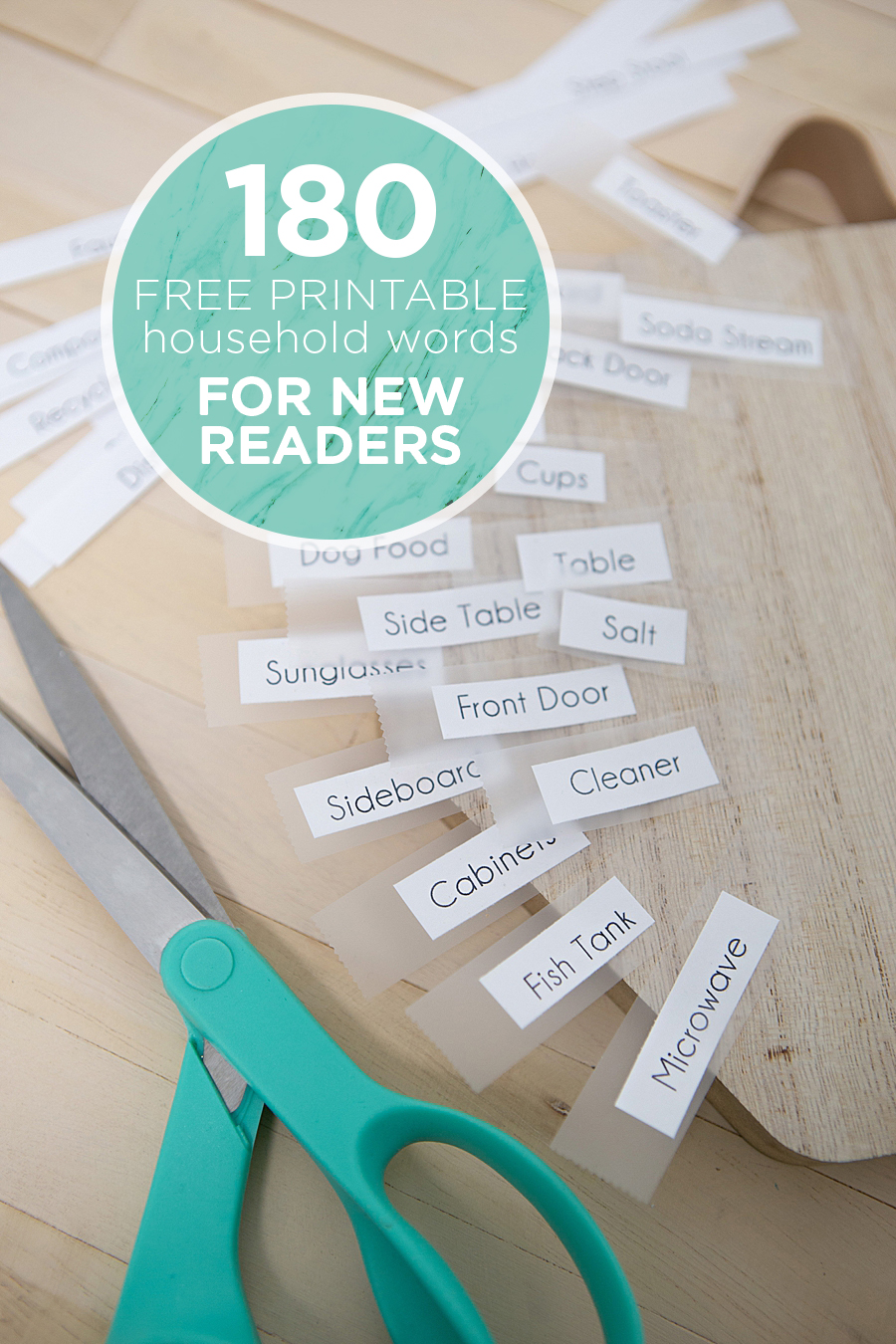
The implementation of comprehensive environmental labeling within the home has emerged as a significant supplemental strategy for accelerating literacy among early-stage readers. This pedagogical approach, recently highlighted by educational content creator Jen Causey-Kidder of the digital platform Something Turquoise, involves the systematic placement of printed labels on common household objects to bridge the cognitive gap between verbal recognition and visual literacy. By utilizing a curated list of 180 household words and a specialized typographic selection, the initiative seeks to transform the domestic sphere into an immersive linguistic environment.
The Mechanics of Environmental Labeling
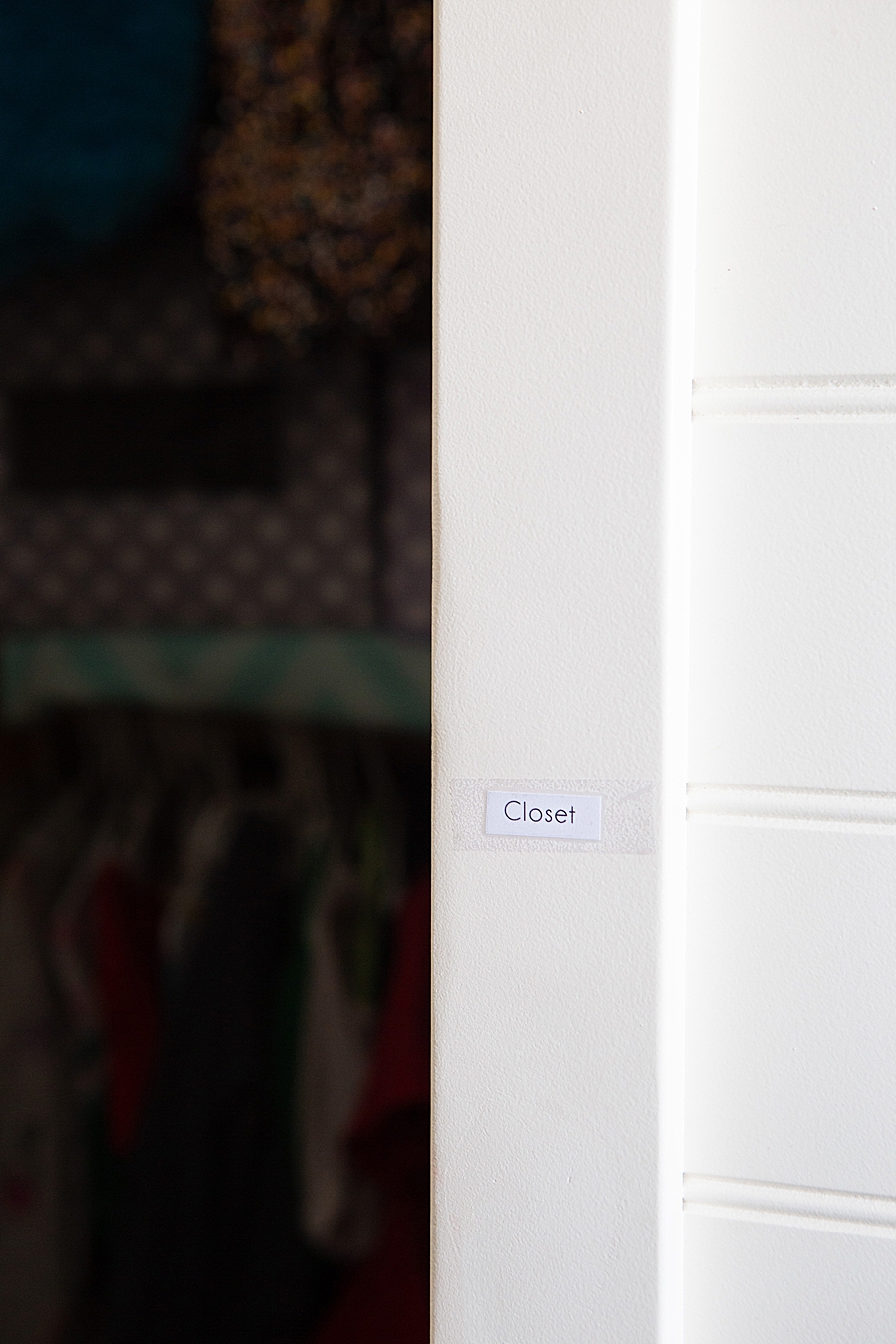
The core of this literacy initiative lies in the conversion of familiar surroundings into a "print-rich environment." Educators have long maintained that children develop reading skills more effectively when they are surrounded by meaningful text. In this specific methodology, the parent or educator identifies nearly 200 items within the residence—ranging from standard furniture like "table" and "chair" to more specific architectural features and personal items—and applies physical text labels to them.
The selection of typography serves as a critical component of the project’s success. According to Causey-Kidder, the choice of font is not merely an aesthetic consideration but a functional requirement. The project utilizes "Champagne & Limousines," a sans-serif font characterized by its geometric simplicity. Literacy experts note that "fancy" or complex letterforms, such as the double-story "a" or the looped "g," can create cognitive dissonance for children who are accustomed to the simplified letterforms taught in introductory handwriting programs. By selecting a font that mirrors the basic shapes of the alphabet, the project reduces the barrier to entry for "littles"—a demographic of readers typically between the ages of four and seven.
Chronology of Implementation
The transition of a standard household into a labeled learning center is documented as a multi-day process, emphasizing the importance of child participation in the physical setup.
- Phase One: Lexicon Curation and Design: The initial stage involves identifying the high-frequency words relevant to the specific household. While a baseline of 180 words was established for the public release of the project, individual customization is required to account for unique household items.
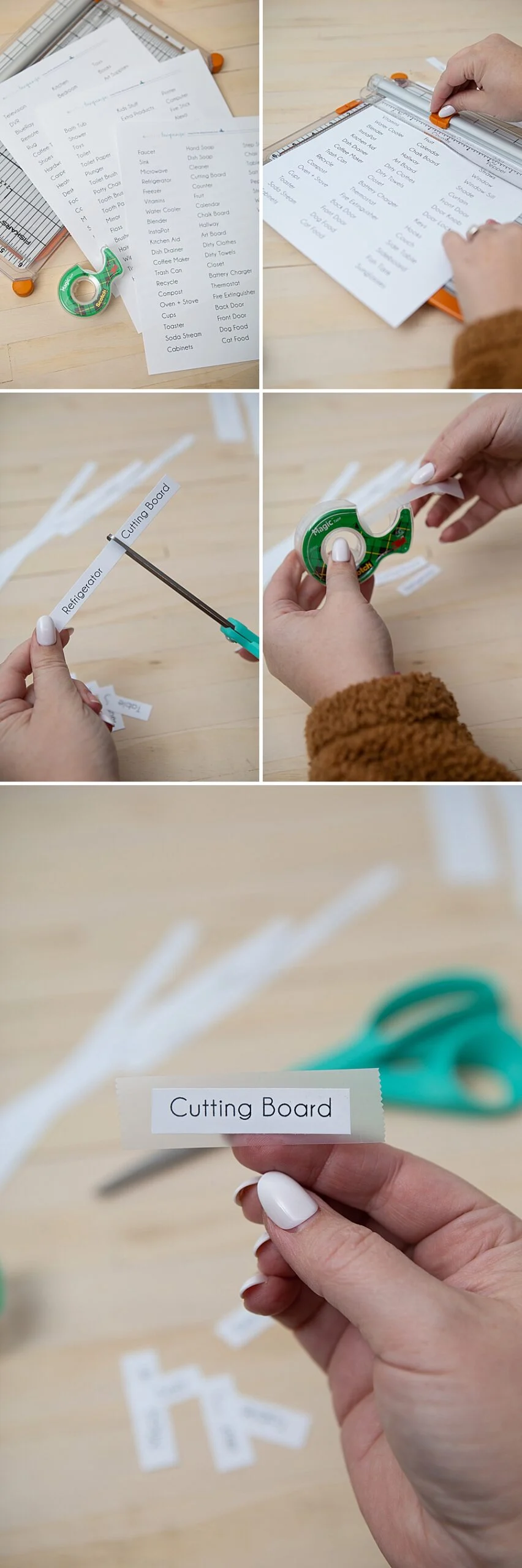
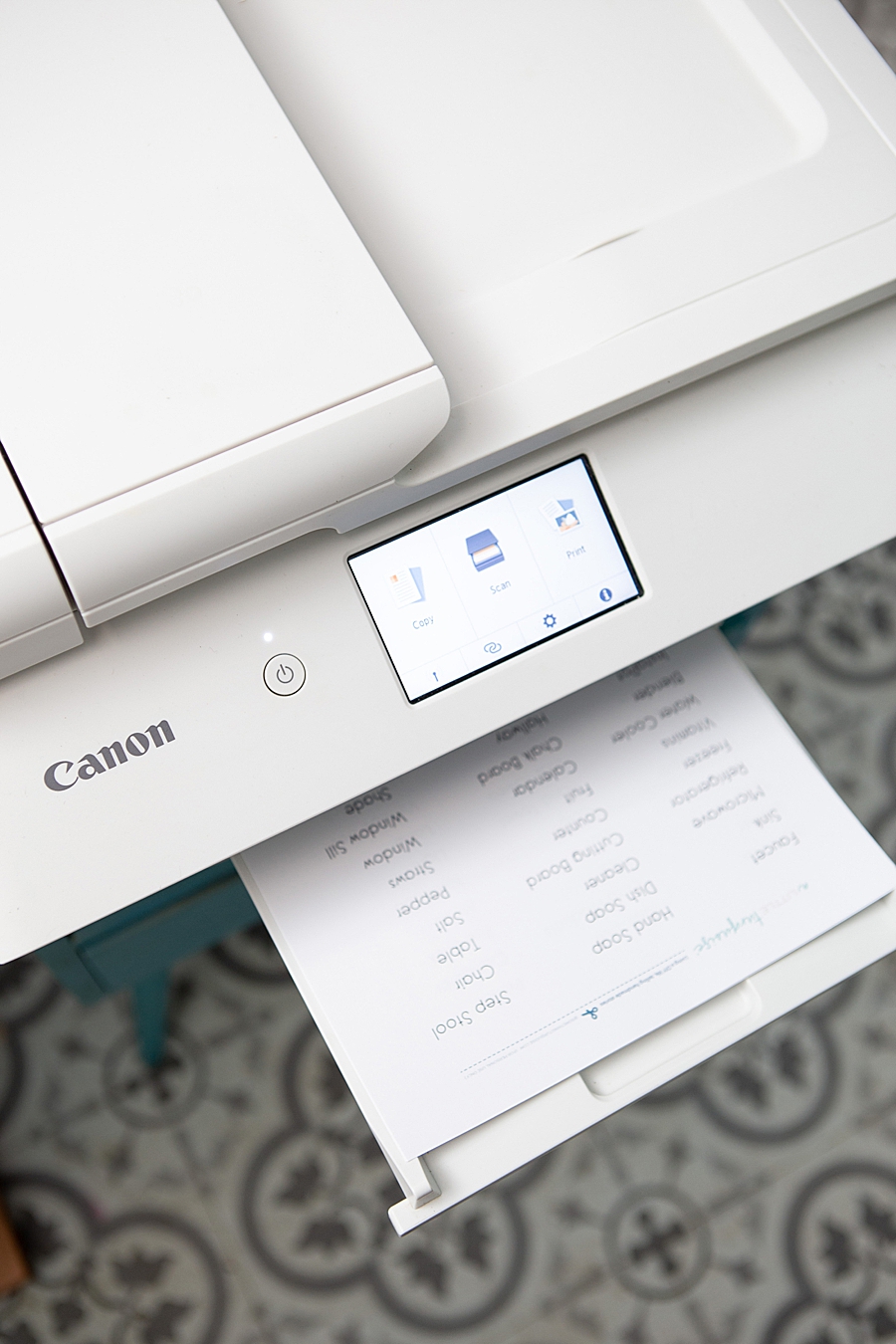
- Phase Two: Production: Utilizing standard consumer-grade technology, such as the Canon TS9521C Crafting Printer, the labels are printed on standard 8.5" x 11" paper. This accessibility ensures that the method can be replicated without specialized industrial equipment.
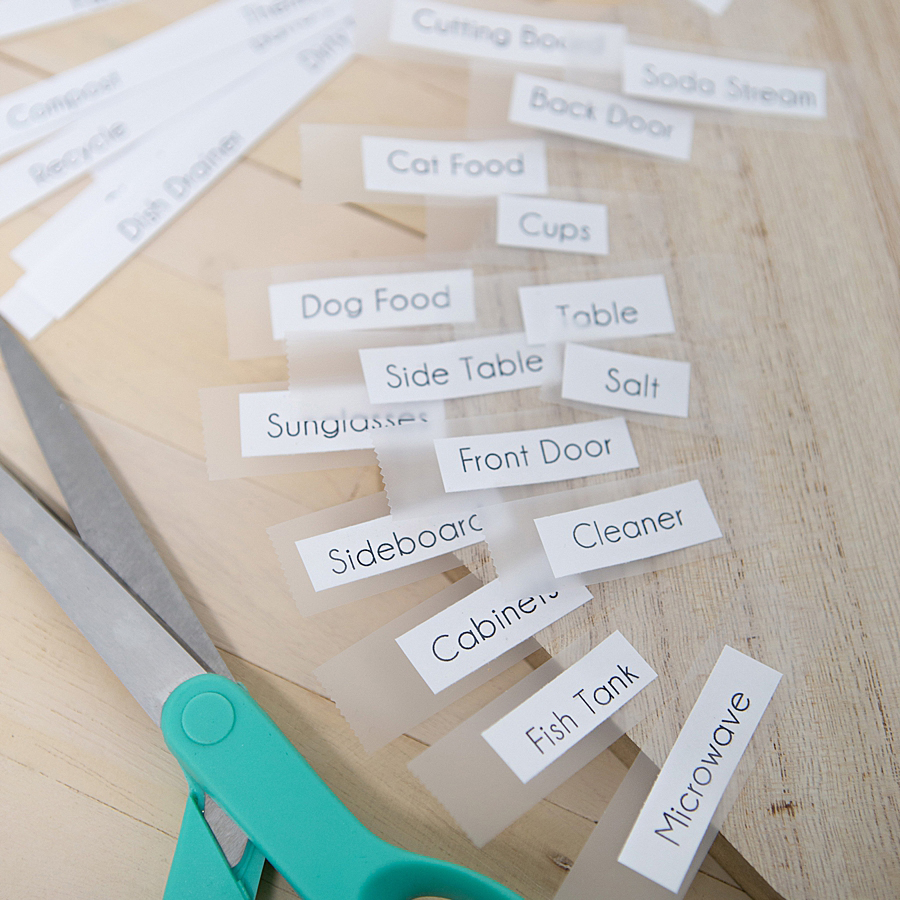
- Phase Three: Preparation: The labels are manually trimmed. This stage is often the most labor-intensive, requiring the physical separation of nearly 200 distinct text blocks.
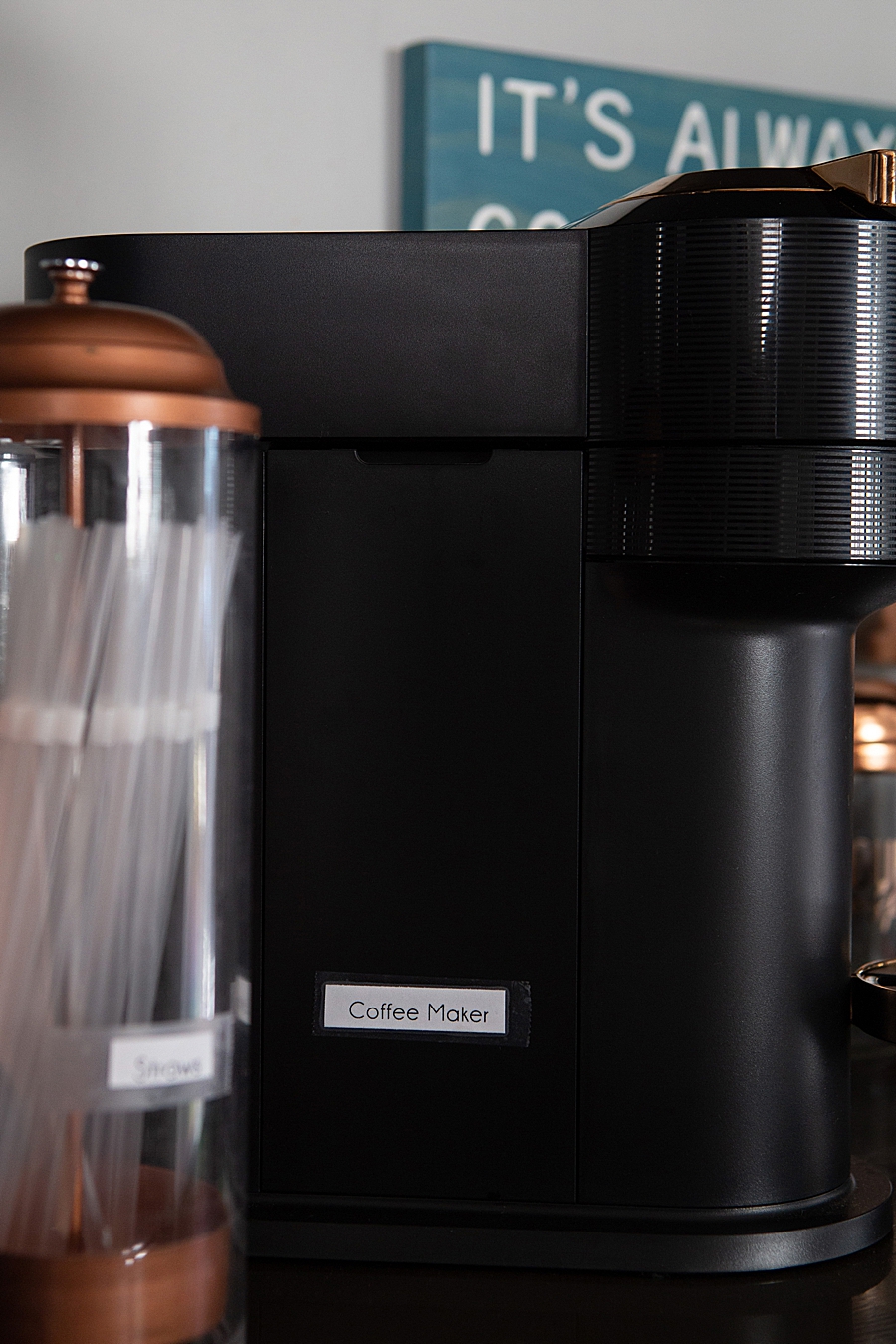
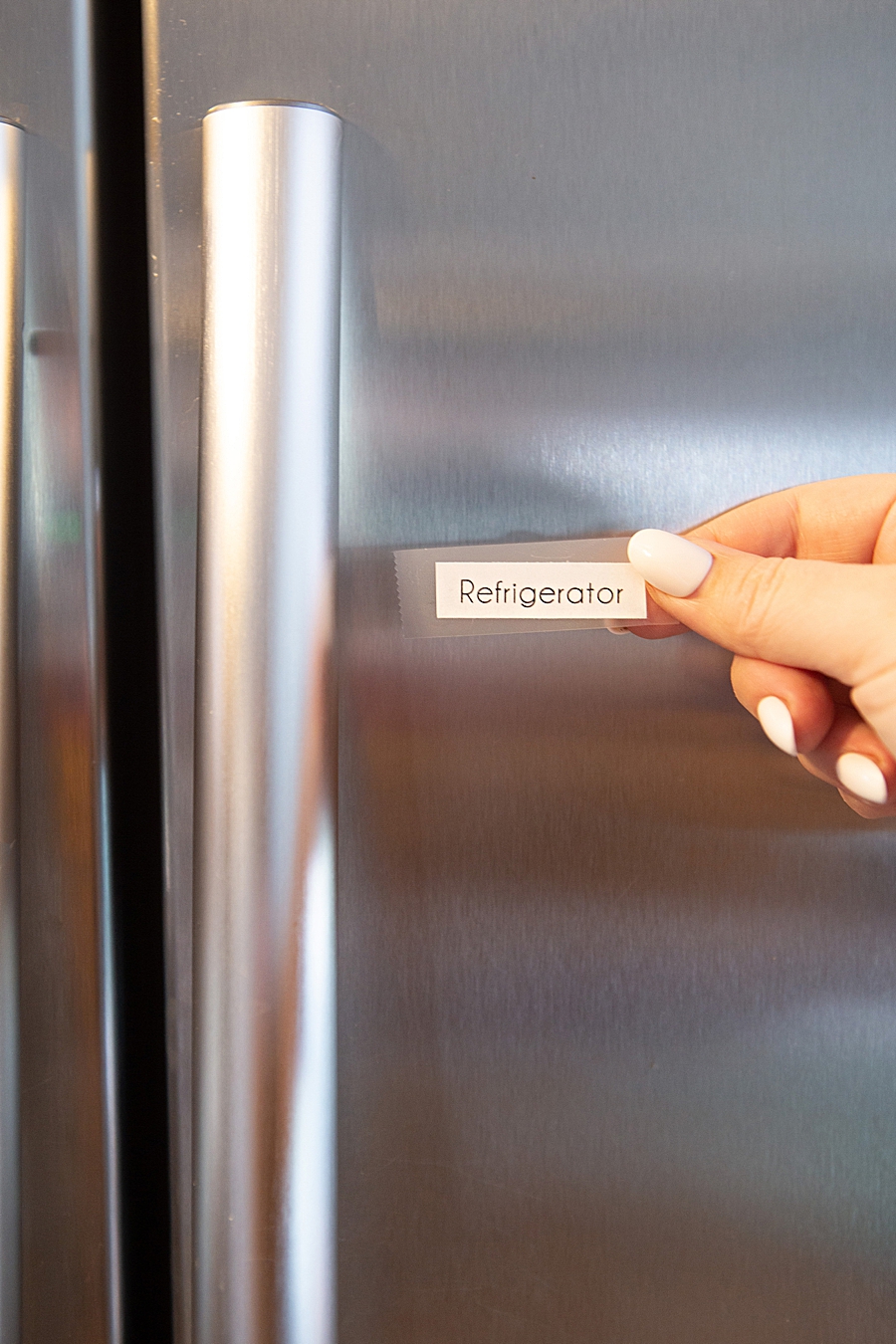
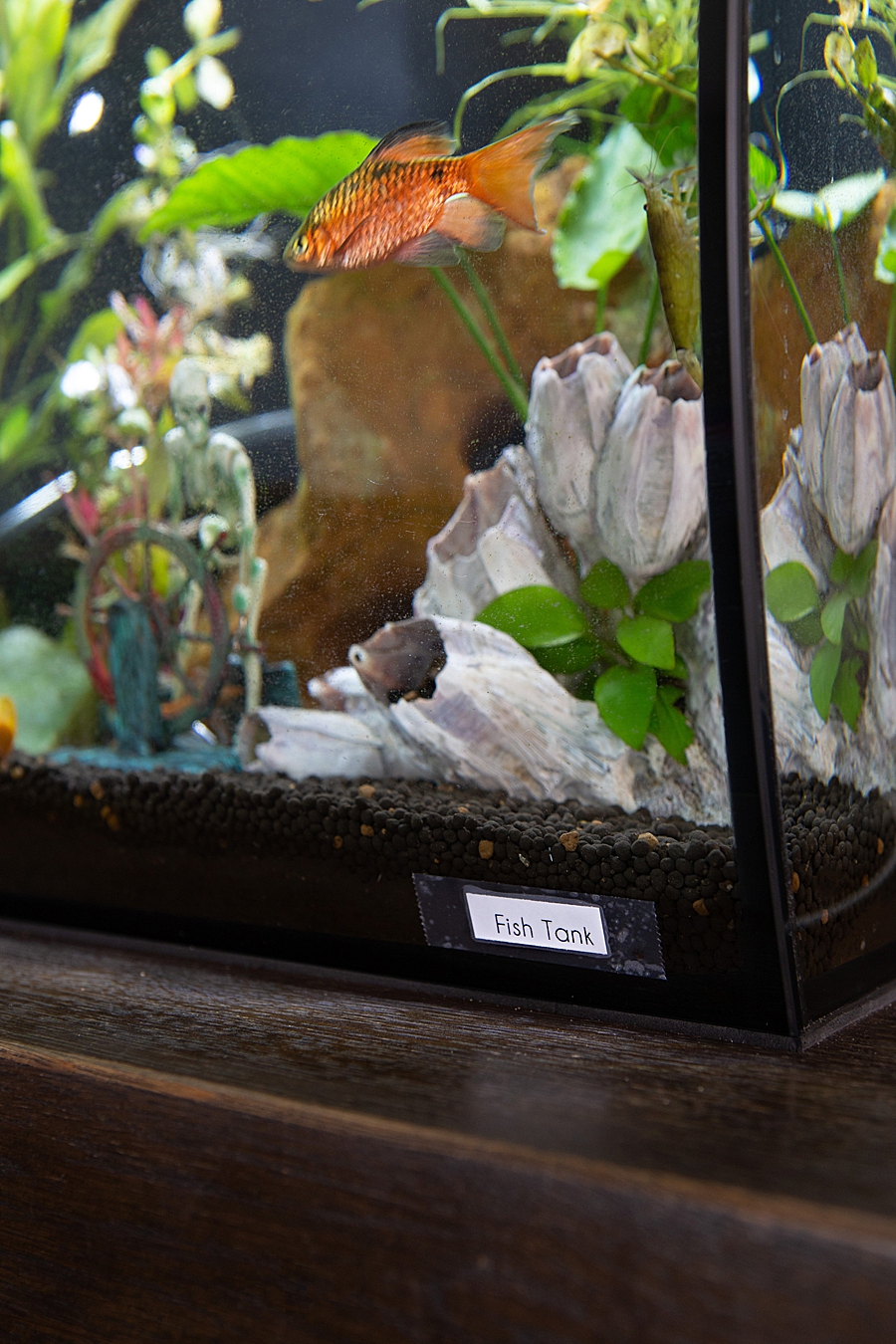
- Phase Four: Collaborative Application: Over a period of four days, the labels are affixed to their corresponding objects using transparent adhesive. Crucially, the children are involved in this stage, which serves as the primary instructional period where the verbal-to-visual connection is first established.
Theoretical Framework and Educational Context
The use of labels in the home is a practical application of "Environmental Print" theory. Environmental print is the print of everyday life—the signs, labels, and logos that children see in their community. For many children, this is the first type of print they recognize. By formalizing this through household labeling, parents are leveraging the child’s existing "funds of knowledge."
The logic, as supported by various reading specialists, is that because children are already intimately familiar with the objects in their home, the cognitive load required to identify the object is zero. This allows the child to devote 100% of their mental energy to decoding or recognizing the written word associated with that object. Over time, the visual pattern of the word becomes as recognizable as the object itself, a process known in educational psychology as "orthographic mapping."
Supporting Data on Early Literacy
The necessity for such home-based interventions is supported by data from the National Center for Education Statistics (NCES). Research indicates that children who are exposed to a high volume of print at home before entering formal schooling demonstrate significantly higher reading readiness scores.
Furthermore, the "Thirty Million Word Gap" study—though debated in its specific figures—highlights the profound impact that the linguistic environment of a home has on a child’s future academic success. By introducing 180 discrete vocabulary words into the physical landscape of the home, parents are effectively increasing the frequency of "word encounters." Studies in lexical acquisition suggest that a child may need to see a word between 4 and 12 times in context before it is added to their long-term sight vocabulary. A labeled home provides hundreds of such encounters daily without the need for formal "flashcard" sessions.
Professional Reactions and Sociological Implications
While the aesthetic impact of placing dozens of paper labels on home décor has been described by some observers as cluttered, the functional benefits appear to outweigh the visual drawbacks for participating families. "Guests have come over and are curious about them, and everyone thinks it’s a great idea," noted Causey-Kidder, indicating a growing social acceptance of "functional" over "Pinterest-perfect" home environments when it comes to child development.
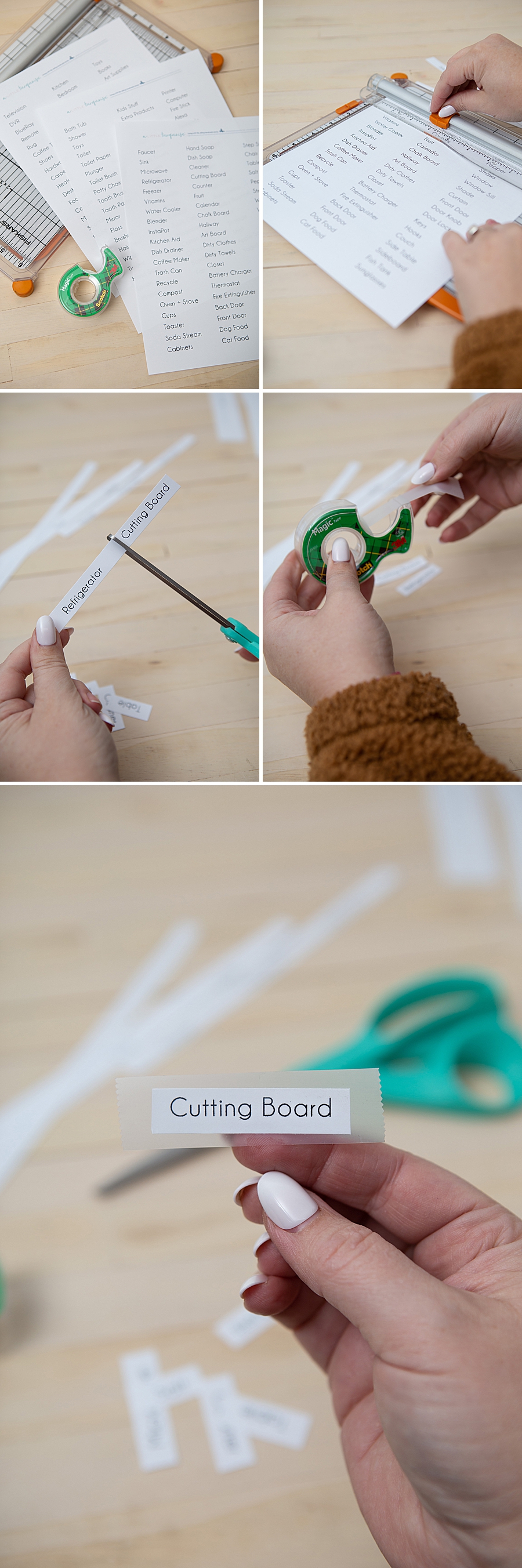
Literacy consultants have reacted positively to the DIY nature of the project. The democratization of educational tools through free printables and accessible fonts allows families from various socioeconomic backgrounds to implement high-quality literacy interventions. The project requires only a printer, paper, and tape, making it a low-cost, high-impact strategy.
From a sociological perspective, this method also encourages a shift in the parent-child dynamic regarding education. Instead of reading being a sedentary activity confined to a book or a desk, it becomes a kinetic, exploratory activity. Walking through the house becomes a "scavenger hunt" for meaning, which aligns with modern kinesthetic learning theories.
Broader Impact and Long-term Efficacy
The long-term impact of environmental labeling is currently being observed through the lens of parental reports and social media engagement. Under the hashtag #somethingturquoisediy, a community of educators and parents has begun sharing the results of their own labeling efforts. This anecdotal evidence suggests that the "four-day setup" creates a lasting interest in word-seeking behavior among children.
The implications of this go beyond simple word recognition. When a child sees the word "refrigerator" or "banister" every day, they are also absorbing complex phonetic patterns and multisyllabic structures. This prepares them for the "decoding" phase of reading, where they must sound out unfamiliar words. Having a "bank" of known sight words provides them with the confidence to tackle more difficult texts.
As digital screens continue to dominate the attention of young children, physical interventions like the household labeling project provide a tactile alternative. The presence of physical paper and ink in the real-world environment reinforces the idea that literacy is not just a digital skill, but a fundamental way of interacting with the physical world.
Conclusion and Future Outlook
The 180-word household labeling project represents a growing trend in "stealth education," where learning is integrated seamlessly into the daily routine. By prioritizing functionality over aesthetics and leveraging simple typographic principles, the initiative provides a blueprint for parents looking to support their children’s literacy journey outside the classroom.
As educational standards continue to evolve, the role of the home as a primary site of linguistic development remains undisputed. Projects that simplify the creation of a print-rich environment are likely to remain popular among parents who seek evidence-based, practical solutions for early childhood education. The transition from a house to a "living textbook" may be visually unorthodox, but the potential for "priceless" interaction and learning, as described by those who have implemented the system, suggests a significant return on the modest investment of time and materials.
Future iterations of such projects may include bilingual labels for ESL (English as a Second Language) households or QR codes integrated into labels to provide auditory pronunciation guides, further merging the physical and digital learning landscapes. For now, the simple act of printing, trimming, and taping remains a powerful tool in the arsenal of modern literacy development.