


The Evolution of the Sprinkle-Centric Aesthetic
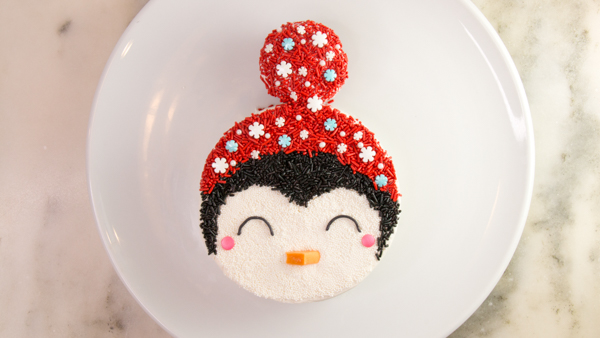
The "Penguin Cake" is not an isolated design but rather a thematic extension of Gardner’s previous work, specifically her "Sprinkle Girl" series. This conceptual lineage, which Gardner refers to as a "sprinkle universe," suggests a cohesive brand strategy that leverages recurring motifs to build audience engagement. The shift from human-centric "sprinkle girls" to animal-themed winter characters like the penguin reflects a calculated response to seasonal market shifts. In the fourth quarter of the fiscal year, consumer interest in winter-themed aesthetics—characterized by cool color palettes (whites, blacks, and blues) and festive accents (reds and greens)—typically sees a 40% increase in search volume across platforms like Pinterest and Instagram.
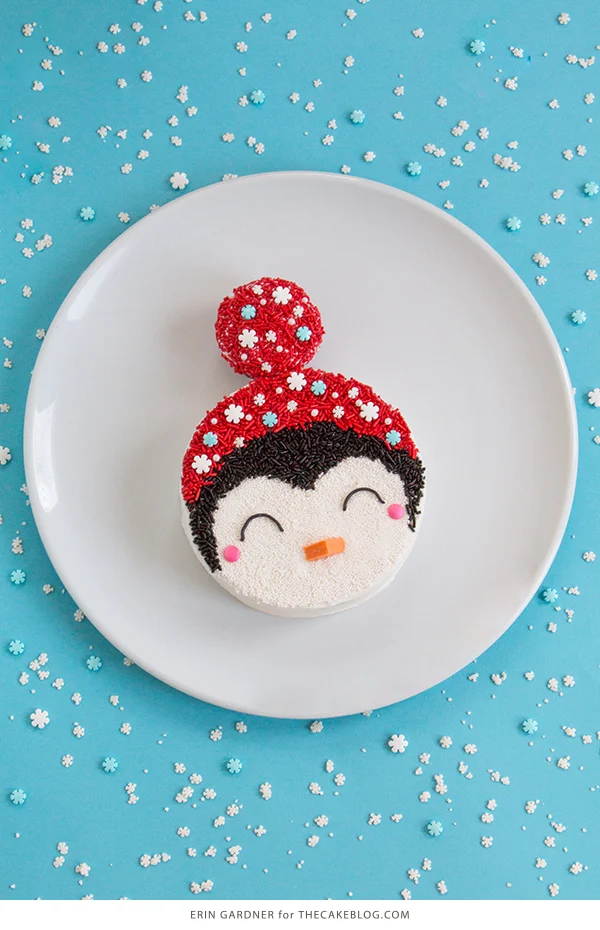
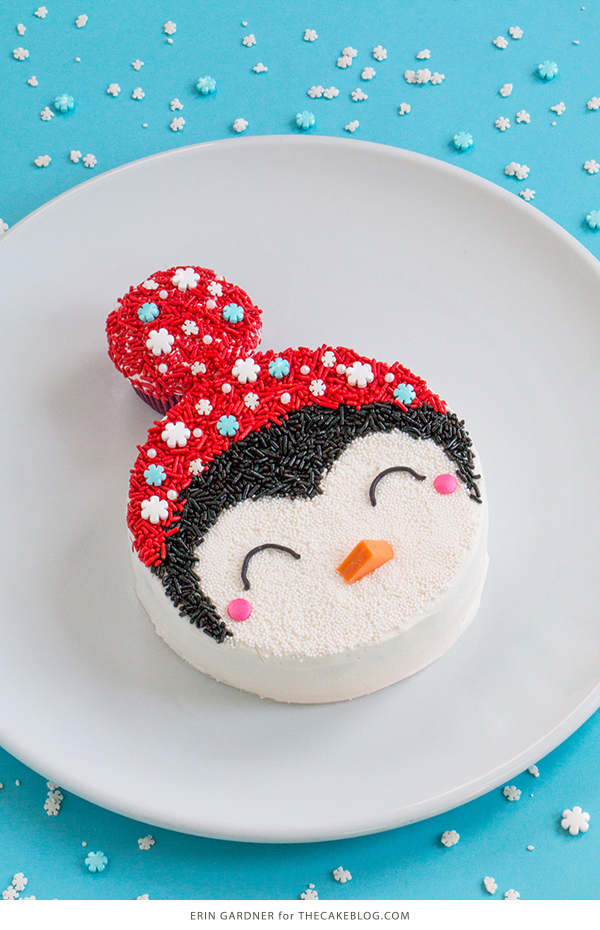
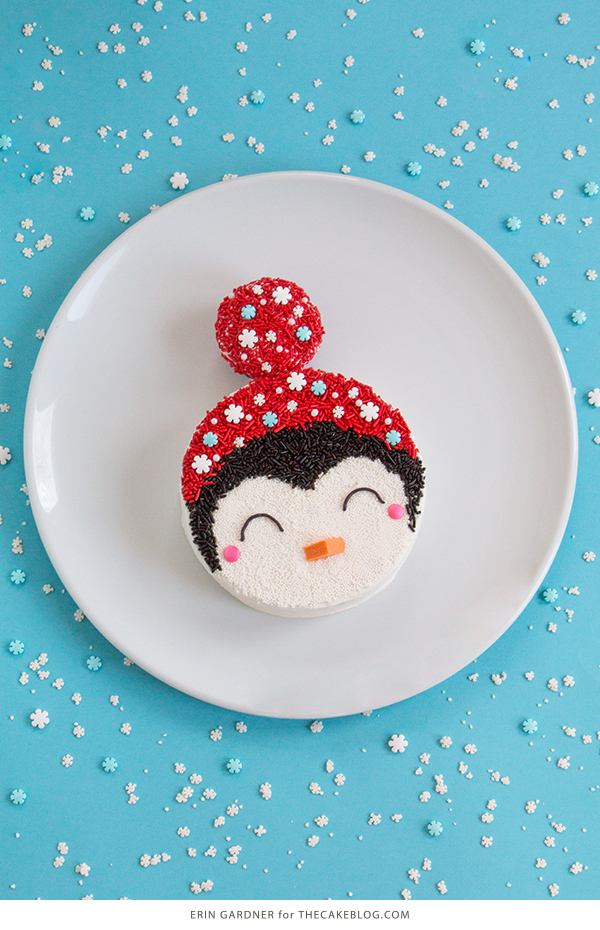
By utilizing a character-based design, the tutorial taps into the psychological appeal of "kawaii" or "adorable" culture, which has been shown to increase social media shareability. The use of nonpareils (small, spherical sprinkles) as the primary medium for the penguin’s "skin" and "face" provides a uniform, professional finish that mimics the precision of more difficult techniques like airbrushing or intricate fondant work.
Technical Methodology and Procedural Chronology
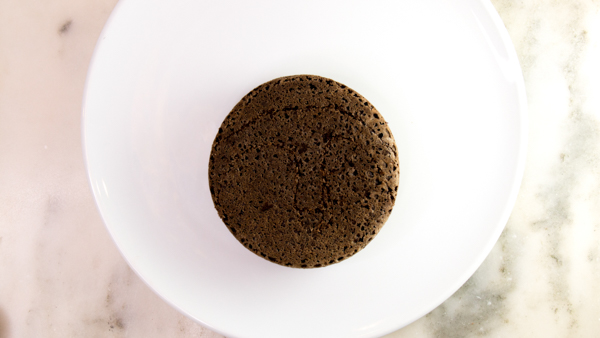
The construction of the Penguin Cake follows a rigorous, multi-stage process that emphasizes preparation and structural integrity. Unlike traditional character cakes that may require carved sponge or internal armatures, this design utilizes a standard round cake as a canvas, relying on two-dimensional mapping to create three-dimensional depth.
Phase I: Architectural Outlining
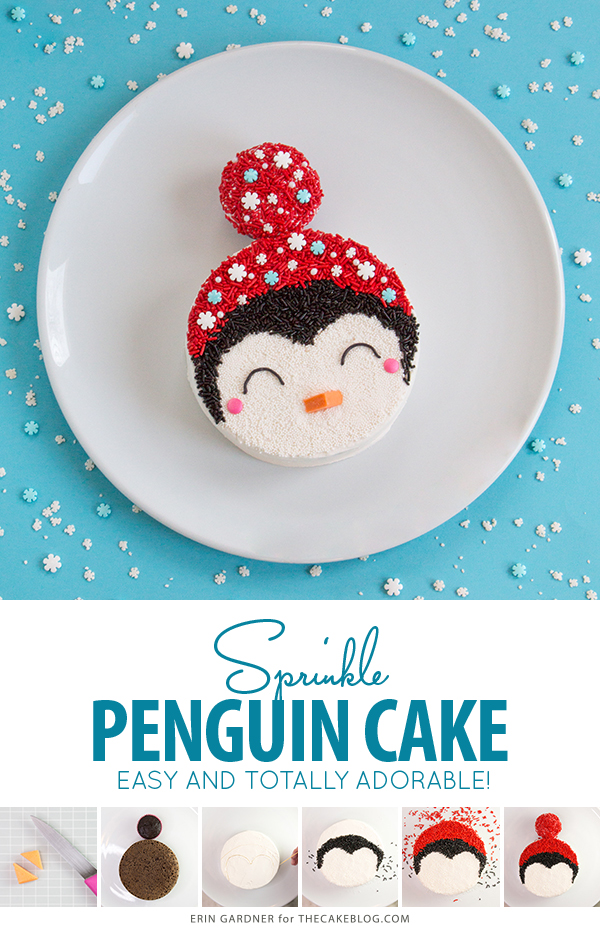
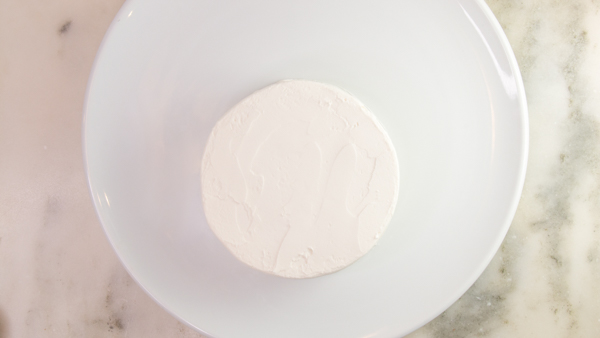
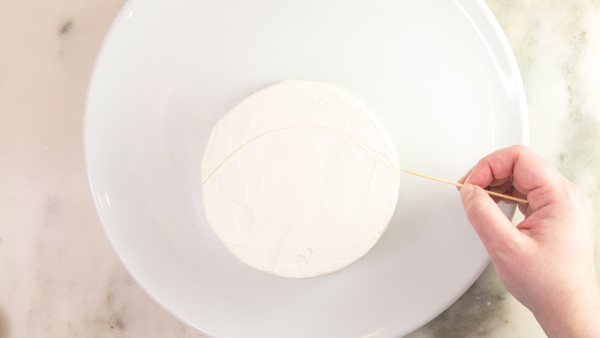
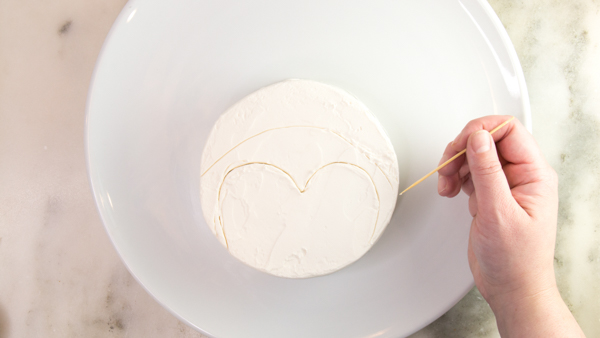
The process begins with the application of a thick layer of plain buttercream. In professional pastry applications, the "crumb coat" is followed by a "final coat"; however, for this specific design, the final coat serves as a structural adhesive for the sprinkles. Gardner recommends using a toothpick or skewer to etch a "half moon" shape for the hat and an "open-bottom heart" for the face. This stage is critical as it establishes the proportions of the character. Because the entire surface is eventually covered in sprinkles, the underlying buttercream does not require the level of smoothing typically demanded in professional cake finishing, effectively reducing the labor time by approximately 20-30%.
Phase II: The Mosaic Application
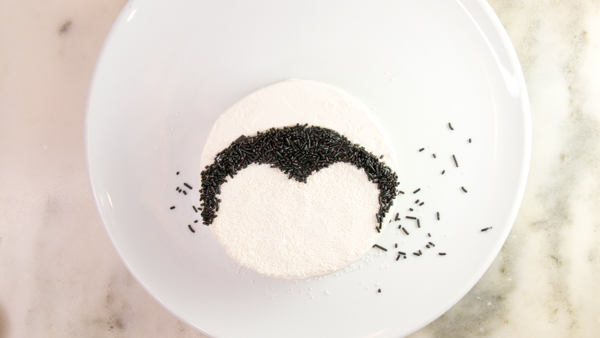
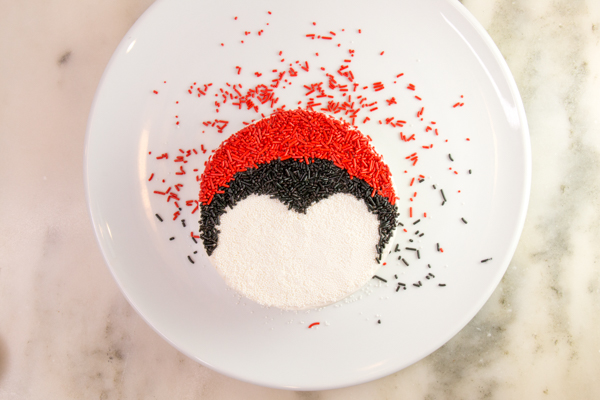
The application of sprinkles follows a "largest-to-smallest" logic. This prevents cross-contamination of colors and ensures that the most prominent features—the white face and black body—are clearly defined. The use of a baking sheet to catch "over-spray" or falling sprinkles is a standard industrial practice adapted for home use to minimize ingredient waste.
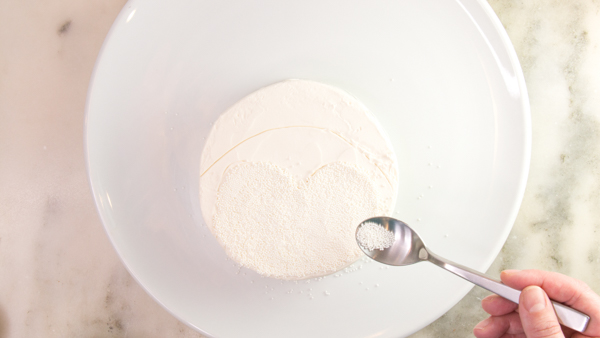
- The Face: White nonpareils are applied first to the heart-shaped central area.
- The Body: Black sprinkles are layered around the face, with a toothpick used for "precision weeding" if any black granules intrude upon the white field.
- The Hat: Red sprinkles fill the uppermost "half moon" section.
Phase III: Accessory Integration
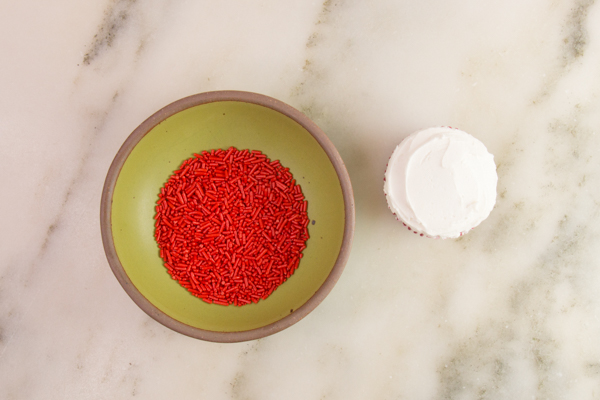
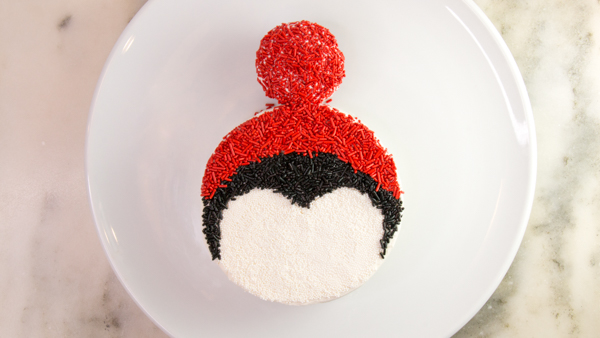
A unique technical feature of this tutorial is the use of a secondary baked good—a cupcake—to serve as the "pom-pom" for the penguin’s hat. This demonstrates a "mixed-media" approach to cake decorating, where different scales of baked goods are combined to create a sculptural effect. The cupcake is coated in red sprinkles and adhered to the platter using a buttercream "anchor."
Supporting Data: The Growth of the Global Decorating Market
The release of specialized tutorials like the Penguin Cake occurs against the backdrop of a booming global cake decorating market. According to recent market analysis, the global cake decorating supplies market was valued at approximately $1.2 billion in 2022 and is projected to reach $1.8 billion by 2030, growing at a CAGR (Compound Annual Growth Rate) of 5.2%.
Several factors contribute to this growth:
- The "Instagrammability" Factor: 65% of millennial bakers report that they choose recipes based on how the final product will look in photographs.
- Ease of Access: The availability of specialized sprinkles, such as "confetti shapes" and "snowflake sprinkles" used in Gardner’s tutorial, has moved from professional wholesalers to mainstream retail outlets like Amazon and Michael’s.
- DIY Shift: Economic fluctuations have led to a rise in "at-home celebrations," where consumers prefer to invest in decorating supplies rather than purchasing high-end bakery cakes which can cost upwards of $150 for custom designs.
Official Responses and Expert Insights
Industry experts have noted that Gardner’s methodology addresses a common pain point in cake decorating: the "fear of the blank canvas." By providing a structured, sprinkle-based template, the tutorial democratizes the process. "The brilliance of the sprinkle-coated method is its forgiving nature," states a representative for The Cake Blog. "Traditional piping requires years of muscle memory. Sprinkle application requires only a steady hand and a toothpick."
Gardner herself emphasizes the versatility of the design, noting that the penguin can be customized with chocolate sunglasses or varying hat colors. This "modular design" approach allows the same basic tutorial to be repurposed for different occasions—a "summer penguin" with a sunhat or a "birthday penguin" with a party hat—thereby increasing the long-term value of the content for the user.
Storage and Structural Integrity Analysis
A critical component of the tutorial involves the chemical interaction between the buttercream and the confectionery coatings. Gardner warns that "sprinkles can soften the longer they sit in the fridge." This is due to the hygroscopic nature of sugar-based sprinkles, which absorb moisture from the buttercream and the ambient humidity of a refrigerated environment.
To maintain the structural integrity and "crunch" of the sprinkle exterior, the following guidelines are recommended:
- Timing: The cake should ideally be finished on the day of service to prevent color bleeding (especially from the black and red sprinkles into the white face).
- Temperature Control: If a crusting buttercream (high sugar-to-fat ratio) is used, the cake can be stored in an airtight container at room temperature (below 72°F) to preserve the texture of the nonpareils.
- Moisture Barriers: For cakes requiring long-term refrigeration, a thin layer of cocoa butter or a high-fat buttercream can act as a moisture barrier to slow down the softening of the sprinkles.
Broader Impact and Implications for the Digital Bakery Sector
The Penguin Cake tutorial serves as a case study in the power of "niche seasonal content." For platforms like The Cake Blog, such tutorials are essential for maintaining high SEO rankings and driving affiliate sales for decorating supplies. The inclusion of a video tutorial alongside written instructions caters to diverse learning styles, a standard that has become mandatory in the "Creator Economy."
Furthermore, the design reflects a shift toward "minimalist-maximalism." While the cake is "maximalist" in its use of thousands of individual sprinkles, it is "minimalist" in its use of tools. No expensive turntables, offset spatulas, or specialized piping tips are strictly required for the primary decoration. This low-cost, high-reward model is likely to dominate the digital baking space in the coming years as creators look to reach the widest possible audience.
In conclusion, the sprinkle-coated penguin cake is more than a seasonal novelty; it is a technically sound, market-aware design that bridges the gap between professional pastry aesthetics and amateur execution. Its reliance on textural repetition and character-driven design ensures its place as a staple in the winter baking repertoire, providing a blueprint for future developments in the "sprinkle universe" of cake decorating.