


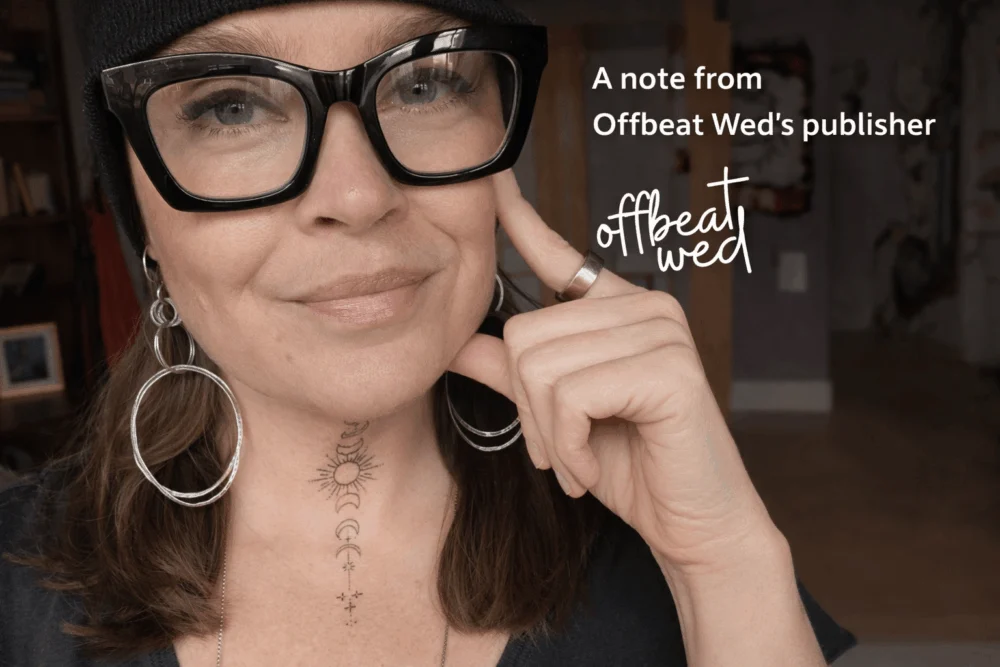
Offbeat Wed, a pioneering online platform for non-traditional weddings launched in 2007, has announced a significant strategic pivot, transitioning from an ad-supported, couple-facing publication to a membership-supported platform primarily focused on wedding and event vendors. This reorientation reflects a broader understanding of the dramatic shifts observed in the digital media landscape, the economics of online publishing, and the evolving needs of both couples and creative professionals within the wedding industry over the past two decades. The move aims to align the platform’s operations with its founder’s current expertise and the pressing demands of small businesses navigating an increasingly complex market.
A Digital Publishing Evolution: From Mass Appeal to Niche Sustainability
Since its inception in 2007, Offbeat Wed carved out a unique niche by offering content, inspiration, and resources for couples seeking alternatives to conventional wedding traditions. For nearly two decades, it operated on a familiar media model: providing free, accessible content to a wide audience of engaged couples, with its operations primarily sustained by advertising revenue and directory listings from wedding businesses. This model facilitated the creation of an extensive archive, boasting over 7,000 posts that served as a comprehensive guide for those planning unique celebrations.
However, the digital environment has undergone profound changes since the mid-2000s. The traditional ad-supported model, once the bedrock of many online publications, has faced increasing challenges. The proliferation of ad blockers, the dominance of tech giants like Google and Meta in capturing digital advertising spend, and the fragmentation of audience attention across myriad social media platforms have significantly eroded ad revenue for independent publishers. According to eMarketer, global digital ad spending surpassed $600 billion in 2022, yet a disproportionate share of this revenue flows to a handful of large platforms, leaving smaller and niche publishers struggling to maintain profitability through display advertising alone. This economic pressure has compelled many content creators and publishers to explore alternative, more sustainable revenue streams, such as subscription models, direct community support, and specialized service offerings.
The Shifting Sands of the Wedding Industry
Concurrently, the landscape of wedding planning itself has transformed dramatically. The rise of visual platforms like Pinterest, Instagram, and TikTok has fundamentally altered how couples discover inspiration, research trends, and identify potential vendors. These platforms often serve as the primary conduits for visual discovery, sometimes overshadowing traditional blogs and online directories in the initial stages of planning. Moreover, client expectations have evolved, with a growing demand for highly personalized, authentic experiences that reflect individual identities rather than cookie-cutter templates. This shift has placed new pressures on wedding vendors, who are increasingly expected to offer bespoke services, maintain a strong online presence, and differentiate themselves in a crowded market.
The Offbeat Wed founder noted a personal and professional evolution mirroring these industry changes. While initially focused on curating content for couples, the founder’s attention gradually shifted towards understanding the systemic challenges faced by creative small businesses in the wedding sector. Issues such as visibility in an algorithm-driven world, sustainable pricing strategies, managing burnout, navigating platform instability, and adapting to shifting client expectations became central concerns. This deep dive into the business side of the wedding industry was further catalyzed by the founder’s experience at Medium.com, working directly with creatives, and subsequently launching a small business consulting arm, Offbeat Empire. This experience provided firsthand insight into the struggles and triumphs of entrepreneurs in the creative economy.
Chronology of a Strategic Reorientation
The journey to this pivotal announcement can be traced through several key phases:
- 2007: Offbeat Wed launches, quickly becoming a leading voice for non-traditional wedding inspiration, leveraging the burgeoning blogosphere and early social media.
- 2007-Mid 2010s: The platform thrives under an ad-supported model, building a vast archive of content and fostering a loyal community of couples.
- Mid-2010s onward: The digital media landscape begins its rapid transformation, with increased competition for ad dollars and audience attention from social media platforms. The founder starts to observe and analyze these macroeconomic shifts.
- Late 2010s: The founder gains further insights into the creative economy and platform dynamics through a stint at Medium.com, deepening understanding of the challenges faced by content creators and small businesses.
- Early 2020s: The founder expands into dedicated small business consulting via Offbeat Empire, actively advising creative entrepreneurs on navigating market changes and building sustainable operations. This period solidifies the realization that the founder’s expertise and passion increasingly lay with vendors, not just couples.
- Present Day: The formal announcement of Offbeat Wed’s strategic pivot, making explicit the implicit shift in focus that had been developing for several years. The platform will now channel its resources and content creation towards empowering wedding and event vendors who prioritize inclusivity.
The founder articulated this growing internal "tension," noting that "I was writing for one audience (couples!) while orienting my attention toward another (vendors!). From a publisher’s perspective, that tension started to feel weird." This disconnect highlighted a misalignment between the platform’s public-facing content strategy and the founder’s evolving professional focus. The realization crystallized that the most significant impact could be made "not advising couples planning weddings, but helping the creatives working those weddings build businesses that can endure change."
From Couple-Facing to Vendor-Centric: The New Model Unveiled
With this pivot, Offbeat Wed is transforming into an industry platform specifically designed for wedding and event vendors who are committed to inclusivity. The new model will be membership-supported, offering specialized resources, community engagement, and expert analysis tailored to the unique business needs of these professionals.

The core value proposition for vendors under this new structure includes:
- Targeted Content: Articles, guides, and discussions focused on business strategy, marketing in a digital age, pricing models, client management, and navigating industry trends.
- Community and Networking: A curated space for like-minded vendors to connect, share insights, collaborate, and find support, particularly those valuing diversity and inclusivity in their work.
- Expert Guidance: Direct access to the founder’s two decades of small business experience and insights into the evolving wedding market, offering a pragmatic approach to enduring change.
- Enhanced Visibility: A platform where vendors can present their services to a community that understands and values their unique approach, moving beyond generic listings to a more intentional connection.
While the focus shifts, the extensive, evergreen archive of content for couples will remain fully accessible. This ensures that the legacy of Offbeat Wed’s support for non-traditional couples endures. Furthermore, the new model posits an indirect but significant benefit for couples: "when vendors have clearer positioning, better tools, and more realistic expectations of the ecosystem they’re operating in, couples benefit too because the impact flows downstream!" By empowering vendors to build more resilient and strategically sound businesses, the quality of service, ethical practices, and overall experience for couples are expected to improve. The platform’s commitment to inclusivity, now explicitly woven into its vendor-centric mission, means that couples seeking diverse and accepting vendors will still indirectly find their needs met through a stronger network of aligned professionals.
Industry Context and Supporting Data
This strategic pivot by Offbeat Wed is not an isolated incident but rather indicative of broader trends in both the digital publishing and small business sectors. The "creator economy," characterized by individuals and small entities monetizing their skills and content directly, has seen explosive growth. Platforms like Patreon, Substack, and various membership sites demonstrate the viability of direct-to-audience support models, particularly for niche content and expert communities. A report by SignalFire estimated the creator economy to be worth over $100 billion, with a significant portion driven by subscription and membership services.
Within the wedding industry, which was valued at approximately USD 180.4 billion globally in 2022 and continues to grow, small businesses form its backbone. However, these businesses often face significant challenges beyond their creative craft. A survey by Guidant Financial revealed that marketing and advertising, insufficient capital, and cash flow management are among the top struggles for small business owners. Dedicated platforms that provide business acumen, industry-specific trend analysis, and a supportive community are invaluable in helping these entrepreneurs not only survive but thrive. Offbeat Wed’s move into this space positions it as a critical resource for a segment of the market increasingly seeking specialized guidance.
The emphasis on inclusivity also resonates with contemporary social values and market demands. A growing number of couples actively seek vendors who demonstrate a commitment to diversity, equity, and inclusion, encompassing LGBTQ+ couples, diverse cultural backgrounds, and body positivity. By centering vendors who care about inclusivity, Offbeat Wed is not only catering to an ethical imperative but also a significant and growing market segment.
Anticipated Reactions and Expert Analysis
The announcement is likely to elicit a range of reactions. Long-time readers who have relied on Offbeat Wed for personal wedding planning inspiration may experience a sense of nostalgia for the previous model. However, the assurance that the extensive archive remains available, coupled with the indirect benefits of a more robust vendor community, is designed to mitigate potential disappointment.
For wedding and event vendors, particularly those who align with Offbeat Wed’s ethos of creativity and inclusivity, the pivot is expected to be met with strong positive reception. Many small business owners in the wedding industry grapple with isolation and a lack of dedicated, unbiased resources for business development. A platform offering expert insights, trend interpretation, and a supportive community, especially one that understands the nuances of the "offbeat" or non-traditional market, addresses a critical need.
Industry analysts suggest that specialized platforms catering to vendor needs are increasingly vital as the market fragments and competition intensifies. According to Dr. Eleanor Vance, a consultant specializing in digital media and small business ecosystems, "This move by Offbeat Wed reflects a broader trend in digital publishing, where niche communities and direct support models are proving more sustainable than broad, ad-dependent content strategies. By focusing on a specific, high-value audience—creative wedding professionals—Offbeat Wed can cultivate a deeper relationship, offer more tailored value, and secure a more stable revenue stream through membership. It’s a smart strategic evolution for a platform that has always understood the power of community and specialization."
Broader Implications for Digital Media and Niche Communities
Offbeat Wed’s pivot serves as a compelling case study for the evolving landscape of digital media. It underscores the ongoing shift away from mass-market, general-interest content towards highly specialized, value-driven, and often membership-based models. This trend is driven by several factors: the saturation of free content, the difficulty of monetizing broad audiences through advertising, and the increasing demand for authentic expertise and curated communities.
For niche communities, whether in the wedding industry or beyond, this model offers a pathway to sustainability and deeper engagement. It allows publishers to focus their resources on providing unparalleled value to a dedicated audience, fostering a sense of belonging and mutual support that traditional ad-supported models often struggle to achieve. By making this explicit shift, Offbeat Wed is not just changing its business model; it is reaffirming its commitment to serving a vital segment of the wedding ecosystem in a way that is both economically viable and strategically impactful. The platform’s future content will be shaped by this vendor-centric orientation, focusing on the navigation of complex industry changes, technological advancements, cultural shifts, and the evolving dynamics of trust and choice for creative professionals. This strategic clarity positions Offbeat Wed for a new chapter of influence and relevance in the dynamic world of weddings and events.