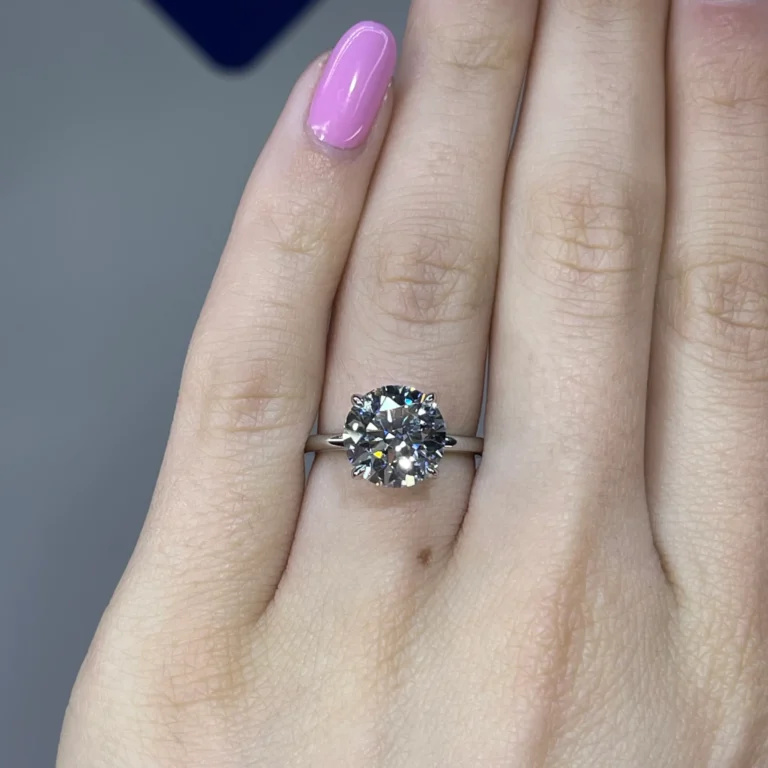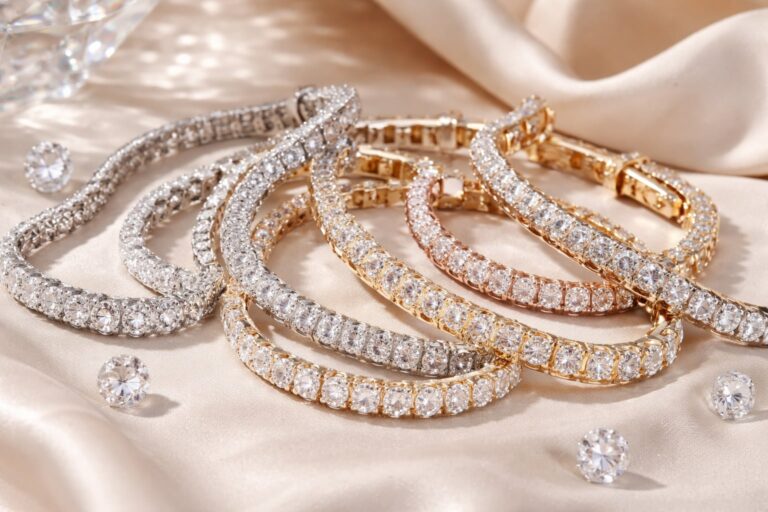




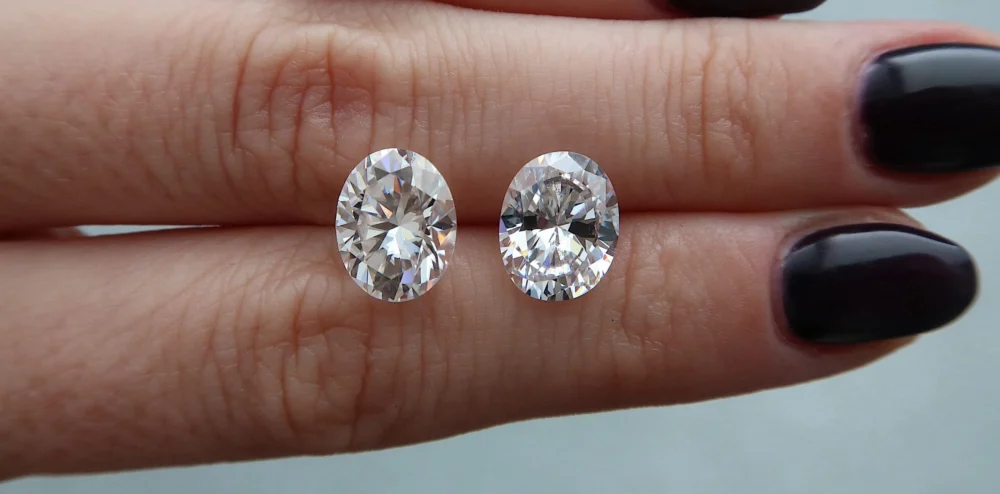
Standing at the jewelry counter, the allure of a dazzling diamond can be captivating, but the decision-making process often involves a crucial understanding of the underlying gemology and economics. The market now offers consumers a spectrum of choices beyond traditional mined diamonds, with lab-grown diamonds and cubic zirconia emerging as prominent alternatives. While both promise brilliance at a more accessible price point, their fundamental differences in composition, durability, and long-term value necessitate a thorough examination for informed purchasing decisions. This comprehensive guide delves into the science, history, and practical considerations of lab-grown diamonds and cubic zirconia, empowering consumers to select the perfect adornment without compromise or regret.
The Genesis of Lab-Grown Diamonds: A Technological Marvel
Lab-grown diamonds represent a significant advancement in gemology, offering authentic diamonds cultivated in controlled laboratory environments. These gems share the identical chemical, physical, and optical properties of their naturally occurring counterparts, formed over billions of years deep within the Earth. The synthesis process, developed over decades of scientific research, mimics natural geological conditions or utilizes advanced deposition techniques to grow carbon atoms into crystalline diamond structures. Since their emergence as commercially viable options, lab-grown diamonds have gained considerable traction, providing consumers with comparable beauty and durability at a fraction of the cost of mined diamonds, alongside enhanced transparency in their supply chain and customization potential.

The fundamental principle behind lab-grown diamonds is the creation of a perfect carbon lattice. This is achieved through two primary methods: High-Pressure High-Temperature (HPHT) and Chemical Vapor Deposition (CVD). Both processes begin with a small diamond "seed" – a tiny fragment of existing diamond.
The HPHT method, pioneered in the 1950s, involves placing the diamond seed along with a carbon source (like graphite) and a metal catalyst in a specialized press. This apparatus then subjects the materials to extreme pressures (around 5-6 gigapascals) and temperatures (1,300-1,600 degrees Celsius), simulating the conditions within the Earth’s mantle. Over several days to weeks, the carbon dissolves in the molten catalyst and crystallizes onto the diamond seed, gradually forming a larger diamond. Early industrial applications of HPHT focused on creating diamonds for abrasive tools, but advancements in the 1970s and subsequent decades allowed for the production of gem-quality diamonds.
The CVD method, which gained prominence later, operates under lower pressure but higher temperatures (700-1,200 degrees Celsius). In this process, diamond seeds are placed in a vacuum chamber, and a gas mixture, typically methane and hydrogen, is introduced. Microwave energy or a hot filament is used to create a plasma, breaking down the gases and allowing carbon atoms to deposit onto the diamond seeds layer by layer. CVD is known for its ability to produce high-purity diamonds and is often favored for larger stones. This method allows for greater control over the growth process, potentially leading to fewer inclusions than some HPHT diamonds.

The evolution of these technologies has transformed the diamond industry. Initially seen as a novelty, lab-grown diamonds are now a significant segment of the market, with production scaling up globally. Countries like the United States, India, and China are major hubs for diamond synthesis. The ability to control the growth process also allows for the creation of diamonds with specific colors, by introducing trace elements like nitrogen (for yellow hues) or boron (for blue hues) during synthesis.
Cubic Zirconia: The Sparkle of Affordability
Cubic zirconia (CZ) stands as a widely recognized and highly accessible diamond simulant. It is a synthetic crystalline material composed of zirconium dioxide (ZrO₂), engineered to mimic the visual brilliance of a diamond. Unlike lab-grown diamonds, CZ does not share the same chemical composition or physical properties as natural or lab-created diamonds. Its appeal lies in its affordability and its ability to produce a striking sparkle that can initially captivate consumers seeking diamond-like aesthetics without the associated cost.
The commercial production of CZ began in the 1970s, following research in France and the Soviet Union. The key to its diamond-like appearance is its cubic crystalline structure, which refracts light powerfully. The manufacturing process typically involves a high-temperature melting technique known as "skull melting." Zirconium oxide powder is mixed with stabilizers, such as yttrium oxide or calcium oxide, to maintain the cubic phase. This mixture is then heated to extremely high temperatures (exceeding 4,900 degrees Fahrenheit) in a water-cooled crucible, often using radio-frequency induction. The intense heat melts the material, forming a molten core within a solid outer "skull." As this molten material cools and solidifies gradually, crystals form. These crystals are then cut and polished into various shapes for use in jewelry.

The deliberate absence of carbon in CZ’s composition is a fundamental distinction from diamonds. This difference is crucial in understanding its durability and long-term value. While CZ can be manufactured with exceptional clarity and colorlessness, it lacks the inherent hardness and thermal conductivity that define diamonds. This makes it a popular choice for fashion jewelry, costume jewelry, and as a temporary placeholder for engagement rings.
Comparing the Core Properties: A Detailed Analysis
When evaluating lab-grown diamonds against cubic zirconia, several key properties come into play, influencing their suitability for different applications and consumer priorities.
Chemical Composition: The Foundation of Difference
The most critical distinction lies in their chemical makeup. Lab-grown diamonds are, by definition, diamonds. They are composed of pure carbon atoms arranged in a tetrahedral crystalline lattice, identical to natural diamonds. This means they possess the same Mohs hardness of 10, exceptional toughness, and thermal conductivity.

Cubic zirconia, conversely, is zirconium dioxide. It lacks carbon and its crystal structure, while designed for visual appeal, does not bestow the same physical attributes. On the Mohs scale, CZ ranks between 8 and 8.5. While this is hard enough for many jewelry applications, it is significantly less durable than diamond and more prone to scratching and abrasion over time.
Appearance: Brilliance, Fire, and Sparkle
Both materials are designed to sparkle, but they achieve this through different optical properties.
Lab-grown diamonds exhibit a refractive index of approximately 2.42. This high refractive index means they bend and reflect light exceptionally well, resulting in brilliant white light return (brilliance) and captivating flashes of color (fire). The precise interplay of these elements is a hallmark of diamond’s beauty. The cut quality of a lab-grown diamond, just like a natural diamond, is paramount in maximizing its optical performance.

Cubic zirconia has a refractive index of around 2.15-2.18, which is lower than diamond but still high enough to produce significant sparkle. However, CZ is known for its higher dispersion (0.058-0.066 compared to diamond’s 0.044), leading to more pronounced, rainbow-like flashes. This "fire" can be intense and may appear more vivid than that of a diamond in some lighting conditions, which some consumers find appealing. However, this intense dispersion can also be perceived as less sophisticated or more artificial compared to the balanced brilliance and fire of a diamond. Furthermore, CZ can sometimes exhibit a slight "oil slick" appearance due to its high dispersion.
Durability and Longevity: The Test of Time
The Mohs hardness scale is a critical indicator of a gemstone’s resistance to scratching. A rating of 10 signifies that a diamond can only be scratched by another diamond. This exceptional hardness makes lab-grown diamonds ideal for everyday wear, particularly in engagement rings and other frequently worn pieces. They resist abrasions, chips, and general wear and tear, maintaining their luster and integrity for generations.
Cubic zirconia, with a Mohs hardness of 8-8.5, is susceptible to scratching from harder materials, including dust particles containing quartz. Over time, daily wear can lead to micro-scratches on the surface of CZ, causing it to appear cloudy or dull. While it is more durable than many other simulants, it does not possess the long-term resilience of a diamond. This makes it better suited for pieces that are not subjected to constant friction and impact, or for those who do not expect them to last a lifetime without showing signs of wear.

Price Point: Accessibility and Value
The cost is often a primary driver for consumers considering alternatives to mined diamonds. Lab-grown diamonds offer significant savings, typically ranging from 30% to 50% less than comparable natural diamonds of the same quality (carat, cut, color, and clarity). This reduction in price is attributed to the elimination of mining costs, exploration, and the often complex and lengthy supply chains associated with natural diamonds. Despite the savings, lab-grown diamonds are priced based on their intrinsic diamond qualities, meaning a higher quality lab-grown diamond will still be more expensive than a lower quality one. This makes them a more attainable option for those seeking genuine diamonds.
Cubic zirconia is considerably more affordable than both mined and lab-grown diamonds. A one-carat CZ can often be purchased for as little as $10-$30, making it an extremely budget-friendly option. This low cost reflects the ease and low material expense of its production. While this makes it accessible for nearly any budget, its value proposition is primarily in its initial appearance rather than its long-term material worth or durability.
The Manufacturing Processes in Detail
Understanding the creation processes provides further insight into the nature of these gems.
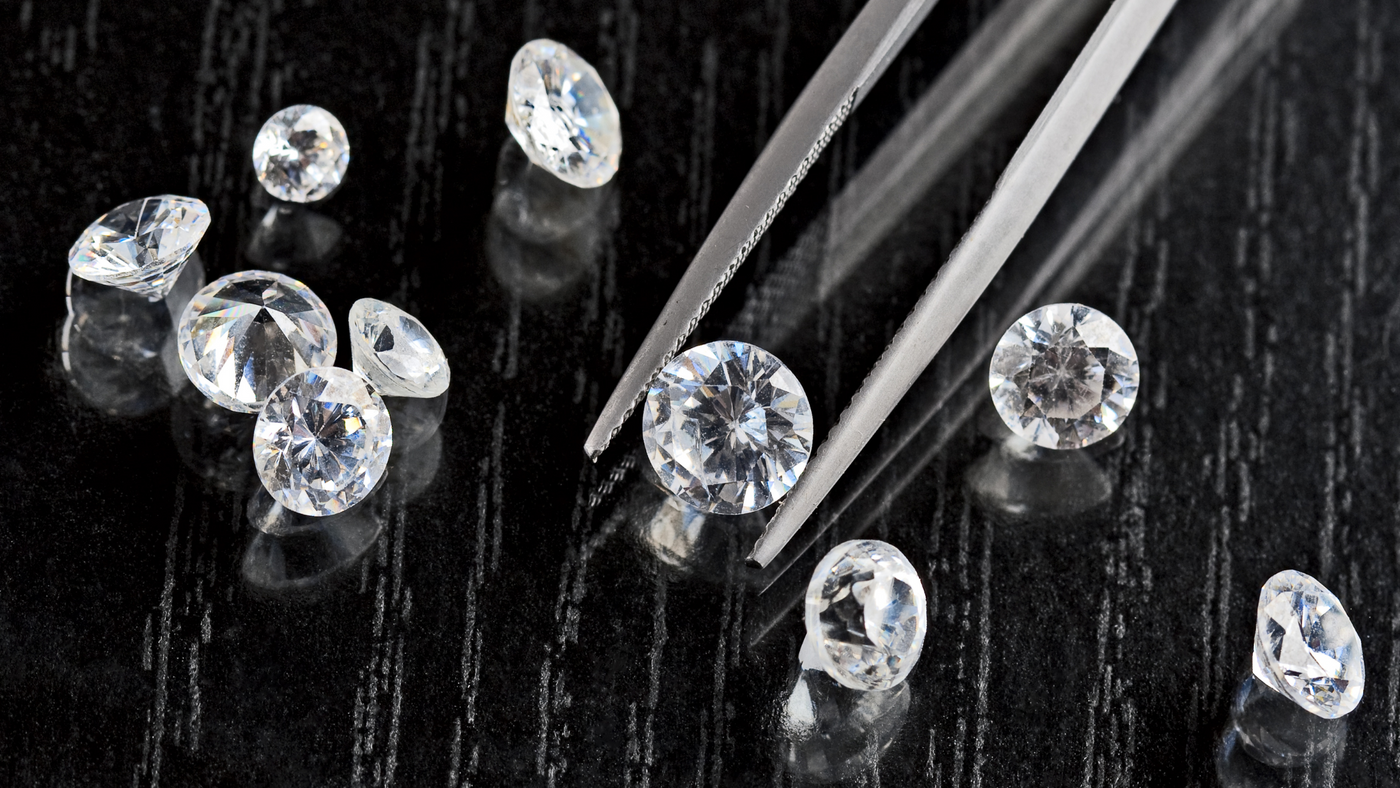
High-Pressure High-Temperature (HPHT) Process
The HPHT method is a testament to applied physics and material science. It involves a carefully controlled environment where carbon atoms are persuaded to arrange themselves into a diamond lattice. The presence of a metal catalyst, such as nickel, iron, or cobalt, is crucial. This catalyst acts as a solvent for the carbon source, facilitating its dissolution at high temperatures and pressures. As the solution becomes supersaturated with carbon, it precipitates out onto the diamond seed, forming a new layer of diamond. The process is meticulously monitored to control crystal growth direction and quality. Variations in the catalyst composition and growth parameters can influence the resulting diamond’s color and clarity.
Chemical Vapor Deposition (CVD) Process
CVD offers a different approach, relying on gas-phase reactions. The process starts with a substrate, typically a thin diamond film or seed crystal, placed within a vacuum chamber. A precisely controlled mixture of hydrocarbon gases (like methane) and hydrogen is introduced. Energy, often from microwaves, is applied to ionize the gases, creating a plasma. Within this plasma, the gas molecules break down, releasing carbon atoms. These carbon atoms then deposit onto the diamond seed, building up the diamond crystal structure, atom by atom. The hydrogen plays a vital role in etching away any non-diamond carbon that might form, ensuring the growth of pure diamond. CVD is often favored for its ability to produce large, high-quality diamonds with controlled impurity levels.
Cubic Zirconia Manufacturing: Skull Melting
The skull melting technique used for CZ is a specialized form of induction melting. The raw materials are placed in a crucible designed to withstand extreme temperatures and prevent contamination. The crucible itself is often made of copper and is water-cooled. This cooling creates a solidified outer layer, or "skull," which insulates the molten material at the core. Radio-frequency induction coils generate a powerful electromagnetic field that heats the conductive materials within the crucible, melting them. The subsequent slow, controlled cooling allows for the formation of uniform crystals. The addition of specific metallic oxides or rare earth elements during the melting process can be used to create colored CZ.

Environmental and Ethical Considerations
The environmental impact of jewelry production is an increasingly important factor for consumers.
Lab-grown diamonds offer a potentially reduced environmental footprint compared to mined diamonds. Mining operations can involve significant land disturbance, water usage, and energy consumption, along with the risk of pollution. By contrast, lab-grown diamond production occurs in controlled industrial settings. However, the energy requirements for HPHT and CVD processes can be substantial. The environmental benefit largely depends on the energy sources used by the manufacturing facilities. Companies are increasingly investing in renewable energy to power their operations, aiming to minimize their carbon footprint. The ethical advantage is also significant, as lab-grown diamonds eliminate concerns about conflict diamonds or exploitative labor practices often associated with the natural diamond mining industry.
Cubic zirconia production, while also occurring in laboratories, involves high-temperature processes. The environmental impact is generally considered lower than that of diamond mining due to less resource-intensive raw materials and manufacturing processes. However, like any industrial production, it consumes energy and generates waste. The primary ethical advantage of CZ lies in its artificial nature, meaning it does not involve the environmental and social complexities of mineral extraction.

Uses and Considerations in Jewelry
The distinct properties of lab-grown diamonds and cubic zirconia lend themselves to different applications in jewelry.
Lab-Grown Diamonds: The Modern Heirloom
Lab-grown diamonds are increasingly popular for engagement rings, wedding bands, anniversary gifts, and other fine jewelry pieces. Their genuine diamond identity, durability, and significant cost savings compared to mined diamonds make them an attractive choice for significant life events. Reputable vendors like Whiteflash, James Allen, and Blue Nile offer extensive selections of certified lab-grown diamonds, often with detailed grading reports from organizations such as the Gemological Institute of America (GIA). These vendors provide high-resolution imagery, detailed specifications, and often financing options, facilitating informed purchases. The versatility of lab-grown diamonds allows them to be cut into any shape and set in various precious metals, offering immense personalization opportunities.
Cubic Zirconia: Fashion and Affordability
Cubic zirconia is predominantly used in fashion jewelry, costume jewelry, and as a more affordable alternative for those who appreciate the sparkle of a diamond but have budget constraints. It is commonly found in rings, earrings, pendants, and bracelets where the emphasis is on aesthetic appeal rather than long-term material value or heirloom potential. Its affordability allows consumers to experiment with trends, purchase larger stones for a dramatic effect, or acquire multiple pieces for different occasions. While it offers a brilliant initial appearance, it is important for consumers to understand its limitations in durability and its lack of intrinsic value retention.

Which is the Better Choice?
The question of which is "better" depends entirely on individual priorities and the intended purpose of the jewelry piece.
When to Choose Cubic Zirconia:
- Extreme Affordability: If budget is the absolute primary concern, and the goal is to achieve a diamond-like sparkle at the lowest possible cost.
- Fashion and Temporary Jewelry: For pieces intended for occasional wear, special events, or to keep up with rapidly changing fashion trends, where durability and heirloom quality are not primary considerations.
- Large Stones for Impact: To achieve the look of a very large diamond without a prohibitive cost, for statement pieces or when a dramatic visual effect is desired.
When to Choose Lab-Grown Diamonds:
- Authenticity and Genuine Diamond Qualities: For consumers who want a real diamond with all its inherent properties – hardness, brilliance, and chemical composition – but at a more accessible price.
- Durability and Longevity: For pieces intended for everyday wear, especially engagement rings, that need to withstand the test of time and maintain their beauty for decades or generations.
- Long-Term Value and Investment: While not an investment in the traditional financial sense, lab-grown diamonds retain their value as genuine diamonds and are far more likely to hold their worth than simulants.
- Ethical and Environmental Consciousness: For those who prioritize a responsible and transparent supply chain, avoiding the ethical concerns associated with mined diamonds.
The Role of PriceScope in Consumer Education
Navigating the world of diamonds and their alternatives can be complex. Platforms like PriceScope, the largest diamond and jewelry forum, play a vital role in empowering consumers. By connecting buyers with experts and a community of experienced individuals, PriceScope offers unbiased comparisons, in-depth educational resources on the 4Cs (carat, cut, color, and clarity), and insights into vendor reliability and product quality. Access to forums where members share real-world experiences with lab-grown diamonds and cubic zirconia, discuss vendor customer service, and analyze cut quality provides invaluable context beyond basic product specifications. This collective knowledge base helps consumers make informed decisions, ensuring they invest wisely in jewelry that meets their expectations for beauty, durability, and value. The platform’s commitment to transparency and detailed comparisons, including tools for analyzing diamond cut proportions, further aids in demystifying the purchasing process.
Ultimately, the choice between a lab-grown diamond and cubic zirconia hinges on a clear understanding of what each material offers. While cubic zirconia provides immediate visual impact at an unbeatable price, lab-grown diamonds deliver the enduring substance, beauty, and authenticity of a true diamond, making them the superior choice for significant, long-lasting jewelry.