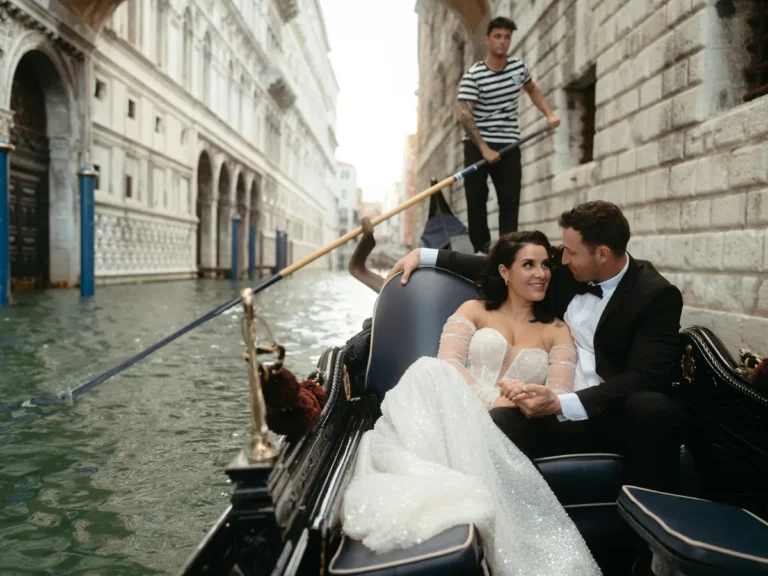





Weddings, universally celebrated as milestones of love and commitment, represent not only profound emotional investments but also substantial financial outlays. From the meticulous selection of venues and caterers to the intricate details of floral arrangements and photography, couples dedicate immense time, energy, and capital to curate their perfect day. However, beneath the veneer of meticulous planning lies an often-underestimated reality: the susceptibility of even the most well-orchestrated events to unforeseen disruptions and financial setbacks. This increasing vulnerability has propelled wedding insurance from a niche consideration to an essential component of comprehensive event planning, offering a critical safeguard against the financial ramifications of unexpected incidents.
The evolving landscape of event planning, marked by a confluence of economic shifts, environmental unpredictability, and complex vendor relationships, has amplified the necessity for robust financial protection. Data from 2024, as reported by Travelers, one of the leading providers of event insurance, vividly illustrates this trend, revealing that a significant portion of paid wedding insurance claims stemmed directly from issues that, while unforeseen, could have devastating financial consequences without proper coverage. This trend underscores a crucial message for couples planning their weddings in 2025 and beyond: while hoping for the best, preparing for the unexpected is not merely prudent, but increasingly indispensable.
The Financial Landscape of Modern Weddings: An Escalating Investment
The average cost of a wedding has steadily climbed, reflecting inflation, heightened consumer expectations, and the premium placed on unique, personalized experiences. In 2024, estimates placed the average wedding cost in the United States upwards of $30,000, with many elaborate celebrations easily exceeding $50,000. This figure encompasses a vast array of services and products, each requiring deposits and contractual agreements often made months, or even years, in advance. Such a substantial investment naturally warrants a corresponding level of protection. Without insurance, any disruption that necessitates cancellation or postponement can result in the forfeiture of tens of thousands of dollars in non-refundable deposits and last-minute expenditures, transforming a joyous occasion into a source of severe financial distress.
This financial exposure is precisely why products like the Wedding Protector Plan® policy, offered through Travelers, have gained prominence. Designed to shield couples from the monetary fallout of a wide spectrum of potential mishaps, these policies act as a financial safety net, ensuring that dream weddings aren’t derailed by unforeseen circumstances, from logistical failures to acts of nature.
Unveiling the Top Wedding Disasters of 2024: A Data-Driven Look
Travelers’ comprehensive analysis of wedding insurance claims from 2024 provides a compelling snapshot of the most prevalent challenges couples faced. This data serves as a critical indicator for future planning, highlighting areas where vigilance and protective measures are most crucial.
1. Vendor Vulnerabilities: The #1 Concern (27% of Claims)
The most frequent cause of wedding insurance claims in 2024, accounting for a staggering 27%, was vendor-related issues. This category encompasses a broad range of problems, from the complete cessation of business operations by a venue or a critical service provider to a vendor failing to show up on the wedding day, or delivering substandard services that deviate significantly from contractual agreements. While contracts are fundamental to establishing expectations and obligations, they are not always foolproof. The reality of the service industry means that businesses can face bankruptcy, sudden closures, or even unscrupulous practices, leaving couples in a precarious position just weeks or days before their event.
- Background Context: The wedding industry is fragmented, comprising numerous small businesses and independent contractors. While many operate with the utmost professionalism, the sheer volume and competitive nature can lead to situations where businesses are overextended, undercapitalized, or simply unable to fulfill their commitments. The rise of "ghosting" – where a vendor ceases communication and fails to deliver services – has become a distressing, albeit rare, phenomenon.
- Implications: When a key vendor, such as a photographer, caterer, or venue, becomes unavailable or defaults on their agreement, couples face immediate logistical and financial challenges. Scrambling to find a replacement at the last minute often means paying premium prices, potentially losing initial deposits, and settling for less-than-ideal alternatives. A Wedding Protector Plan® policy can mitigate this by reimbursing lost deposits and non-refundable expenses, allowing couples to secure replacement services without incurring double the cost.
- Inferred Expert Statement: "While due diligence in vendor selection is paramount, including checking references and reviewing contracts meticulously, the unpredictability of business operations means even the most reputable vendors can face unforeseen challenges," notes an unnamed industry expert specializing in event planning law. "Wedding insurance provides an essential layer of protection that even the strongest contract can’t always guarantee."
2. Health and Well-being: Unexpected Illnesses and Injuries (24% of Claims)
Life’s inherent unpredictability extends to personal health, and in 2024, unexpected illnesses or injuries among key wedding participants constituted 24% of all claims. The emotional gravity of these situations often outweighs the financial, as couples grapple with the possibility of a loved one missing a pivotal moment. The decision to postpone a wedding due to a severe, sudden illness or injury of the bride, groom, a parent, or another vital member of the wedding party is often made out of necessity and compassion.
- Timeline/Chronology: These events often unfold in the critical weeks or days leading up to the wedding, when most final payments have been made and cancellation penalties are at their highest. The sudden hospitalization of a parent, for instance, can render travel impossible or make attending the ceremony medically inadvisable.
- Implications: Postponing a wedding involves significant financial repercussions. Venues, caterers, and other vendors may charge cancellation fees, rebooking fees, or simply retain non-refundable deposits. Travel arrangements for guests, often booked months in advance, might also be impacted, leading to additional stress and cost. Wedding insurance offers coverage for these postponement costs, specifically when they arise from sudden and unexpected illness or injury of designated key participants, providing financial flexibility during a challenging time.
- Inferred Statement: "The emotional toll of a family health crisis before a wedding is immense," observes a grief counselor. "Having the financial burden eased by insurance allows families to focus on recovery and well-being, rather than compounding stress with monetary worries."
3. Battling Mother Nature: Weather’s Unpredictable Impact (22% of Claims)
Climate variability and increasingly severe weather events pose a growing threat to outdoor and destination weddings. In 2024, weather-related disruptions accounted for 22% of claims, forcing numerous couples to cancel or reschedule their meticulously planned events. Hurricanes, blizzards, floods, and even unseasonably severe thunderstorms can render venues inaccessible, compromise outdoor setups, or make travel to the wedding location impossible for a significant number of guests.
- Background Context: As climate patterns shift, extreme weather events are becoming more frequent and intense across various regions. A wedding planned during hurricane season in a coastal area, or during winter in a snowy region, inherently carries a higher risk. However, even historically stable climates can experience unprecedented weather phenomena.
- What Could Happen: Imagine a picturesque outdoor ceremony planned months in advance, only for a sudden, torrential downpour or an unexpected heatwave to make the location unusable. Or consider a destination wedding where an unforeseen blizzard shuts down air travel, preventing guests and even the wedding party from arriving. The financial loss from non-refundable venue deposits, catering contracts, and decor can be substantial.
- Implications: Wedding insurance specifically addresses these natural calamities, providing coverage for non-refundable expenses when a wedding must be canceled or postponed due to severe weather. This allows couples to recover costs and reschedule their event without incurring prohibitive financial penalties.
- Inferred Expert Statement: A meteorologist specializing in climate trends stated, "While forecasting has improved, the intensity and unpredictability of localized weather events are increasing. Event planners, especially for large gatherings like weddings, must incorporate robust contingency plans, and insurance is a vital part of that strategy."
4. Accidental Damages: Protecting Venue Property (15% of Claims)
Weddings are vibrant, celebratory events, and with large gatherings comes an inherent risk of accidental damage. From enthusiastic dancing leading to broken decor to an accidental spill causing damage to venue property, such incidents accounted for 15% of claims in 2024. While seemingly minor, these accidents can result in significant repair or replacement costs, for which the couple may be held financially responsible.

- Example Scenario: During a lively reception, a guest might inadvertently knock over a valuable antique vase or damage a fixture, leading to an unexpected bill from the venue. Or, a minor fire incident caused by a candle or decorative element could result in property damage.
- Implications: Many venues require couples to sign contracts that make them liable for any damage caused by their guests or vendors during the event. Without insurance, these unexpected bills can quickly escalate, adding financial strain long after the celebration has concluded. The Wedding Protector Plan® policy typically includes coverage for certain property damage, shielding couples from these unforeseen liabilities and preventing them from footing the bill for accidents beyond their direct control.
- Official Responses (Inferred): Venue managers often recommend event liability insurance to their clients, underscoring the importance of protecting both the venue’s assets and the couple’s financial well-being. "It’s a common clause in our contracts," explains a representative from a popular wedding venue. "Accidents happen, and having the right insurance ensures a smooth resolution without placing undue financial burden on the newlyweds."
5. Service and Sacrifice: Military Deployments (3% of Claims)
For couples where one or both partners serve in the military, the unique demands of service can intersect with personal life in profound ways. Unexpected military deployments, while a small percentage (3%) of overall claims, represent a deeply personal and often unavoidable reason for postponing a wedding. The timing of these deployments is often beyond the couple’s control, yet they carry the same financial implications as other postponements.
- Background Context: Military personnel are subject to deployment orders that can come with little notice, disrupting carefully laid plans. This is a recognized challenge for military families worldwide.
- Implications: A policy that specifically covers military deployment offers crucial financial protection, allowing couples to reschedule their wedding without suffering significant financial losses, thereby alleviating one burden during an already stressful period. This type of coverage acknowledges and supports the sacrifices made by service members and their families.
6. The ‘Other’ Category: Mitigating Minor Catastrophes (9% of Claims)
The remaining 9% of claims fell into a broad "other" category, encompassing a range of smaller, yet equally impactful, mishaps. These include lost or damaged wedding rings, a missing or damaged wedding dress, transportation issues, or even a caterer serving the incorrect meal that was explicitly detailed in the contract. While these might seem minor in isolation, their cumulative effect can significantly detract from the wedding day experience and incur unexpected costs.
- Examples: A ring bearer misplacing the wedding bands moments before the ceremony, a dress being damaged during transit, or a crucial rental item failing to arrive.
- Implications: These "minor" disasters can necessitate last-minute replacements or repairs, often at inflated costs. The Wedding Protector Plan® provides coverage for lost or damaged wedding attire and accessories, and can address specific contractual failures by vendors, ensuring that these last-minute surprises don’t completely derail the carefully planned day or lead to additional out-of-pocket expenses.
The Mechanics of Protection: How Wedding Insurance Works
A Wedding Protector Plan® policy is designed to be a comprehensive safety net, extending beyond the core ceremony and reception. Crucially, it typically covers the rehearsal, rehearsal dinner, and even a post-wedding brunch, ensuring coverage for the entire event spectrum. One significant feature often highlighted by Travelers is the absence of a deductible for claims covered under the standard policy, meaning couples receive the full benefit of their coverage without an initial out-of-pocket expense.
Beyond the basic coverage for cancellation or postponement, couples also have the option to add liability coverage. This is a critical enhancement, especially in today’s litigious environment. Liability coverage can protect against claims arising from injuries sustained by guests at the event or damage to the venue that the couple is deemed responsible for. This could include medical expenses for a guest who slips and falls, or legal fees if a dispute arises over property damage.
- Brief Analysis of Implications: The "no deductible" feature significantly enhances the value proposition, as it means every dollar of covered loss is reimbursed up to the policy limit. The optional liability coverage addresses a different, but equally significant, type of risk—personal injury and third-party property damage—which can be financially devastating if not properly managed.
Expert Perspectives and Industry Recommendations
Leading wedding planners and financial advisors increasingly advocate for wedding insurance as a standard component of event planning. "In an industry where deposits are often non-refundable and events are planned so far in advance, wedding insurance isn’t a luxury; it’s a necessity," states a prominent wedding planner, who requests anonymity to avoid endorsing specific products. "We recommend it to all our clients as part of our initial consultation. It offers peace of mind that allows couples to focus on the joy of their engagement, rather than constantly worrying about potential pitfalls."
From an insurer’s perspective, the growth in claims in 2024 reflects both increased awareness among couples and the genuine escalation of risks. A Travelers spokesperson, speaking generally about event insurance, noted, "Our data clearly shows that unforeseen events are a real and present danger to wedding plans. We are committed to providing robust solutions that protect the significant emotional and financial investment couples make in their special day."
A Proactive Approach to Wedding Planning
The narrative emerging from 2024’s claims data is clear: the romantic ideal of a perfect, problem-free wedding day must be tempered with a pragmatic approach to risk management. While no couple wishes to dwell on potential disasters, ignoring them can lead to substantial financial and emotional distress should the unexpected occur. For an investment that can be as modest as $160, a Wedding Protector Plan® policy offers an invaluable layer of security, providing peace of mind amidst the complex logistics of wedding planning.
Whether envisioning an intimate backyard gathering or a lavish ballroom affair, the principle remains universal: hope for the best, but plan for the unexpected. Securing wedding insurance is not a pessimistic outlook; rather, it is a proactive, savvy decision that safeguards one of life’s most significant celebrations against the uncertainties of the modern world.
Couples are encouraged to visit ProtectMyWedding.com to learn more about coverage options and obtain a personalized quote, ensuring their journey to "I do" is protected against unforeseen financial bumps in the road.
The information in this post is general in nature. Any description of coverage is necessarily simplified. Whether a particular loss is covered depends on the specific facts and the provisions, exclusions, and limits of the actual policy. Nothing in this post alters the terms or conditions of any of our policies. Please read the policy for a complete description of coverage. Coverage options, limits, discounts, and deductibles are subject to individuals meeting our underwriting criteria and state availability.