
Architectural Foundations of the Message Board Design
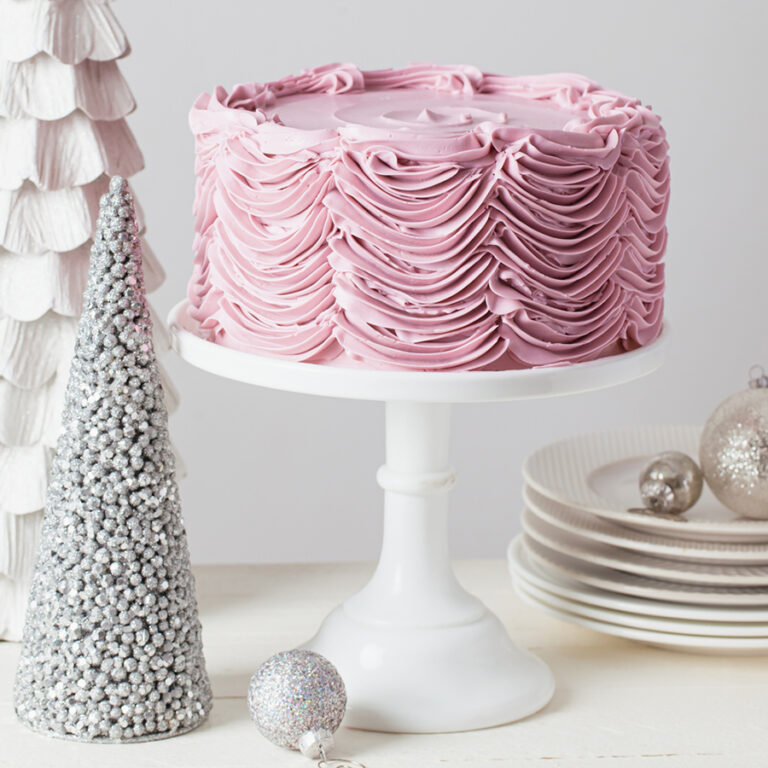
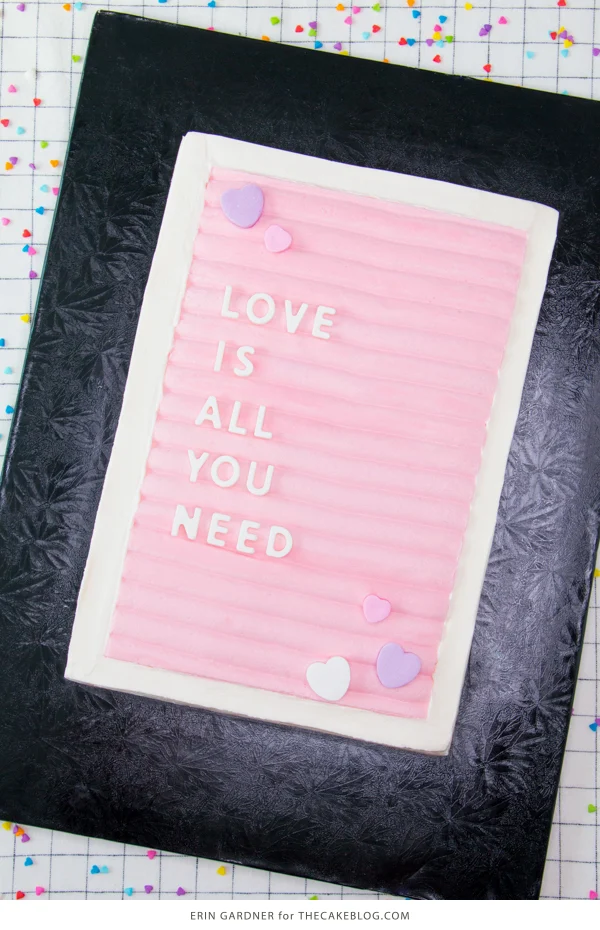
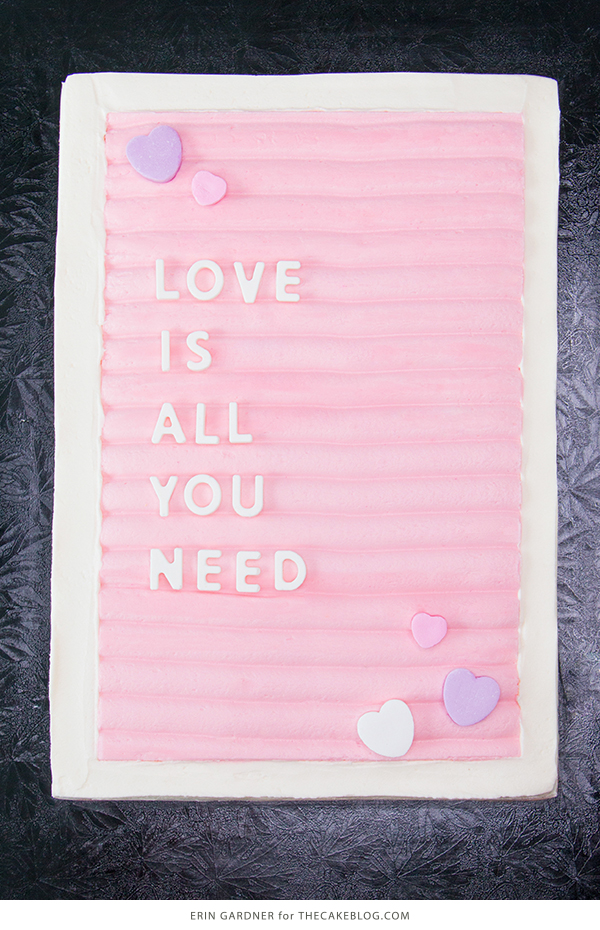
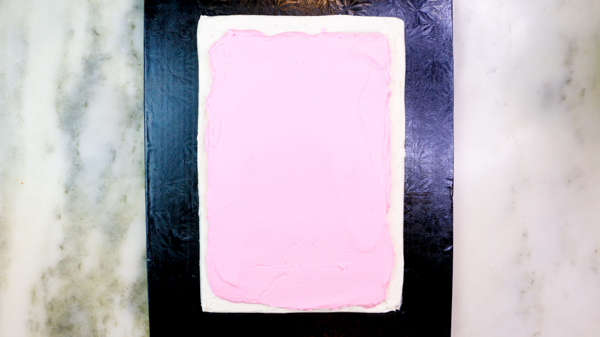
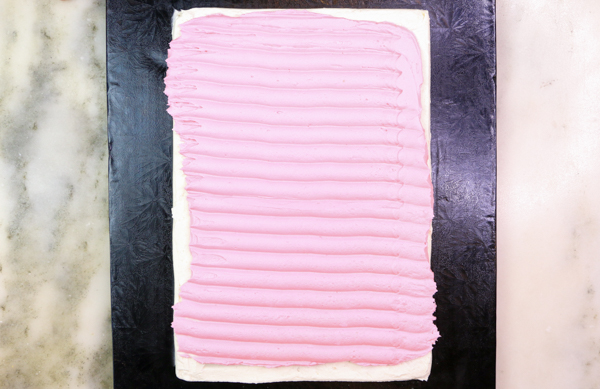
The technical execution of the Message Board Sheet Cake relies on the manipulation of buttercream to simulate industrial textures. According to the methodology established by Gardner, the process begins with the application of a substantial layer of pigmented buttercream—frequently in pastel tones like pink—to a standard sheet cake. This layer serves as the "canvas" for the message board. Unlike traditional frosting techniques that prioritize a perfectly smooth finish, this design requires the intentional creation of uniform horizontal ridges.
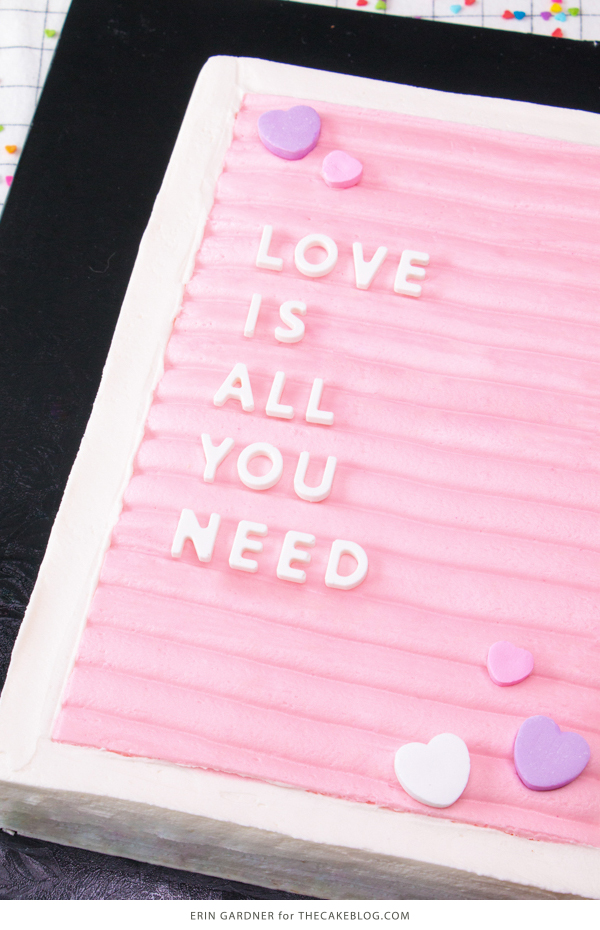
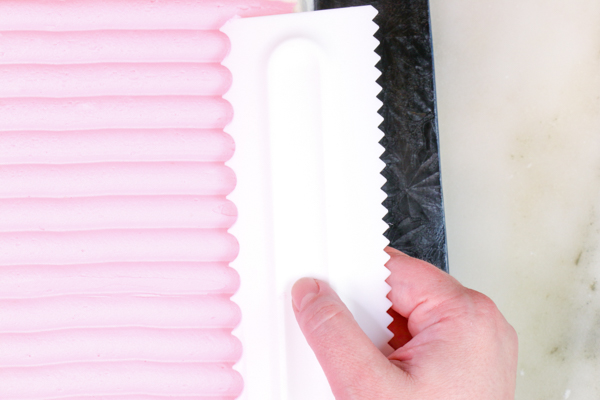
To achieve this, professional bakers employ a scalloped cake comb, a tool typically used for side-striping round cakes. By dragging the comb across the level surface of the buttercream, the baker creates a series of parallel indentations. The precision of these lines is critical to the realism of the final product, as they mimic the felt grooves designed to hold plastic letters in a physical message board. For practitioners without access to specialized combs, the tutorial suggests an alternative "high-volume" method involving the piping of individual lines using a large round tip. While this alternative increases the total volume of buttercream used by approximately 100%, it ensures the design remains accessible to hobbyists and entry-level decorators.
Chronology of the Decorating Process
The production of the Message Board Sheet Cake follows a rigorous timeline designed to ensure structural integrity and visual clarity. The process is divided into three distinct phases: texturing, framing, and typographic assembly.
Phase I: Structural Preparation and Texturing
Following the initial application and combing of the buttercream, the cake must undergo a mandatory chilling period. This stage is vital for stabilizing the ridges; if the buttercream remains at room temperature, it lacks the necessary firmness to withstand the subsequent framing process. The chilling duration varies based on the specific fat content of the buttercream used, but the objective is to reach a "firm-to-the-touch" state.
Phase II: Framing and Geometric Alignment
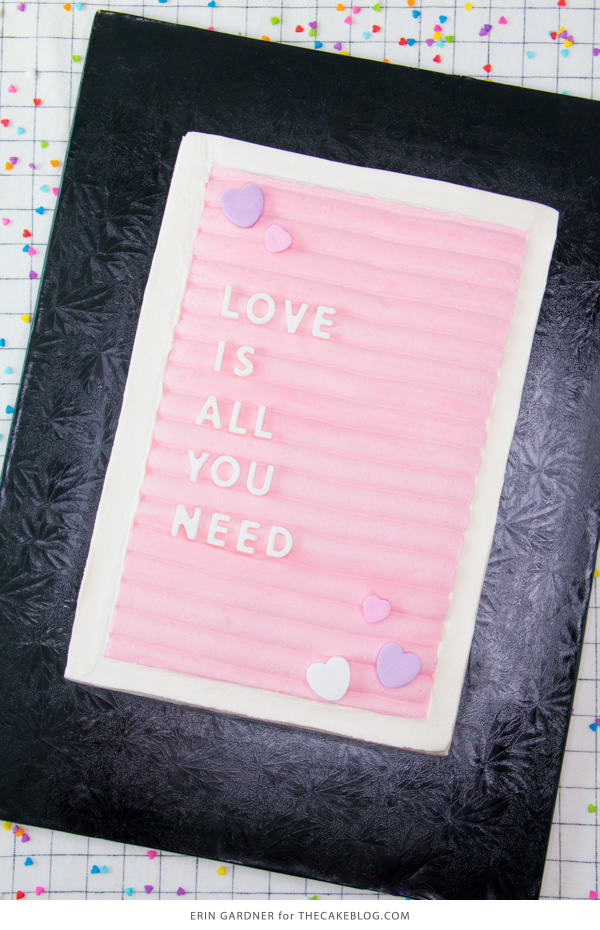
Once the base is stabilized, the baker creates a border that simulates the frame of a physical board. This involves using a bench scraper—dipped in warm water to ensure a clean cut—to remove a one-inch border of the textured frosting from the perimeter of the cake. This "negative space" is then filled with a contrasting, untextured buttercream using a basketweave piping tip. This dual-textured approach creates a visual depth that distinguishes the "board" from its "frame."
Phase III: Typographic Fabrication and Placement
The final phase involves the creation of chocolate letters. Utilizing white chocolate or candy melts, the letters are cast in molds to ensure uniform sans-serif typography. For decorators lacking molds, Gardner advocates for a "trace-and-pipe" method using parchment paper and a printed template. The placement of the letters follows a "center-out" logic—a standard practice in graphic design—to ensure proper kerning and alignment within the horizontal ridges of the cake.
Market Trends and Industry Context
The emergence of the Message Board Sheet Cake occurs within a specific economic and social context. Industry data indicates a significant resurgence in the popularity of sheet cakes, which were previously marginalized in favor of multi-tiered round cakes or complex 3D "sculpted" cakes. Market analysts attribute this shift to the "democratization of luxury" within the baking sector. Sheet cakes provide a larger surface area for complex designs while remaining more cost-effective for the consumer and easier to transport for the baker.
Furthermore, the rise of "DIY" (Do-It-Yourself) culture has fueled a demand for tutorials that offer "many paths to the destination," a philosophy explicitly cited in Gardner’s work. The ability to achieve professional results with or without specialized tools like scalloped combs or letter molds appeals to a broad demographic, ranging from professional pastry chefs to home-based entrepreneurs operating under "cottage food" laws.
Professional Responses and Community Impact
The baking community has responded positively to Gardner’s tutorial, noting its adaptability across various social milestones. While the initial presentation was framed within the context of Valentine’s Day—utilizing pink palettes and heart-shaped accents—the fundamental technique is being adapted for a wide range of events.
"The versatility of the message board design lies in its ability to be both nostalgic and modern," noted one industry commentator. "It taps into the aesthetic of 1950s office signage while allowing for the ‘snarky’ or minimalist messaging favored by Gen Z and Millennial consumers."
Social media metrics from platforms like Instagram and Pinterest suggest that text-based cakes currently outperform traditional floral designs in terms of engagement. The "Message Board" style, in particular, allows users to integrate popular memes, inside jokes, or milestone announcements (such as gender reveals or graduation dates) directly into the edible centerpiece of an event.
Technical Analysis of Medium and Material
A critical factor in the success of the Message Board Sheet Cake is the choice of medium. The tutorial specifies the use of buttercream for the board and chocolate for the letters. This selection is based on the disparate melting points and setting times of the two materials.
- Buttercream Stability: The use of a crusting buttercream or a high-butterfat Swiss Meringue is essential for maintaining the sharp edges of the scalloped ridges.
- Chocolate Typography: White chocolate provides the necessary rigidity for the letters. Unlike fondant, which can sag or absorb moisture from the buttercream, tempered chocolate or compound coatings maintain their shape, allowing them to be "pressed" into the ridges without deforming.
- Temperature Control: The tutorial emphasizes the use of heat (warm water on a bench scraper) and cold (refrigeration) as active tools in the sculpting process. This highlights the move toward "architectural" baking, where temperature is managed as precisely as the ingredients themselves.
Broader Implications for the DIY Culinary Sector
The Message Board Sheet Cake represents a broader trend of "functional art" in the culinary world. By transforming a cake into a literal communication tool, the boundary between home decor and food service continues to blur. This evolution is supported by the increasing availability of professional-grade tools to the general public. Ten years ago, a scalloped cake comb was a specialty item found only in professional kitchens; today, such tools are widely available through mass-market retailers.
Gardner’s contribution to this field is significant because it prioritizes the "how-to" logic over the "what-to." By providing multiple methods for each step, the tutorial lowers the barrier to entry for high-end cake design. This approach aligns with the current educational shift in the culinary arts, which favors modular techniques that can be repurposed for various aesthetic outcomes.
As the industry moves forward, it is expected that the "message board" aesthetic will continue to evolve, perhaps incorporating darker "chalkboard" palettes or metallic "marquee" variations. However, the core principles established in this tutorial—geometric texturing, typographic molding, and center-out alignment—will likely remain the standard for this specific genre of confectionery design. In conclusion, the Message Board Sheet Cake is more than a seasonal trend; it is a refined application of graphic design principles to the medium of pastry, providing a clear, structured, and accessible path for modern bakers to express complex sentiments through a traditional format.