
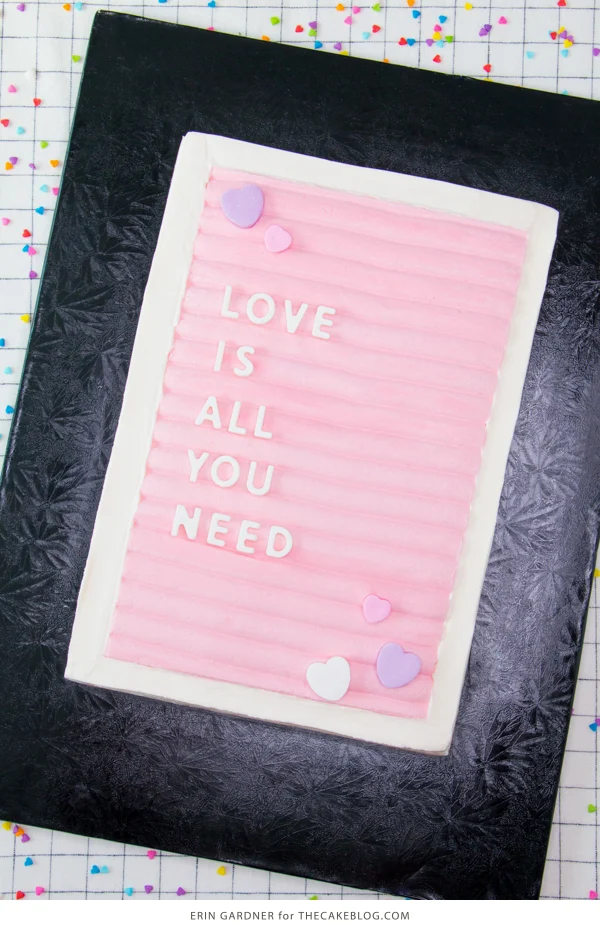
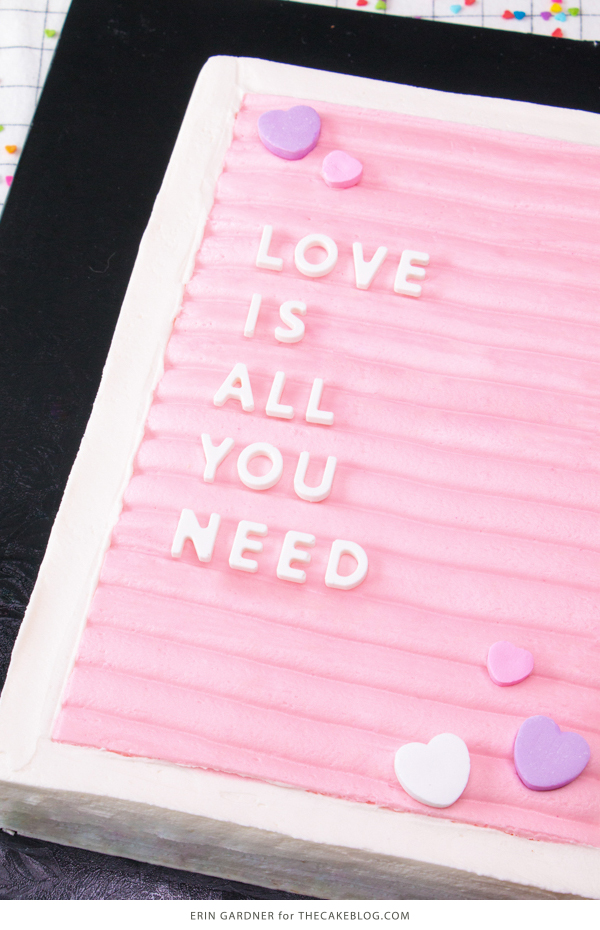
The Message Board Sheet Cake has emerged as a significant trend in the contemporary baking industry, blending the nostalgic aesthetic of mid-century felt letter boards with modern confectionery techniques. Developed and popularized by pastry expert and frequent contributor Erin Gardner for The Cake Blog, this specific design methodology offers a versatile platform for personalized communication through the medium of cake. The technique focuses on two primary structural components: a textured buttercream surface that mimics the grooves of a traditional message board and custom-made chocolate lettering that provides the "alphabetic" hardware for the edible display. By utilizing accessible tools such as scalloped cake combs and silicone molds, the design bridges the gap between professional-grade pastry art and home-based baking, reflecting a broader shift in the culinary world toward highly customizable and "Instagrammable" desserts.
Technical Methodology and Design Execution
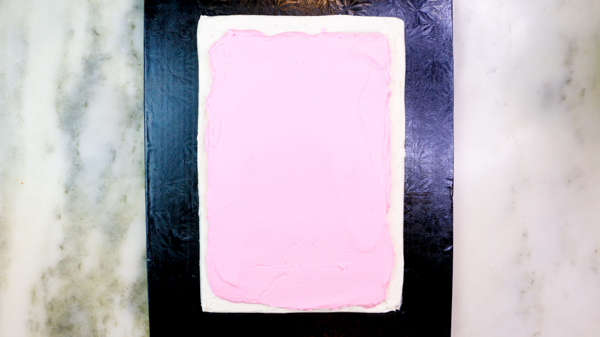
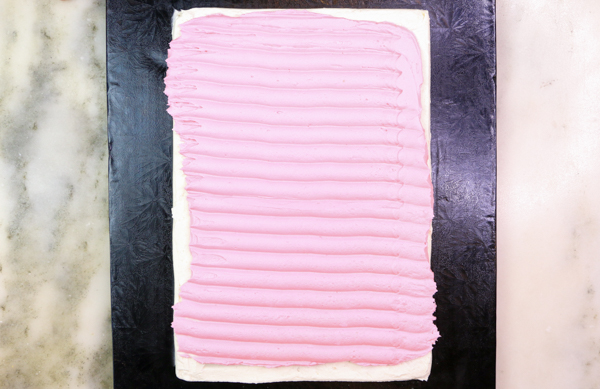
The construction of a Message Board Sheet Cake requires a strategic approach to texture and temperature management. According to the technical framework established by Gardner, the process begins with a standard sheet cake base, which provides the expansive, flat surface area necessary for long-form text. The "board" effect is achieved through the application of a dense layer of buttercream. Precision is paramount at this stage; the frosting must be leveled to ensure that the subsequent grooves are uniform in depth.
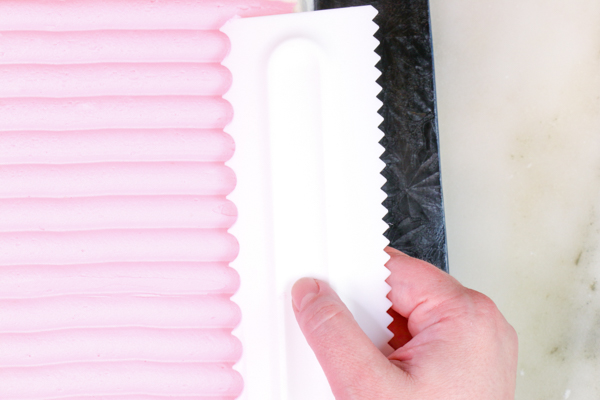
To create the signature ridges, a scalloped cake comb is dragged across the surface. This tool, traditionally used for side-striping round cakes, is repurposed here to create parallel horizontal lines. For bakers lacking specialized equipment, an alternative method involves piping individual lines of buttercream using a large round tip, though this increases the volume of frosting required by approximately 100 percent. Following the texturing, the cake is chilled until the buttercream reaches a firm state. This thermal stabilization is critical, as it allows for the clean removal of excess frosting when creating the "frame" or border of the board. A heated bench scraper is utilized to cut a precise one-inch border around the perimeter, which is then filled with a contrasting color of buttercream using a basketweave piping tip to simulate a physical frame.
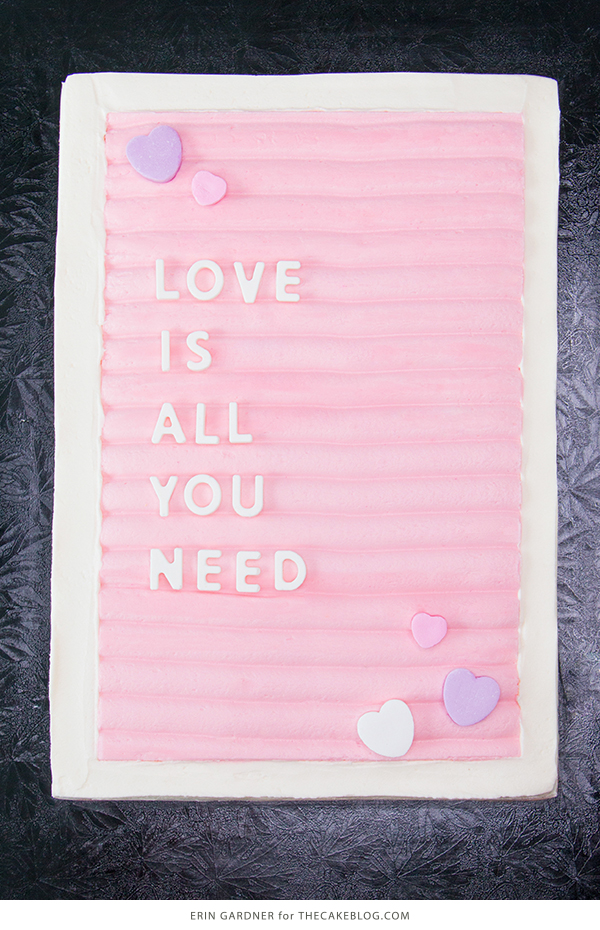
The secondary phase of construction involves the production of the alphanumeric characters. Gardner outlines two primary paths: the use of silicone letter molds for a standardized, professional look, or a freehand piping technique on parchment paper for those without specialized hardware. When using molds, white chocolate or candy melts are tempered and poured into the cavities. Agitation of the mold is necessary to eliminate air pockets, ensuring structural integrity once the chocolate has solidified. This dual-pathway approach ensures that the design remains accessible to a wide demographic of skill levels and equipment availability.
Historical Context and the Rise of "Word-Based" Confections
The Message Board Sheet Cake sits at the intersection of several historical culinary and decor movements. The sheet cake itself has long been a staple of American celebratory culture, gaining prominence in the post-World War II era as a practical solution for feeding large groups at school functions, office parties, and community gatherings. Historically valued for its utility rather than its artistry, the sheet cake has undergone a revitalization in the 21st century as bakers apply high-level decorative techniques to its rectangular canvas.
Simultaneously, the physical felt letter board—originally a utilitarian tool for menus and office directories in the mid-20th century—experienced a massive resurgence in home decor starting around 2010. Its transition into the culinary space represents a "meta-trend" where non-edible design icons are reimagined in sugar. This phenomenon is supported by the growth of the "Cottage Food" industry, where small-scale bakers leverage social media platforms to showcase designs that communicate specific sentiments, ranging from Valentine’s Day declarations to gender reveals and milestone birthdays.
Market Data and Consumer Trends in the Baking Sector
The popularity of tutorials like the Message Board Sheet Cake is reflected in broader economic data within the global baking supplies market. Industry reports indicate that the global cake decorating supplies market was valued at approximately $3.8 billion in 2023, with a projected compound annual growth rate (CAGR) of over 5% through 2030. This growth is driven largely by the "DIY" segment of the market.
Key data points influencing this trend include:
- Social Media Influence: Visual platforms like Pinterest and Instagram have seen a 40% year-over-year increase in "customizable cake" searches, with "retro" and "vintage" styles leading the category.
- Tool Accessibility: The availability of specialized tools, such as the scalloped combs used in Gardner’s tutorial, has increased in the mass retail sector, with sales of silicone pastry molds seeing a significant uptick as consumers move away from pre-made supermarket cakes.
- Holiday Spending: During the Valentine’s Day period, confectionery spending in the United States alone exceeds $2 billion annually. The Message Board Sheet Cake specifically targets this market by offering a "sentiment-first" design that serves as both a gift and a communication tool.
Professional Responses and Industry Analysis
Professional pastry chefs and industry analysts have noted that the Message Board Sheet Cake represents a shift toward "functional art" in the kitchen. "The brilliance of this design lies in its modularity," says one industry analyst. "By providing a template where the message can be swapped without changing the underlying structural technique, it offers a high ROI for professional bakers who need to produce custom orders quickly."
Furthermore, the emphasis on temperature control—chilling the cake to ensure clean lines—highlights a growing sophisticated understanding of food science among hobbyist bakers. The use of white chocolate for lettering rather than fondant or traditional icing also reflects a consumer preference for flavor-neutral or higher-quality ingredients that maintain their shape in various climates.
Broader Impact on the Baking Community
The dissemination of Gardner’s tutorial through The Cake Blog exemplifies the democratization of professional baking techniques. By offering "many paths to the destination," the tutorial removes the barrier of entry for beginners while still providing enough technical depth to satisfy advanced decorators. This inclusivity has a direct impact on the "Prosumer" market—individuals who occupy the space between professional chefs and casual consumers.
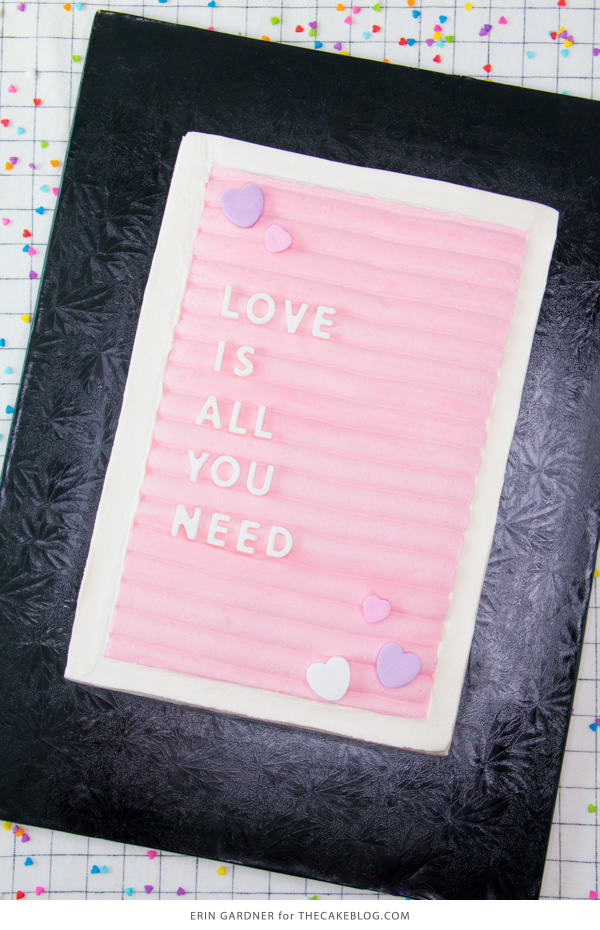
The design’s adaptability is also a key factor in its widespread adoption. While the initial tutorial focuses on a pink-hued Valentine’s Day theme, the underlying logic can be applied to any color palette or occasion. This "template-based" decorating style allows for a standardized workflow in commercial bakeries, where efficiency is as important as aesthetics.
Chronology of the Decorating Process
To understand the logistical requirements of the Message Board Sheet Cake, it is helpful to view the process through a chronological lens:
- Preparation Phase: Baking and cooling the base sheet cake. This stage is foundational, as a warm cake will cause the buttercream to lose its structural integrity.
- Texturing Phase (Minutes 0–20): Application of the thick buttercream layer and the execution of the scalloped comb technique.
- Stabilization Phase (Minutes 20–60): Chilling the cake in a refrigeration unit. This is the most time-consuming but vital step for ensuring the "message board" lines remain crisp.
- Framing Phase (Minutes 60–80): Cutting the border with a heated tool and piping the basketweave frame.
- Lettering Phase (Concurrent): Melting chocolate and filling molds or piping freehand letters. This can be done while the cake is chilling to maximize efficiency.
- Assembly Phase (Final 15 minutes): Un-molding the letters and arranging them on the cake. Gardner recommends starting from the center of the message and working outward to ensure proper spacing and alignment with the ridges.
Conclusion and Future Implications
The Message Board Sheet Cake is more than a seasonal novelty; it is a testament to the evolving nature of edible communication. As the baking industry continues to integrate home decor trends and industrial design elements, we can expect to see further innovations in how text and texture are utilized in confectionery. The success of Gardner’s tutorial indicates a clear consumer desire for desserts that are not only high in quality but also deeply personal and visually distinctive.
As digital communication becomes increasingly ephemeral, the tactile and temporary nature of a "cake message" offers a unique form of expression that resonates across generations. Whether used for a simple "Happy Birthday" or a complex romantic gesture, the Message Board Sheet Cake stands as a landmark in the modern era of decorative baking, proving that the medium is indeed the message.