

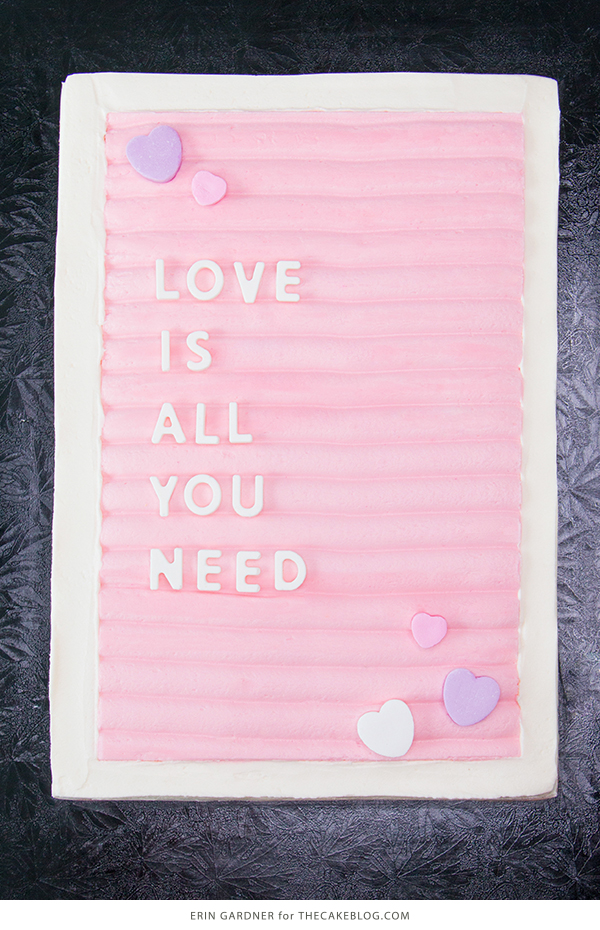
The integration of minimalist home decor aesthetics into the culinary arts has reached a new milestone with the introduction of the Message Board Sheet Cake, a design concept developed by pastry contributor Erin Gardner for The Cake Blog. This design translates the tactile, mid-century modern appeal of the felt letter board into an edible format, utilizing traditional buttercream techniques and molded chocolate typography. As personalization continues to dominate the confectionery market, this tutorial provides a scalable framework for both amateur and professional bakers to deliver highly customized, text-based messaging through the medium of a standard sheet cake.
The Evolution of Typographic Confectionery
The rise of the "message board" cake aesthetic follows a broader cultural trend toward functional home decor influencing food styling. For the past decade, felt letter boards have served as a staple of interior design, used for sharing inspirational quotes, announcing milestones, or documenting domestic life on social media platforms. By migrating this visual language to a cake, Gardner addresses a growing consumer demand for "Instagrammable" desserts that prioritize clean lines and legible, customizable content.
Historically, sheet cakes have been viewed as the utilitarian workhorse of the baking world—efficient for feeding large crowds at graduations, office parties, and community events, but often lacking the sophisticated architectural appeal of tiered cakes. The Message Board Sheet Cake challenges this perception by applying precise geometric textures and structured borders to the flat surface of the sheet cake, effectively transforming it into a canvas for graphic design.
Technical Methodology and Chronology of Construction
The construction of the Message Board Sheet Cake is a multi-stage process that prioritizes structural integrity and visual precision. The methodology outlined by Gardner emphasizes the importance of temperature control and tool selection in achieving the desired "ridged" effect of a traditional letter board.
Phase One: Foundation and Texture Application
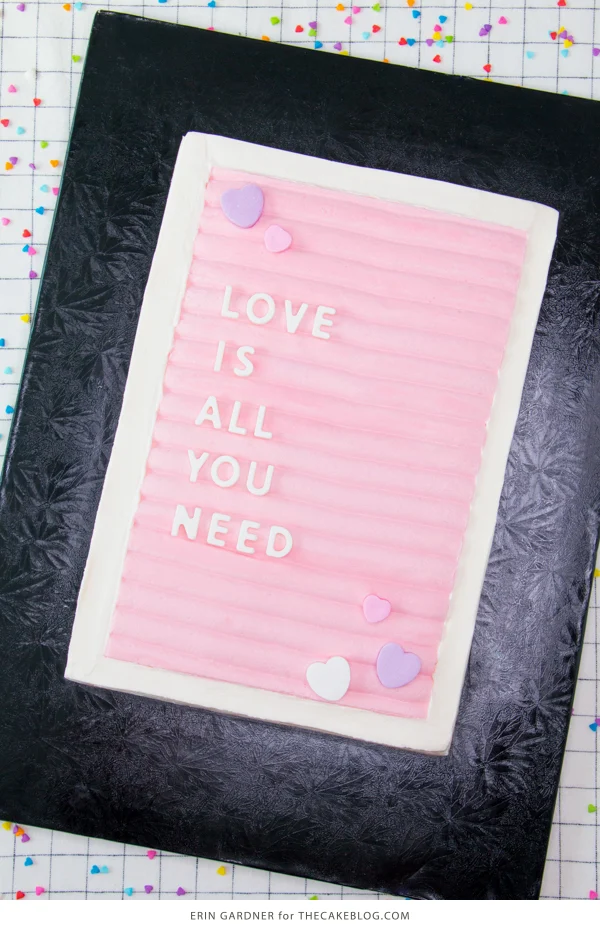
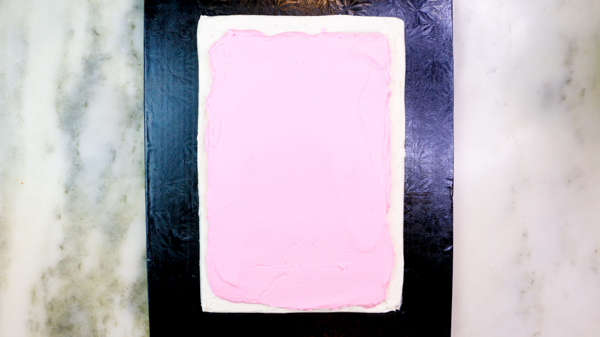
The process begins with the application of a thick, level layer of buttercream—ideally tinted in a soft hue such as pastel pink to provide contrast for the lettering. Unlike traditional frosting techniques that prioritize a perfectly smooth finish, this design requires the intentional creation of uniform horizontal ridges.
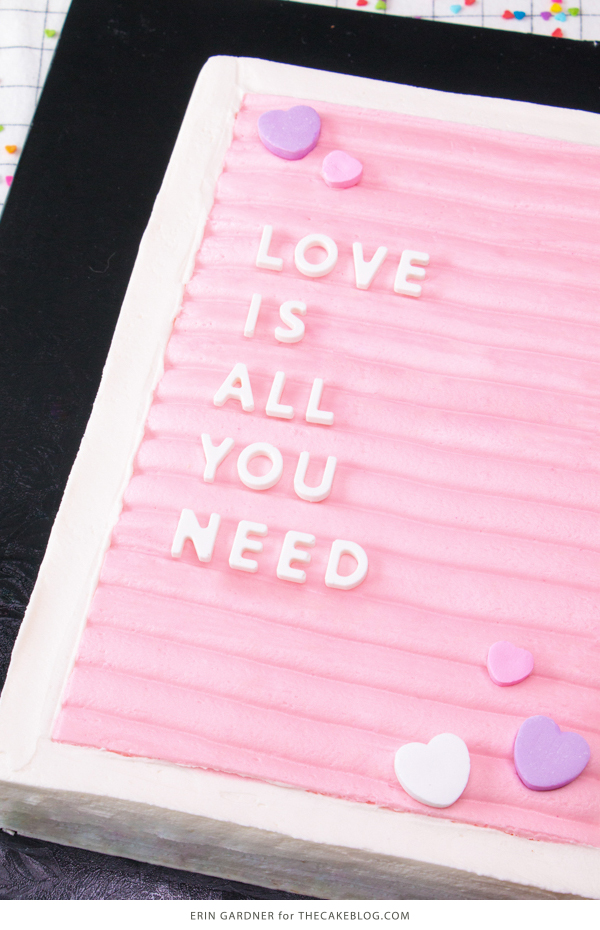
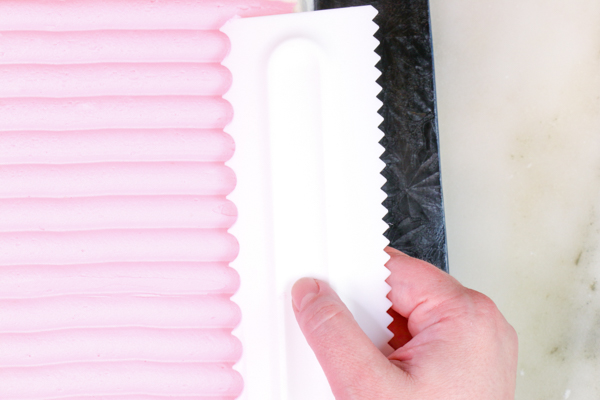
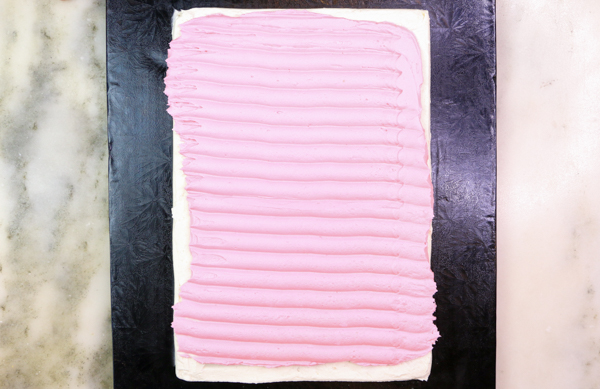
To achieve this, Gardner utilizes a scalloped cake comb. The tool is dragged across the surface of the buttercream, creating a series of parallel troughs. For those lacking specialized equipment, the tutorial offers an alternative method involving the piping of individual lines using a large round tip, though it is noted that this increases buttercream consumption by approximately 100%. Following the application of texture, the cake must be chilled until the frosting is firm to the touch, a critical step that prevents the distortion of the ridges during the subsequent bordering process.
Phase Two: Border Architecture and Cleanup
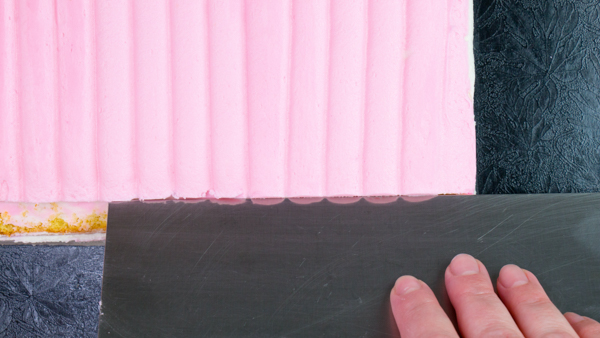
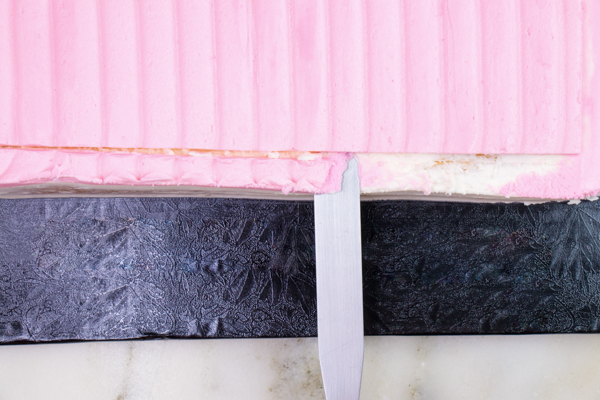
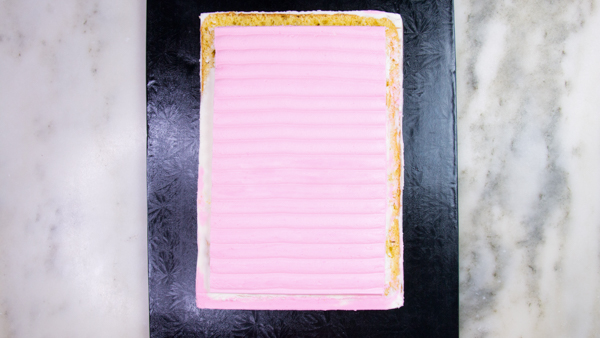
Once the base layer is set, a bench scraper is used to define the boundaries of the "board." By dipping the tool in warm water, the baker can execute clean, sharp cuts approximately one inch from the cake’s edge. The excess frosting is then removed, leaving a recessed central area.
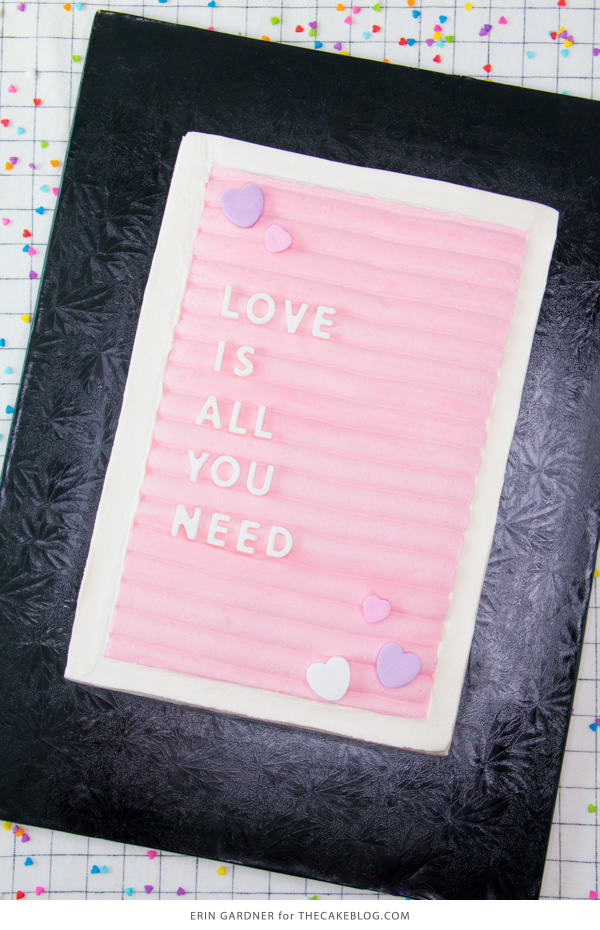
To frame the message board, a basketweave piping tip is employed to create a flat, structural border. This mimics the wooden or plastic frame of a physical letter board. The smooth side of the tip is oriented upward to ensure a clean finish, and any minor imperfections are smoothed with a small icing spatula.
Phase Three: Typographic Fabrication
The "letters" of the cake are crafted from melted white chocolate or compound coating. The use of chocolate over fondant or additional buttercream provides a structural rigidity that allows the letters to sit atop the ridges without sinking or deforming.
Gardner suggests the use of silicone letter molds for a professional, uniform appearance. The melted chocolate is piped into the molds, which are then agitated to release trapped air bubbles. For bakers without access to molds, the tutorial suggests a "trace-and-pipe" method: placing parchment paper over a printed template and piping the chocolate directly onto the paper. Once the chocolate has solidified—either at room temperature or through refrigeration—the letters are ready for placement.
Data-Driven Insights into the Baking Industry
The popularity of tutorials like the Message Board Sheet Cake is supported by significant growth in the global cake decorating market. According to recent industry reports, the global cake decorating supplies market was valued at approximately $850 million in 2022 and is projected to expand at a compound annual growth rate (CAGR) of 5.2% through 2030.
This growth is driven by several factors:
- The "Prosumer" Movement: A surge in home bakers investing in professional-grade tools like cake combs, bench scrapers, and silicone molds.
- Personalization Trends: Market research indicates that 70% of consumers are willing to pay a premium for personalized food products, particularly for celebrations such as Valentine’s Day, gender reveals, and milestone birthdays.
- Visual Social Media: Platforms like Pinterest and Instagram have shifted the focus of baking from flavor-first to aesthetic-first, creating a high demand for "clean" and "modern" designs over traditional floral piping.
Community Response and Professional Analysis
While official statements from the broader culinary industry are rarely issued for individual tutorials, the reception within digital baking communities has been overwhelmingly positive. Professional pastry chefs note that the "message board" design is particularly effective because it solves a common problem in cake decorating: handwriting.
"Lettering is often the most stressful part of a cake for a decorator," says an inferred analysis of modern decorating trends. "By using chocolate molds to create individual, moveable letters, Gardner has removed the ‘one-shot’ pressure of piping directly onto a finished cake. It allows for error correction and perfect alignment, which is essential for the minimalist aesthetic."
The versatility of the design is also cited as a primary strength. By altering the color palette—using black buttercream with white letters for a classic look, or neon colors for a contemporary vibe—the design can be adapted for any demographic. This adaptability makes it a valuable asset for commercial bakeries looking to streamline their custom order processes.
Broader Impact and Future Implications
The Message Board Sheet Cake represents a shift toward "modular" cake design. As the industry moves forward, we can expect to see further innovations that prioritize assembly-style decorating over freehand artistry. This approach not only makes high-end design more accessible to the general public but also increases the efficiency of professional kitchens.
Furthermore, the emphasis on using chocolate for typography highlights a move toward multi-textural desserts. Combining the soft, creamy texture of buttercream with the snap of tempered chocolate provides a more complex sensory experience for the consumer.
In the context of the 2024 baking landscape, Gardner’s contribution serves as a benchmark for how traditional techniques can be reimagined for a modern audience. By deconstructing the elements of a common household object and rebuilding them with sugar and fat, the Message Board Sheet Cake bridges the gap between domestic life and professional confectionery art.
As Valentine’s Day and spring wedding seasons approach, the influence of this "clean-label" typographic style is expected to appear across retail bakeries and social media feeds alike. The design’s ability to "get something off your chest"—as Gardner describes it—ensures its relevance in an era where the cake is not just a dessert, but a medium for communication.
Conclusion and Final Execution
The final stage of the Message Board Sheet Cake involves the strategic placement of the message. To ensure proper spacing, Gardner recommends laying out the message on a separate piece of parchment paper first. When transferring to the cake, the decorator should work from the center outward, utilizing the ridges as a natural grid for alignment.
The addition of small heart-shaped candies or themed sprinkles serves to soften the geometric rigidity of the board, providing a festive finish. The result is a sophisticated, highly legible, and deeply personal confection that stands as a testament to the current state of modern baking: where design, accessibility, and personal expression intersect on a 9×13-inch canvas.