




Lab-grown diamonds, a testament to human ingenuity and technological advancement, are rapidly redefining the landscape of the jewelry industry. These gems, possessing identical chemical, physical, and optical properties to their mined counterparts, are synthesized in controlled laboratory environments, challenging traditional notions of rarity and value. This exploration delves into their creation, certification, market dynamics, and the practical considerations for consumers navigating this evolving sector.
The Genesis of Lab-Grown Diamonds: Mimicking Nature’s Artistry

The creation of lab-grown diamonds is a sophisticated process that meticulously replicates the conditions under which natural diamonds form deep within the Earth’s mantle, albeit at an accelerated pace. Two primary methods dominate the production of these synthetic gems: High Pressure High Temperature (HPHT) and Chemical Vapor Deposition (CVD).
The HPHT method directly mimics the natural diamond formation process. It involves placing a small diamond seed crystal into a growth cell containing a metal catalyst and a carbon source. This cell is then subjected to immense pressures, typically ranging from 5 to 6 gigapascals (approximately 50,000 to 60,000 times atmospheric pressure), and extreme temperatures between 1,300 and 1,600 degrees Celsius. Under these conditions, the carbon material dissolves in the molten metal and crystallizes around the seed, gradually forming a larger diamond over a period of several days to weeks. This process often results in diamonds with unique crystalline structures, such as cuboctahedra, and may require post-growth treatments to achieve desired color grades.
In contrast, the CVD process employs a gas-phase synthesis approach. A diamond seed slice is placed within a vacuum chamber, which is then filled with a mixture of carbon-rich gases, primarily methane and hydrogen. This gas mixture is exposed to microwave energy, creating a plasma. The high energy breaks down the molecular bonds in the gases, allowing pure carbon atoms to deposit onto the seed, layer by layer, forming a diamond crystal. This method typically operates at lower temperatures, around 800 degrees Celsius, and takes a few weeks to complete. CVD is particularly adept at producing high-clarity diamonds with minimal impurities and offers greater flexibility in creating larger or specially shaped gems.
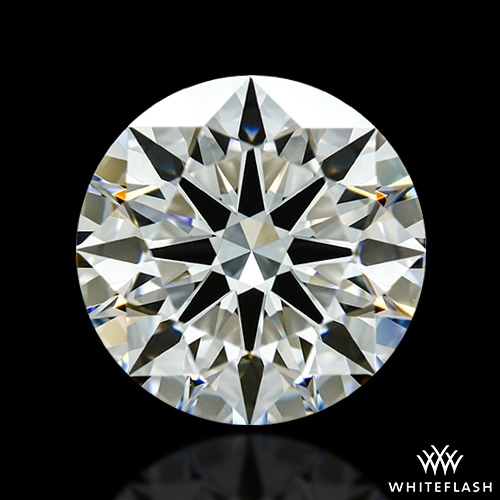
Both HPHT and CVD methods result in diamonds that are chemically and physically indistinguishable from natural diamonds. They exhibit the same exceptional hardness, rated a perfect 10 on the Mohs scale, and possess the same brilliant sparkle and fire. The distinction lies solely in their origin: one is a product of geological eons, the other, a marvel of modern scientific achievement.
Certification and Quality Assurance: Ensuring Transparency and Trust
In the burgeoning market for lab-grown diamonds, rigorous certification by reputable gemological laboratories is paramount to ensuring consumer confidence and transparency. Leading institutions such as the Gemological Institute of America (GIA) and the International Gemological Institute (IGI) apply the same stringent grading standards used for natural diamonds to their laboratory-grown counterparts.

These certifications are based on the universally recognized 4Cs: cut, color, clarity, and carat weight. Each report meticulously details the diamond’s specific characteristics, providing buyers with objective data to assess quality and value. For instance, a GIA report for a lab-grown diamond will outline its cut grade, color grading (from D to Z), clarity grade (from Flawless to Included), and carat weight. Crucially, these reports also clearly state the diamond’s origin as "laboratory-grown" and may specify the growth method (HPHT or CVD), as well as any post-growth treatments applied.
IGI, which pioneered certification for lab-grown diamonds as early as 2005, remains a prominent player, offering detailed reports that are highly valued by both manufacturers and consumers. GIA, while initially focusing on natural diamonds, began issuing reports for laboratory-grown diamonds in the mid-2010s, adapting its reporting standards to encompass these new gems. The inclusion of laser inscriptions on the diamond’s girdle, often featuring a unique report number and the designation "Laboratory-Grown," further enhances traceability and verification, allowing consumers to cross-reference their diamond’s details with the official report online.
This robust certification process is vital for several reasons. It empowers consumers to make informed purchasing decisions by providing verifiable information, thereby mitigating the risk of misrepresentation. It also fosters a more transparent marketplace, where the quality and origin of a diamond are clearly defined, allowing for fair comparison between different stones and retailers. For consumers seeking to understand the nuances of diamond grading and certification, resources like the PriceScope diamond and jewelry forum offer extensive educational materials and community discussions.

Market Dynamics and Value Proposition: A Shifting Paradigm of Affordability
The advent of lab-grown diamonds has significantly altered the economic landscape of diamond acquisition. Due to more efficient production processes and the absence of the extensive mining and supply chain costs associated with natural diamonds, lab-grown alternatives are generally priced at 30-60% less than comparable natural diamonds. This cost differential allows consumers to acquire larger carat weights, higher color grades, or superior clarity for the same budget.
This affordability has fueled a rapid expansion of the lab-grown diamond market. Reports from industry analysts project substantial growth, with Fortune Business Insights anticipating a compound annual growth rate (CAGR) of 13.42% for the global lab-grown diamond market in the coming years. Precedence Research estimates the market value to surge from $29.73 billion in 2025 to $97.85 billion by 2034, reflecting a CAGR of 14.15%. In the United States, lab-grown diamonds are increasingly capturing market share, particularly in the engagement ring segment. A 2025 survey indicated that 52% of engaged couples opted for lab-grown diamonds for their engagement rings, a significant increase from 2019. Furthermore, consumer awareness is high, with 84% of respondents in a Rapaport poll aware of lab-grown options and 74% open to using them for engagements.

While lab-grown diamonds offer exceptional immediate value for their beauty and brilliance, their resale value typically lags behind that of natural diamonds. This is largely attributed to the consistent production and availability of lab-grown stones, which do not carry the same rarity premium that influences the resale market for mined diamonds. Therefore, consumers are generally advised to view lab-grown diamonds as acquisitions for personal enjoyment and sentiment rather than as financial investments intended for appreciation.
The Consumer’s Choice: Practical Considerations for Ring Shopping
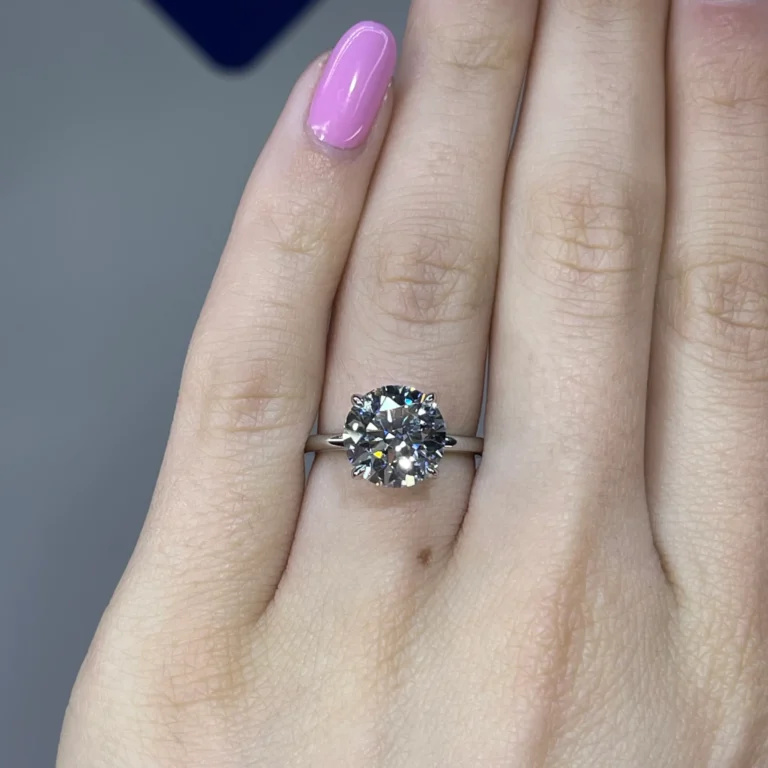
When selecting a lab-grown diamond ring, prioritizing tangible attributes that directly impact visual appeal and daily wear is crucial. The cut quality stands out as the most significant factor influencing a diamond’s brilliance, fire, and scintillation. A well-cut diamond maximizes the return of light, resulting in a dazzling display of sparkle. While color and clarity are important, consumers can often find excellent value by opting for near-colorless grades (G-J) and eye-clean clarity grades (VS1-VS2), where imperfections are not visible without magnification.

Budgeting for lab-grown diamonds allows for greater flexibility. The cost savings can be channeled into acquiring a larger stone, a higher color grade, or a more intricate ring setting. Reputable retailers like Whiteflash, James Allen, and Blue Nile provide extensive selections, often featuring high-resolution imagery and detailed descriptions, enabling consumers to make informed comparisons.
The choice of ring design and contour also plays a vital role in the overall aesthetic and wearability. Classic round brilliant cuts are popular for their exceptional light performance, while elongated shapes like ovals and marquises can create an illusion of greater size and length. The setting, whether a timeless solitaire, an elegant pave band, or a more intricate custom design, should complement the diamond and suit the wearer’s lifestyle.
Documentation and certification are indispensable. Always insist on a grading report from a recognized laboratory for diamonds above 0.5 carats. This report serves as an unbiased assessment of the diamond’s quality and origin, safeguarding against potential misrepresentations. The presence of a laser inscription on the girdle of the diamond, linking it to its certification, further reinforces authenticity.

Joining the Conversation: The Power of Community and Informed Decisions
Navigating the complexities of the diamond market, whether natural or lab-grown, can be significantly enhanced by tapping into the collective experience of a knowledgeable community. Platforms like PriceScope, the largest independent diamond and jewelry forum, offer an invaluable resource for consumers. With over 100,000 members and more than 200,000 discussion threads spanning two decades, PriceScope provides a space for real buyers to share their experiences, compare prices, and offer advice without commercial pressure.
Through PriceScope’s searchable database, consumers can compare certified lab-grown diamonds from trusted vendors, filter by specific criteria, and view actual market prices. Tools like the Holloway Cut Advisor (HCA) assist in evaluating a diamond’s light performance, ensuring that purchasing decisions are based on objective metrics rather than marketing hype. This access to shared knowledge and transparent data empowers consumers to make confident, informed choices that align with their personal preferences and budgetary considerations.
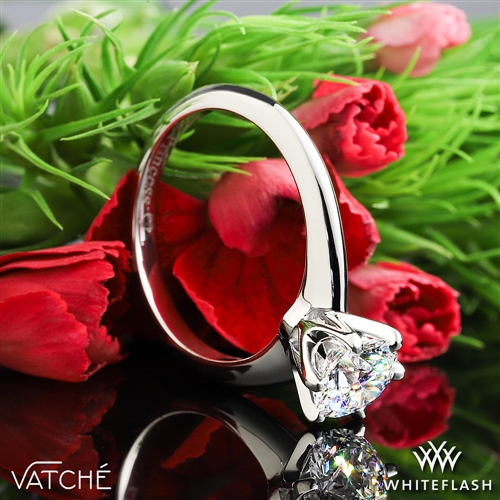
In conclusion, lab-grown diamonds represent a significant evolution in the gem industry, offering consumers a compelling blend of beauty, quality, and affordability. By understanding their creation, the importance of certification, and the practical factors influencing their value, buyers can confidently select these modern marvels to celebrate life’s most cherished moments. The continued growth and acceptance of lab-grown diamonds signal a dynamic future for the jewelry market, where innovation and consumer choice are at the forefront.