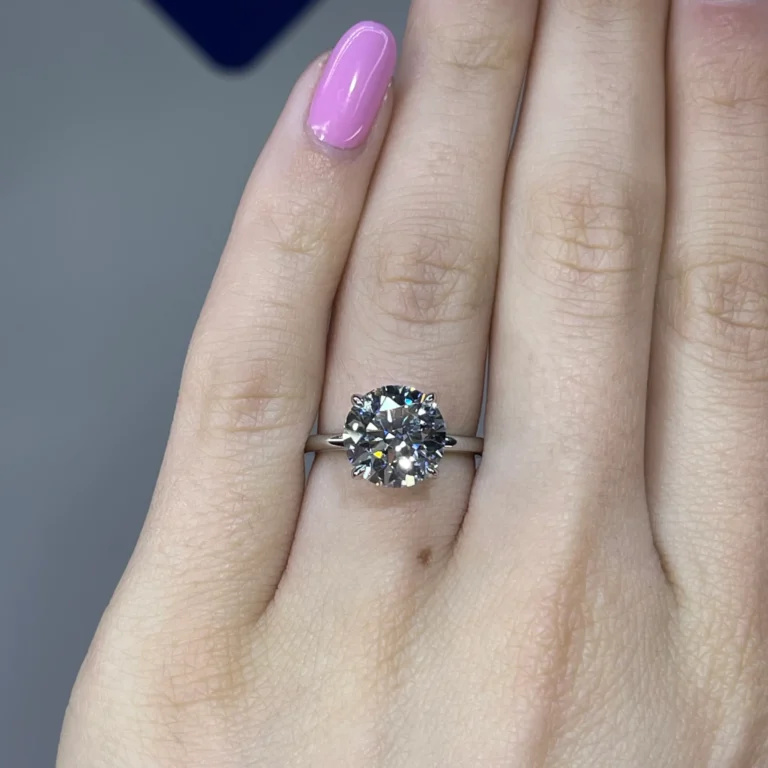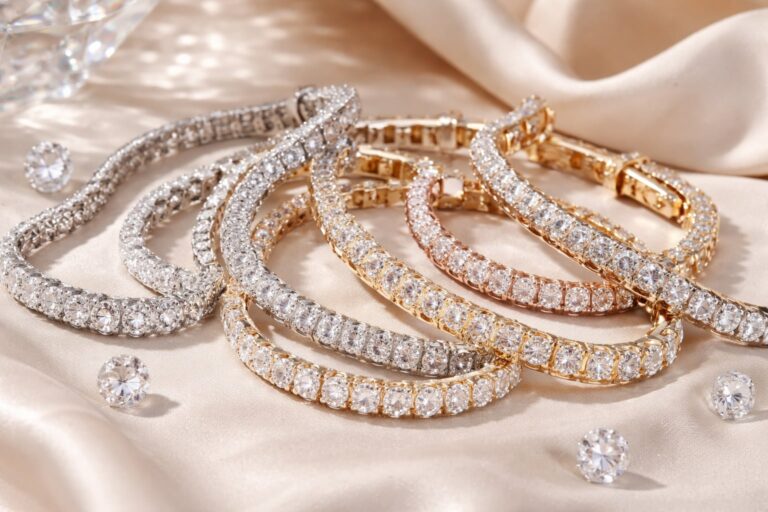





Lab-grown diamonds represent a significant advancement in gemology, offering consumers a chemically and optically identical alternative to natural diamonds. These stones, meticulously crafted in controlled laboratory environments, are challenging traditional perceptions of rarity and value within the jewelry industry. As consumer awareness and acceptance grow, understanding the science, certification processes, and market dynamics of lab-grown diamonds becomes increasingly crucial for informed purchasing decisions.
The Genesis of Lab-Grown Diamonds: Mimicking Earth’s Power
At their core, lab-grown diamonds are pure carbon, precisely arranged in a cubic crystalline structure, identical to their naturally occurring counterparts. This fundamental composition imbues them with the same exceptional hardness, brilliant refractive index, and enduring visual allure that have captivated humanity for centuries. The creation process, while technologically advanced, aims to replicate the extreme conditions under which natural diamonds form deep within the Earth, albeit on a significantly accelerated timeline. This acceleration allows for greater control over quality and customization, appealing to a modern consumer base that values innovation and precision.

The journey of a lab-grown diamond begins with a tiny seed crystal, a minuscule fragment of diamond. This seed serves as the foundation upon which new carbon atoms are deposited, layer by layer, until a larger, gem-quality diamond is formed. Two primary methods dominate this creation process: High Pressure High Temperature (HPHT) and Chemical Vapor Deposition (CVD).
High Pressure High Temperature (HPHT)
The HPHT method is a direct simulation of the natural diamond formation environment. It involves placing a diamond seed in a growth cell filled with a metal catalyst (often a flux material like iron, nickel, or cobalt) and a carbon source (such as graphite). This cell is then subjected to immense pressures, typically ranging from 5 to 6 gigapascals (approximately 50,000 to 60,000 times atmospheric pressure), and extreme temperatures between 1,300 and 1,600 degrees Celsius. Under these conditions, the carbon source dissolves into the molten metal catalyst and then crystallizes onto the diamond seed, gradually growing the diamond. This process, which can take several days to weeks, often results in diamonds with distinctive crystal shapes, such as cuboctahedra, and may sometimes produce rough diamonds that require further treatment to achieve optimal color.
Chemical Vapor Deposition (CVD)
In contrast, the CVD process employs a gas-phase reaction. A small diamond seed is placed within a vacuum chamber, which is then filled with carbon-rich gases, primarily methane (CH4), and hydrogen (H2). These gases are then energized, often using microwaves, to form a plasma. Within this plasma, the hydrocarbon molecules break down, releasing carbon atoms. These free carbon atoms then deposit onto the diamond seed, building up the diamond crystal vertically, atom by atom, in a controlled, layer-by-layer fashion. The CVD process typically operates at lower temperatures, around 800 degrees Celsius, and can take a few weeks to produce diamonds. This method is particularly effective for creating high-clarity diamonds with minimal impurities and offers significant flexibility for producing larger or specially shaped gemstones.
Post-Growth Processing: From Rough to Radiant
Regardless of the growth method, the resulting rough lab-grown diamonds undergo a rigorous post-growth processing phase. This involves expert cutting and polishing to transform the raw material into precisely faceted gemstones that maximize brilliance, fire, and scintillation. Skilled artisans meticulously shape the diamonds, carefully inspecting and planning each cut to enhance optical performance while minimizing material loss. Following the cutting and polishing, each diamond is thoroughly cleaned and subjected to a final inspection to identify any imperfections.

The Crucial Role of Certification: Ensuring Transparency and Trust
In an evolving market, independent certification plays a pivotal role in establishing trust and transparency for consumers. Reputable gemological laboratories, such as the Gemological Institute of America (GIA) and the International Gemological Institute (IGI), rigorously evaluate lab-grown diamonds using the same standardized criteria applied to natural diamonds: the 4Cs – Cut, Color, Clarity, and Carat Weight.
These certifications provide consumers with reliable, unbiased information about a diamond’s quality and origin. For lab-grown diamonds, certification reports are particularly important as they also specify the production method (HPHT or CVD) and detail any post-growth treatments used to enhance color or clarity. This disclosure ensures full transparency, allowing buyers to understand precisely how their diamond was created and what treatments it may have undergone.

The GIA began issuing reports for laboratory-grown diamonds in the mid-2010s, evolving its reporting standards over time. IGI, on the other hand, pioneered this service even earlier, offering certifications for lab-grown diamonds as far back as 2005. Both institutions employ advanced testing and analysis to verify a diamond’s characteristics and origin, providing consumers with confidence in their purchase. Laser inscriptions on the girdle of many certified diamonds bear a unique report number, often accompanied by the explicit label "Laboratory-Grown," which can be verified through online databases maintained by these labs. This practice acts as a safeguard against misrepresentation and ensures accountability within the industry.
Market Dynamics and Consumer Acceptance: A Paradigm Shift
The emergence and rapid growth of the lab-grown diamond market signify a substantial shift in consumer preferences and purchasing behavior. Data from market research firms indicates a robust expansion, with projections for continued significant growth. Fortune Business Insights, for example, reported that the global lab-grown diamond market has experienced substantial growth and anticipates continued expansion, with an annual growth rate of 13.42%. This trend is further evidenced by consumer surveys, such as a 2025 survey indicating that 52% of engaged couples chose lab-grown diamonds for their rings, a notable increase from previous years. Similarly, Rapaport’s findings suggest high consumer awareness and openness to using lab-grown options for engagements.

This growing acceptance is largely driven by several key factors:
- Value Proposition: Lab-grown diamonds offer a compelling value proposition, often costing 30-60% less than natural diamonds of comparable quality. This allows consumers to acquire larger carat weights, superior cuts, or better color and clarity grades within their budget.
- Ethical and Environmental Considerations: For some consumers, lab-grown diamonds align with ethical concerns regarding mining practices and environmental impact, offering a perceived more sustainable choice.
- Technological Advancement: The increasing sophistication of production methods ensures that lab-grown diamonds are indistinguishable from natural diamonds to the naked eye and in standard gemological testing.
However, the market also presents unique considerations, particularly regarding resale value. Lab-grown diamonds generally have a lower resale value compared to natural diamonds, reflecting their greater availability and the ongoing advancements in production efficiency. Therefore, consumers are often advised to view lab-grown diamonds as personal treasures valued for their beauty and sentiment rather than as speculative investments.

The Buyer’s Perspective: Navigating Choices and Considerations
When selecting a lab-grown diamond ring, consumers are encouraged to focus on tangible attributes that directly impact the diamond’s visual appeal and longevity.
The 4Cs: A Universal Framework
The fundamental principles of the 4Cs remain paramount:

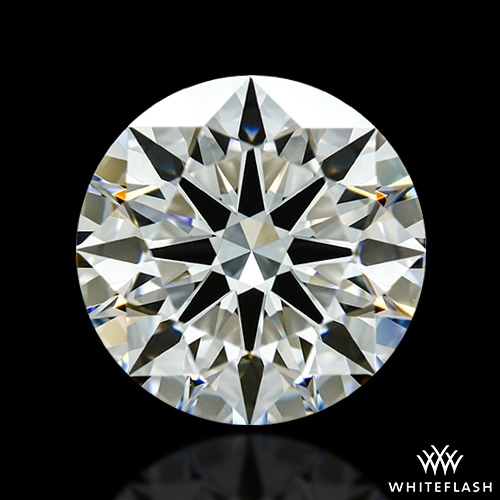
- Cut: This is arguably the most critical factor influencing a diamond’s brilliance, fire, and scintillation. An expertly cut diamond maximizes the return of light, creating a dazzling display. Consumers should prioritize diamonds with excellent or ideal cut grades, irrespective of their origin.
- Color: While diamonds are graded on a color scale from D (colorless) to Z (light yellow or brown), nearly colorless diamonds (grades G-J) often represent an excellent balance of visual appeal and value.
- Clarity: This refers to the presence of internal inclusions and external blemishes. Diamonds with minor or eye-invisible flaws (VS or SI clarity grades) can offer significant savings without a noticeable compromise in appearance for most consumers.
- Carat Weight: This measures the diamond’s size. The significant cost savings associated with lab-grown diamonds often allow buyers to opt for larger carat weights than they might otherwise consider.
Practical Considerations Beyond the 4Cs
Beyond the 4Cs, several practical aspects warrant attention:
- Certification: Always insist on a certification report from a reputable laboratory (GIA, IGI). This document is your guarantee of the diamond’s stated characteristics and origin.
- Retailer Reputation: Choosing a reputable seller is crucial. Look for retailers with strong return policies, customer service, and transparent pricing. Established online vendors like Whiteflash, James Allen, and Blue Nile, along with brick-and-mortar jewelers, offer a wide selection and reliable service.
- Design and Setting: The ring’s design and the setting of the diamond play a significant role in the overall aesthetic and durability. Consider the contour of the diamond (round, oval, princess, etc.) and the metal type and style of the setting to complement the gem and suit daily wear.
- Budgeting: Understanding the price differential between lab-grown and natural diamonds is key. This allows for strategic allocation of funds to prioritize aspects like cut quality or carat size.
The Evolving Landscape and Future Outlook
The lab-grown diamond market is characterized by continuous innovation and increasing consumer acceptance. As technology advances and production scales, the cost-effectiveness and accessibility of these gems are likely to continue improving. The market is projected for substantial growth, with reports estimating its value to reach tens of billions of dollars in the coming decade, driven by sustained consumer demand and broader retail adoption.
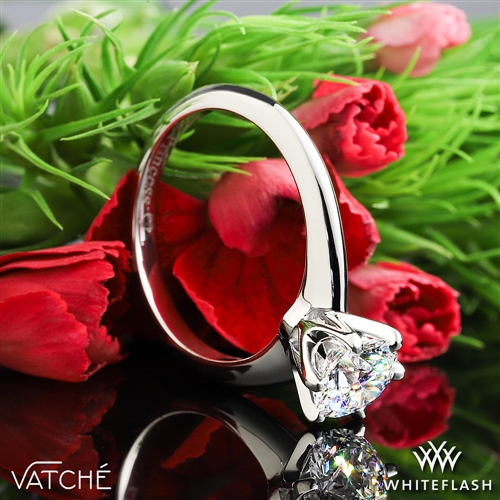
For consumers, this evolution offers unprecedented opportunities to acquire beautiful, high-quality diamonds that align with modern values and financial considerations. By understanding the creation processes, the importance of certification, and the market dynamics, individuals can confidently navigate this burgeoning segment of the jewelry industry. Platforms like PriceScope, with its extensive forum and educational resources, serve as invaluable tools for consumers seeking to make informed decisions within this dynamic and exciting market. The journey of the lab-grown diamond from a scientific marvel to a mainstream luxury item is a testament to human ingenuity and the evolving definition of value in the world of fine jewelry.