



Lab-grown diamonds, once a niche scientific curiosity, have rapidly evolved into a significant segment of the global jewelry market, challenging traditional notions of luxury and value. These gems, created through human ingenuity in controlled laboratory environments, possess the same physical, chemical, and optical properties as their naturally occurring counterparts. This article delves into the intricacies of lab-grown diamond production, the rigorous certification processes that ensure their authenticity and quality, and the broader implications for consumers and the industry.
The genesis of lab-grown diamonds lies in humanity’s ability to replicate the extreme conditions under which natural diamonds form deep within the Earth. This technological advancement offers consumers a compelling alternative, providing the inherent beauty and durability of diamond without the geological rarity or ethical considerations sometimes associated with mined stones. As discussions around responsible sourcing and consumer choice intensify, lab-grown diamonds are increasingly recognized for their intrinsic value and appeal.

The Science Behind the Sparkle: How Lab-Grown Diamonds Are Made
The creation of lab-grown diamonds hinges on two primary technological processes: High Pressure High Temperature (HPHT) and Chemical Vapor Deposition (CVD). Both methods meticulously reconstruct the atomic structure of diamond, a crystalline form of pure carbon, resulting in gems that are chemically and physically identical to those unearthed from the earth.
The HPHT method is the more established technique, directly mimicking the natural diamond formation process. It involves placing a small diamond seed crystal into a metal catalyst (often a mixture of nickel, cobalt, or iron) within a specialized chamber. This chamber is subjected to immense pressures, typically ranging from 5 to 6 gigapascals (approximately 50,000 to 60,000 times atmospheric pressure), and extreme temperatures between 1,300 and 1,600 degrees Celsius. Under these conditions, the carbon source dissolves into the molten metal and then crystallizes onto the diamond seed, layer by layer, over a period of several days to weeks. The resulting crystals often exhibit unique shapes, such as cuboctahedra, and may require post-growth treatments to refine their color.
In contrast, the CVD process offers a more modern approach to diamond synthesis. This method involves placing a thin diamond seed slice in a vacuum chamber. A mixture of carbon-rich gases, primarily methane and hydrogen, is introduced into the chamber and then excited into a plasma state using microwaves. At temperatures around 800 degrees Celsius, the molecular bonds of the gases break down, releasing pure carbon atoms. These carbon atoms then deposit onto the diamond seed, growing the crystal vertically in a meticulously controlled environment. CVD is particularly adept at producing high-clarity diamonds with fewer internal imperfections and allows for greater flexibility in creating larger or specially shaped gems. This process typically takes several weeks to complete.
Differentiating the Methods: HPHT vs. CVD
While both HPHT and CVD yield authentic diamonds, their distinct methodologies can influence the resulting gem’s characteristics. HPHT-grown diamonds may sometimes contain metallic inclusions from the catalyst used in the process, which can affect their appearance but can also be leveraged to enhance color. Conversely, CVD allows for precise control over crystal growth, often leading to high-clarity diamonds. However, post-growth treatments are frequently necessary for CVD diamonds to achieve desirable near-colorless grades. The choice between HPHT and CVD often depends on the desired final product, with HPHT closely emulating natural growth patterns and offering robustness, while CVD excels in efficiency and scalability for mass production. Crucially, both methods result in diamonds that are indistinguishable from natural diamonds in standard gemological tests.
Post-Growth Processing: From Rough Crystal to Finished Gem
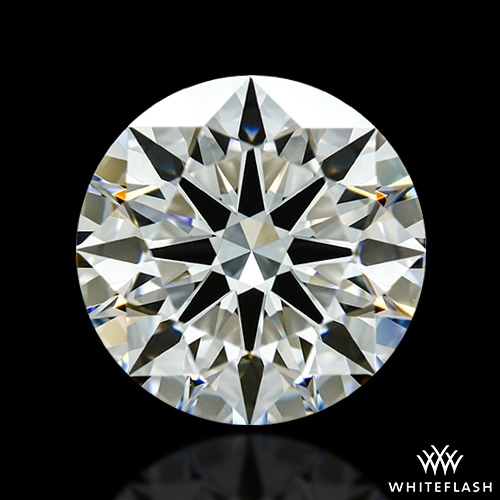
Once rough lab-grown diamonds are produced through either HPHT or CVD, they undergo a series of expert processing steps mirroring those applied to natural diamonds. This includes precise cutting and polishing to enhance their brilliance, fire, and scintillation. Skilled artisans utilize advanced tools to shape the rough crystals into facets that maximize light performance, carefully balancing beauty with material yield.
Following the cutting and polishing stages, the diamonds are meticulously cleaned and inspected for any remaining imperfections. They are then submitted to reputable gemological laboratories for grading. This crucial step involves evaluating the diamond based on the universally recognized 4Cs: cut, color, clarity, and carat weight. This standardized grading process ensures consistency, transparency, and builds consumer confidence in the quality and value of the lab-grown diamond.

The Seal of Authenticity: Certification of Lab-Grown Diamonds
A cornerstone of the lab-grown diamond market is the availability of professional certification from leading gemological institutions. This ensures that consumers receive clear, reliable information regarding the quality and origin of their purchase. The certification process for lab-grown diamonds is akin to that for natural diamonds, providing a framework for objective assessment and fostering trust.
Prominent organizations such as the Gemological Institute of America (GIA) and the International Gemological Institute (IGI) issue reports for laboratory-grown diamonds. These institutions apply rigorous grading standards, often identical to those used for natural diamonds, to assess key attributes. The GIA began issuing reports for laboratory-grown diamonds in the mid-2010s, adapting its reporting standards over time, while IGI has been a pioneer in this area since 2005 and remains a leading choice for many in the industry due to its expertise and volume of reports issued. Both labs employ advanced testing methodologies to verify a diamond’s origin and confirm its quality, offering consumers peace of mind.
Decoding Certification Reports: What Buyers Should Know
Certification reports for lab-grown diamonds provide a detailed account of the gem’s characteristics, including its production method (HPHT or CVD) and any post-growth treatments applied to enhance its color or other properties. This transparency is vital for consumers to understand the complete story of their diamond.

The reports explicitly state that the diamond is lab-grown, distinguishing it from natural diamonds and preventing potential confusion. Often, a unique report number is laser-inscribed on the diamond’s girdle, along with the designation "Laboratory-Grown." This inscription allows for easy verification through online tools provided by grading laboratories, such as GIA’s Report Check system.
The evaluation process for lab-grown diamonds adheres to the established 4Cs framework:
- Cut: This refers to the diamond’s proportions, symmetry, and polish, which directly influence its brilliance, fire, and scintillation. An excellent cut maximizes the return of light, creating a captivating sparkle.
- Color: Diamonds are graded on a scale from D (colorless) to Z (light yellow or brown). Nearly colorless diamonds (grades D-F) are generally considered to offer the best value, exhibiting exceptional brilliance without visible color tints.
- Clarity: This assesses the presence of internal inclusions and external blemishes. Grades range from Flawless (no imperfections visible under 10x magnification) to Included (inclusions are obvious and affect transparency). For most buyers, diamonds with clarity grades where imperfections are small and difficult to detect without magnification (such as VS1-VS2 or even SI1) offer an excellent balance of beauty and affordability.
- Carat Weight: This is the unit of measurement for a diamond’s mass, with one carat equivalent to 0.2 grams. Larger carat weights generally command higher prices, but the interplay of the other 3Cs is crucial for overall value and beauty.
While IGI often provides detailed 4Cs grading for lab-grown diamonds, GIA’s approach has evolved, focusing on quality measures within its evaluations. Regardless of the specific grading laboratory, the objective is to provide consumers with the data necessary to make informed purchasing decisions.

The Market Landscape: Value, Resale, and Consumer Trends
Lab-grown diamonds present a distinct value proposition compared to their natural counterparts. They typically cost 30-60% less than natural diamonds of comparable quality. This significant cost difference allows consumers to acquire larger carat weights, higher clarity grades, or more exceptional cuts within their budget, particularly for engagement rings and other fine jewelry where aesthetic appeal is paramount. While they may not appreciate in value as investments in the same way that rare natural diamonds can, their immediate value for personal adornment is substantial.
Consumer adoption of lab-grown diamonds has surged in recent years. Market research indicates a robust growth trajectory, with the global lab-grown diamond market projected to expand significantly. Reports from Fortune Business Insights forecast continued expansion, driven by increasing consumer awareness and wider retail adoption. A 2025 survey indicated that a substantial majority of engaged couples are opting for lab-grown diamonds for their engagement rings, a marked increase from previous years. This trend underscores a growing consumer preference for diamonds that offer both beauty and perceived value.
However, the resale market for lab-grown diamonds generally reflects their production volume and cost structure. They typically resell for less than natural diamonds, often significantly below their original retail prices. This reality suggests that consumers should view lab-grown diamonds primarily as items of personal adornment and sentiment rather than as speculative investments. Their emotional and aesthetic value, however, remains undiminished, making them ideal for commemorating special occasions and creating cherished heirlooms.

Making Informed Choices: What to Consider When Ring Shopping
When embarking on the journey of selecting a lab-grown diamond ring, a strategic approach focusing on tangible attributes and verifiable information is essential. Prioritizing cut quality is paramount, as it dictates the diamond’s brilliance and sparkle. While size (carat weight) is a significant factor, it should be balanced with color and clarity grades that offer visual appeal without unnecessary expenditure. Understanding that nearly colorless diamonds often represent the best value is a key insight for budget-conscious shoppers.
The significance of independent certification cannot be overstated. A report from a reputable laboratory like GIA or IGI serves as a guarantee of the diamond’s specifications and origin. It verifies claims made by the seller and provides a reliable basis for comparison across different retailers. Consumers should always request and review these reports, paying close attention to the grading of the 4Cs and any disclosed treatments.
The choice of a reliable seller is equally critical. Reputable online retailers and brick-and-mortar stores offer a wide selection of certified lab-grown diamonds, often accompanied by detailed imagery and transparent pricing. Key indicators of a trustworthy seller include strong return policies, warranties, positive customer reviews, and a commitment to ethical business practices. Well-established vendors such as Whiteflash, James Allen, and Blue Nile are recognized for their quality offerings and customer service in the lab-grown diamond space.

Customization and Design: Personalizing Your Diamond Ring
The ability to customize a lab-grown diamond ring adds a deeply personal dimension to the purchase. Options for unique settings, inscriptions, or the inclusion of accent stones allow buyers to create a piece that is not only beautiful but also imbued with personal meaning and narrative. This level of personalization elevates the ring from a mere piece of jewelry to a treasured symbol of commitment, love, or celebration.
The design and contour of the ring itself play a significant role in the overall aesthetic and wearability. The shape of the diamond (round, oval, princess, etc.) influences its light performance and perceived size, while the metal setting and style (solitaire, pave, halo) complement the diamond and suit the wearer’s individual taste and lifestyle. Careful consideration of both the diamond’s attributes and the ring’s design ensures a harmonious and enduring piece of jewelry.
Navigating the Market: Price, Value, and Comparison Tools
Budgeting for a lab-grown diamond ring allows for greater flexibility, enabling consumers to prioritize features that matter most to them. The cost savings compared to natural diamonds can be redirected towards a larger stone, a superior cut for enhanced brilliance, or more intricate ring designs. To ensure optimal value, buyers should research current market prices and be wary of overpaying. Comparing diamonds across different retailers can be challenging due to variations in descriptions and marketing terminology.
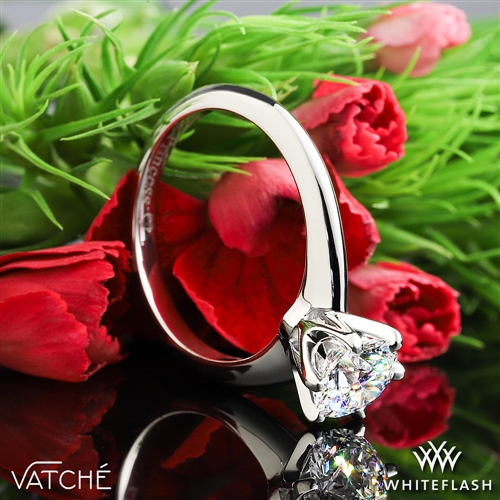
Platforms like PriceScope offer valuable comparison tools, consolidating certified lab-grown diamonds from trusted vendors into a searchable database. This allows users to filter diamonds by specific criteria, view certificates side-by-side, and compare documented grades and features objectively. Such resources empower consumers to make data-driven decisions, moving beyond sales pitches to a clear understanding of a diamond’s true merit and market value.
The Power of Community: Joining the Largest Diamond and Jewelry Forum
For those seeking comprehensive insights and peer-to-peer advice, engaging with established diamond and jewelry communities can be invaluable. PriceScope, for instance, hosts one of the largest independent diamond communities, bringing together tens of thousands of members who share their experiences, compare prices, and offer advice without sales pressure. These forums provide access to a wealth of real-world knowledge, helping buyers navigate the complexities of the market and make informed choices.
By exploring discussion threads and utilizing search tools, consumers can compare certified diamonds from trusted vendors, view real market prices, and gain a deeper understanding of what truly constitutes value. Tools like the Holloway Cut Advisor can assist in evaluating a diamond’s light performance, ensuring a focus on tangible beauty rather than marketing hype. This collective wisdom fosters transparency and empowers consumers to make confident decisions based on shared experiences and verifiable data.

In conclusion, lab-grown diamonds represent a significant evolution in the gem and jewelry industry. Their creation through sophisticated technology, coupled with rigorous certification processes, offers consumers an authentic and beautiful diamond experience. As the market continues to mature, an informed approach, focusing on quality, certification, and value, will enable individuals to select these remarkable gems with confidence and clarity.