


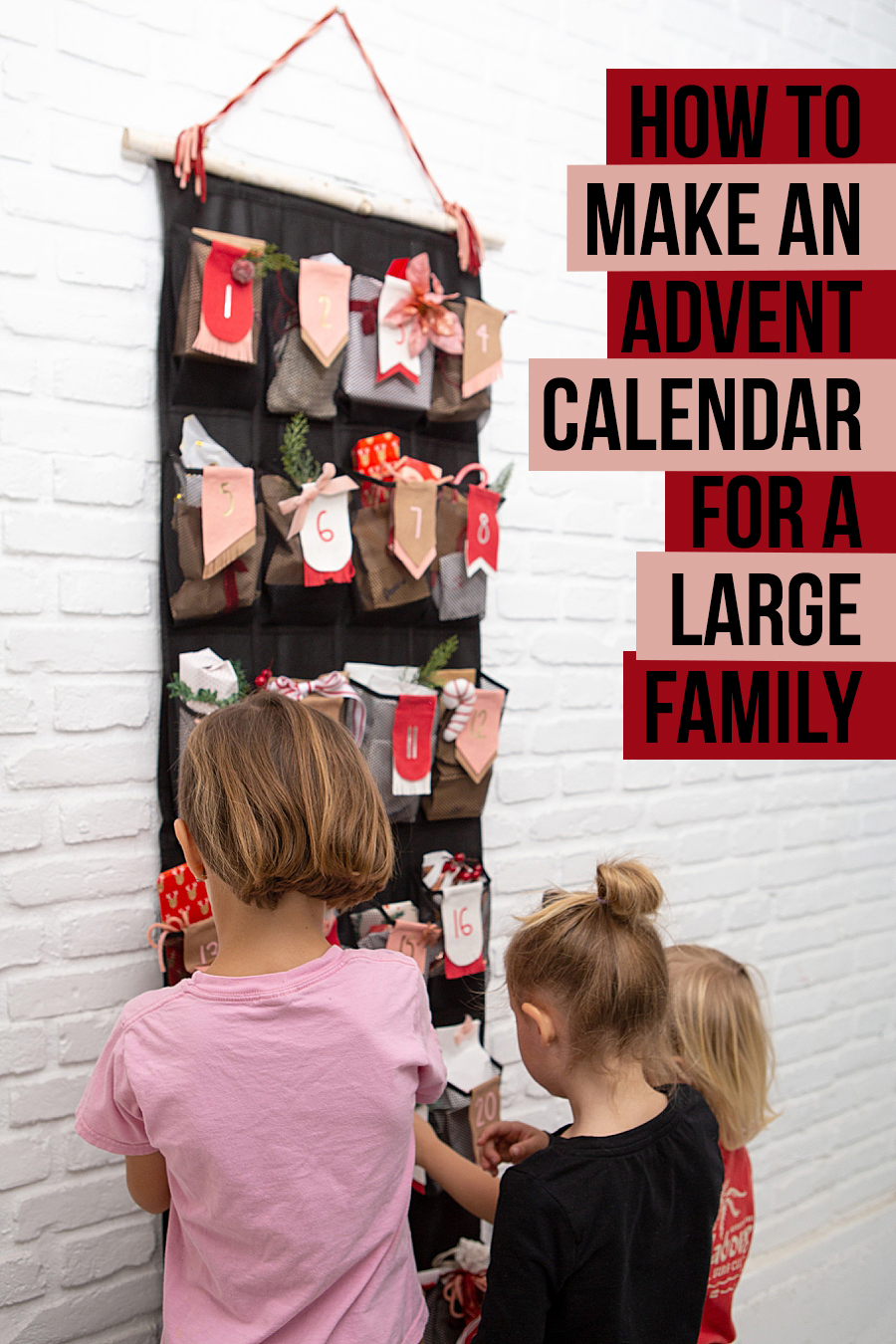
The holiday season of 2022 marked a significant shift in consumer behavior regarding traditional advent calendars, as families increasingly sought alternatives to mass-produced, high-cost toy sets. For several years, the market for pre-packaged advent calendars—featuring brands such as Lego, Star Wars, and Disney—has dominated the retail landscape, typically retailing for approximately $40 per unit. For a household with four children, this represents a seasonal expenditure of $160 on items that many parents report lead to "content fatigue" by the third week of December. This phenomenon, characterized by a waning interest in repetitive small-scale toys, has prompted a move toward personalized, multi-functional DIY solutions. Jen Causey-Kidder, the creator behind the lifestyle platform Something Turquoise, recently documented a comprehensive transition from commercial products to a custom-engineered "shoe organizer" advent calendar, a project that aligns with broader economic and psychological trends in modern holiday preparation.
The Economic Context of Holiday Countdown Traditions
The advent calendar market has seen exponential growth over the last decade, evolving from simple cardboard windows containing chocolates to elaborate multi-tiered boxes filled with jewelry, cosmetics, and electronics. Market analysts suggest that the "unboxing" culture fueled by social media has driven prices upward, with some luxury advent calendars retailing for hundreds of dollars. However, for the average large family, the primary concern is the value-to-entertainment ratio.
When analyzing the $160 baseline cost for four standard toy advent calendars, the DIY alternative presents a compelling case for budget reallocation. In the project developed by Causey-Kidder, the total expenditure for 24 days of gifts for multiple children remained approximately $150. While the initial investment in hardware—such as the shoe holder, screws, and specialized craft materials—added to the upfront cost, these components are categorized as durable goods that do not require replacement in subsequent years. This shift from consumable spending to reusable infrastructure represents a strategic approach to holiday budgeting that is gaining traction among middle-income households.
Structural Engineering and Design Methodology
The primary challenge for large families in creating a DIY advent calendar is the physical volume required to store 24 days of gifts for multiple children. Standard wall-mounted calendars often lack the pocket depth necessary for varied items. The selection of a back-of-the-door shoe organizer serves as a utilitarian solution to this spatial problem.
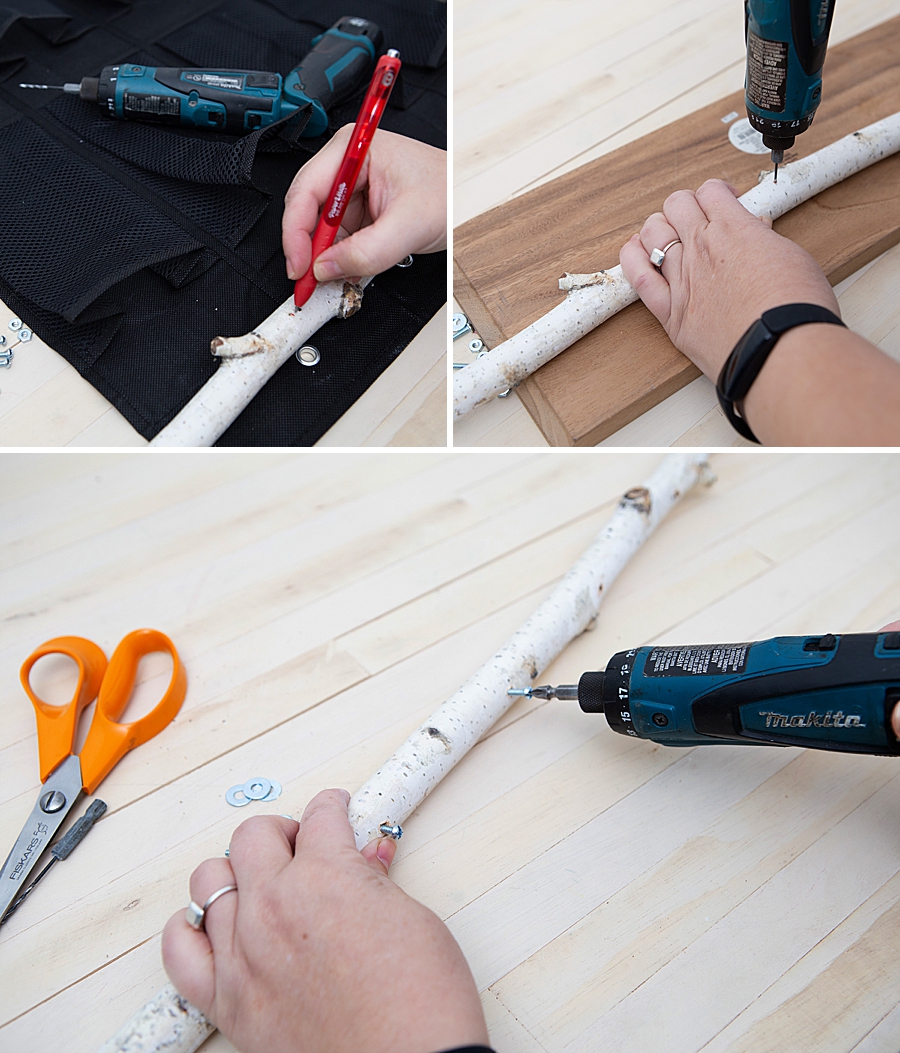
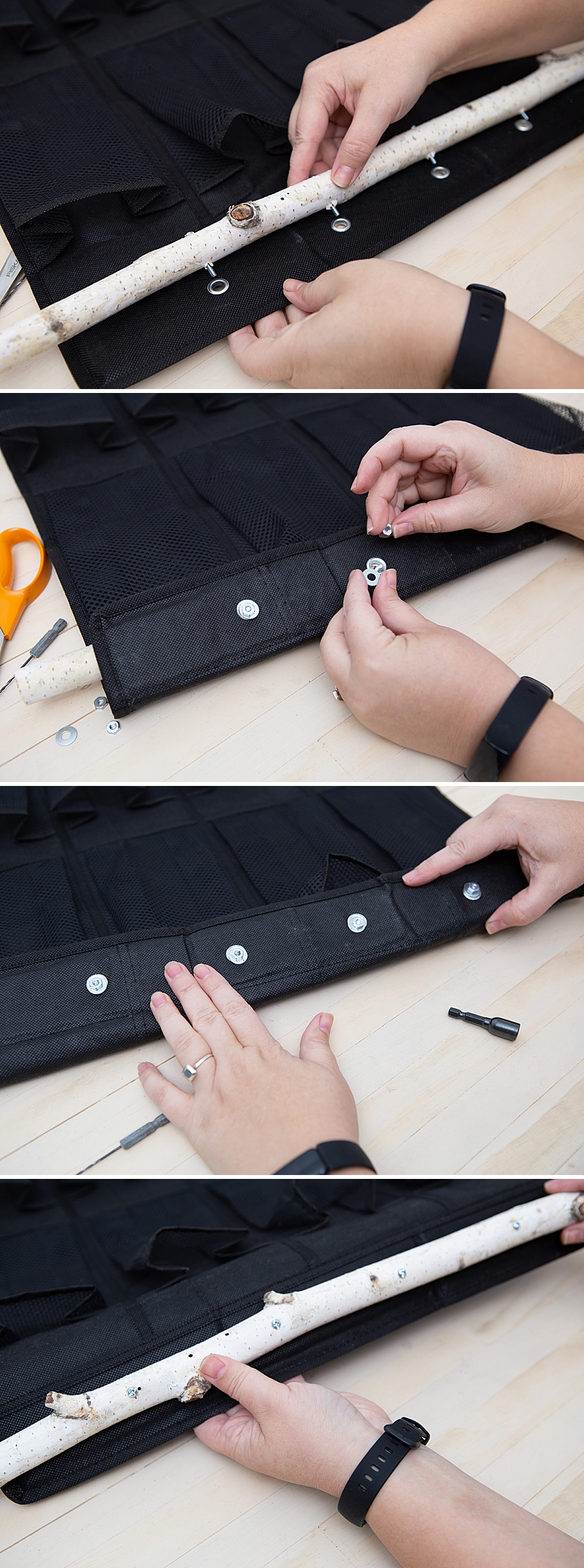
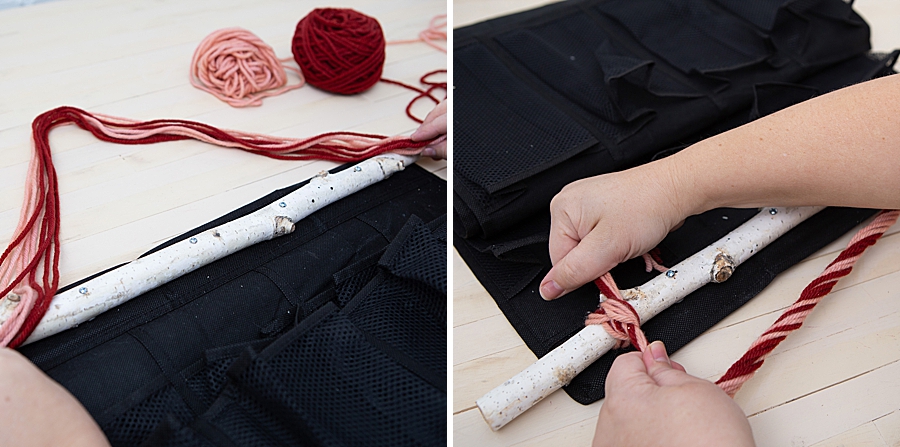
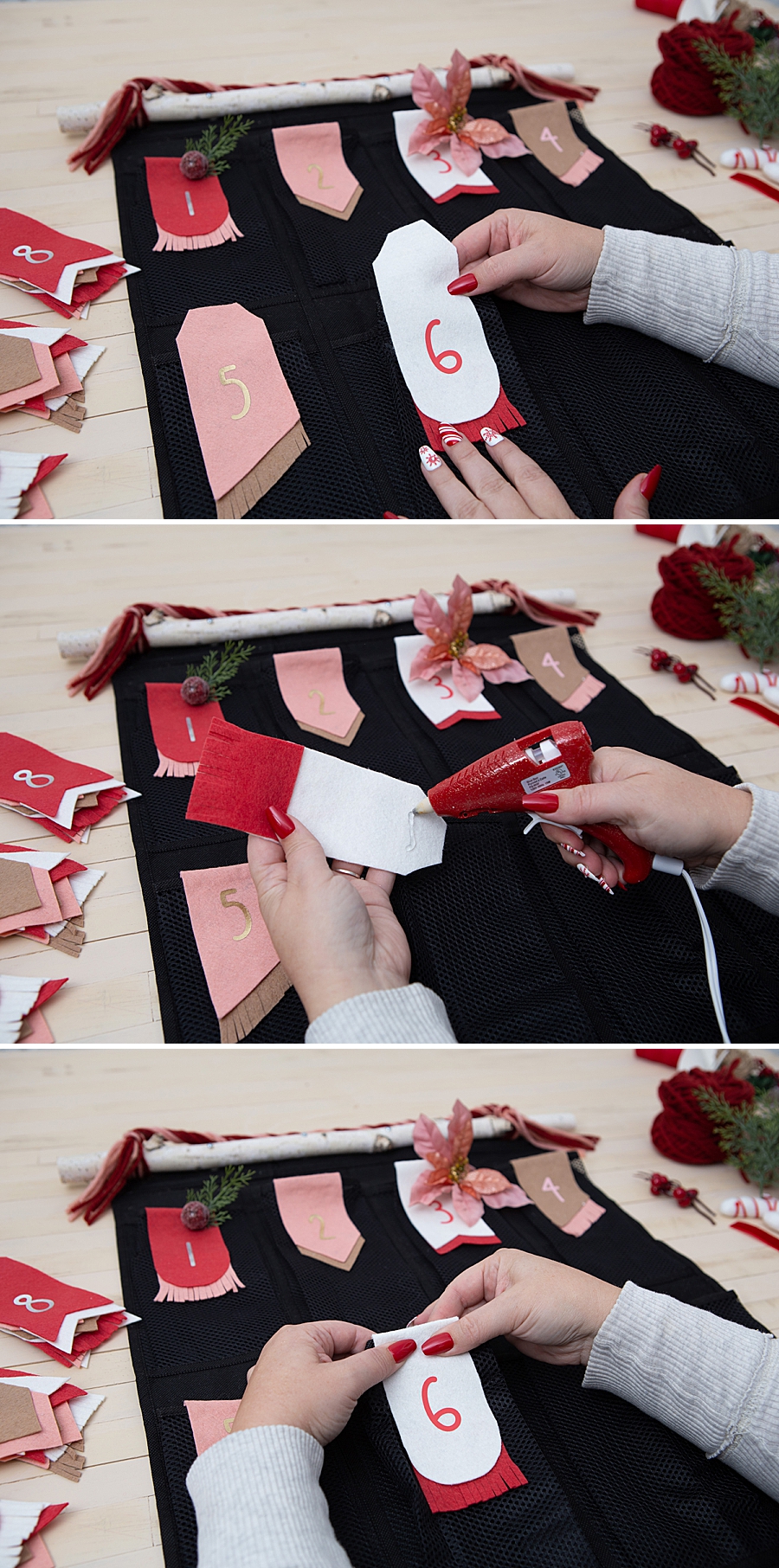
The construction of this specific calendar involved a sophisticated blend of aesthetic design and structural integrity. To support the weight of the gifts—which included heavier items like bath bombs, family games, and multiple sets of toys—the creator utilized a white decorative branch as a primary hanging rod. According to the project specifications, the branch was not merely hung by twine but was instead drilled through and secured to the shoe holder using 1.25-inch bolts, washers, and nuts. This mechanical fastening ensured that the tension from the heavy pockets would not cause the fabric to tear or the branch to fall.
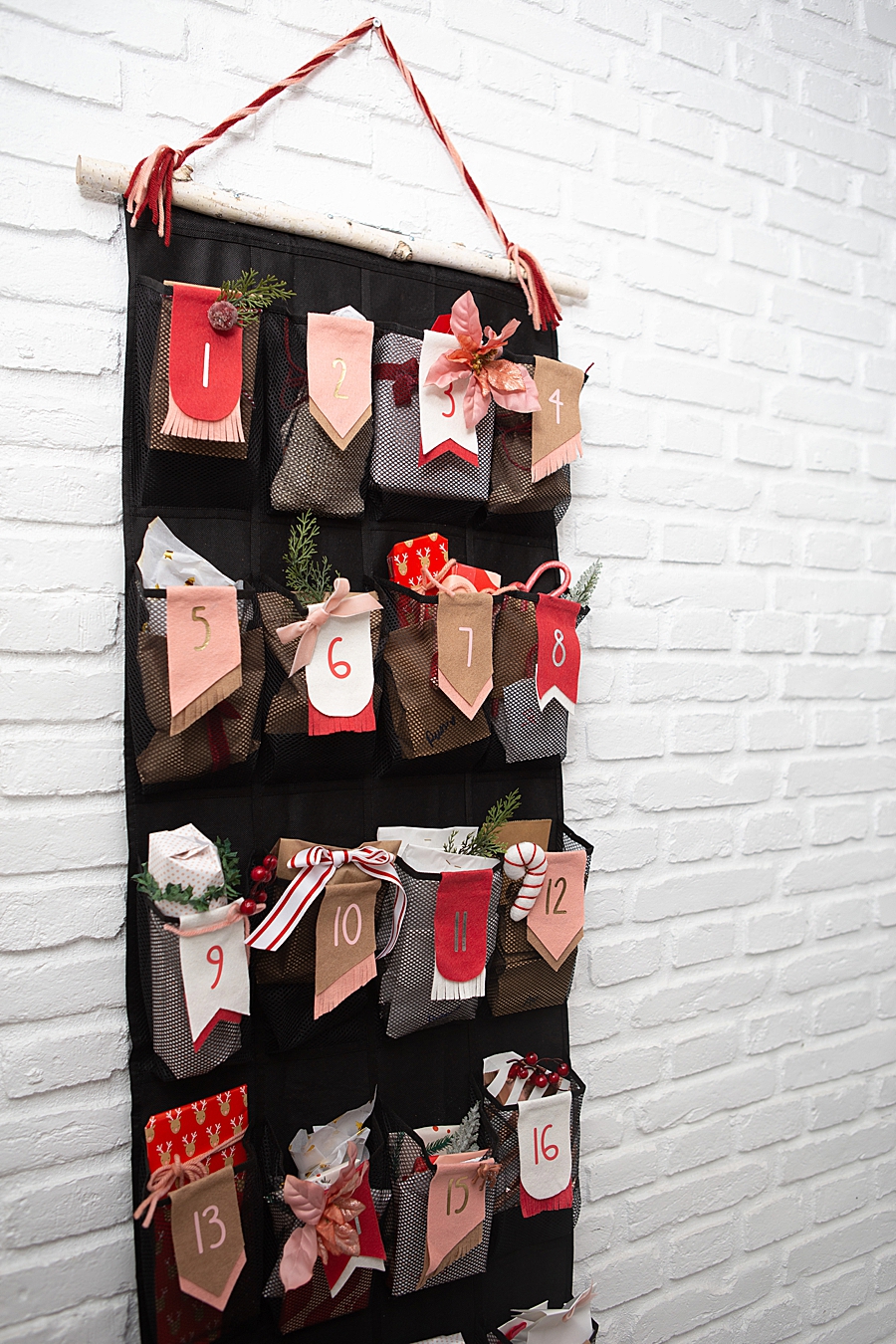
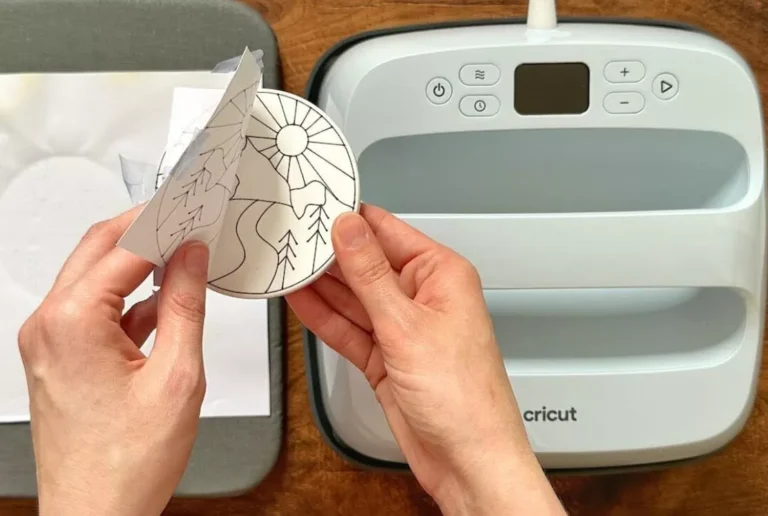
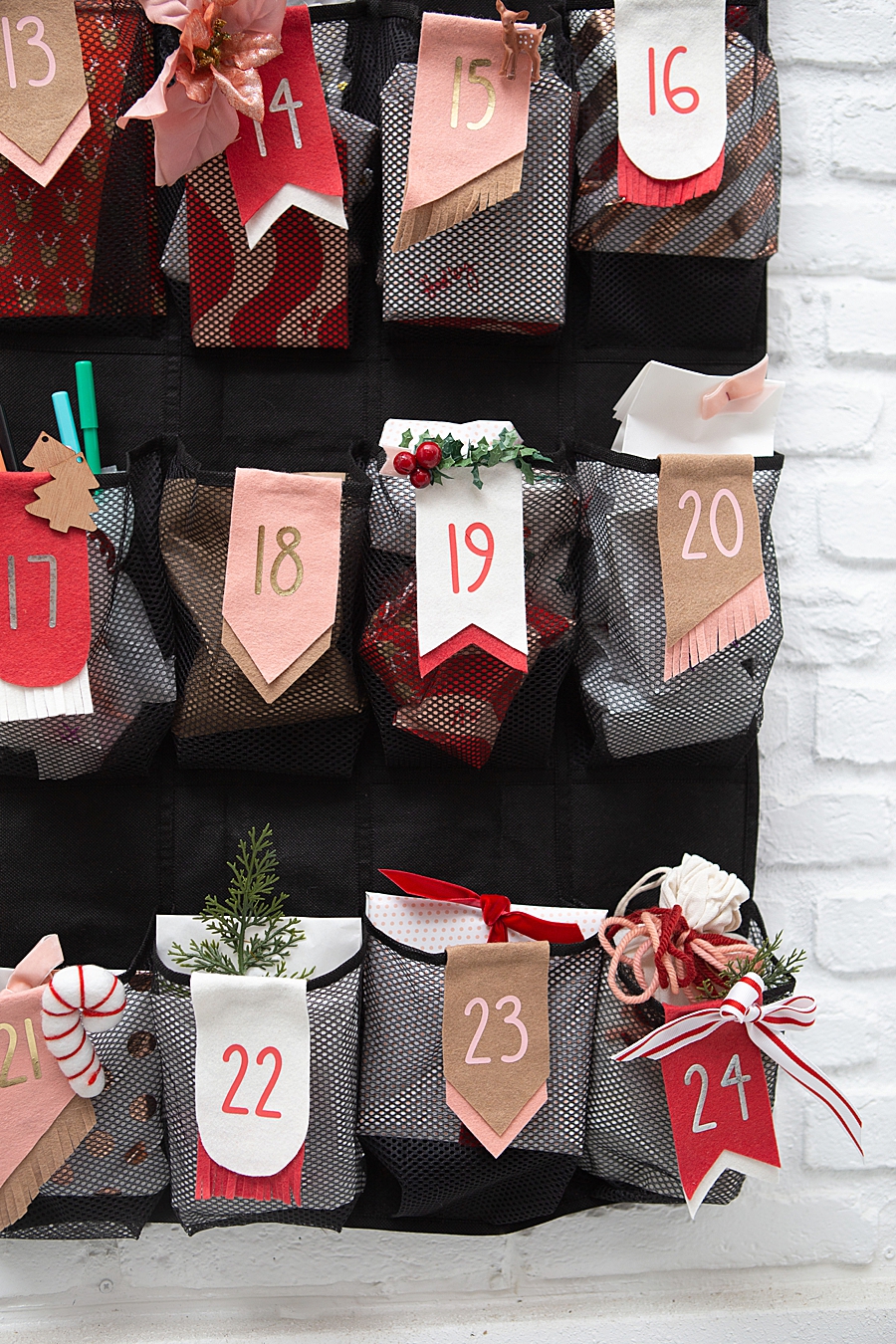
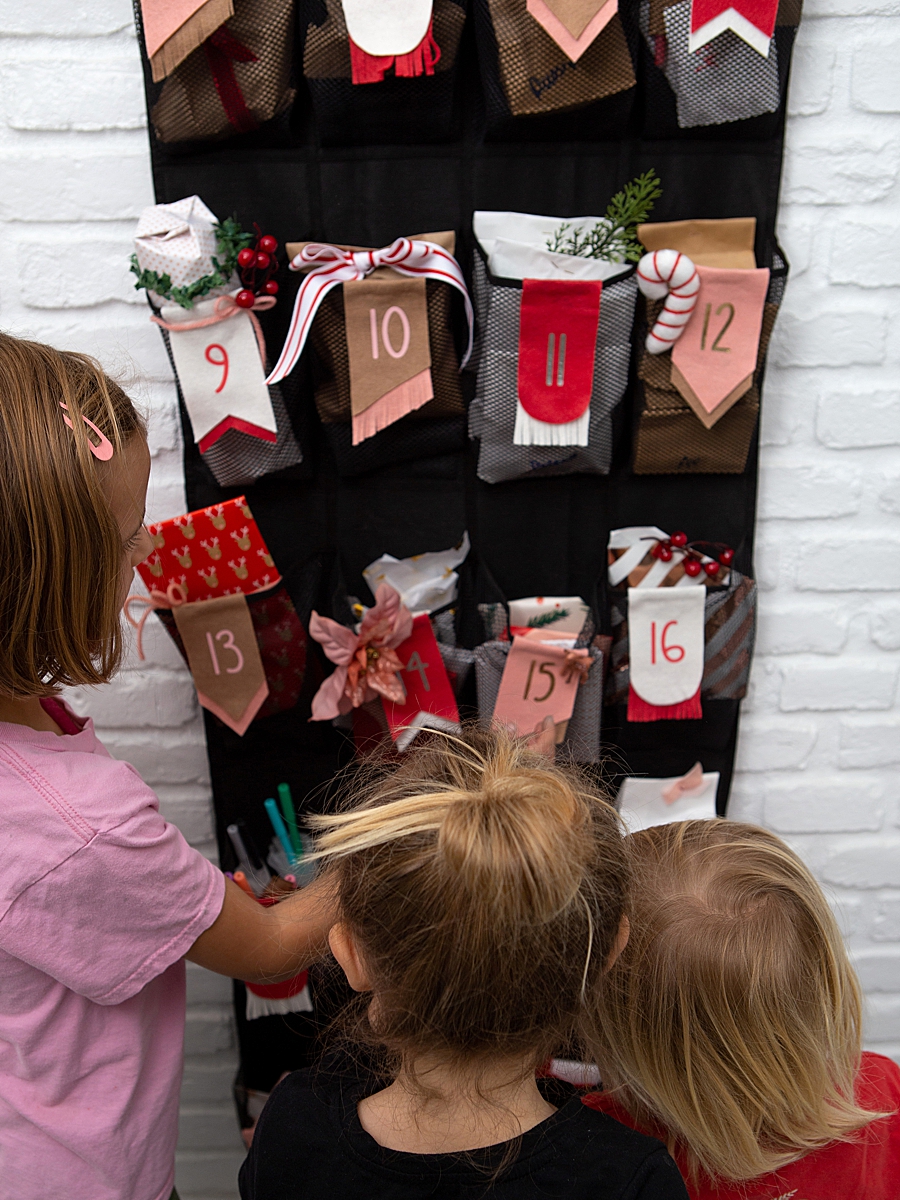
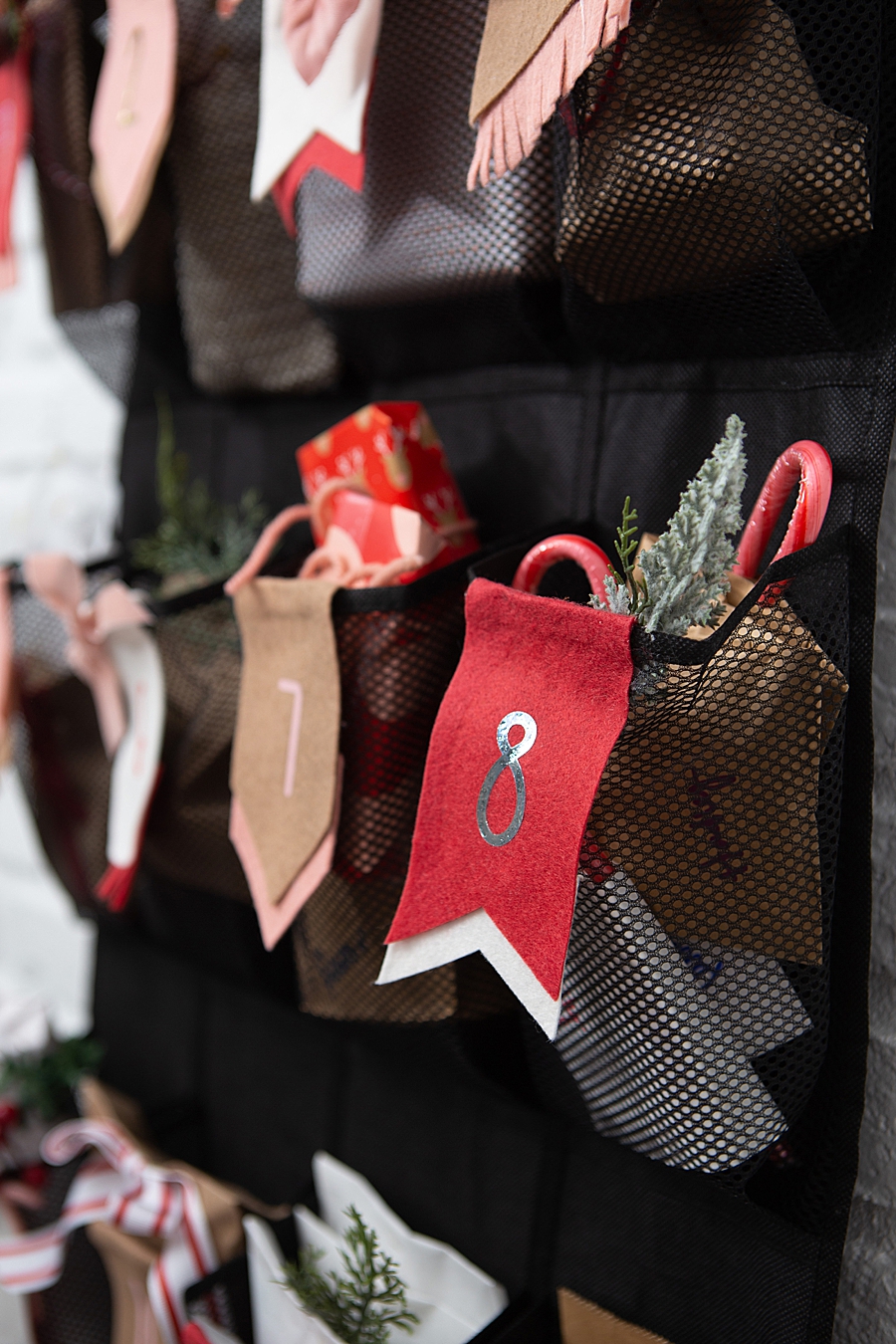
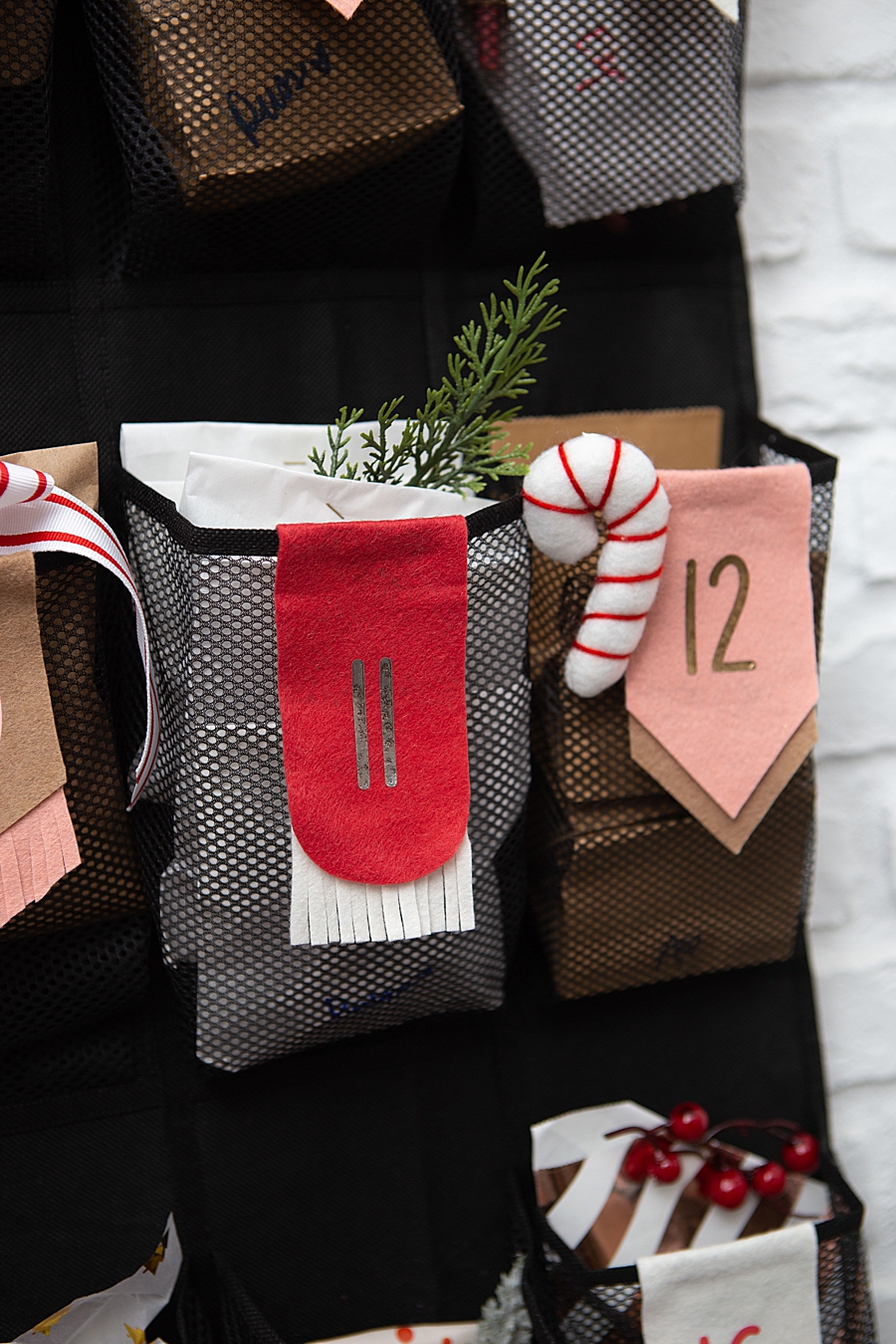
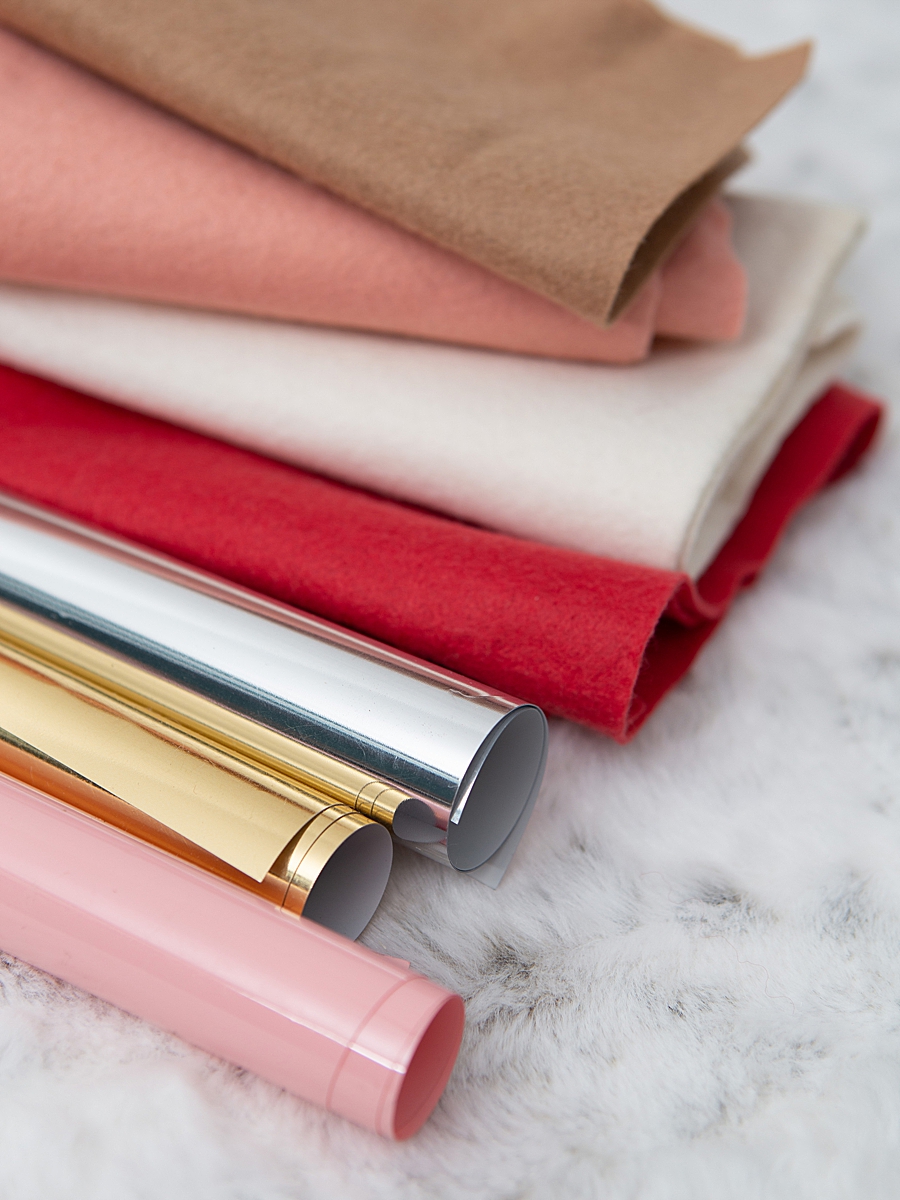
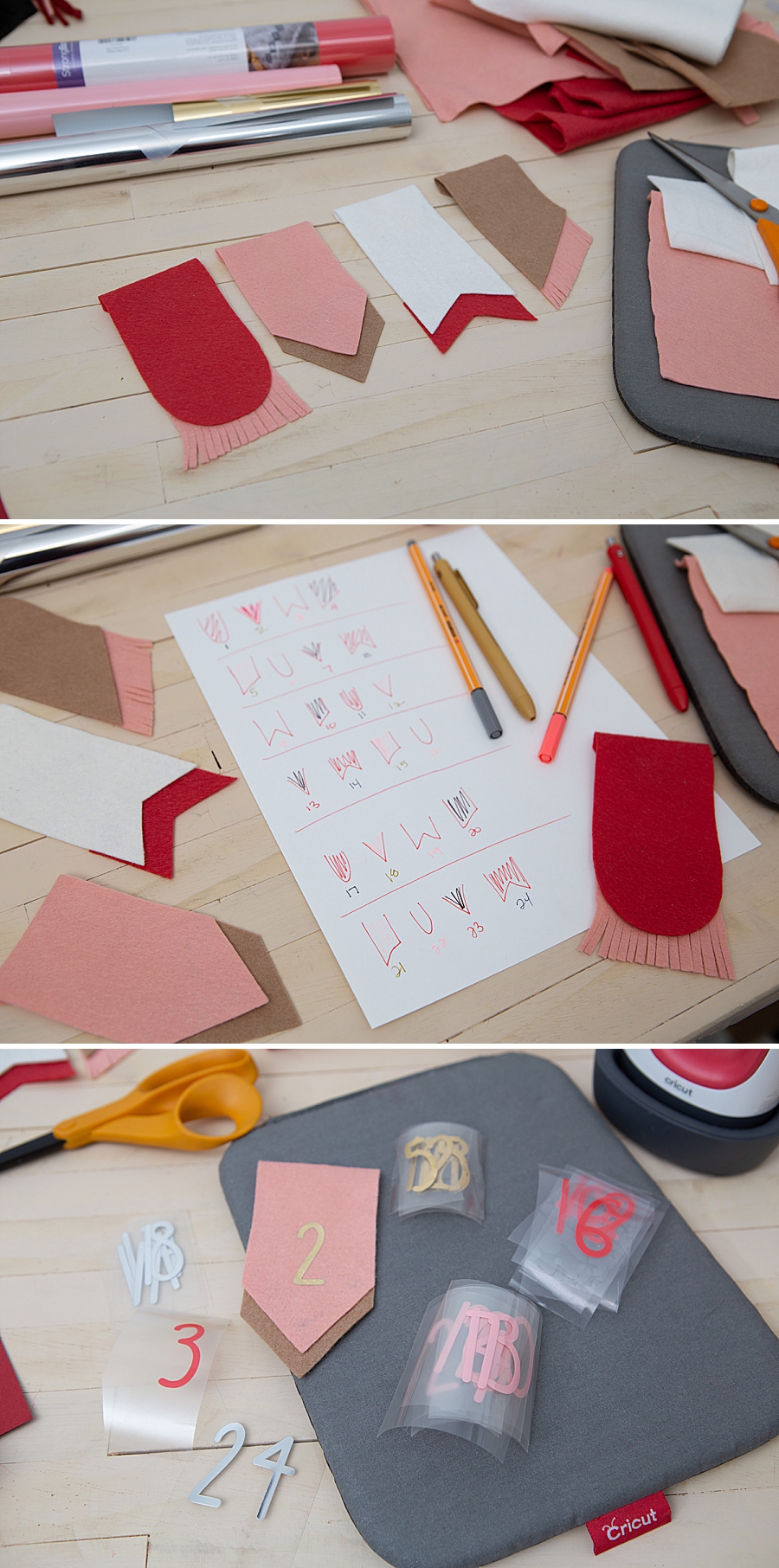
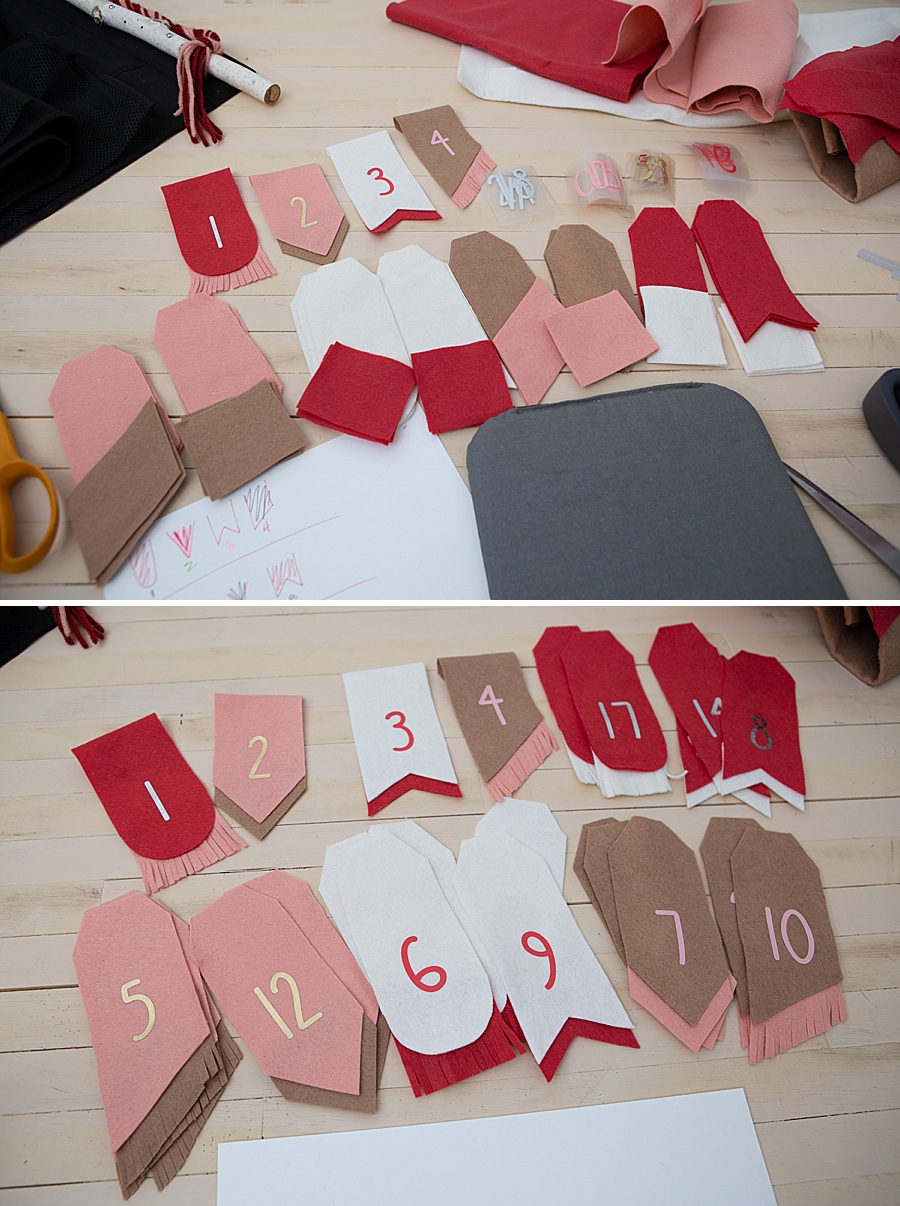
For the visual elements, the project employed a high-contrast color palette of red, blush, white, and "castle" gray, utilizing felt from Benzie Design. The numbering system was created using a Cricut machine and iron-on vinyl in various metallic and matte finishes. This level of customization allows parents to match the calendar to their home’s interior design, a feature notably absent in commercial products.
Sourcing and Curating Personalized Content
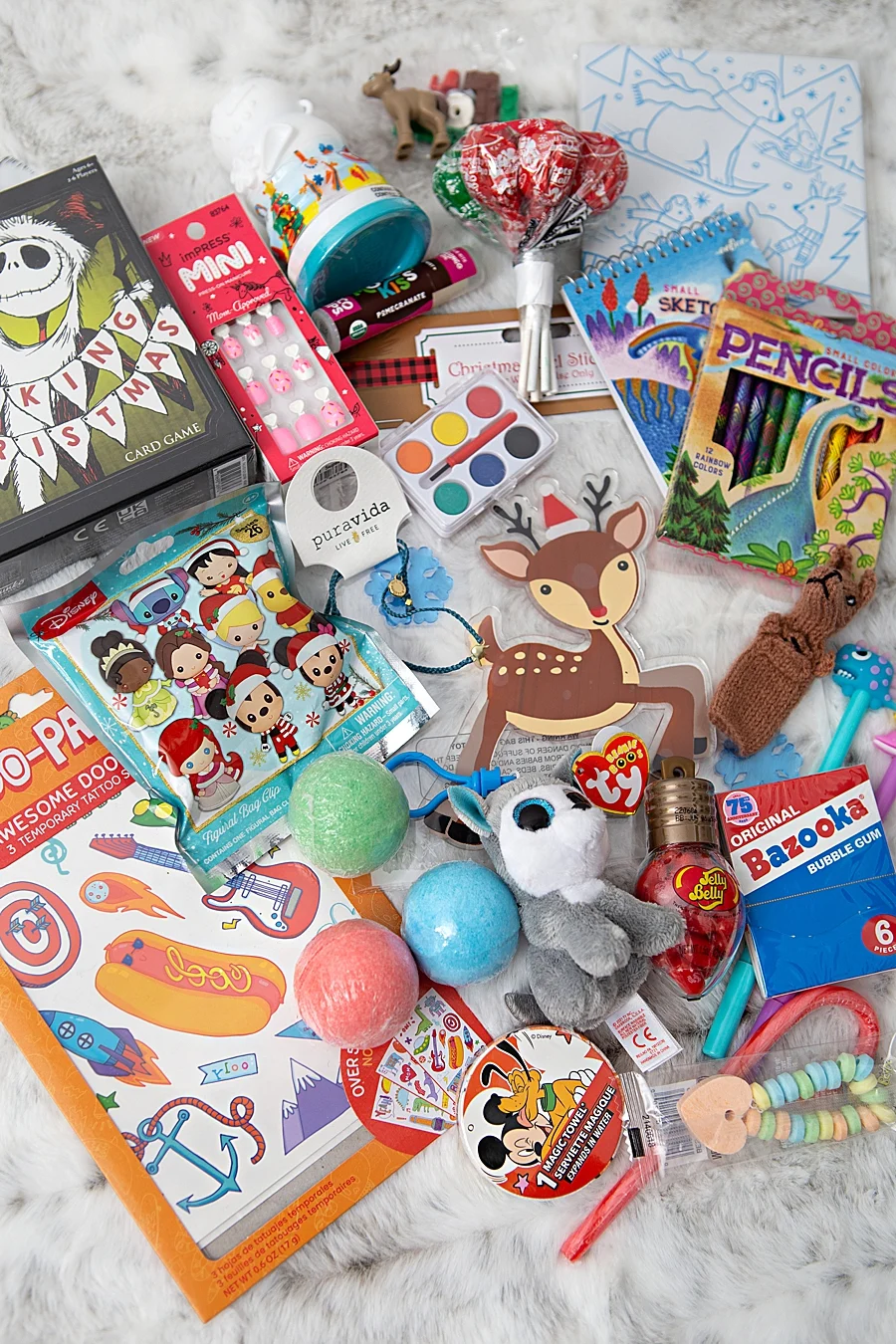
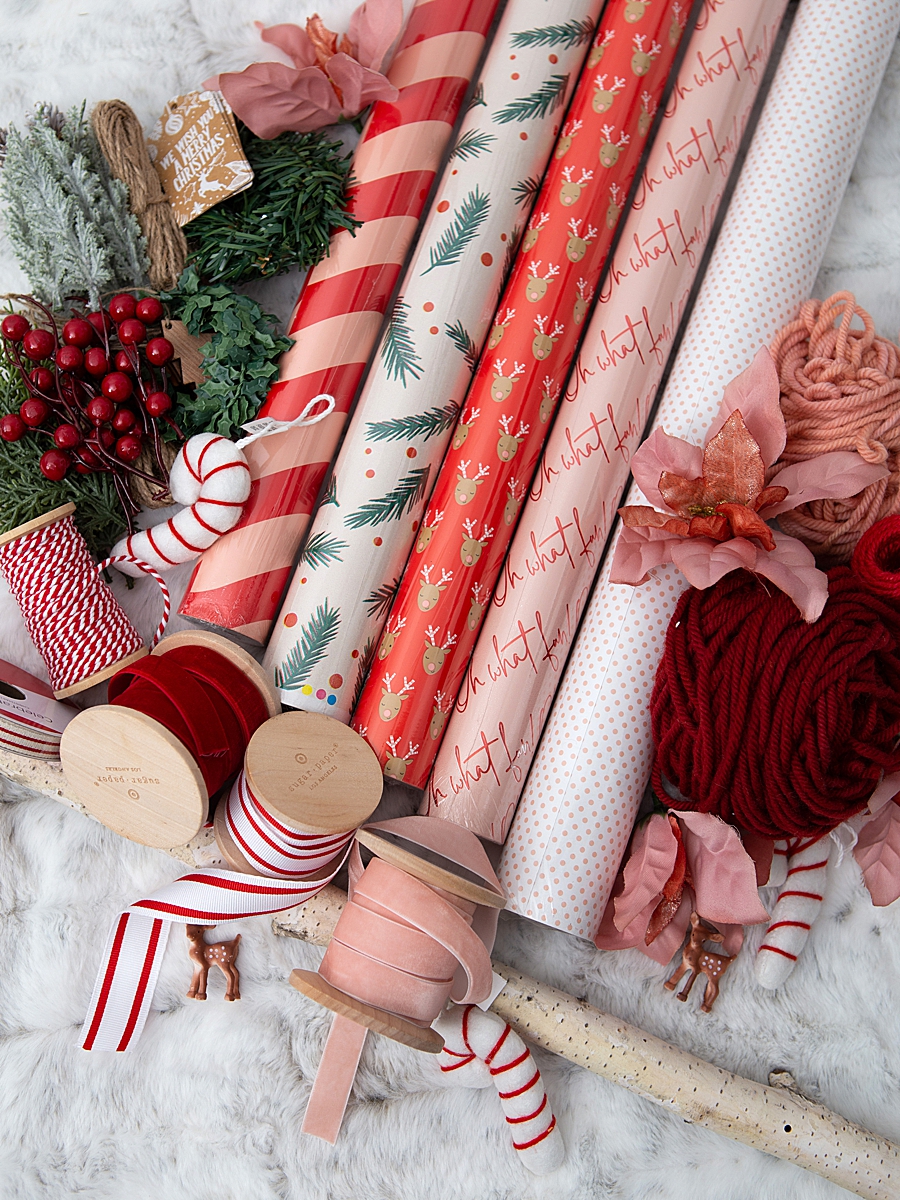
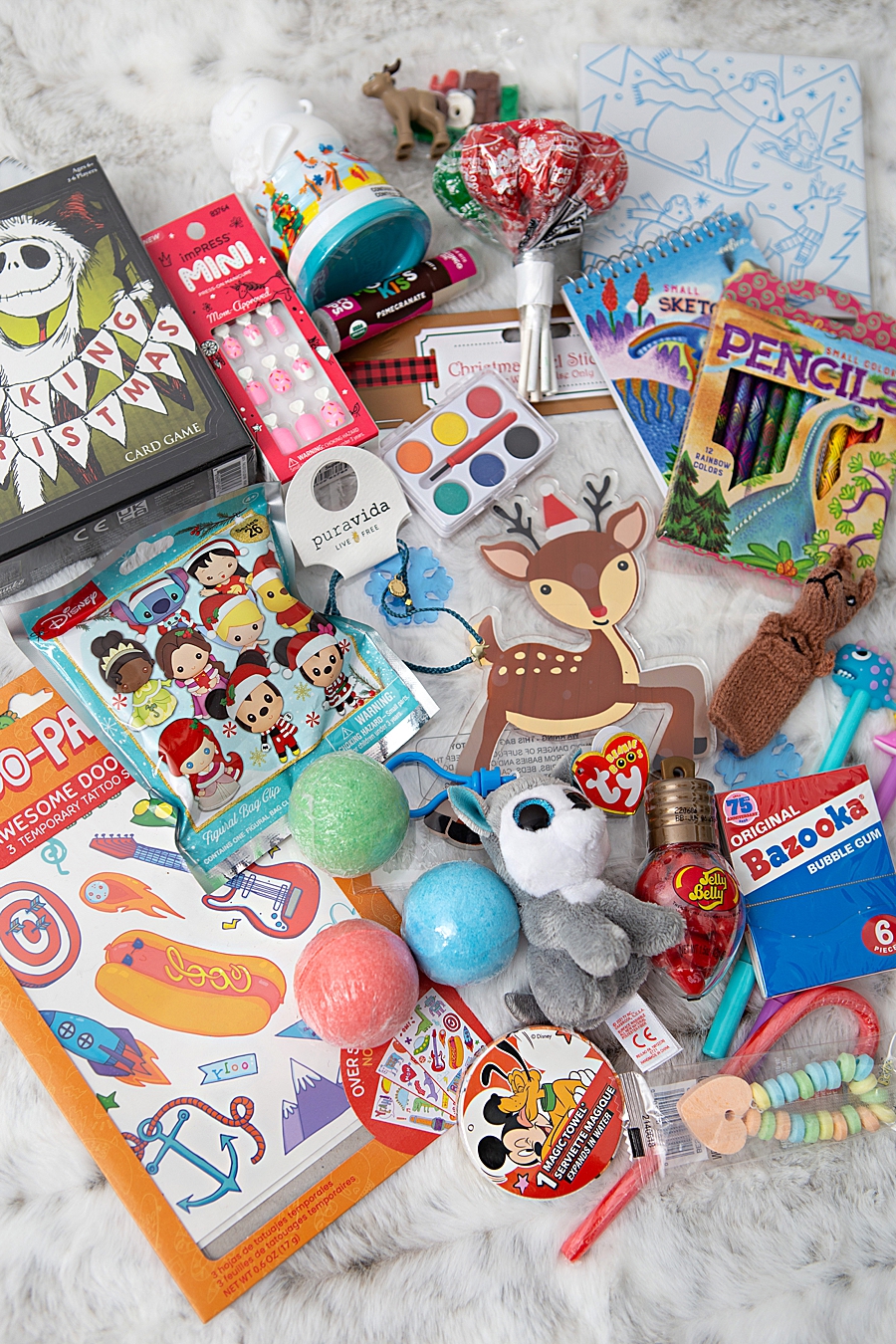
One of the most significant advantages of the DIY model is the ability to tailor gifts to specific age groups and interests, thereby eliminating the "filler" items often found in commercial sets. The sourcing for the 2022 project involved a two-month collection period, drawing from diverse retailers including Target, Michaels, Dollar Tree, and specialty shops like Pura Vida and KISS imPress.
The curated inventory for the calendar included:
- Wearables: Pura Vida bracelets, press-on nails, and finger puppets.
- Creative Tools: Colored pencils, mini notebooks, watercolor sets, and paper scratchers.
- Sensory Items: Bath bombs, play dough, and "magic towels" that expand in water.
- Traditional Toys: Miniature dinosaurs, cars, and building blocks.
- Consumables: Specialty gum and candies.
A critical logistical component of the DIY advent calendar is the "Mom Trick" of pre-labeling. Because the children involved in this specific household ranged in age from 14 months to 7 years, the creator implemented a dating system on each wrapped gift. This served a dual purpose: it ensured that specific gifts were opened on days where the family had time to engage with them, and it prevented younger children from prematurely emptying the lower, more accessible pockets.
Chronology of the DIY Implementation
The transition from a commercial to a DIY advent calendar is a multi-stage process that requires significant lead time. The following timeline outlines the production cycle for this project:
- October – Early November (Sourcing): The collection of small-scale gifts. This prolonged period allows for opportunistic shopping, taking advantage of sales and finding unique items that are not available in bulk sets.
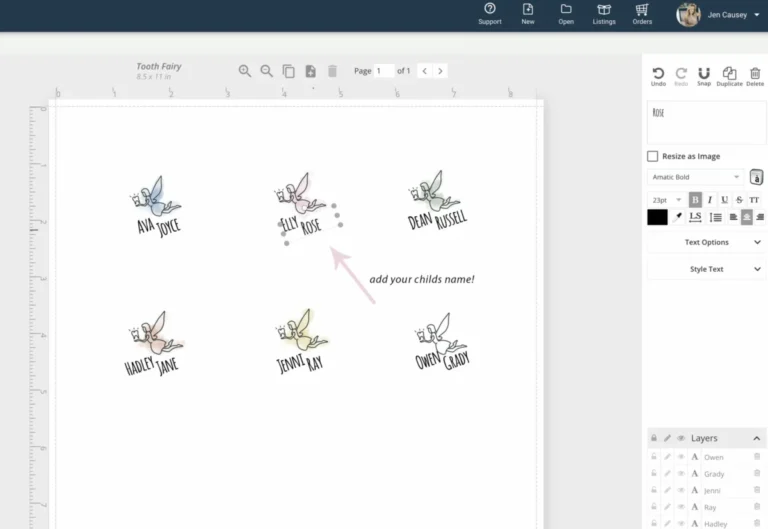
- Mid-November (Design Phase): The creation of the 24 numbered tags. Using software like Cricut Design Space, the creator designed four distinct styles of felt tags, rotating the colors to create a cohesive visual rhythm.
- Late November (Structural Assembly): The mechanical attachment of the organizer to the support branch. This phase includes the drilling of the wood and the securing of hardware.
- The Wrapping Phase: The most labor-intensive portion of the project. Each item must be individually wrapped and labeled with the corresponding date. This phase also allows for the inclusion of "family gifts" or small tokens for parents, which are not possible in child-centric commercial sets.
- Final Installation: The organizer is hung and the pockets are populated with the wrapped gifts, ready for the December 1st start date.
Psychological and Social Implications of Personalized Traditions
Psychologists specializing in family dynamics often note that personalized traditions can foster a stronger sense of belonging and anticipation than "off-the-shelf" experiences. By curating the advent calendar, parents are able to acknowledge the individual milestones and preferences of their children. For instance, in a family with a toddler, the DIY approach allows for the exclusion of small parts that pose choking hazards—a common issue with commercial toy calendars designed for older children.
Furthermore, the DIY advent calendar addresses the "instant gratification" culture. By wrapping each individual gift within the pockets, the "unboxing" experience is prolonged and made more intentional. The presence of a large, visually stimulating countdown in a common area of the home serves as a focal point for family interaction throughout the month of December.
Broader Impact on the DIY Crafting Industry
The success of projects like the shoe-organizer advent calendar reflects the continued strength of the DIY crafting industry, which saw a surge during the 2020-2021 period and has remained a staple of domestic life. Platforms like Instagram and TikTok have turned individual "labors of love" into viral tutorials, influencing retail trends.
Retailers such as Michaels and Target have responded to this trend by stocking "blank" advent calendar kits and miniature gift items in their seasonal aisles. However, the use of non-traditional items—like shoe organizers—suggests a move toward "repurpose-driven" crafting, where consumers look for high-utility items that can be transformed for holiday use.
Conclusion and Fact-Based Analysis
The move toward DIY advent calendars for large families is a pragmatic response to the limitations of the current retail market. While the labor involved is significantly higher than purchasing pre-made sets, the benefits include:
- Cost Neutrality with Higher Quality: Spending the same $150-$160 results in higher-quality, more diverse gifts compared to mass-produced plastic toys.
- Sustainability: The use of durable fabrics and hardware creates a tradition that can last for a decade or more, reducing the annual waste associated with cardboard and plastic packaging.
- Age Appropriateness: The ability to customize gifts for a range of ages—from 14 months to adults—ensures that every family member is included in the tradition.
As holiday consumerism continues to evolve, the "labor of love" represented by personalized advent calendars highlights a growing preference for intentionality over convenience. The project documented by Something Turquoise serves as a blueprint for families seeking to reclaim the countdown to Christmas from the constraints of commercial packaging, proving that with a standard shoe organizer and a bit of mechanical ingenuity, the holiday season can be both organized and enchanting.