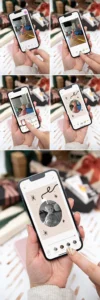



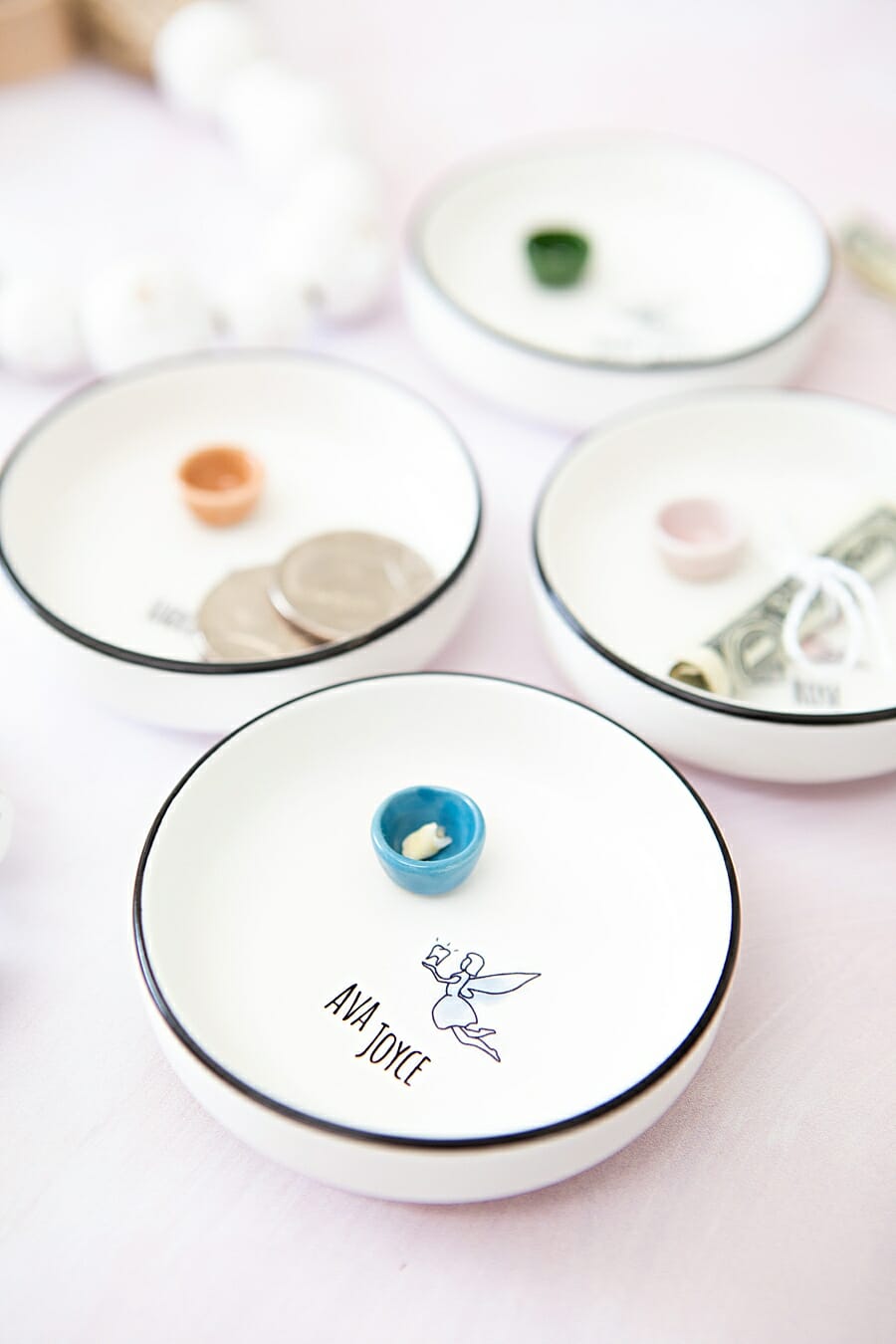
The landscape of domestic crafting and childhood tradition is undergoing a significant transition as parents seek more durable and personalized alternatives to traditional milestone markers. A prominent example of this shift is the recent development of a specialized methodology for creating personalized ceramic tooth fairy dishes, a project pioneered by Jen Causey-Kidder of the lifestyle and DIY platform Something Turquoise. This innovative approach moves away from the conventional "tooth fairy pillow"—a soft textile item often placed under a child’s sleeping head—toward a more structured, aesthetic, and permanent ceramic vessel. By utilizing modern digital editing software, prosumer-grade printing hardware, and industrial-strength adhesives, this method represents a convergence of traditional sentimentality and contemporary manufacturing techniques accessible to the average household.
The Evolution of the Tooth Fairy Tradition and the Keepsake Market
The tradition of the tooth fairy is a cultural mainstay in many Western societies, serving as a psychological tool to help children navigate the loss of primary teeth. Historically, this involved a simple exchange of a lost tooth for a small monetary reward. However, in the 21st century, the "experience economy" has permeated childhood milestones. According to the annual Delta Dental Tooth Fairy Poll, the average value of a lost tooth has seen a steady increase, reaching a national average of approximately $5.84 in the United States in recent years. This economic uptick is mirrored by an increased consumer demand for "keepsake" items that document these transitions.
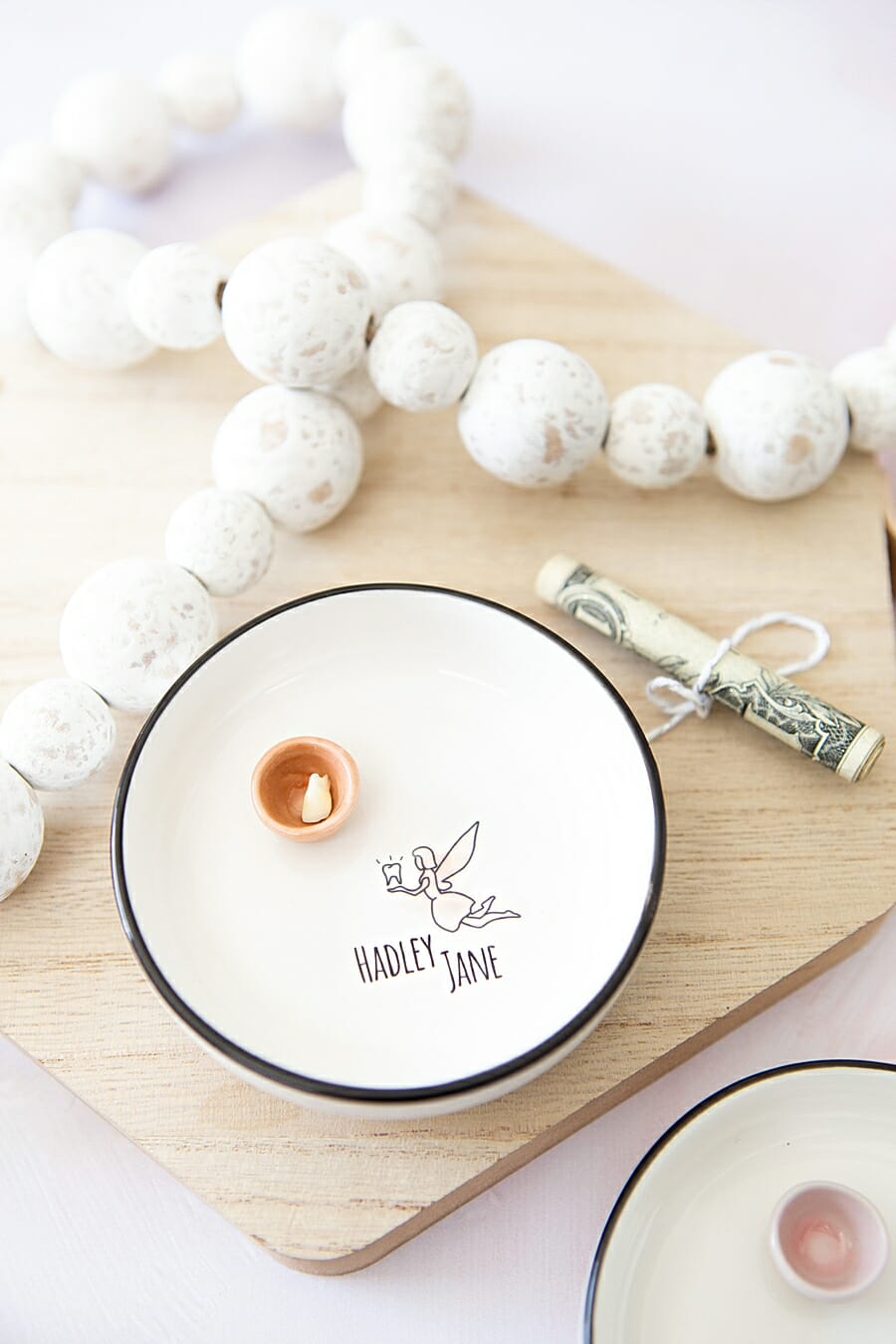
The shift from the "tooth fairy pillow" to a "tooth fairy dish" reflects broader trends in interior design and child-rearing. While pillows are susceptible to wear, staining, and loss within bedding, ceramic dishes offer a stable, decorative element that can be displayed on a nightstand or shelf. The move toward customization is also supported by the global handicrafts market, which was valued at approximately $752.2 billion in 2022 and is projected to continue growing as consumers prioritize unique, handmade items over mass-produced alternatives.
Technical Specifications and Material Sourcing
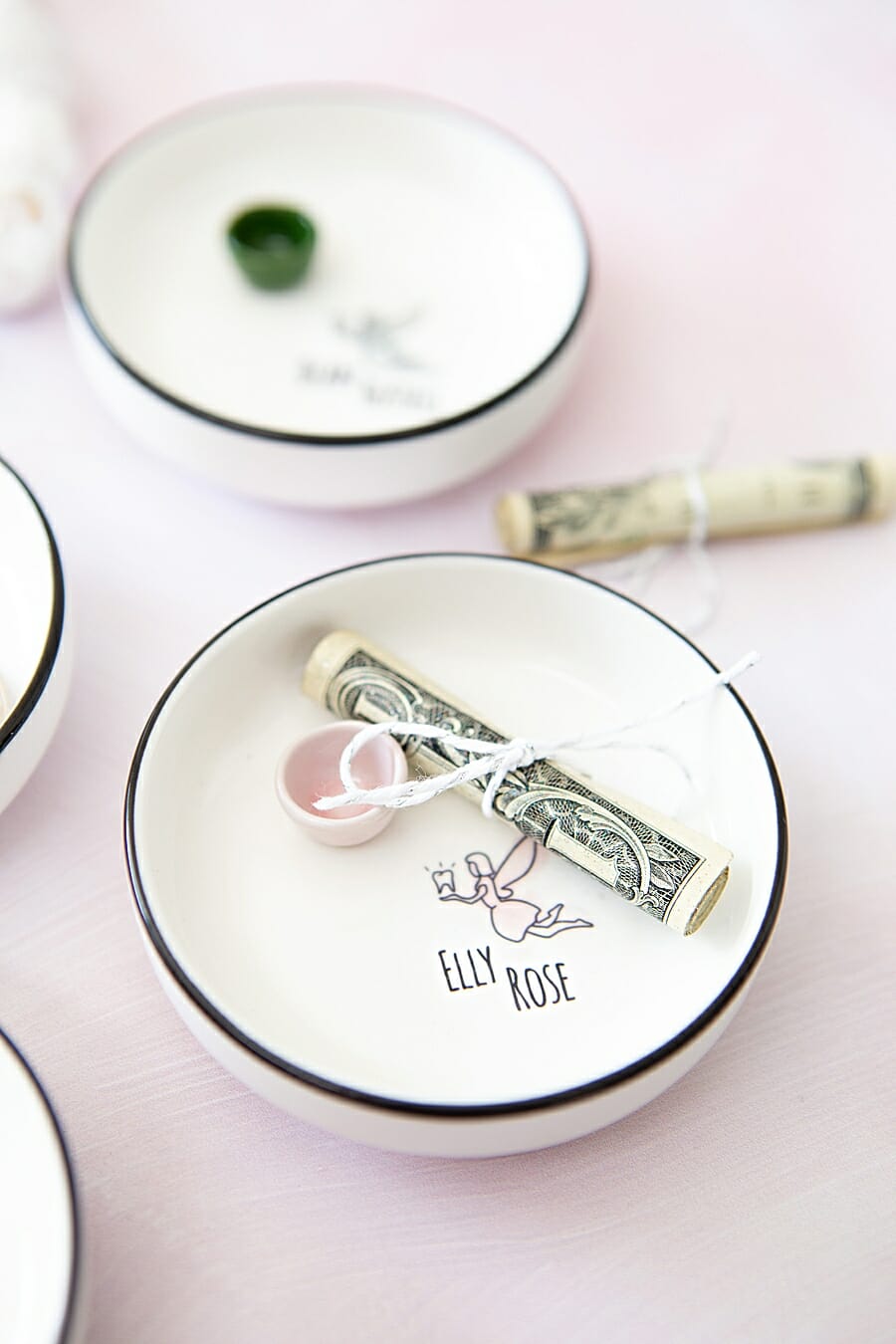
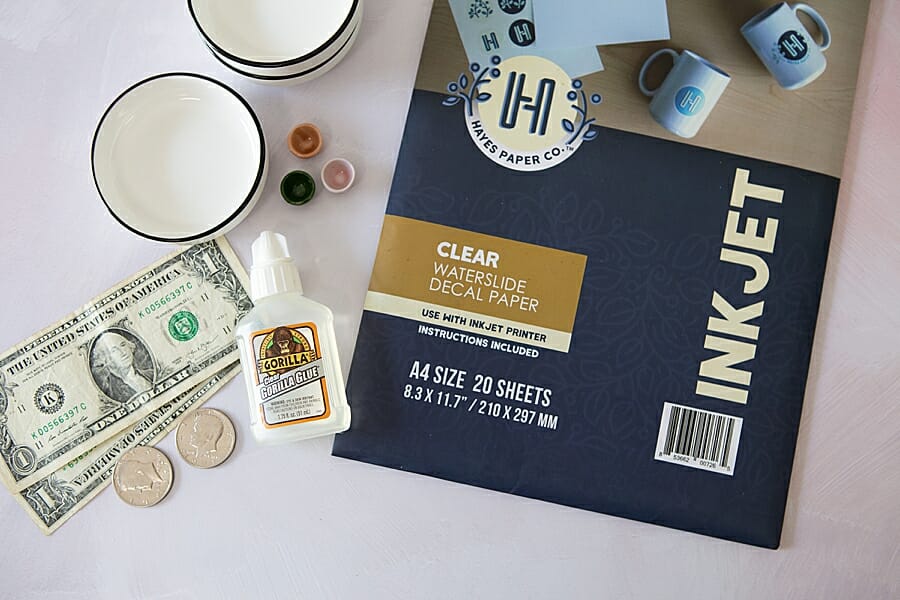
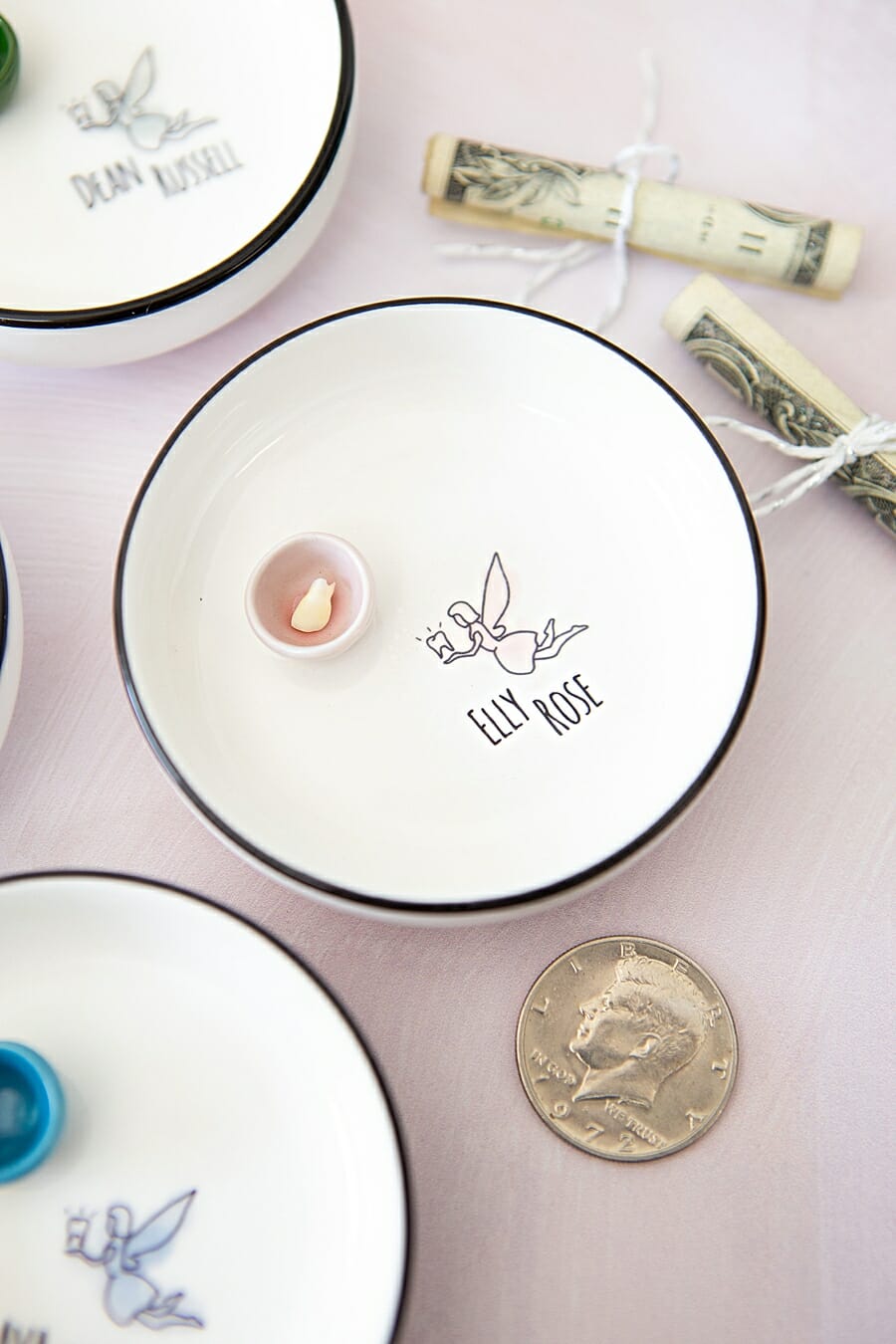
The production of these personalized dishes involves a sophisticated integration of various materials. The primary substrate consists of a ceramic sauce dish paired with a miniature "dollhouse" bowl, which acts as the specific receptacle for the tooth. The developer of this method identified specific sourcing channels, primarily through Amazon, to ensure consistency in the dimensions and material quality of these components.
A critical component of the personalization process is the use of inkjet waterslide decal paper. Originally used in the hobbyist modeling industry for detailing scale aircraft and vehicles, waterslide paper has been adopted by the broader DIY community for its ability to transfer high-resolution digital designs onto non-porous surfaces. The process involves a dextrin-coated paper that, when submerged in water, releases a thin film containing the printed image.
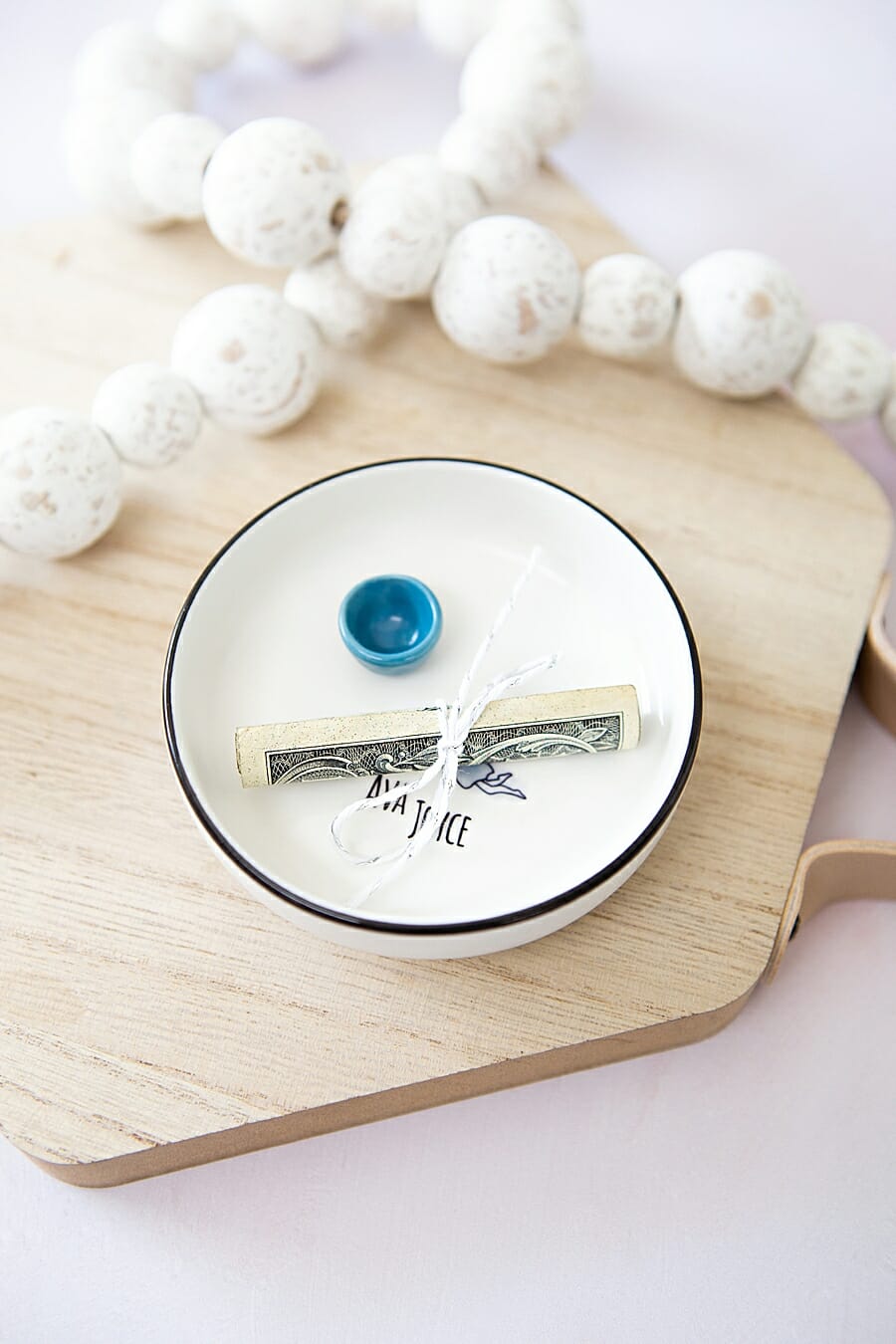
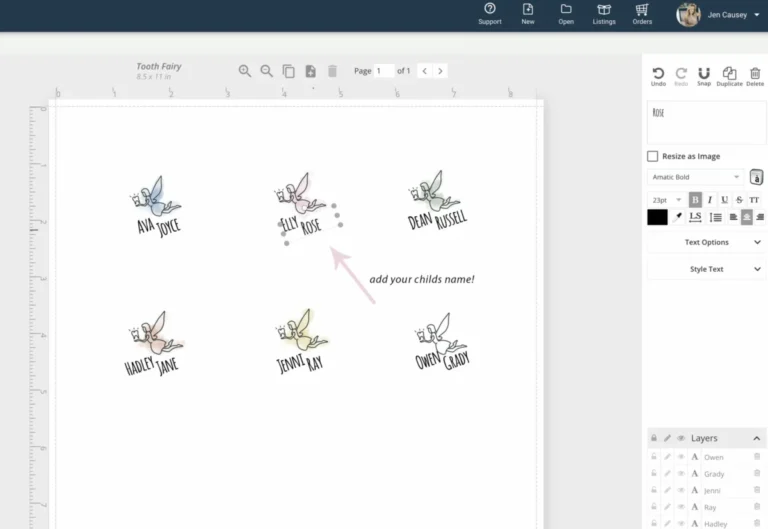
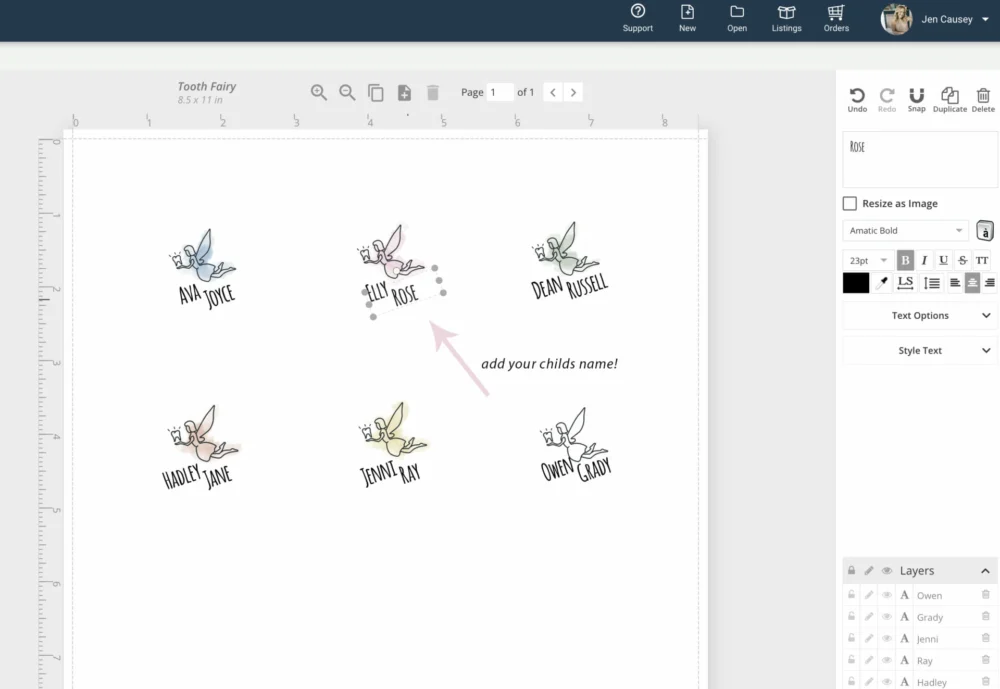
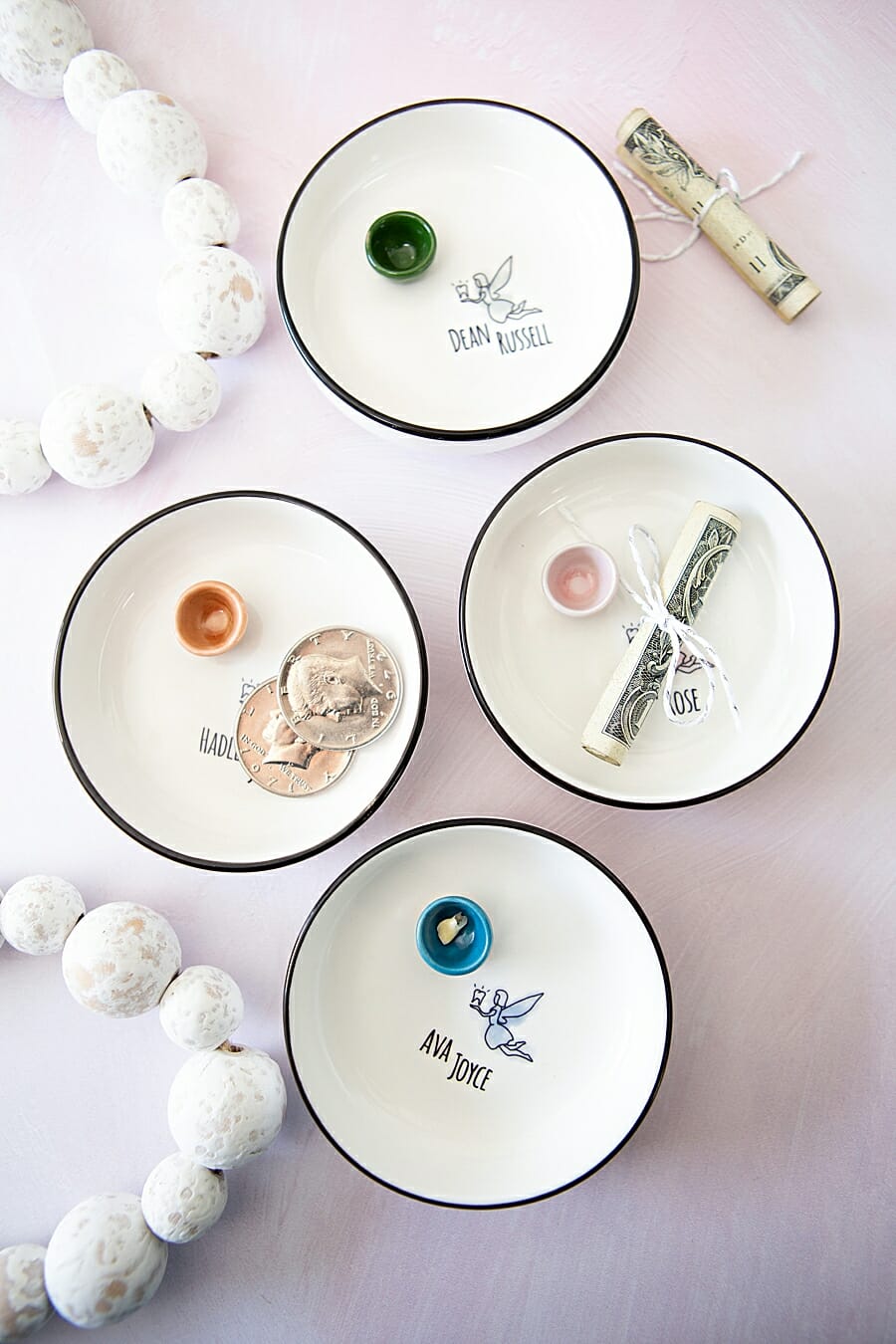
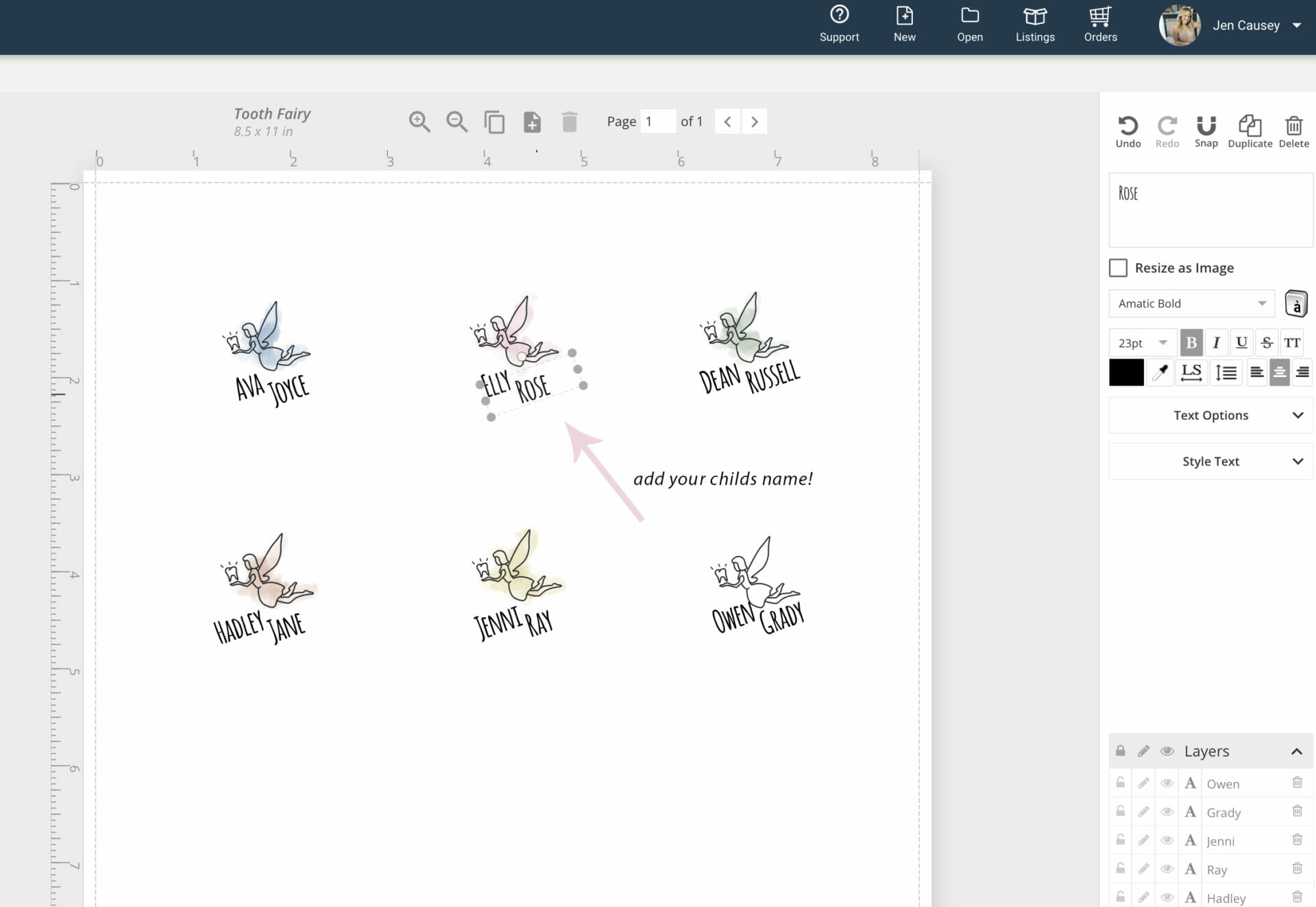
To facilitate the design phase, the methodology utilizes Corjl, a web-based platform that allows creators to provide editable templates to end-users. This represents a significant advancement in the "print-at-home" sector, as it removes the barrier of requiring professional graphic design software like Adobe Illustrator. Users can customize text, such as a child’s name, and select from various color palettes—specifically green, peach, pink, blue, and yellow—to match the physical ceramic components.
A Chronological Guide to the Manufacturing Process
The assembly of the personalized tooth fairy dish follows a strict technical protocol to ensure the longevity of the decal and the structural integrity of the final product.
Phase I: Digital Customization and Printing
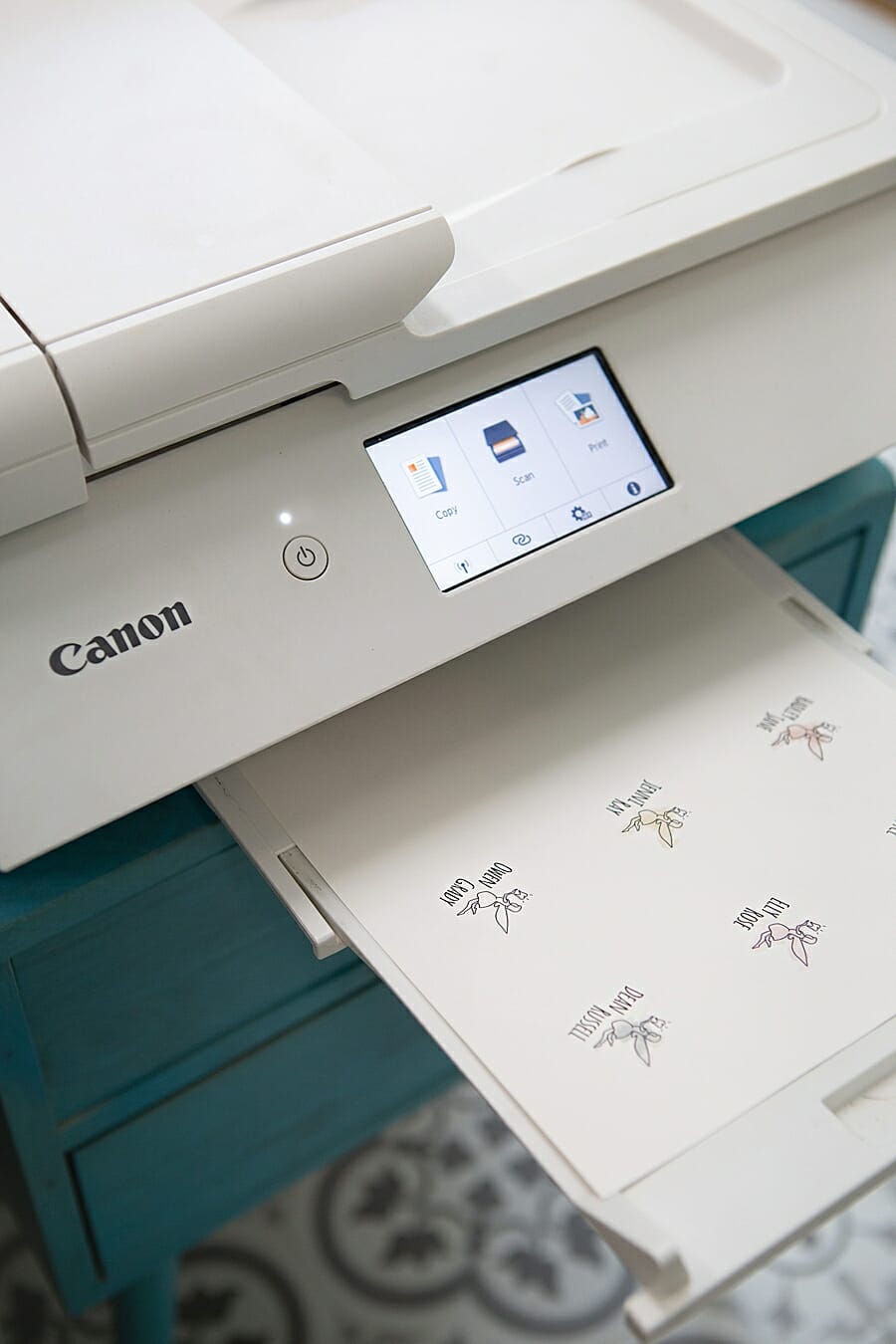
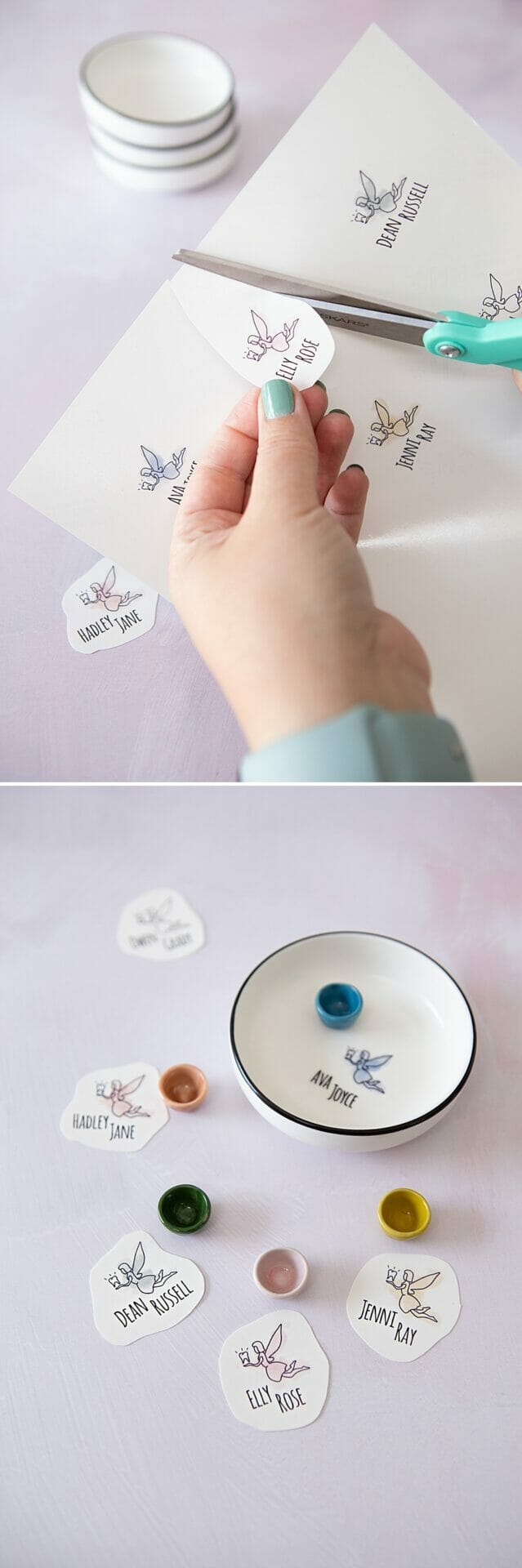
The process begins with the acquisition of a digital template. Once the user has customized the design using the Amatic Bold font and selected the appropriate fairy motif, the file is processed through a high-quality inkjet printer, such as the Canon PIXMA TS9521C. This specific model is frequently cited in the crafting industry for its color accuracy and ability to handle specialized media. Industry standards dictate that the print must dry for a minimum of five minutes to prevent ink migration during subsequent steps.
Phase II: Chemical Sealing and Stabilization
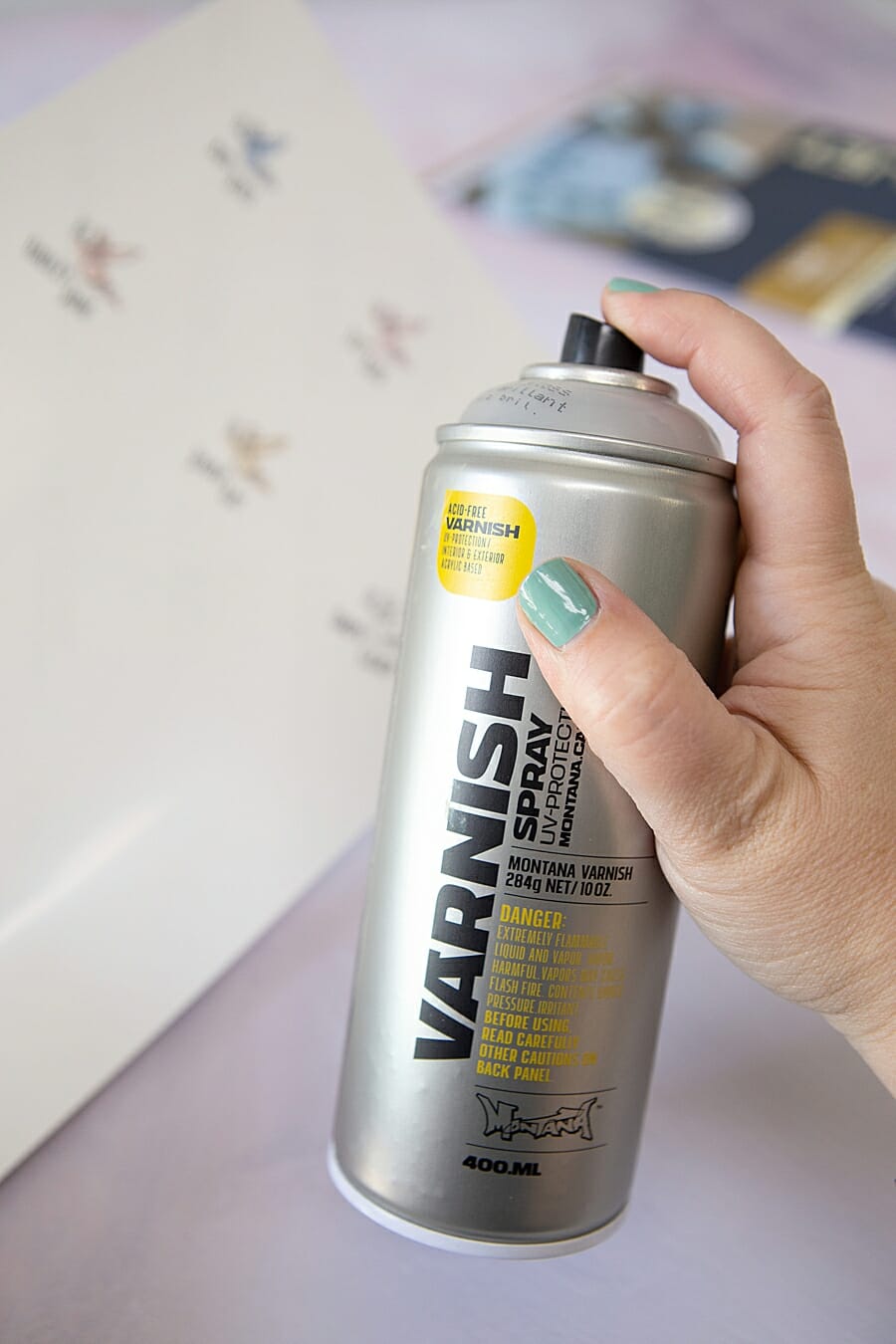
Because inkjet ink is water-soluble, the printed decal must be sealed before it comes into contact with moisture. This is achieved through the application of a clear varnish, such as Montana Varnish. The protocol requires three distinct coats, with one-minute intervals between applications, followed by a final curing period—often accelerated by exposure to natural sunlight. This creates a waterproof barrier that protects the integrity of the graphic.
Phase III: Hydration and Application
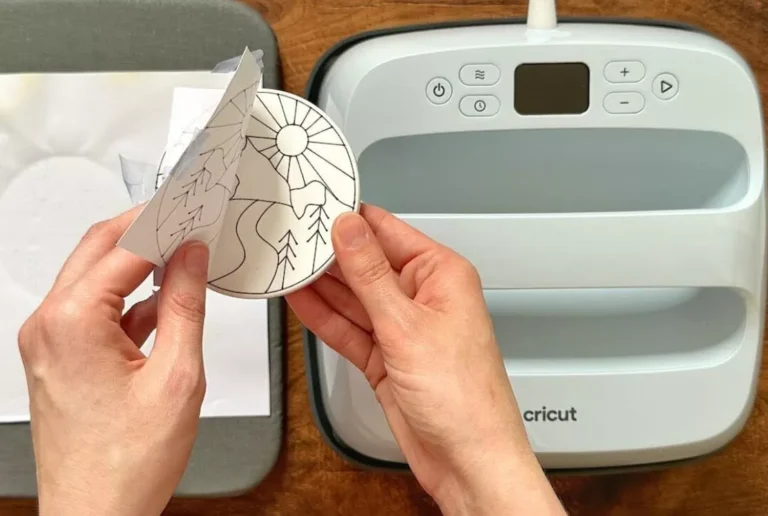
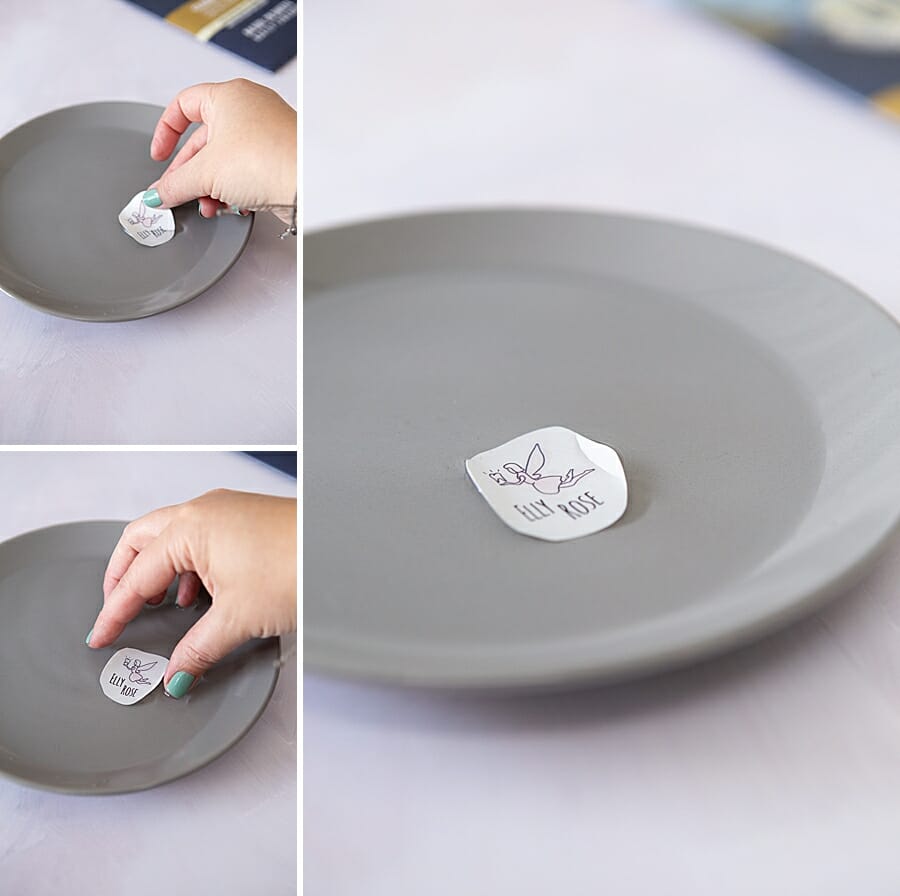
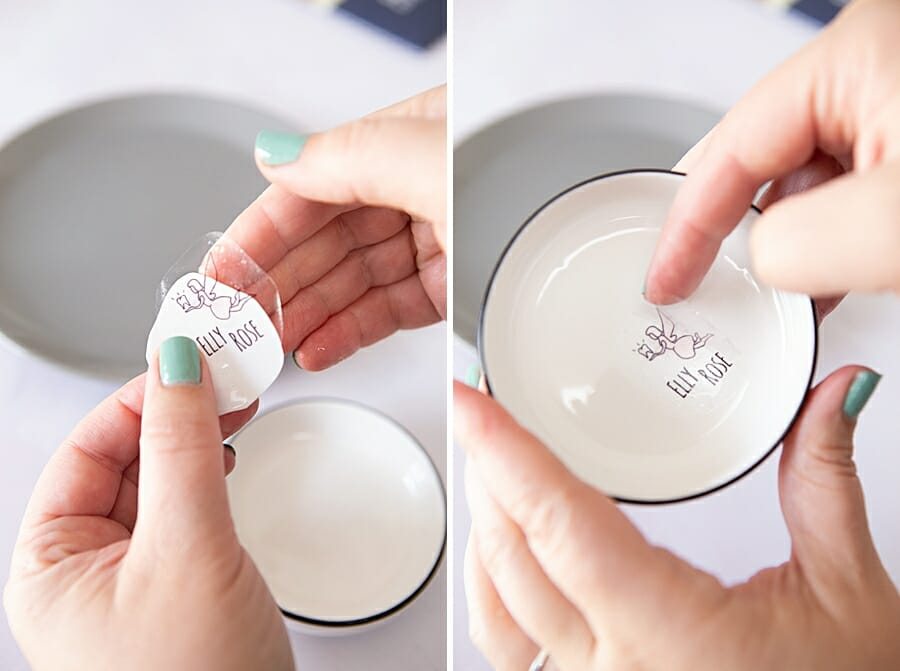
The sealed decal is trimmed to leave a minimal margin (approximately 1/8" to 1/4") and submerged in water for 30 seconds. This saturation allows the film to slide off its paper backing. The developer emphasizes the need for precision during this stage; the decal must be positioned on the ceramic dish and smoothed to remove air bubbles or excess moisture. A critical drying period of three days is recommended before the surface is handled, ensuring the adhesive bond of the decal reaches maximum strength.
Phase IV: Structural Assembly
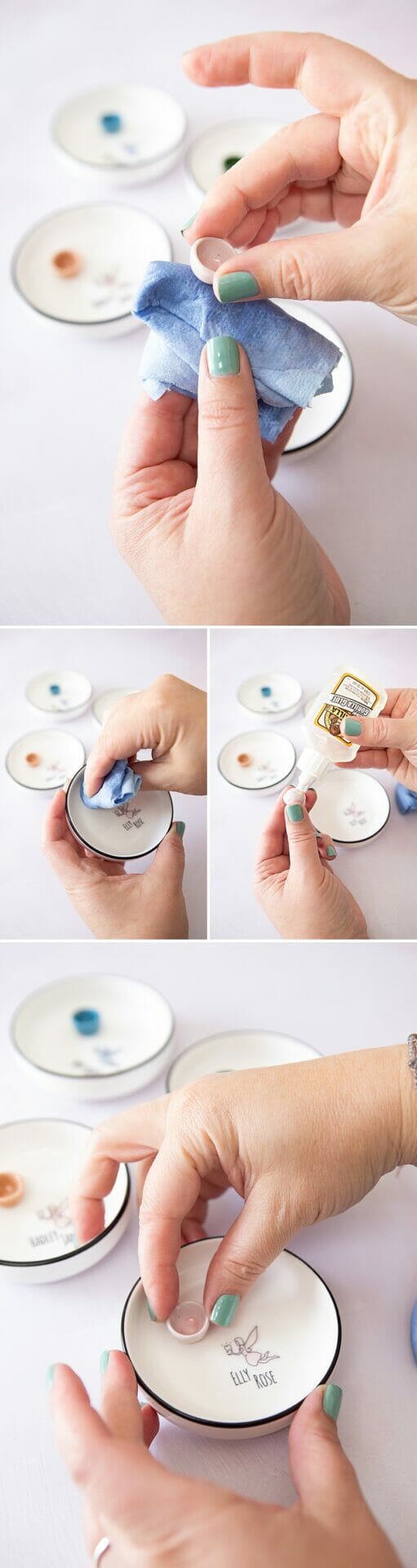
The final physical assembly involves bonding the small dollhouse bowl to the larger sauce dish. This is performed using Gorilla Glue, a polyurethane-based adhesive known for its high strength and ability to bond dissimilar materials. The surfaces are slightly dampened to activate the glue, and the components are joined simultaneously with the decal’s curing process to ensure a unified three-day drying window.
Safety Considerations and Industrial Limitations
While the resulting product is aesthetically pleasing and functional for its intended purpose, there are notable safety and maintenance limitations that align with journalistic standards for product reporting. The materials used—specifically the waterslide paper and the protective varnish—are not classified as food-safe. Consequently, these dishes are strictly decorative and intended solely for the storage of teeth and currency.
Furthermore, the delicate nature of the decal means the item is not dishwasher safe. While some waterslide media can be "oven-cured" on ceramics to increase durability, the developer notes that for items with low-frequency use, such as a tooth fairy dish, air-drying is sufficient but renders the item hand-wash only.
The "Glitter Money" Phenomenon and Consumer Engagement
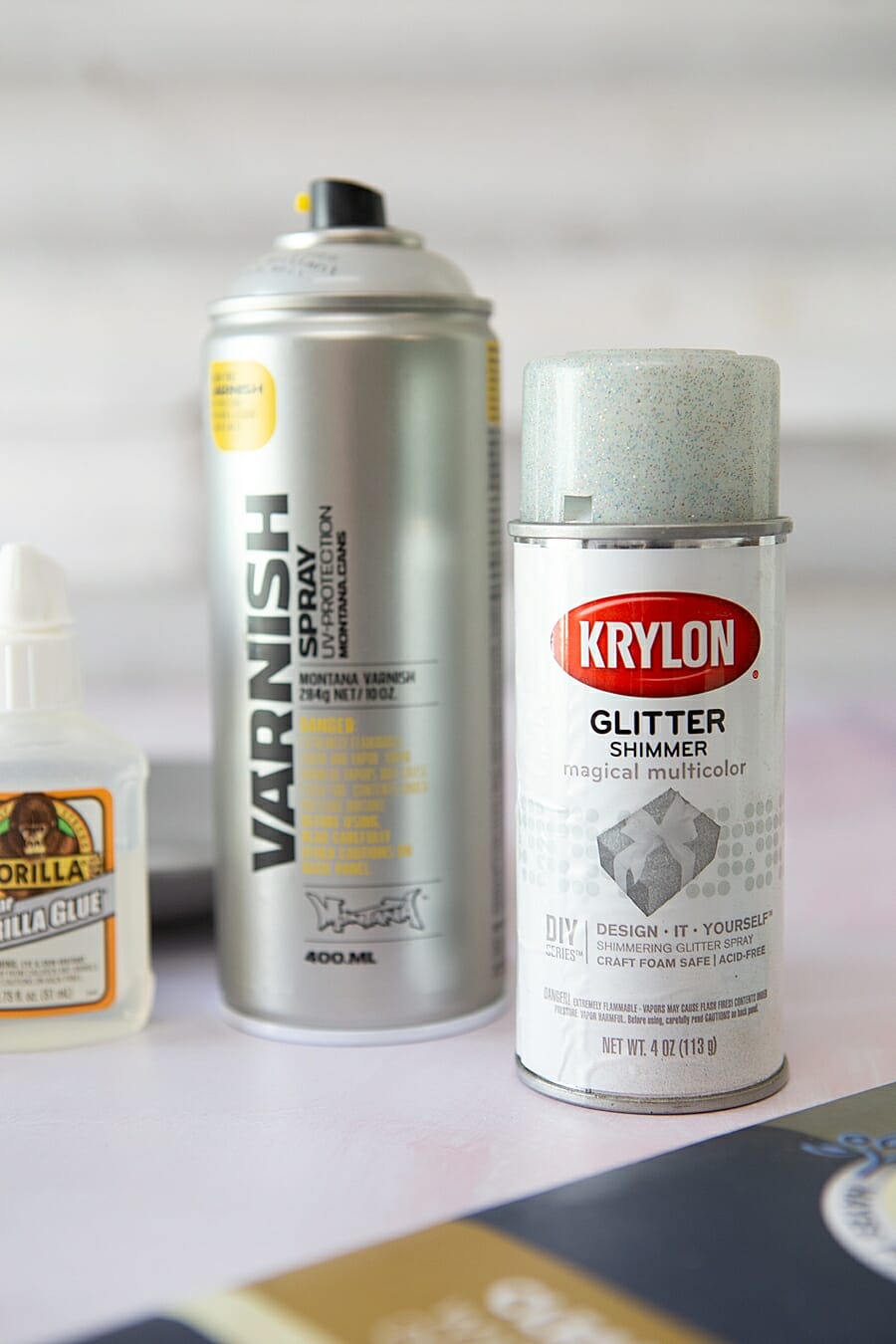
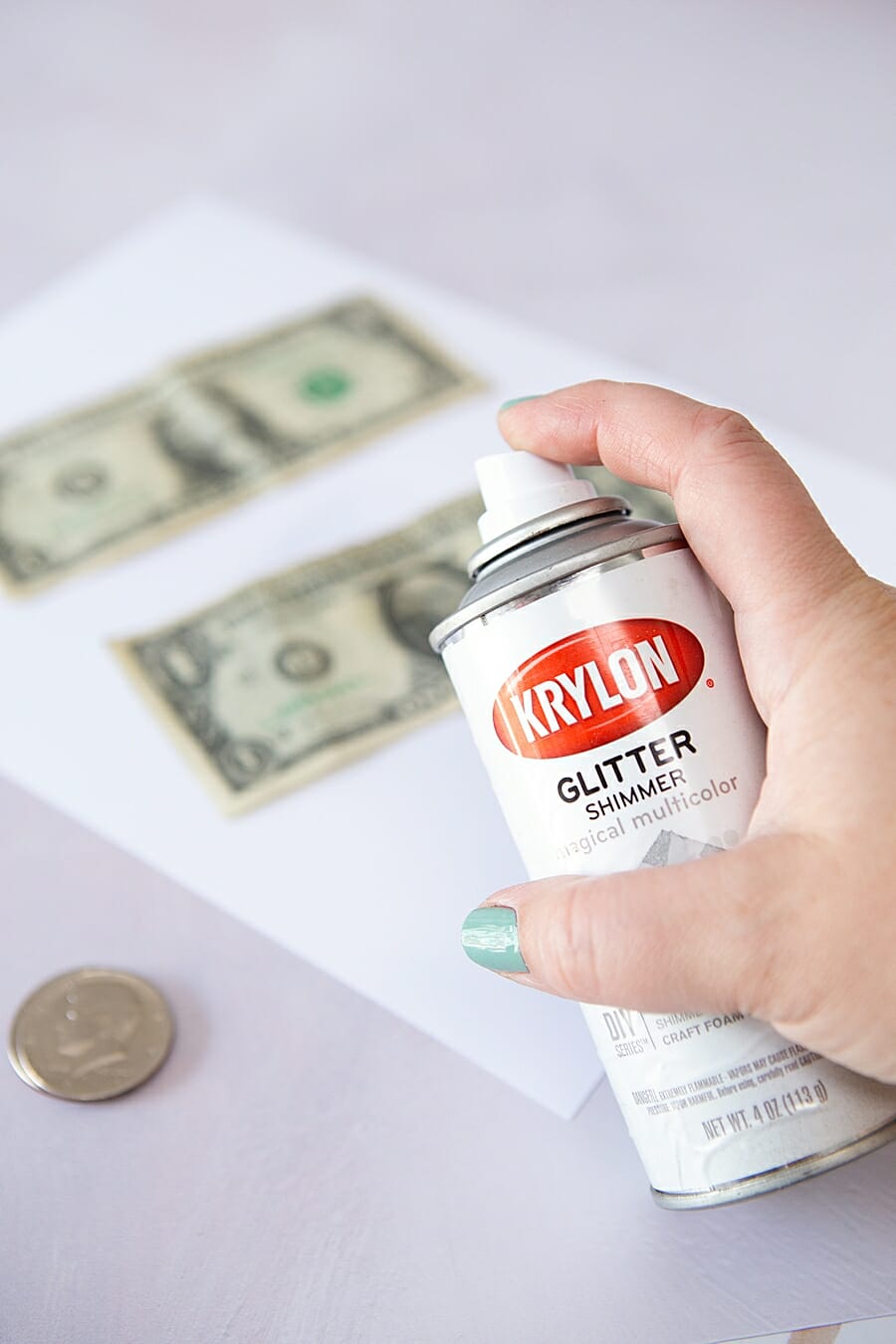
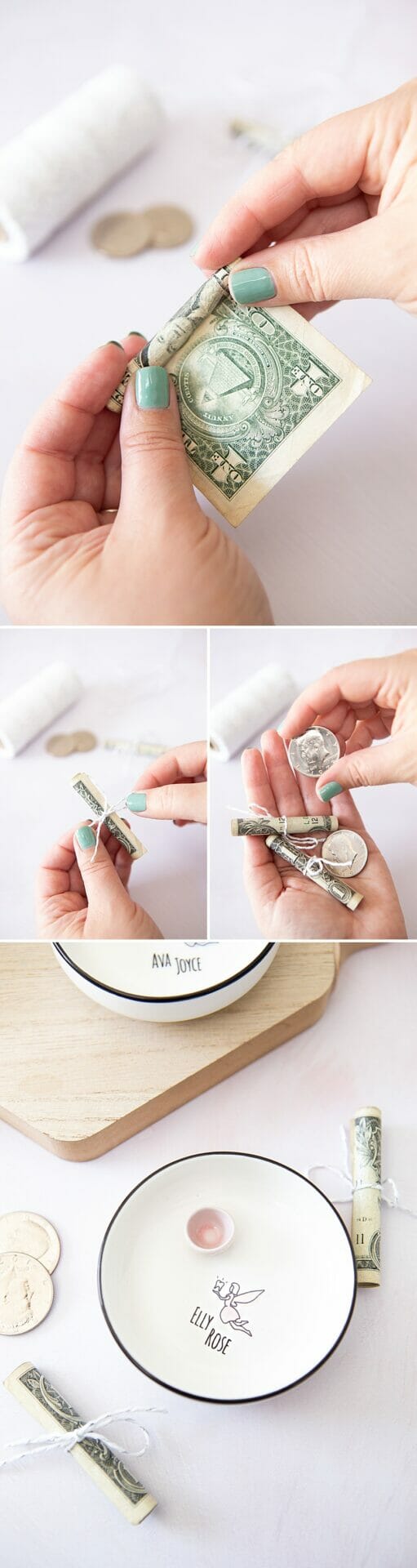
Ancillary to the creation of the dish is the trend of "tooth fairy money" enhancement. This involves the application of glitter spray to currency or the polishing of half-dollar coins to create a "magical" aesthetic. This practice has gained traction on social media platforms like Instagram and TikTok, where the visual appeal of "fairy dust" on dollar bills serves as a form of social currency for parents sharing their "DIY wins."
The Something Turquoise project encourages this level of engagement, utilizing the hashtag #somethingturquoisediy to foster a community of practitioners. This reflects a broader shift in how modern traditions are documented and validated through digital communities.
Expert Analysis: The Impact of Personalized Rituals
Child development experts suggest that the ritualization of milestones like losing a tooth can provide children with a sense of security and continuity. By involving the child in the "delivery" of the tooth to a personalized, permanent dish rather than a hidden pillow, the ritual becomes more tangible.
From a marketing perspective, the success of such DIY projects highlights the viability of the "hybrid product" model—where a creator sells a digital asset (the template) that requires the consumer to purchase physical supplies (the dishes and paper) to complete the project. This ecosystem benefits both the digital creator and major retailers like Amazon, creating a symbiotic relationship within the hobbyist economy.
Conclusion and Future Outlook
The personalized ceramic tooth fairy dish is more than a simple craft project; it is a manifestation of how technology and tradition are merging in the modern home. As 3D printing and more advanced transfer technologies become accessible to the general public, it is likely that the "handmade" sector will continue to move toward high-fidelity, durable keepsakes. For now, the combination of digital templates and ceramic substrates provides a professional-grade alternative to traditional methods, allowing parents to create lasting artifacts of their children’s early years. The three-day curing process and the careful selection of chemical sealants underscore a commitment to quality that distinguishes this methodology from the ephemeral crafts of the past. As these dishes find their way onto nightstands across the country, they serve as a testament to the enduring power of childhood folklore and the evolving tools we use to celebrate it.