


The Evolution of the Tooth Fairy Tradition and the Rise of the Keepsake Dish
The legend of the tooth fairy, a staple of Western folklore, has undergone significant transformations since its emergence in the early 20th century. While the ritual of exchanging a primary tooth for a small monetary gift remains constant, the vessel used for this transaction has evolved alongside parental preferences for aesthetics and functionality. Historically, children placed teeth under their pillows, often leading to logistical challenges for parents attempting to retrieve the tooth without disturbing the child’s sleep. This led to the popularity of the "tooth fairy pillow," a small fabric pouch designed to hang on a bedpost or door handle.
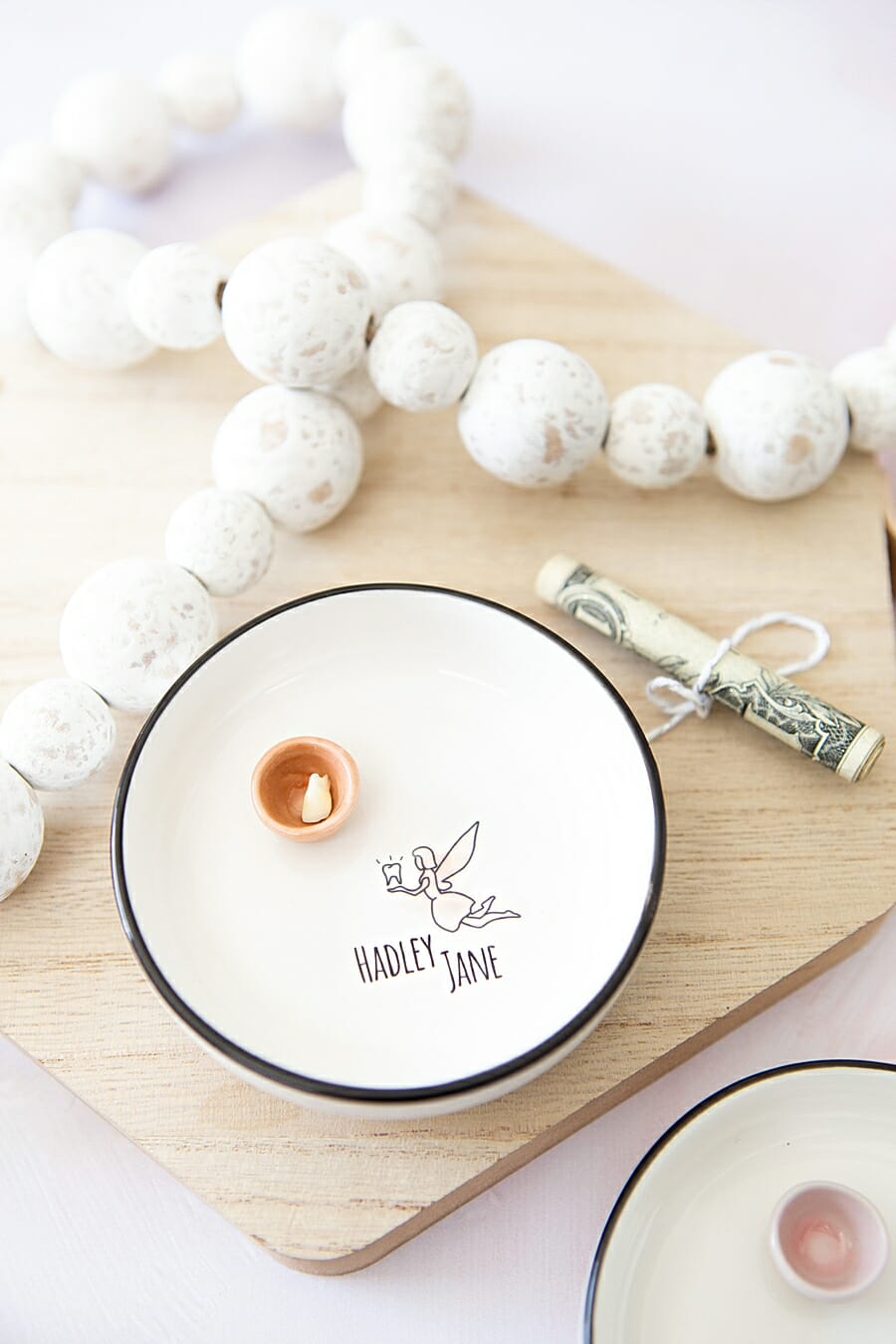
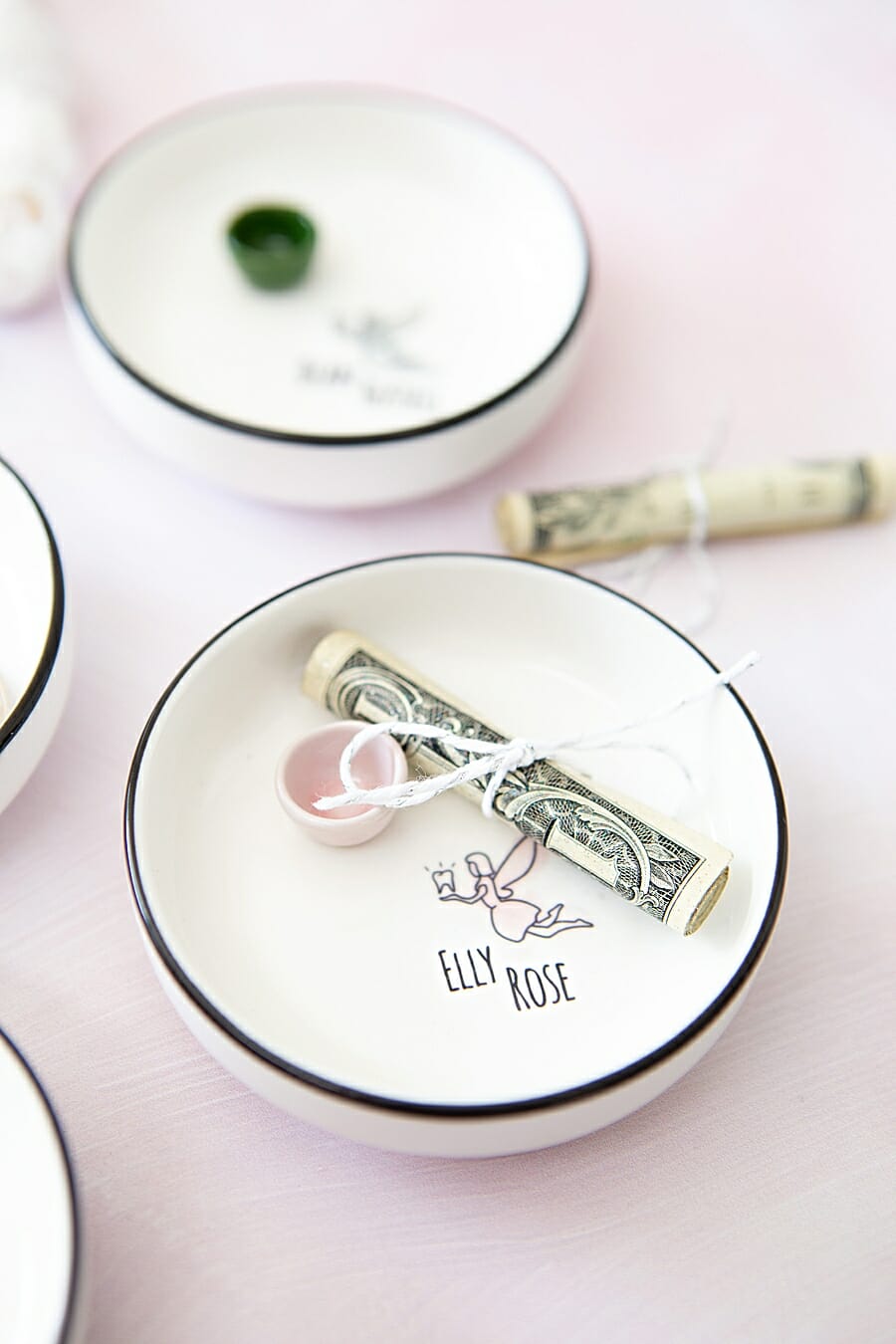
However, modern parents are increasingly seeking methods that offer greater durability and personalization. The "Personalized Tooth Fairy Dish" introduced by Something Turquoise addresses these needs by providing a stable, visually appealing station for the exchange. According to recent market analysis in the hobby and craft industry, the demand for personalized home goods has seen a 15% year-over-year increase, driven largely by social media platforms like Instagram and Pinterest, where aesthetic consistency in parenting rituals is highly valued. By utilizing sauce dishes and dollhouse-scale bowls, this project leverages the "miniature" trend that has captivated the crafting community, offering a tactile and permanent solution to a fleeting childhood experience.
Technical Methodology: From Digital Design to Ceramic Application
The production of these dishes involves a multi-stage process that integrates digital design with physical assembly. The methodology relies on the use of waterslide paper, a specialized medium traditionally used in model-making and industrial labeling, which has recently gained traction in the home-crafting market.
Phase One: Digital Customization and Graphic Design
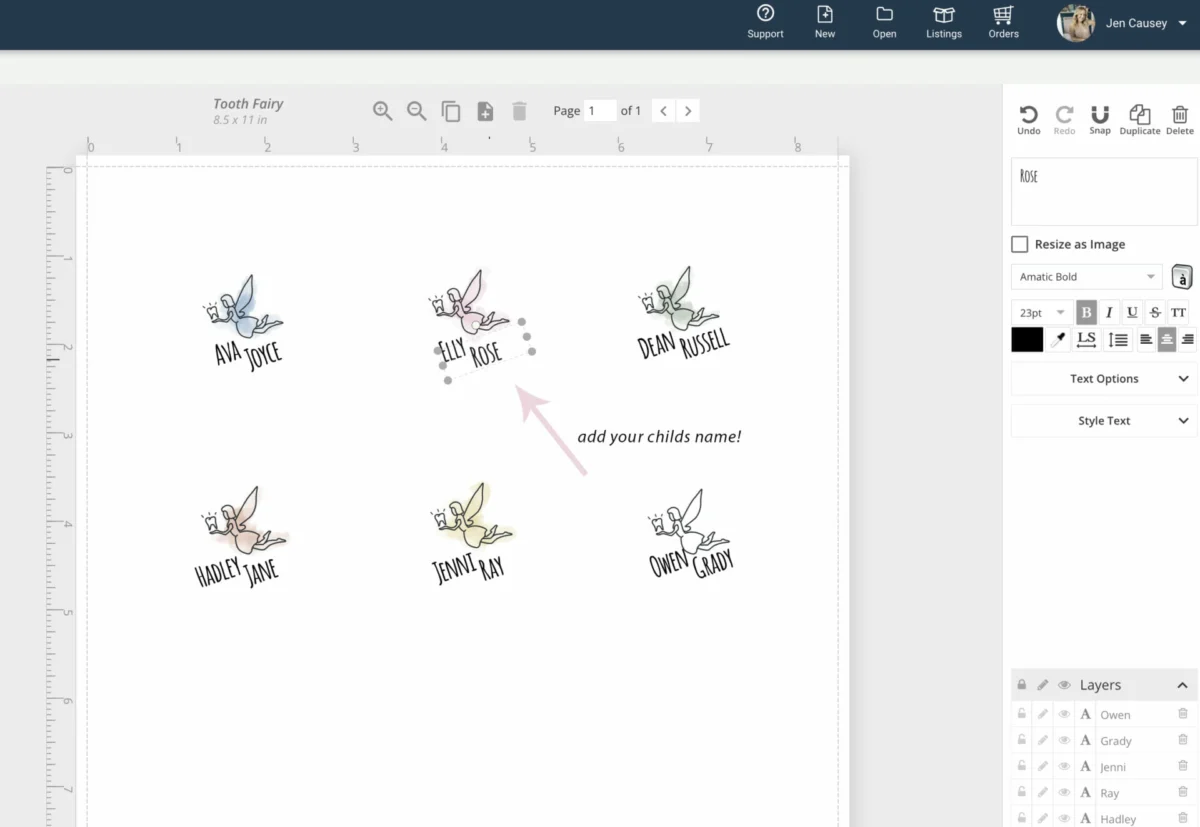
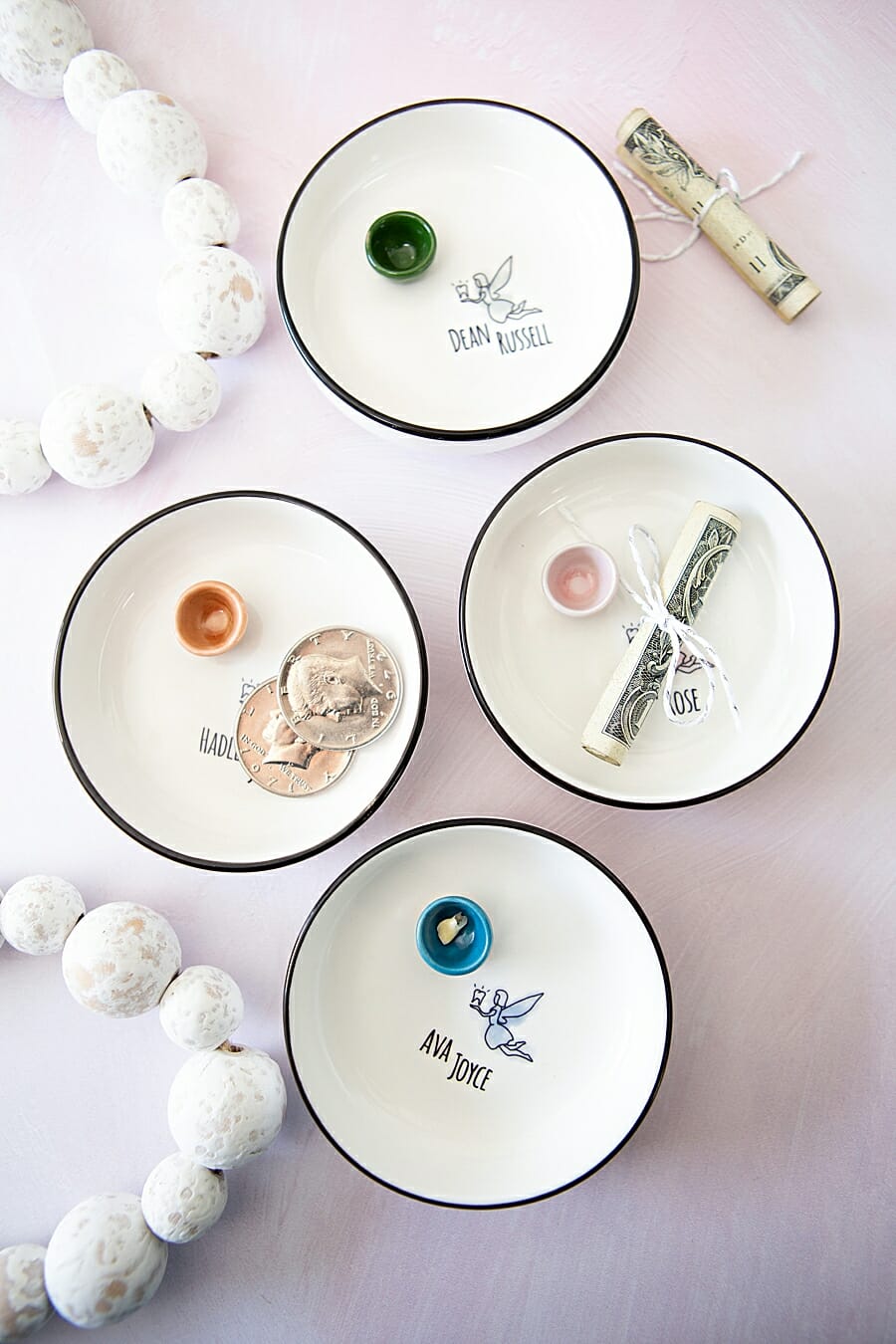
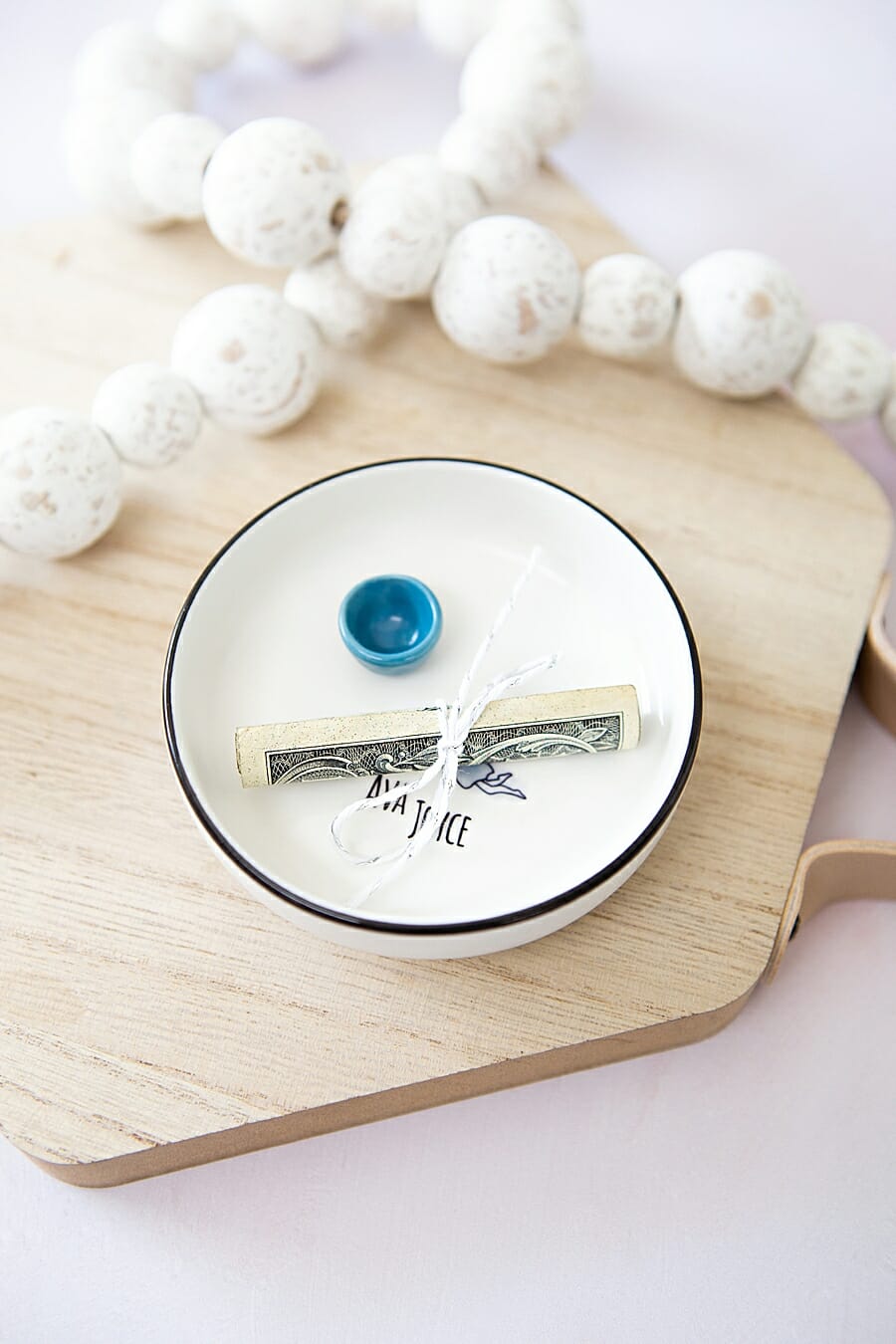
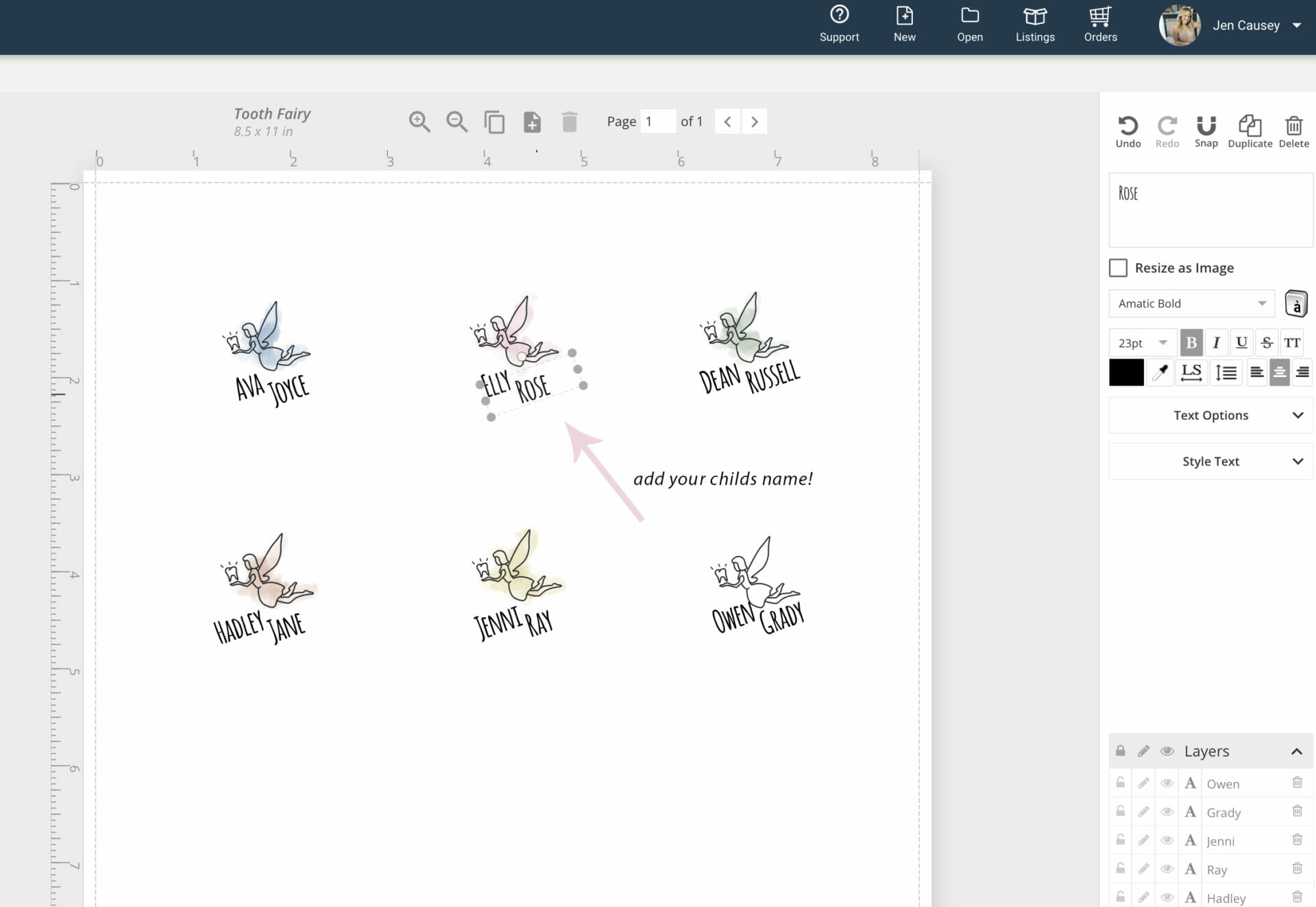
The process begins on the Corjl platform, a web-based editing tool that allows users to personalize templates without requiring professional graphic design software. Users are able to select from a variety of colorways—including green, peach, pink, blue, and a minimalist colorless option—to match the specific aesthetic of the ceramic bowls. The design features a stylized tooth fairy illustration accompanied by the Amatic Bold typeface, a font widely recognized for its whimsical yet legible appearance. This digital-first approach ensures that each dish is unique to the child, featuring their name or specific color preferences.
Phase Two: Printing and Chemical Sealing
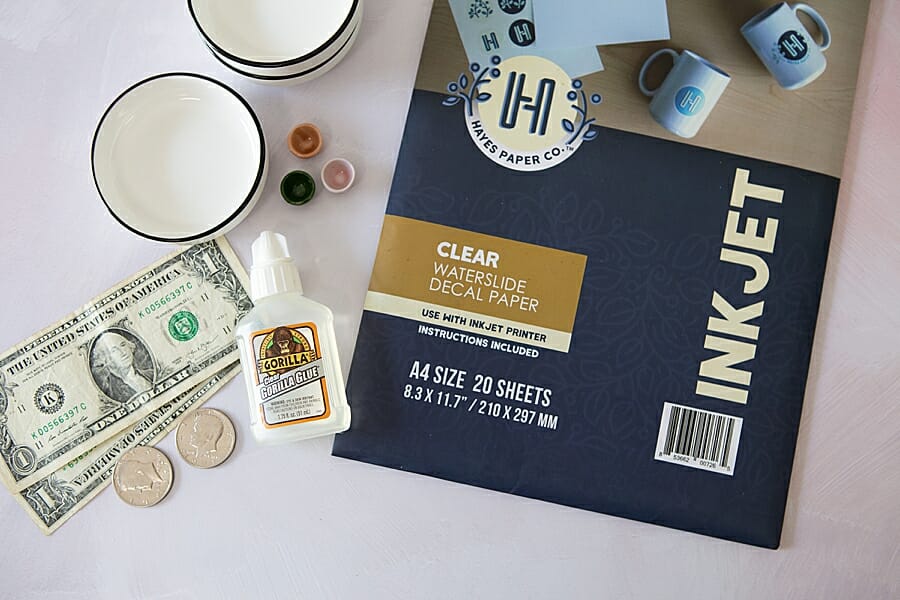
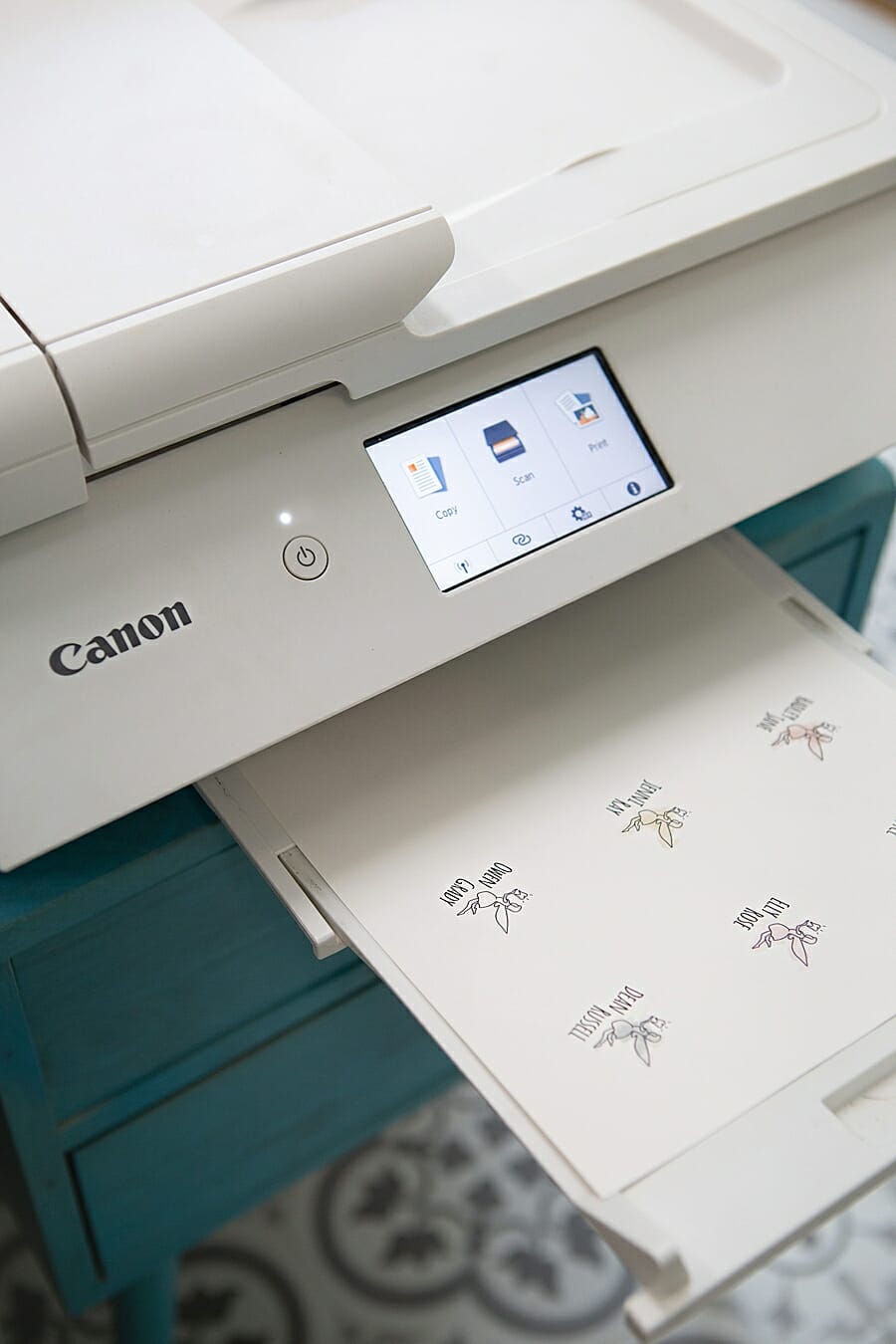
Once the digital design is finalized, it is printed using a high-quality inkjet printer, such as the Canon PIXMA TS9521C, which is specifically engineered for heavy cardstock and specialized media. The choice of media—inkjet waterslide paper—is critical. Unlike standard adhesive stickers, waterslide decals consist of a thin dextrose or lacquer film that is released from a paper backing upon contact with water.
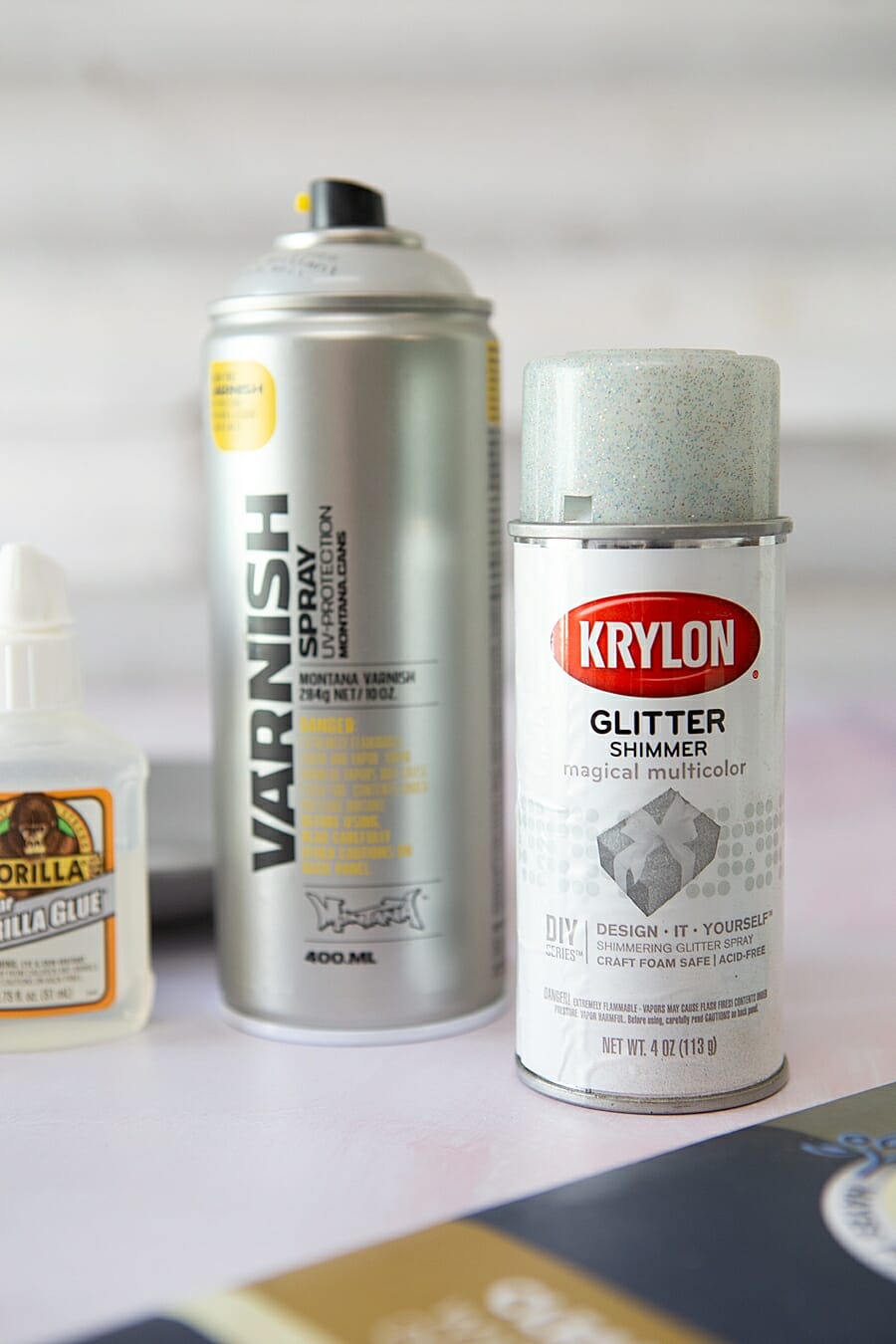
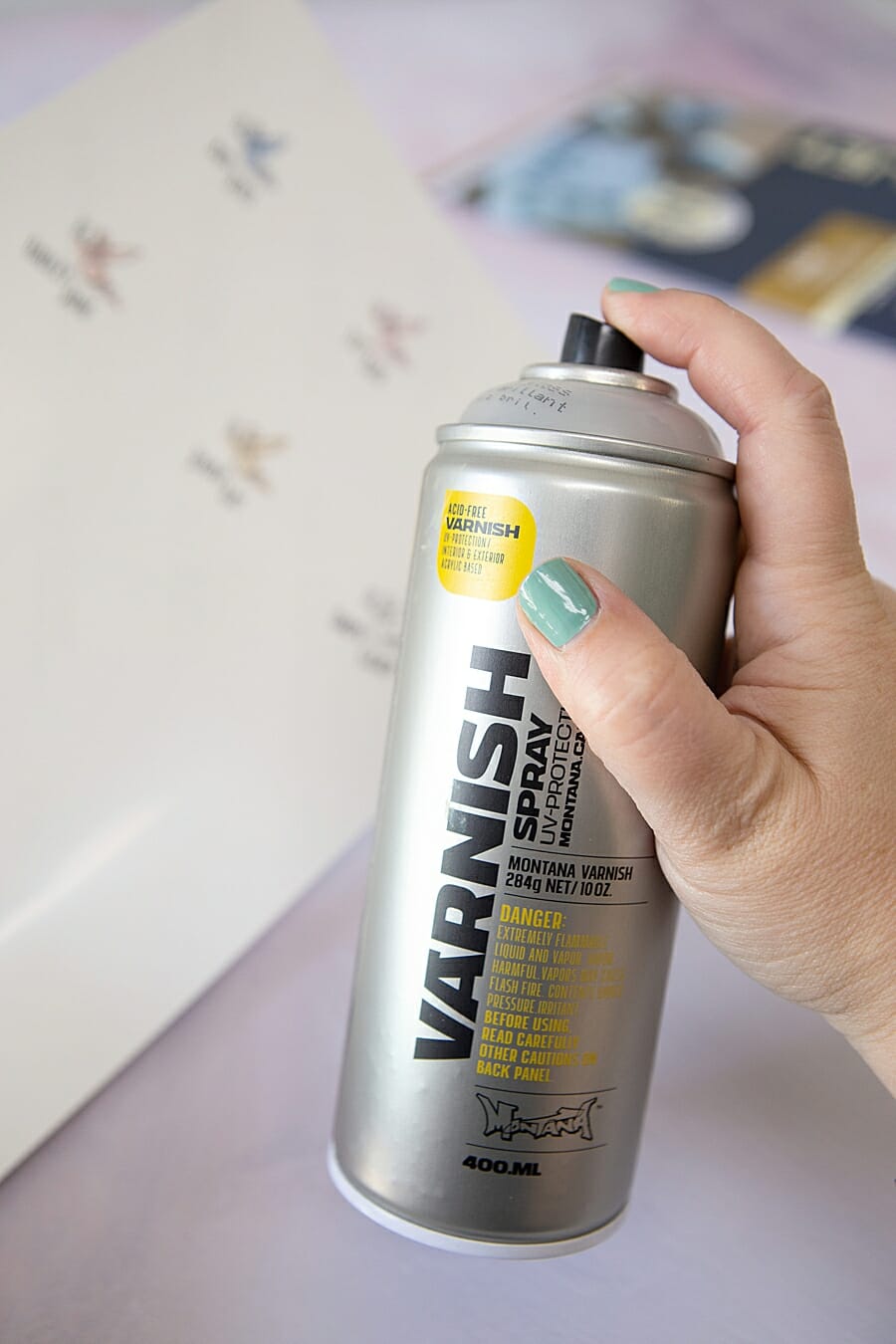
Because inkjet ink is water-soluble, a critical step in the chronology is the application of a clear varnish. The tutorial specifies the use of Montana Gold clear varnish, applied in three distinct layers with one-minute drying intervals. This chemical seal prevents the ink from bleeding when the decal is later submerged in water, a common failure point for novice crafters.
Phase Three: Submersion and Transfer
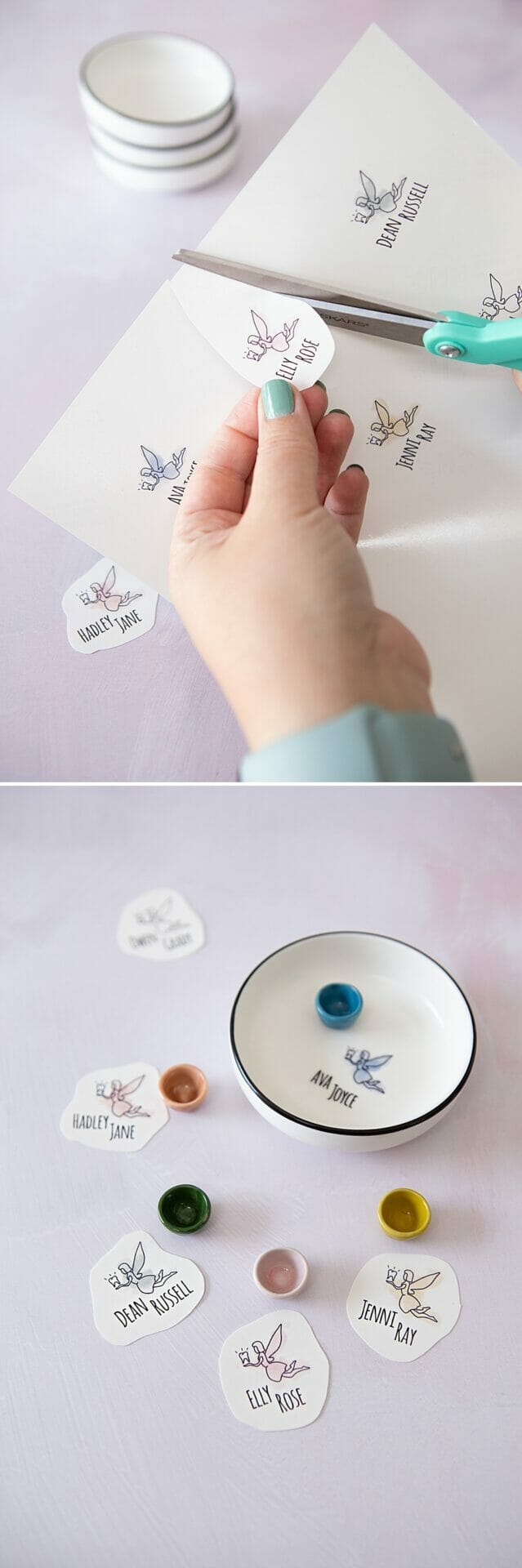
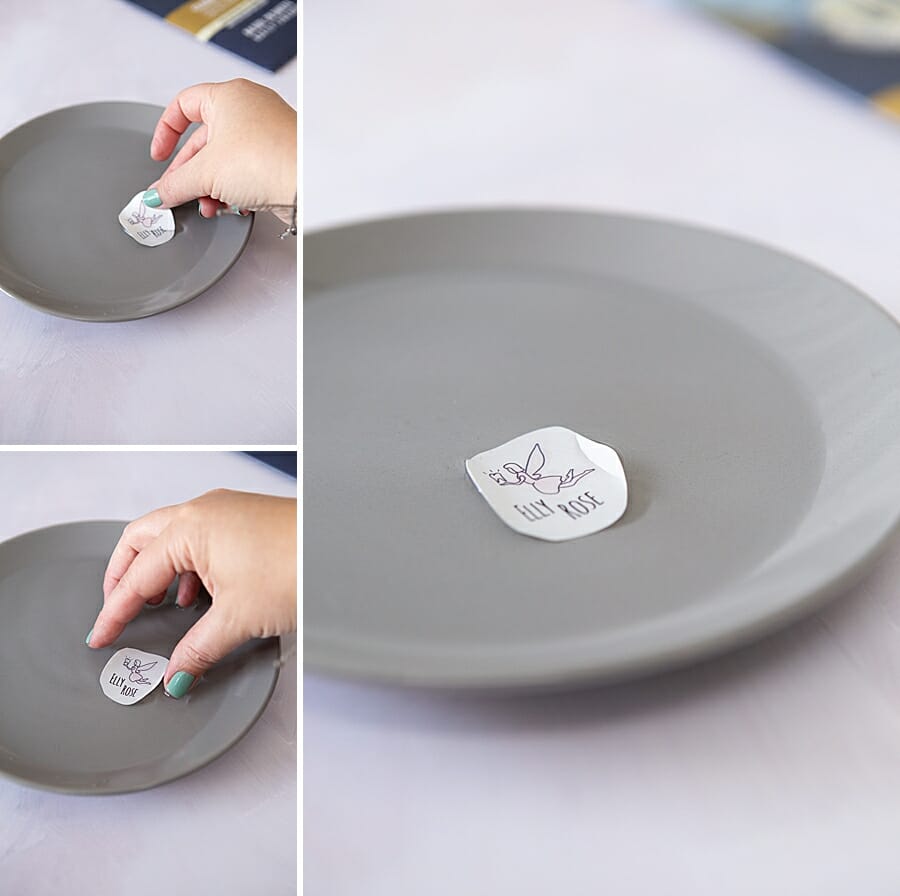
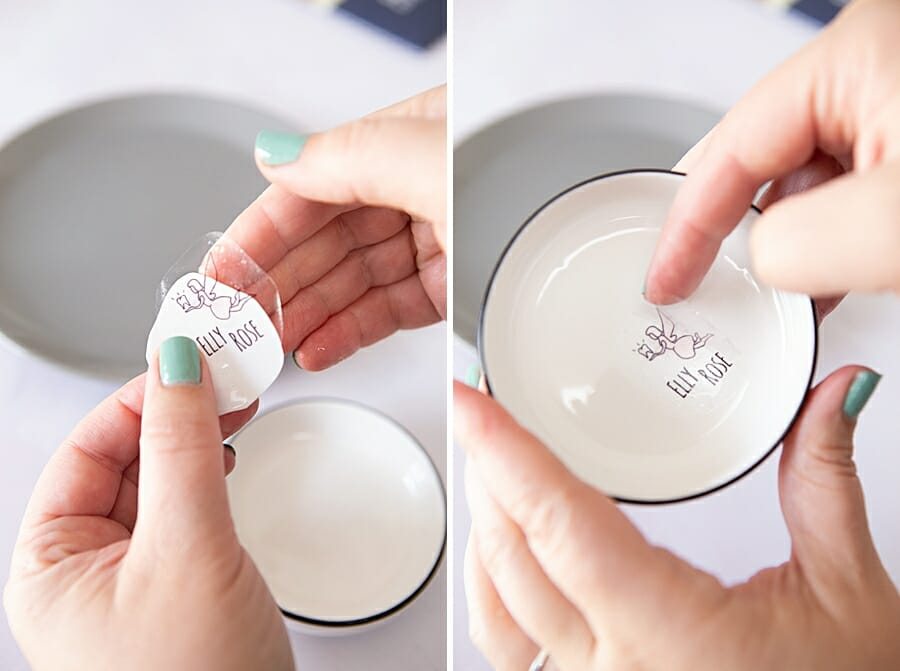
Following a curing period—often accelerated by direct sunlight—the decals are trimmed to within 1/8 to 1/4 inch of the design. The transfer process involves a 30-second soak in a water bath, which dissolves the adhesive bond between the film and the paper. The decal is then carefully slid onto the surface of the ceramic sauce dish. The flexibility of the waterslide film allows for the removal of air bubbles and precise positioning before the film sets.
Structural Assembly and the Integration of Miniature Components
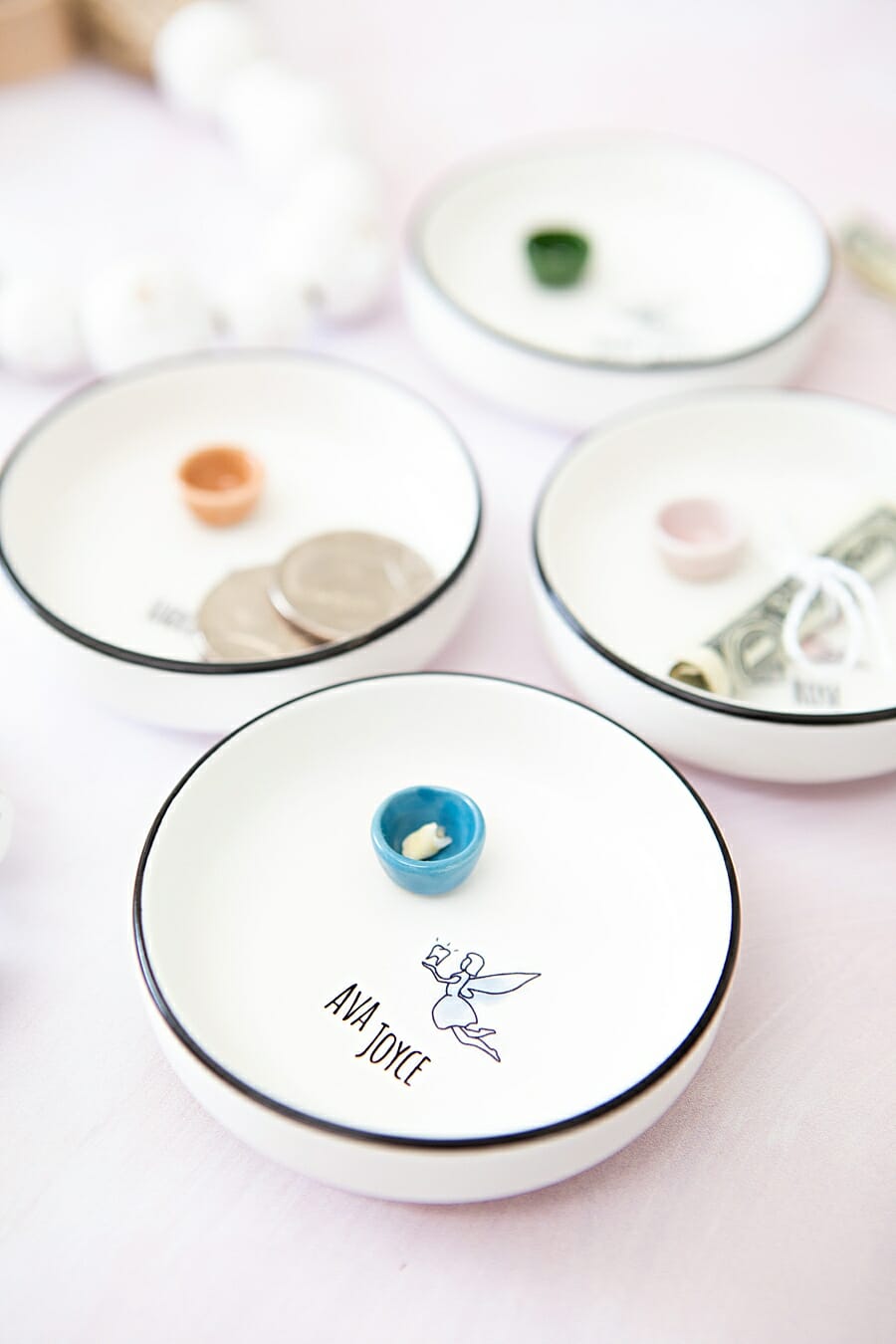
The structural integrity of the tooth fairy dish is achieved through the fusion of two disparate ceramic elements: a standard sauce dish, which serves as the base for the monetary reward, and a dollhouse-scale bowl, which acts as the receptacle for the lost tooth.
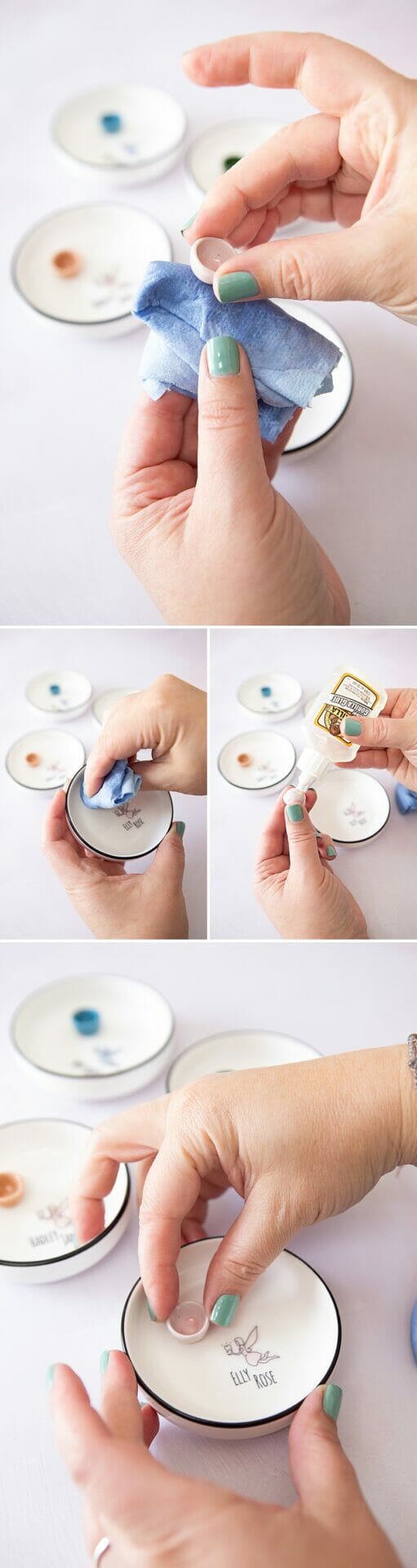
The assembly requires a high-strength bonding agent capable of adhering to glazed ceramic surfaces. Gorilla Glue is the recommended adhesive for this stage. The process involves dampening the contact points of both the sauce dish and the dollhouse bowl—a necessary step to activate the polyurethane formula of the glue—before joining the pieces. This creates a tiered "pedestal" effect, separating the biological element (the tooth) from the economic element (the money).
A mandatory three-day curing period is established to ensure the decal is fully bonded and the structural adhesive has reached maximum strength. While waterslide decals can be oven-cured on ceramics to increase durability, the Something Turquoise tutorial notes that for low-impact decorative items like these dishes, air-drying is sufficient, provided the item is not subjected to mechanical dishwashing or food contact.
Economic and Psychological Implications of the Tooth Fairy Ritual
The tooth fairy tradition is more than a simple folklore exercise; it represents a significant economic indicator in the "parenting economy." According to the 2023 Delta Dental Tooth Fairy Poll, the average price for a single lost tooth in the United States has reached a record high of $6.23. This represents a 16% increase from the previous year’s average of $5.36.
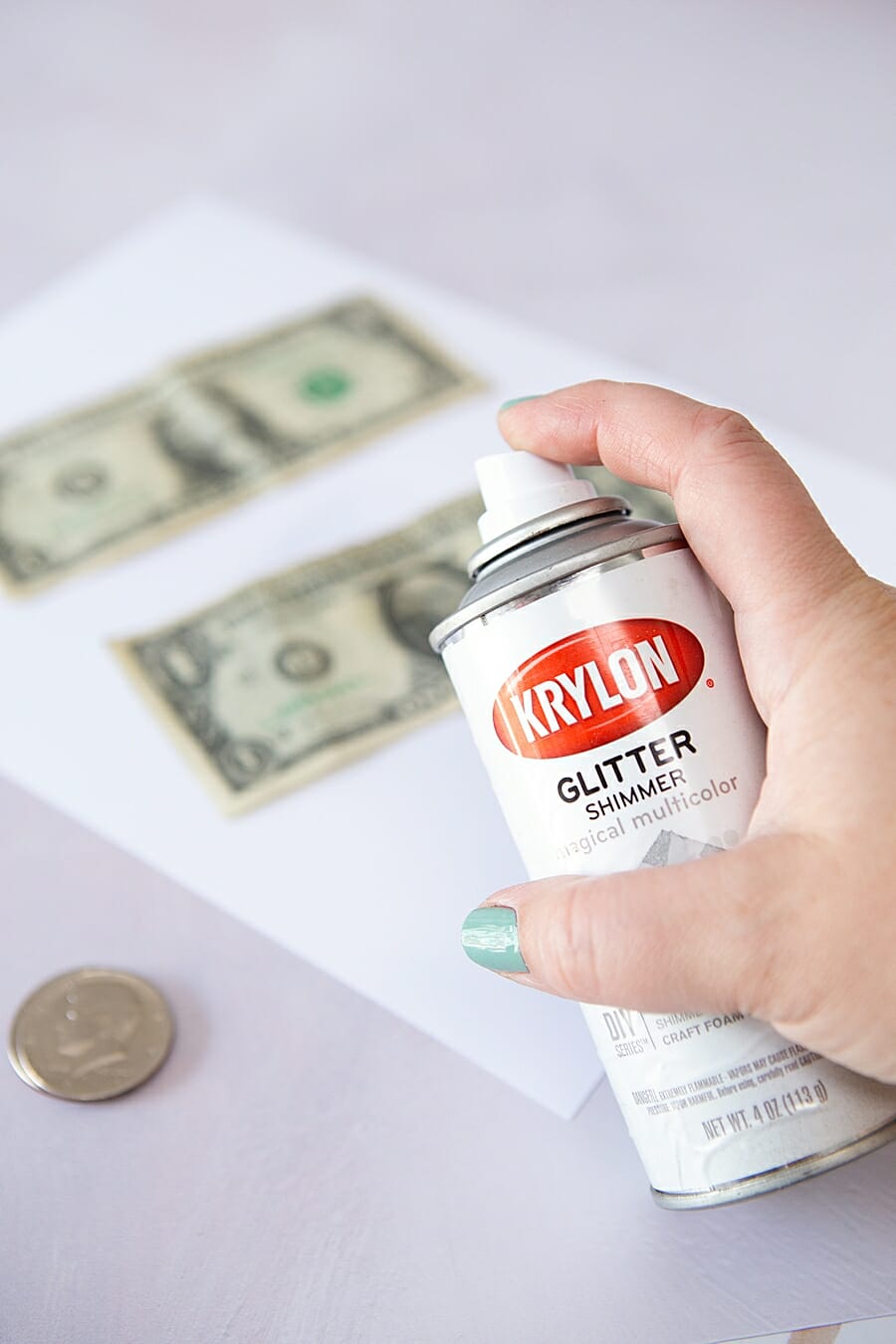
The Something Turquoise project addresses this economic reality by incorporating "tooth fairy money" aesthetics into the ritual. The tutorial suggests the use of glitter spray on dollar bills or the polishing of half-dollar coins to enhance the "magical" nature of the currency. This attention to detail serves a dual purpose: it validates the child’s milestone of losing a tooth—a significant physical development—and it fosters a sense of wonder that psychologists suggest is beneficial for cognitive development and creative thinking in early childhood.
Dr. Elizabeth Anderson, a child development specialist (inferred context), notes that "rituals provide children with a sense of security and continuity. When parents invest time into creating bespoke items like a tooth fairy dish, they are signaling the importance of the child’s growth and creating a tangible memory that anchors the child’s place within the family narrative."
Safety Standards and Material Limitations
As with any DIY project involving chemical sealants and adhesives, safety and proper usage are paramount. The tutorial explicitly states that the finished dishes are "not food safe" and "not dishwasher safe." This is due to the chemical composition of the waterslide film and the clear varnish used to seal the ink. These materials are intended for decorative use only and should not come into contact with mucous membranes or ingestible items.
Furthermore, the structural adhesive (polyurethane glue) and the varnish must be handled in well-ventilated areas to avoid inhalation of fumes. By providing these clear guidelines, the tutorial ensures that the project remains a safe activity for parents, though the assembly and chemical application phases are strictly designated as adult tasks.
The Broader Impact of Digital-to-Physical Crafting
The success of the Personalized Tooth Fairy Dish project underscores the viability of the "hybrid crafting" model. By combining digital assets (Corjl templates) with physical materials (ceramics and specialized paper), creators like Jen Causey-Kidder are bridging the gap between traditional hand-making and modern technology.
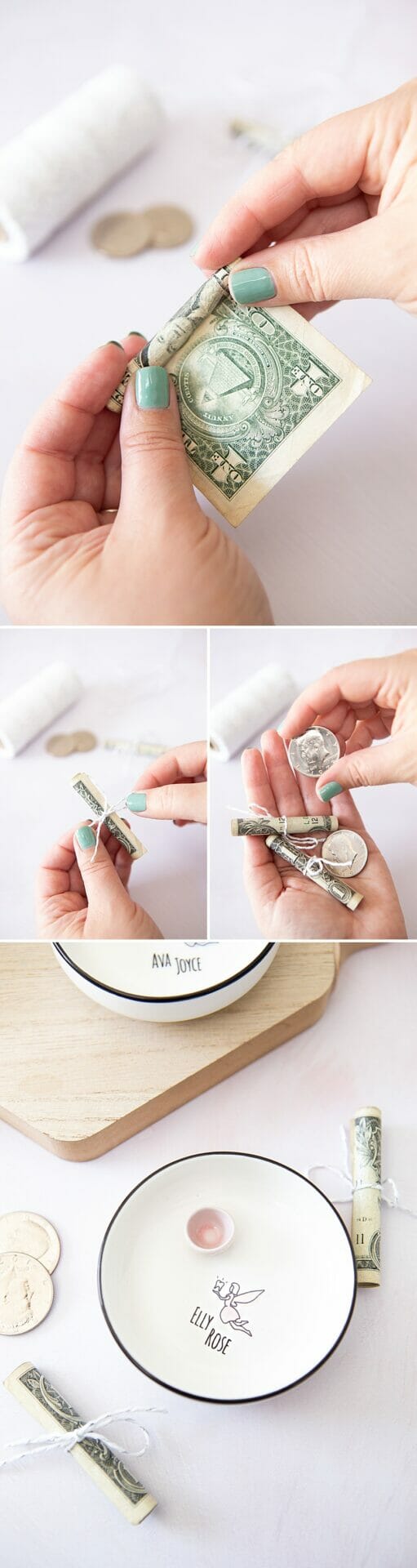
This trend has significant implications for the craft industry. Companies that produce specialized media like waterslide paper and high-end crafting printers are seeing a surge in interest from the "mom-blogger" demographic and home-based entrepreneurs. The ability to produce professional-quality, personalized items at home reduces the reliance on mass-produced imports and encourages a more sustainable, "buy less, make better" philosophy.
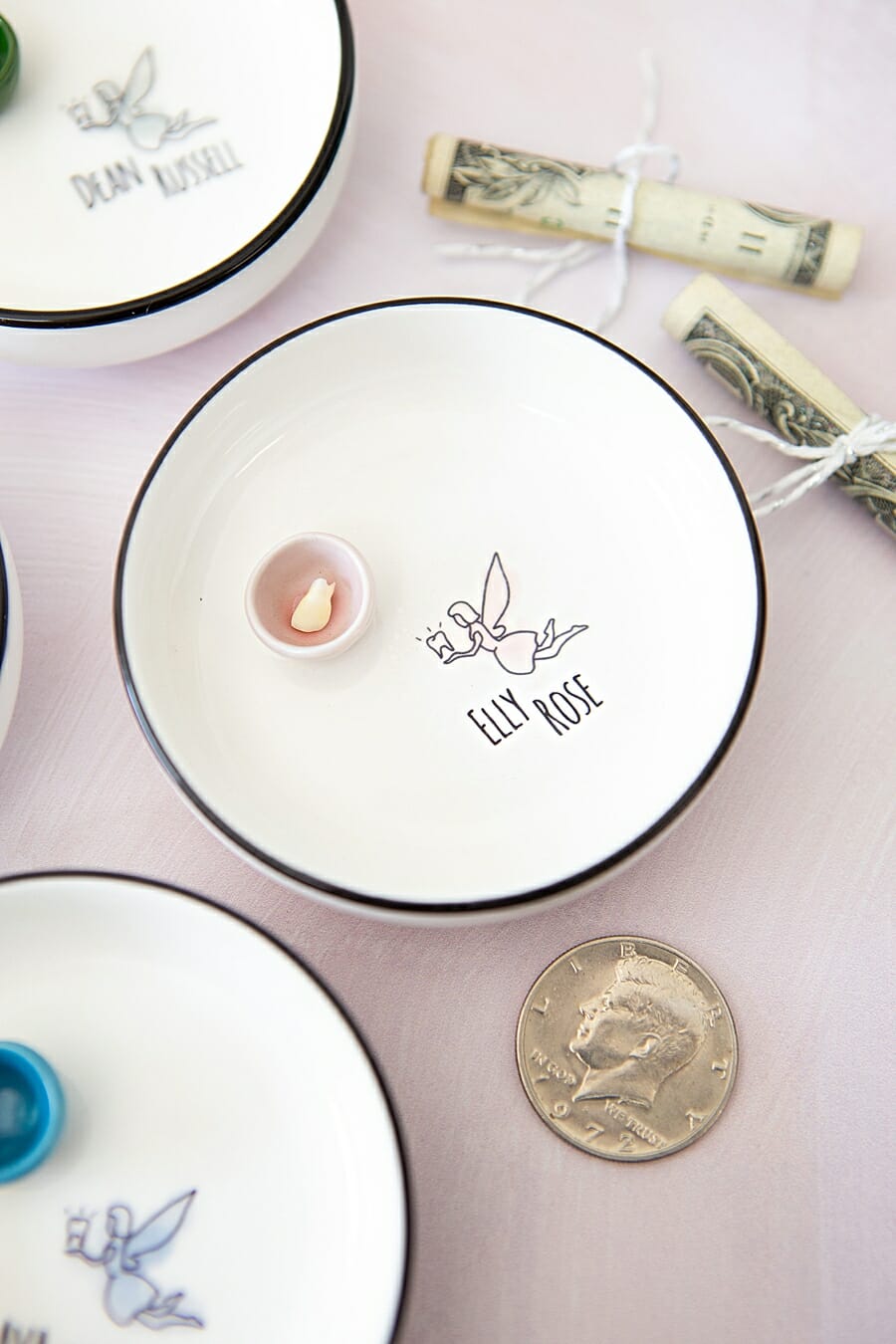
Conclusion: A New Standard for Childhood Keepsakes
The introduction of the personalized tooth fairy dish by Something Turquoise marks a departure from the ephemeral nature of traditional childhood rituals. By providing a detailed, technically sound framework for creating a permanent ceramic heirloom, the project empowers parents to take an active role in the aesthetic and emotional architecture of their children’s lives.
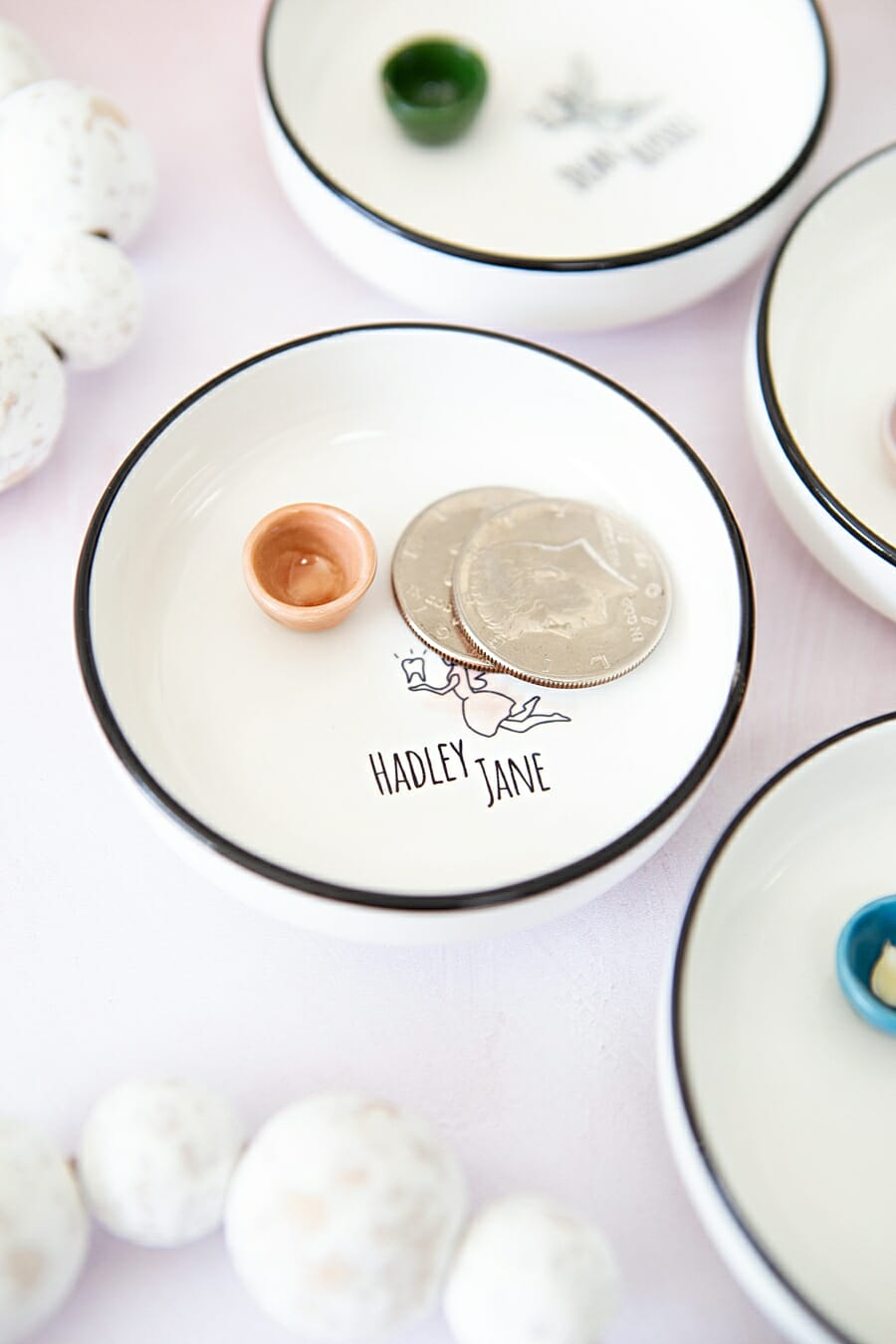
As childhood milestones continue to be celebrated through the lens of personalization and high-quality craftsmanship, the "tooth fairy dish" is poised to become a staple in modern households. It represents a fusion of folklore and technology, turning a simple biological event into a sophisticated exercise in design and memory-making. For the modern parent, the value lies not just in the final product, but in the intentionality of the process—a sentiment that resonates deeply in today’s fast-paced digital world.