


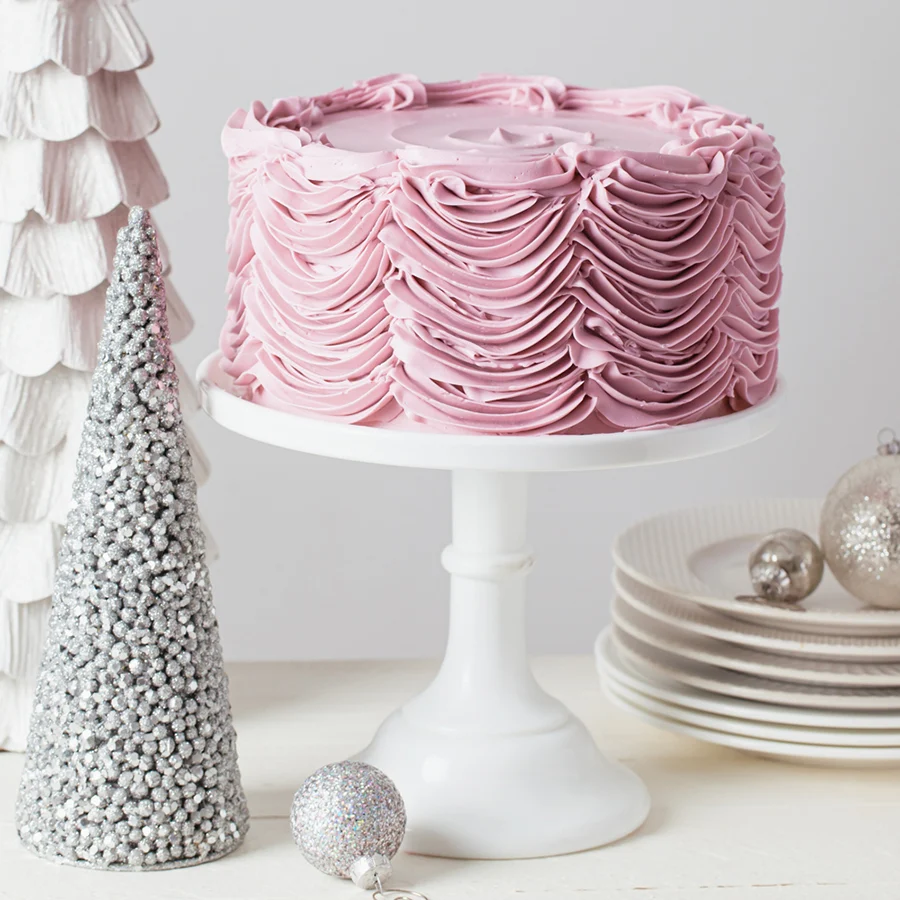
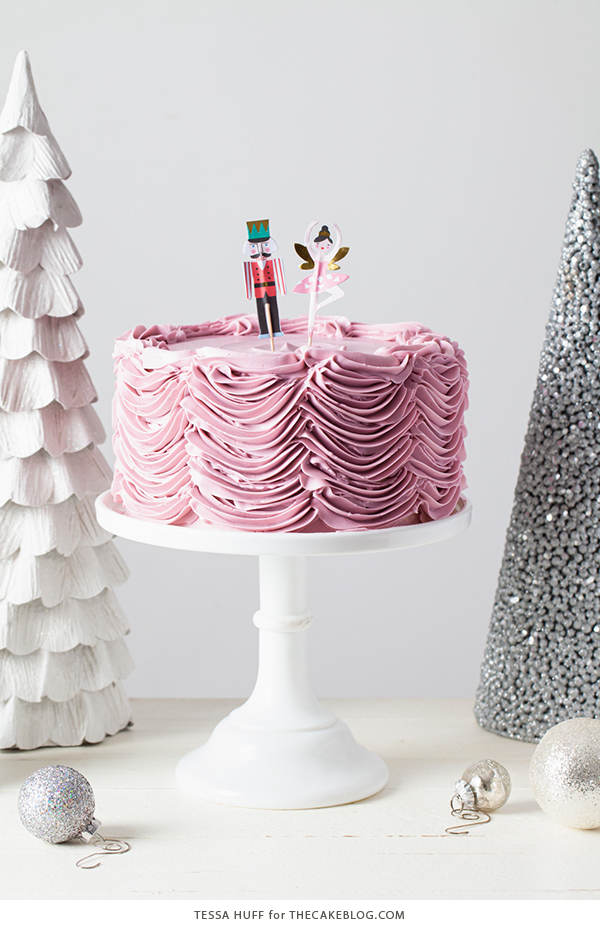
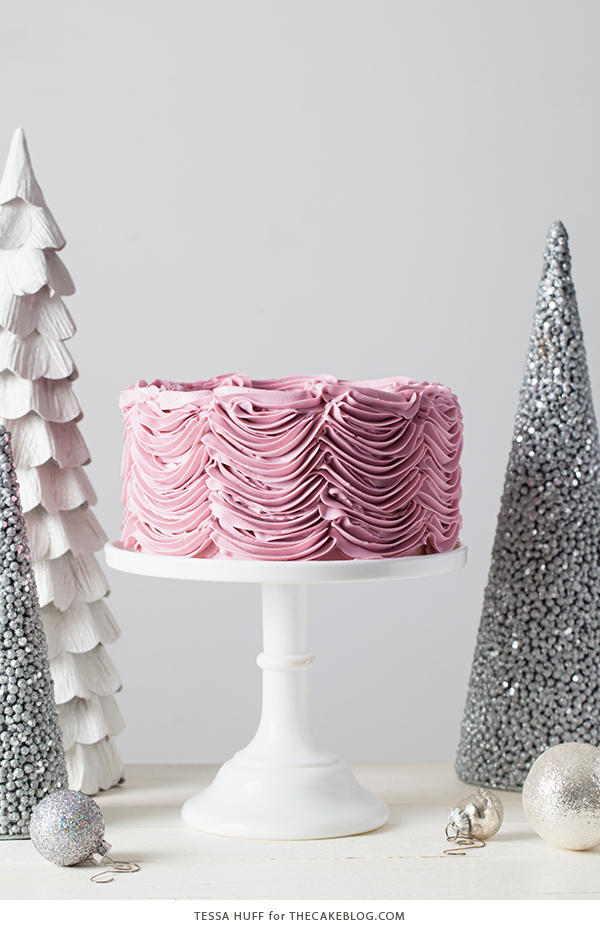
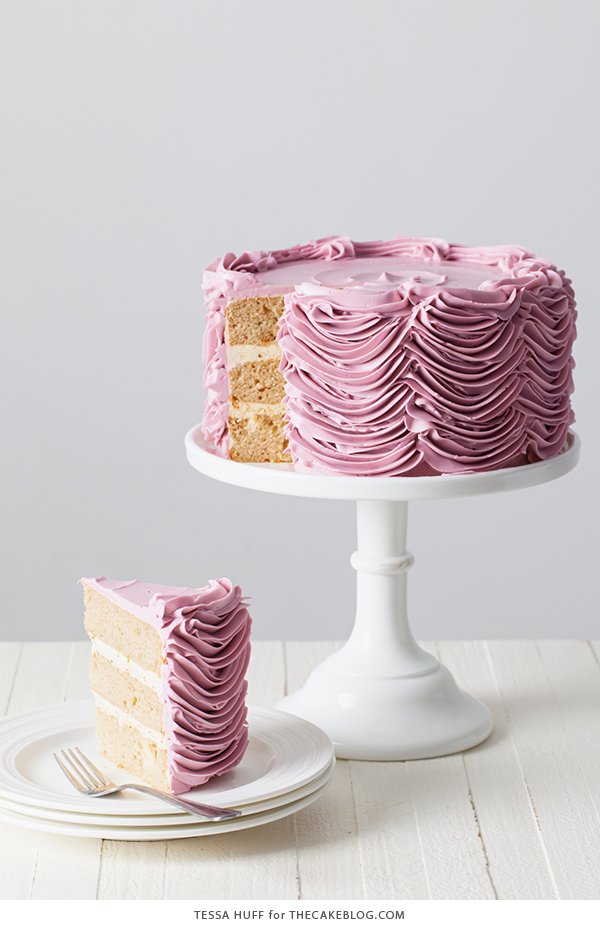
The culinary landscape of the holiday season has been expanded with the introduction of a specialized confectionery creation known as the Hazelnut Nutcracker Cake, a multi-layered dessert that integrates traditional winter spices with advanced pastry techniques. Developed by renowned cake designer and culinary contributor Tessa Huff for the digital platform TheCakeBlog.com, the recipe serves as a technical tribute to the aesthetic and thematic elements of the classic Nutcracker ballet. The cake is characterized by its foundational brown sugar and nutmeg sponge, a textured hazelnut praline Swiss meringue buttercream, and an intricate "swag" piping design intended to evoke the visual grace of a ballerina’s tutu.

Technical Composition and Flavor Profile
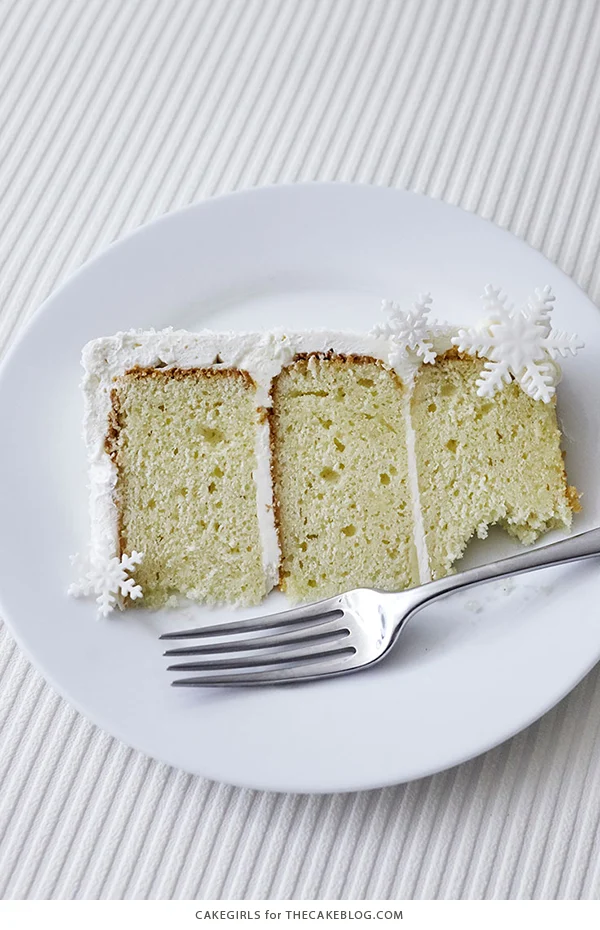
The Hazelnut Nutcracker Cake is engineered to provide a sophisticated alternative to traditional fruit-based holiday desserts. At its core, the sponge utilizes a high-ratio brown sugar base, which contributes a deep molasses undertone and a moist crumb structure. This is augmented by the inclusion of fresh nutmeg and cinnamon, spices that are chemically linked to the olfactory triggers of winter nostalgia. The choice of nutmeg is particularly significant in a professional context, as the volatile oils in freshly grated nutmeg provide a more potent aromatic profile than pre-ground varieties.
The structural integrity and flavor delivery of the cake are supported by a Swiss meringue buttercream. Unlike traditional American buttercream, which relies on powdered sugar for stability, the Swiss variety utilizes a cooked meringue base, resulting in a silkier texture and a less saccharine palate. This buttercream serves as the carrier for a hazelnut praline powder. The praline is created through the caramelization of sugar combined with roasted hazelnuts, which is then cooled into a brittle and processed into a fine dust. This method ensures that the nutty flavor is evenly distributed throughout the frosting without compromising the smoothness required for professional-grade piping.
The Intersection of Performing Arts and Gastronomy
The conceptualization of the cake is rooted in the cultural history of The Nutcracker, a two-act ballet originally choreographed by Marius Petipa and Lev Ivanov with a score by Pyotr Ilyich Tchaikovsky. Since its premiere in 1892, the ballet has become a cornerstone of seasonal tradition in Western culture. The Hazelnut Nutcracker Cake translates these theatrical elements into edible forms. While the "Land of Sweets" and the "Dance of the Sugar Plum Fairy" suggest a plum-based flavor profile, the recipe strategically pivots to hazelnuts. This decision reflects a pragmatic approach to seasonal availability, as fresh plums are typically out of peak season during the winter months in the Northern Hemisphere, whereas roasted nuts and warm spices are at the height of their culinary relevance.
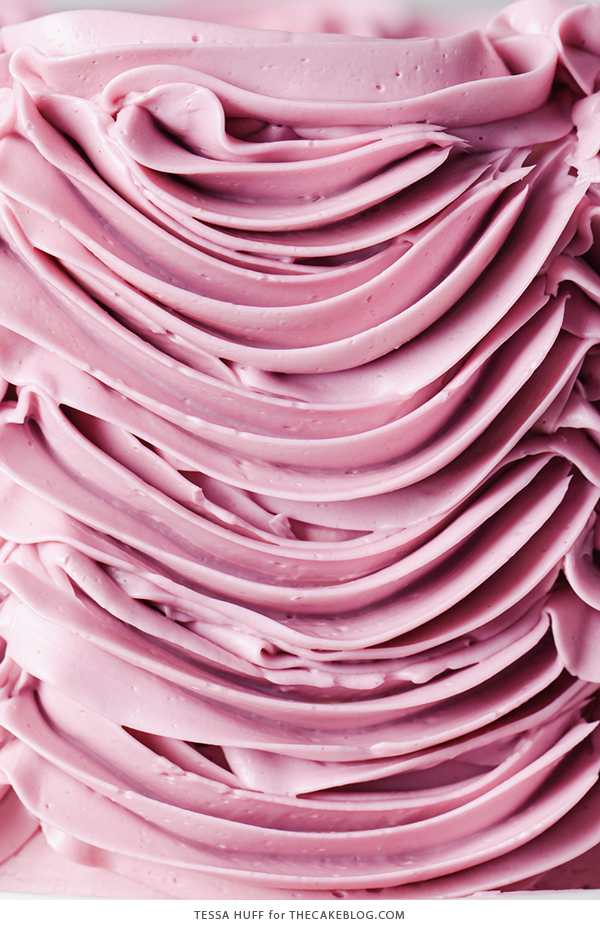
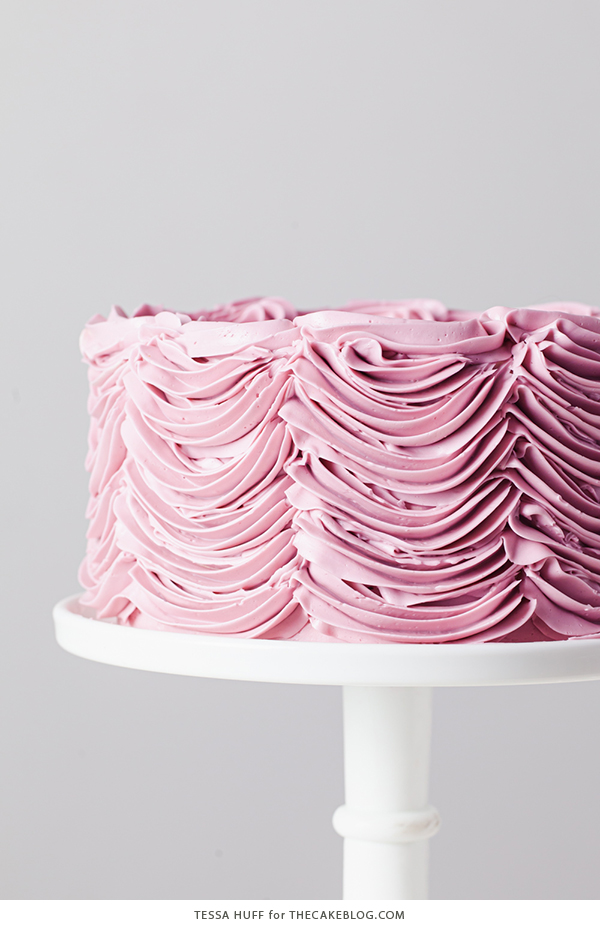
The visual presentation of the cake utilizes a "sugared plum" purple hue for its external décor. The application of swag piping—a technique involving the creation of draped, U-shaped curves of frosting—serves as a direct stylistic reference to the ruffles and layers of a classical tutu. This alignment of visual arts and pastry science demonstrates a growing trend in the "boutique" baking industry, where recipes are marketed not just as food, but as thematic experiences.
Chronology of Recipe Development and Publication
The release of the Hazelnut Nutcracker Cake follows a documented timeline of holiday culinary trends.
- Inspiration and Concept Phase: The project began with the objective of creating a signature dessert that captured the "child-like wonder" of the holiday season. The designer identified The Nutcracker as the primary thematic vehicle due to its universal recognition and association with winter festivities.
- Ingredient Selection: Trials were conducted to balance the spice levels of the brown sugar cake. The decision to use a hazelnut praline instead of whole nut pieces was made to ensure the cake remained easy to slice and that the buttercream remained pipeable through fine-gauge tips.
- Aesthetic Refinement: The "swag" piping technique was selected to provide a vintage, yet sophisticated look. Multiple iterations of the purple tint were tested to achieve a shade that resonated with the "Sugar Plum" theme without appearing overly synthetic.
- Public Release: The recipe was finalized and published in December 2019, strategically timed to coincide with the peak of the global Nutcracker performance season and the surge in home baking activities during the weeks leading up to Christmas.
Market Context and Ingredient Data
The introduction of hazelnut-centric recipes like the Nutcracker Cake occurs within a broader economic context. According to market data, the global hazelnut market has seen steady growth, with a projected compound annual growth rate (CAGR) of approximately 5.9% through the mid-2020s. Turkey remains the world’s leading producer, accounting for nearly 70% of global supply, though production in the Pacific Northwest of the United States has increased, making hazelnuts more accessible to North American home bakers.
Furthermore, the "Great British Bake Off" effect—a phenomenon where televised baking competitions drive a surge in the purchase of specialized baking equipment and ingredients—has led to an increased consumer interest in complex techniques such as Swiss meringue buttercream and praline making. Data from retail analytics suggest that during the fourth quarter, sales of "warm" spices (nutmeg, cinnamon, cloves) and high-fat European-style butters see a 25-40% increase compared to annual averages. The Hazelnut Nutcracker Cake sits at the center of this consumer trend, offering a high-level project for the "prosumer" baker.
Official Responses and Industry Reception
While the recipe is presented as a creative contribution by Tessa Huff, the broader culinary community has noted the shift toward "story-driven" baking. Industry analysts suggest that recipes which link flavor profiles to cultural touchstones (like ballets or classic literature) perform 30% better in terms of social media engagement and digital "shares" than generic holiday recipes.
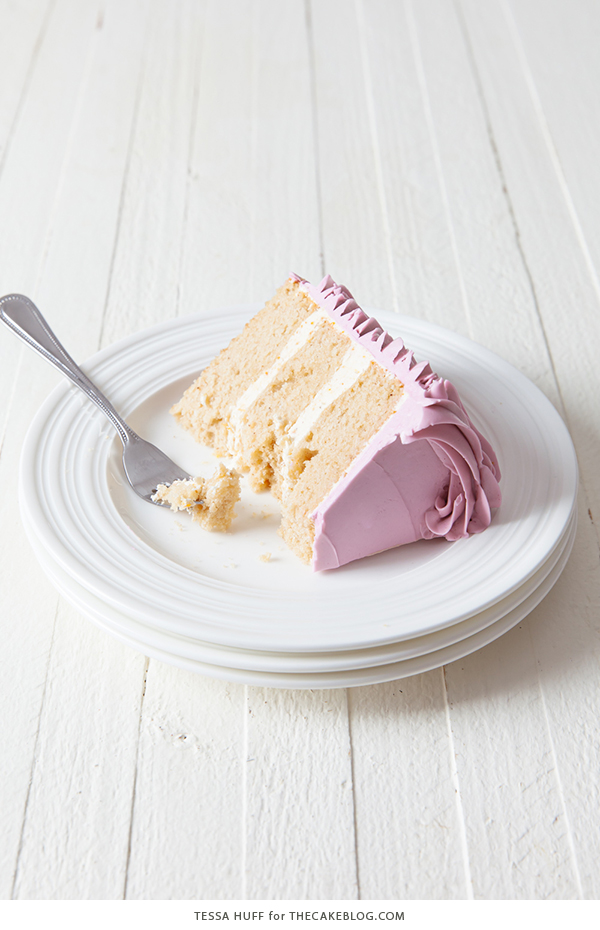
Professional pastry chefs have lauded the recipe for its balance of textures. The contrast between the soft, spice-forward cake and the crunch of the praline-infused buttercream is cited as a hallmark of well-constructed dessert design. Critics of contemporary baking often point to the "style over substance" trend; however, the Hazelnut Nutcracker Cake has been recognized for maintaining technical rigor in its sponge and frosting components while delivering a high-impact visual result.
Broader Impact and Implications for Holiday Traditions
The Hazelnut Nutcracker Cake represents a broader evolution in how modern families engage with holiday traditions. As the "digital kitchen" becomes a primary source of inspiration, the role of the food blogger and contributor has shifted from a mere provider of instructions to a curator of seasonal aesthetics.
The implication of such a recipe extends into the realm of domestic labor and the "experience economy." Home baking is increasingly viewed as a form of artisanal craft rather than a chore. By providing a recipe that requires several hours of preparation and a specific set of decorative skills, creators like Tessa Huff are catering to a demographic that values the process of creation as much as the final product.
Furthermore, the cake reinforces the enduring relevance of The Nutcracker in the 21st century. By translating a 19th-century ballet into a contemporary dessert, the recipe helps sustain the cultural narrative of the holiday season, ensuring that the "visions of sugarplums" continue to evolve for a modern audience. As culinary techniques continue to advance, the intersection of performance art, history, and gastronomy is expected to yield even more complex and thematic interpretations of seasonal classics.
In conclusion, the Hazelnut Nutcracker Cake is more than a seasonal dessert; it is a calculated fusion of spice chemistry, pastry architecture, and cultural storytelling. Its success highlights the current consumer appetite for recipes that offer both a high degree of technical challenge and a deep connection to shared cultural heritage. As the holiday season progresses, such "statement cakes" are likely to remain a focal point of festive celebrations and digital culinary discourse.