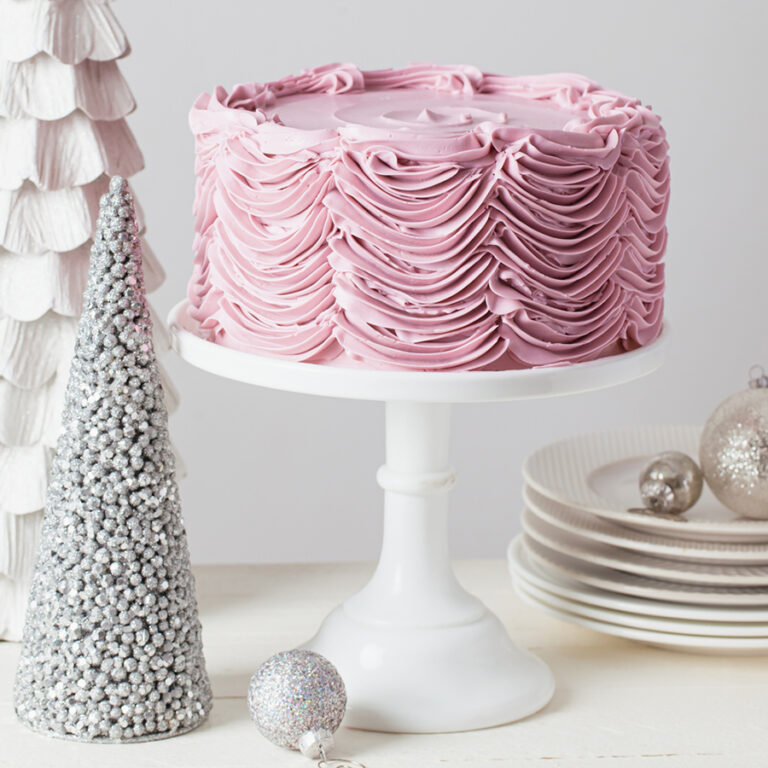


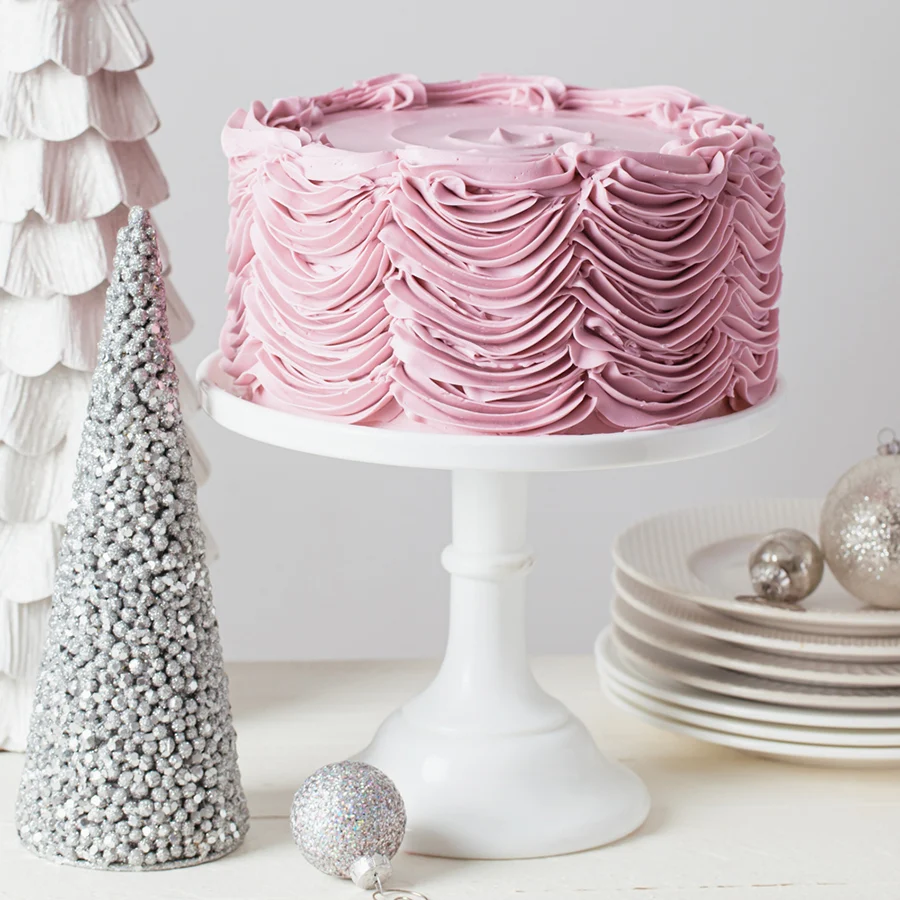
Hazelnut Nutcracker Cake represents a sophisticated fusion of seasonal flavors and theatrical inspiration, marking a significant addition to the contemporary holiday confectionery landscape. Developed by renowned pastry designer and cookbook author Tessa Huff for the culinary platform The Cake Blog, the recipe integrates traditional winter spices with advanced pastry techniques to evoke the aesthetic and emotive qualities of Pyotr Ilyich Tchaikovsky’s classic ballet, The Nutcracker. The cake is characterized by its brown sugar and nutmeg sponge, a hazelnut praline-infused Swiss meringue buttercream, and elaborate architectural piping designed to mimic the ruffles of a balletic tutu. This culinary development arrives at a time when consumer interest in "aesthetic baking" and narrative-driven desserts is at an all-time high, reflecting a broader trend in the artisanal food industry where visual storytelling is as prioritized as flavor profile.

Architectural Composition and Flavor Profile
The Hazelnut Nutcracker Cake is built upon a foundation of warm, autumnal notes. The choice of brown sugar over refined white sugar provides a deep, molasses-driven moisture that anchors the crumb, while fresh nutmeg and cinnamon introduce a complex aromatic profile. In professional pastry circles, the use of fresh-grated nutmeg is often cited as a critical differentiator in quality, as the volatile oils in the spice dissipate rapidly once pre-ground.
The structural integrity of the cake is supported by a Swiss meringue buttercream, a choice that underscores the recipe’s technical leanings. Unlike American buttercream, which relies on a high ratio of powdered sugar for stability, Swiss meringue buttercream is an emulsion of cooked egg whites, sugar, and butter. This results in a silky, less saccharine finish that serves as an ideal carrier for the hazelnut praline. The praline itself is a secondary confection, created by caramelizing hazelnuts in sugar before grinding them into a fine, flavorful powder. This method ensures that the nutty essence is distributed evenly throughout the frosting without compromising its pipeable consistency.
The Nutcracker Influence: Cultural and Seasonal Context
The thematic inspiration for the cake is rooted in the 1892 ballet The Nutcracker, which has become an indelible part of the Western Christmas tradition. Historically, the ballet’s "Land of Sweets" act has influenced confectioners for over a century. While the "Dance of the Sugar Plum Fairy" suggests a plum-based dessert, seasonal availability often dictates alternative interpretations. Huff’s decision to utilize roasted hazelnuts reflects a pragmatic approach to winter baking, as hazelnuts reach peak quality and availability during the late autumn and winter months.
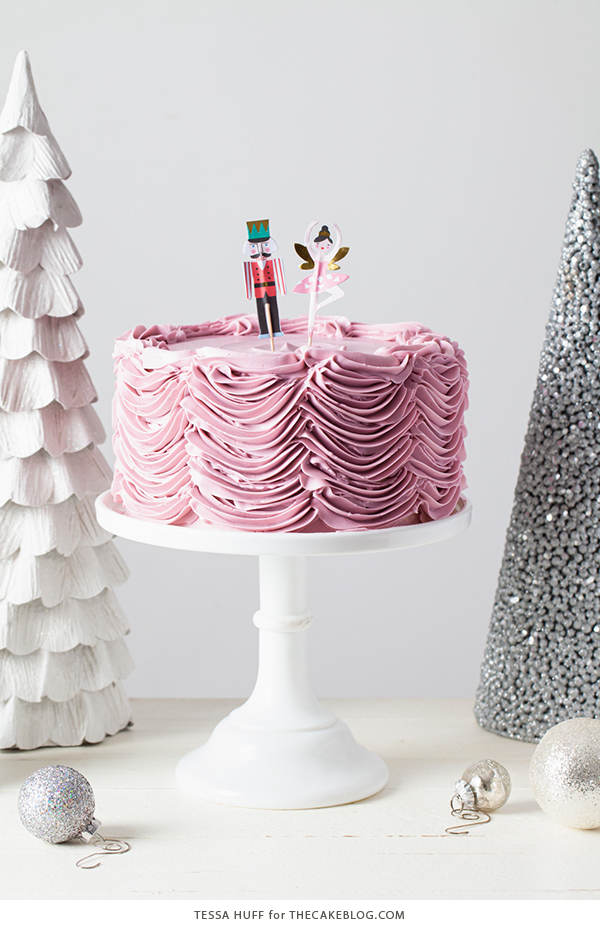
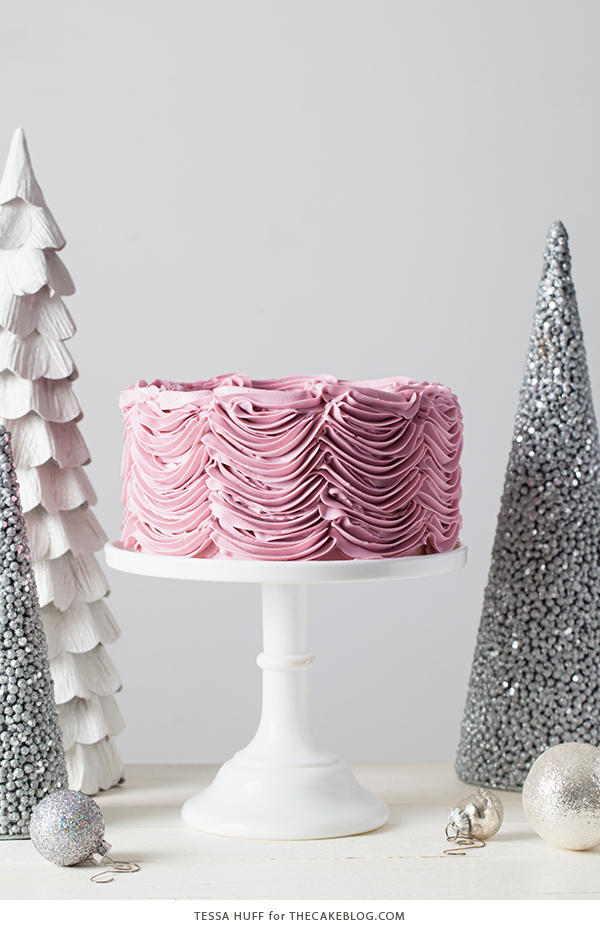
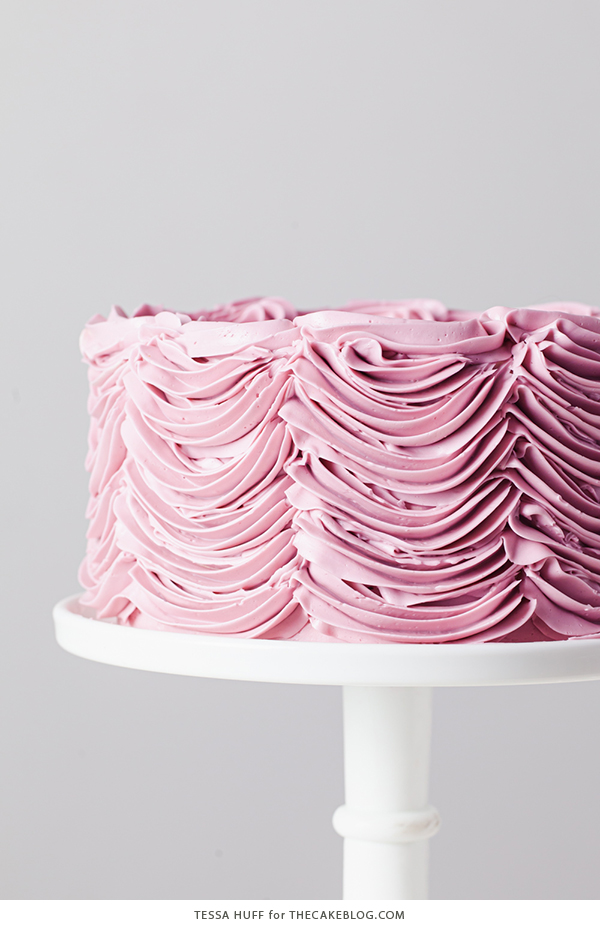
The visual design of the cake—specifically the "sugared plum" purple hue and the swag piping—serves as a direct homage to the costumes of the ballet. The use of a petal tip to create ruffles around the exterior of the cake mimics the layered tulle of a ballerina’s tutu, transforming a standard cylindrical cake into a piece of edible performance art. This alignment with theatrical themes is a recurring motif in high-end pastry design, where the goal is to trigger nostalgia and "child-like wonder" through specific visual cues.
Technical Chronology of the Baking Process
The production of the Hazelnut Nutcracker Cake follows a precise sequence designed to maximize flavor development and structural stability. This chronology is essential for achieving the professional-grade results associated with Huff’s designs.
- Preparation of the Sponge: The process begins with the creaming of butter and brown sugar, a step that aerates the batter and ensures a light texture. Dry ingredients, including the nutmeg and cinnamon, are folded in alternately with liquid components to prevent gluten over-development.
- Confection of the Hazelnut Praline: Hazelnuts are roasted to enhance their natural oils, then coated in a hard-crack caramel. Once cooled, this brittle is processed. A portion is typically reserved for texture, while the majority is pulverized to flavor the buttercream.
- Swiss Meringue Buttercream Synthesis: Egg whites and sugar are whisked over a double boiler until they reach 160°F (71°C), ensuring pasteurization and sugar dissolution. The mixture is then whipped to a stiff meringue before butter is incorporated at room temperature.
- Assembly and Decoration: The cake layers are leveled and filled with the praline buttercream. The final exterior layer involves a two-tone application: a neutral base followed by the tinted purple ruffles. The "swag" piping requires a steady hand and a specific rhythmic movement of the piping bag to ensure uniformity in the "tutu" effect.
Market Trends and the Role of Digital Culinary Contributors
The release of the Hazelnut Nutcracker Cake recipe highlights the evolving role of digital contributors in the global food economy. Tessa Huff, acting as a contributor to The Cake Blog, represents a class of "creator-experts" who bridge the gap between professional patisserie and the home kitchen. Data from the Specialty Food Association indicates that the "home baking" segment has seen a 15% year-over-year increase in consumer spending on premium ingredients like high-quality nuts and professional-grade spices.
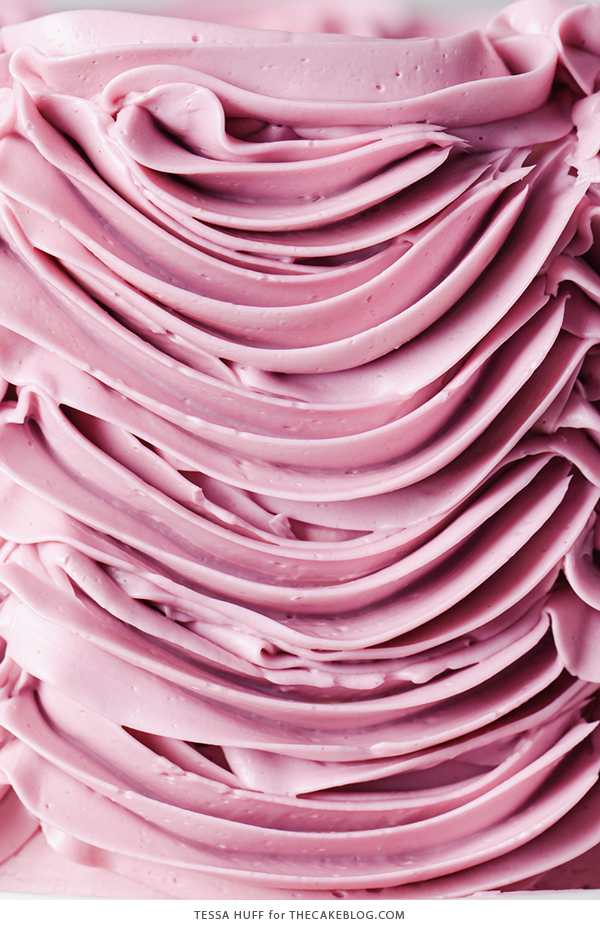
Furthermore, the "visual-first" nature of the Hazelnut Nutcracker Cake caters to the demands of social media platforms, where aesthetic appeal drives engagement and recipe dissemination. Market analysis suggests that recipes featuring unique decorative techniques, such as the swag piping demonstrated here, receive significantly higher "save" and "share" rates compared to traditional designs. This has led to a surge in the "cottage food" industry, where independent bakers utilize these high-concept recipes to cater to local markets seeking bespoke holiday desserts.
Supporting Data: The Global Hazelnut and Spice Market
The choice of hazelnuts as a primary ingredient is supported by global agricultural trends. According to the Food and Agriculture Organization (FAO), Turkey remains the world’s leading producer of hazelnuts, accounting for approximately 70% of global production. However, in the United States, Oregon’s Willamette Valley produces 99% of the domestic crop. The holiday season typically sees a 30% spike in hazelnut consumption, driven by their traditional pairing with chocolate and warm spices.
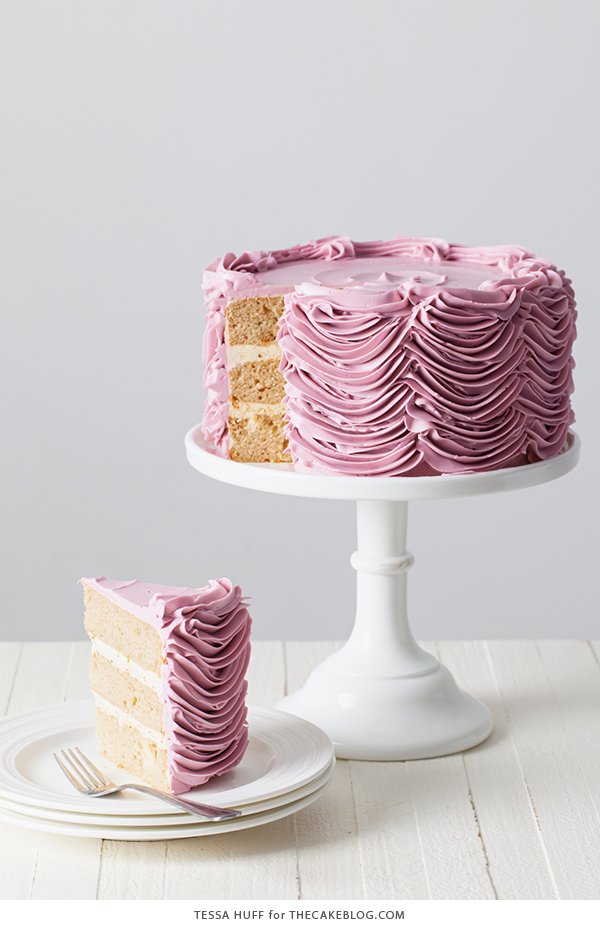
Nutmeg, the cake’s secondary flavor pillar, also carries significant economic weight. Historically one of the most valuable spices in the world, nutmeg is primarily sourced from Indonesia and Grenada. The global nutmeg market is projected to grow at a CAGR of 4.5% through 2026, fueled by its essential role in seasonal flavor profiles. The integration of these ingredients into a single high-concept cake underscores a sophisticated understanding of global flavor staples.
Expert Analysis and Industry Implications
Culinary analysts suggest that the Hazelnut Nutcracker Cake is a prime example of "narrative confectionery." By naming the cake after a specific cultural touchstone, the creator adds value that transcends the ingredients themselves. Industry experts note that "themed" desserts allow retailers and home bakers to command a premium price point, as the product is sold as an "experience" rather than merely a food item.
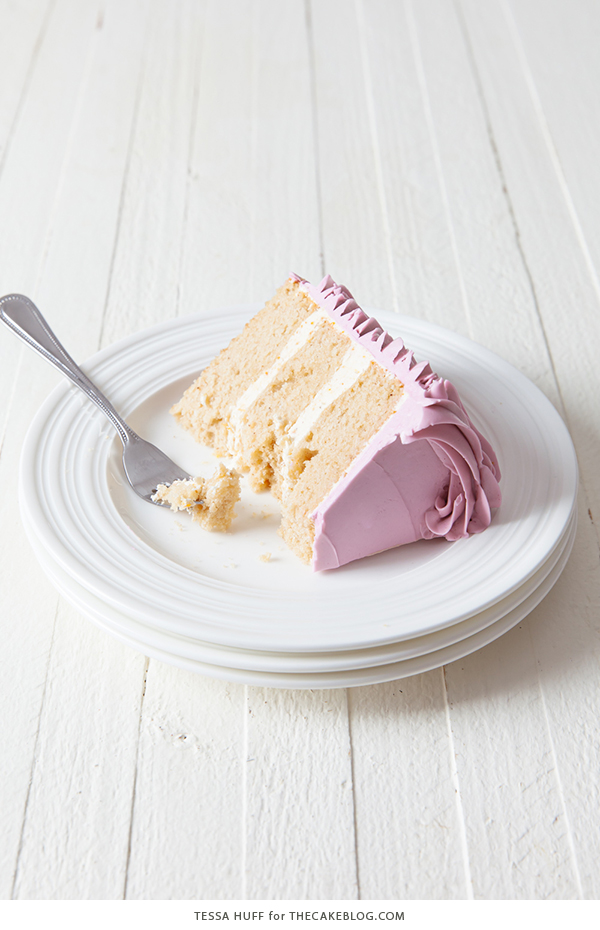
"The move toward more complex, multi-layered flavors—such as the combination of praline texture with a spiced sponge—indicates a maturing palate among home bakers," says a representative from a leading culinary institute. "People are no longer satisfied with simple vanilla or chocolate; they are looking for the intersection of texture, spice, and visual storytelling."
The implications for the broader food industry are clear: there is a growing demand for "accessible luxury" in the baking sector. Recipes like the Hazelnut Nutcracker Cake provide a roadmap for hobbyists to achieve professional results, thereby driving the sales of specialized equipment such as rotating cake stands, offset spatulas, and specific piping tips (such as the #104 petal tip used for ruffles).
Broader Impact on Holiday Traditions
The Hazelnut Nutcracker Cake does more than provide a recipe; it reinforces the importance of culinary traditions in the modern era. As childhood memories of The Nutcracker ballet are passed down through generations, food serves as a tangible link to those shared experiences. The cake’s ability to evoke "visions of sugarplums" through a hazelnut and nutmeg medium demonstrates the flexibility and resilience of holiday traditions.
In conclusion, the Hazelnut Nutcracker Cake stands as a testament to the power of thoughtful design in the culinary arts. Through its precise combination of seasonal flavors, technical rigor, and cultural homage, it offers a sophisticated alternative to traditional holiday fare. As the artisanal baking movement continues to expand, such recipes will likely remain at the forefront, serving as both a challenge for the ambitious baker and a centerpiece for seasonal celebrations. The synthesis of the "Land of Sweets" with modern pastry science ensures that this cake is not merely a seasonal trend, but a potential classic in the making.