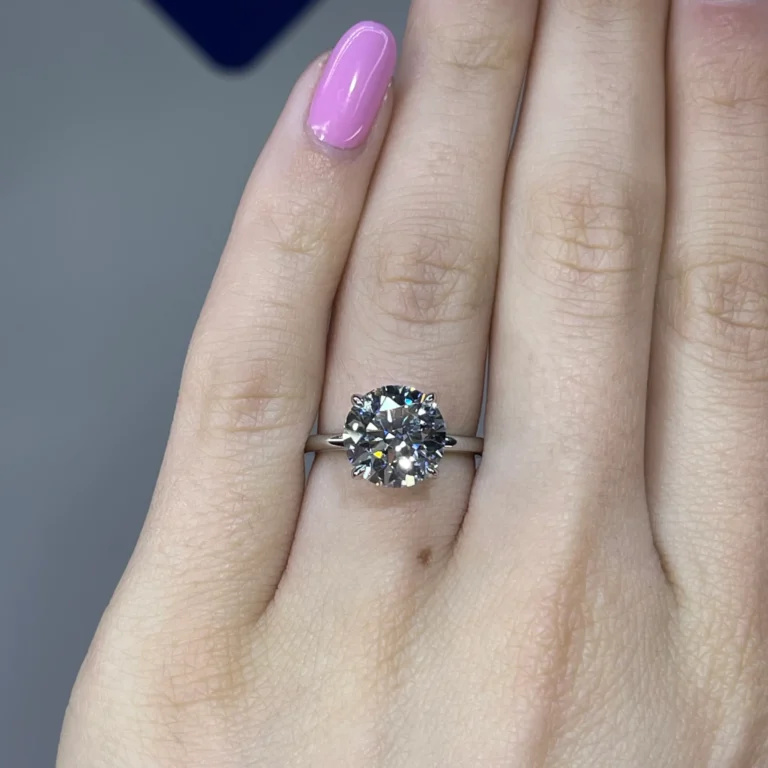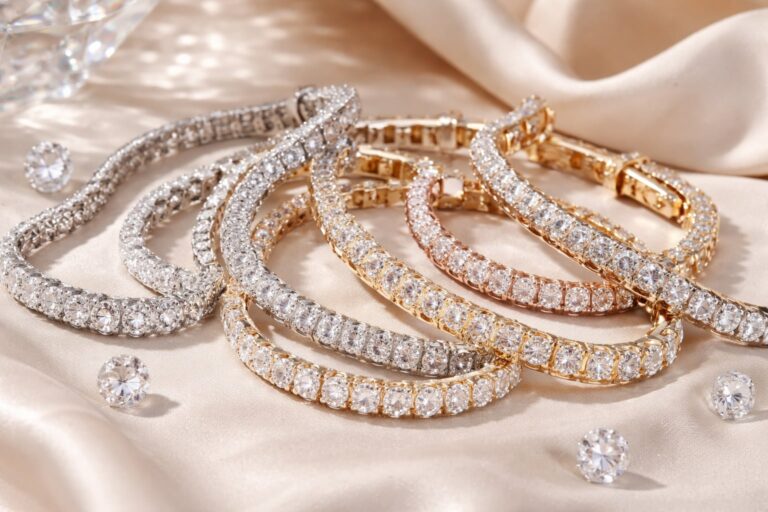




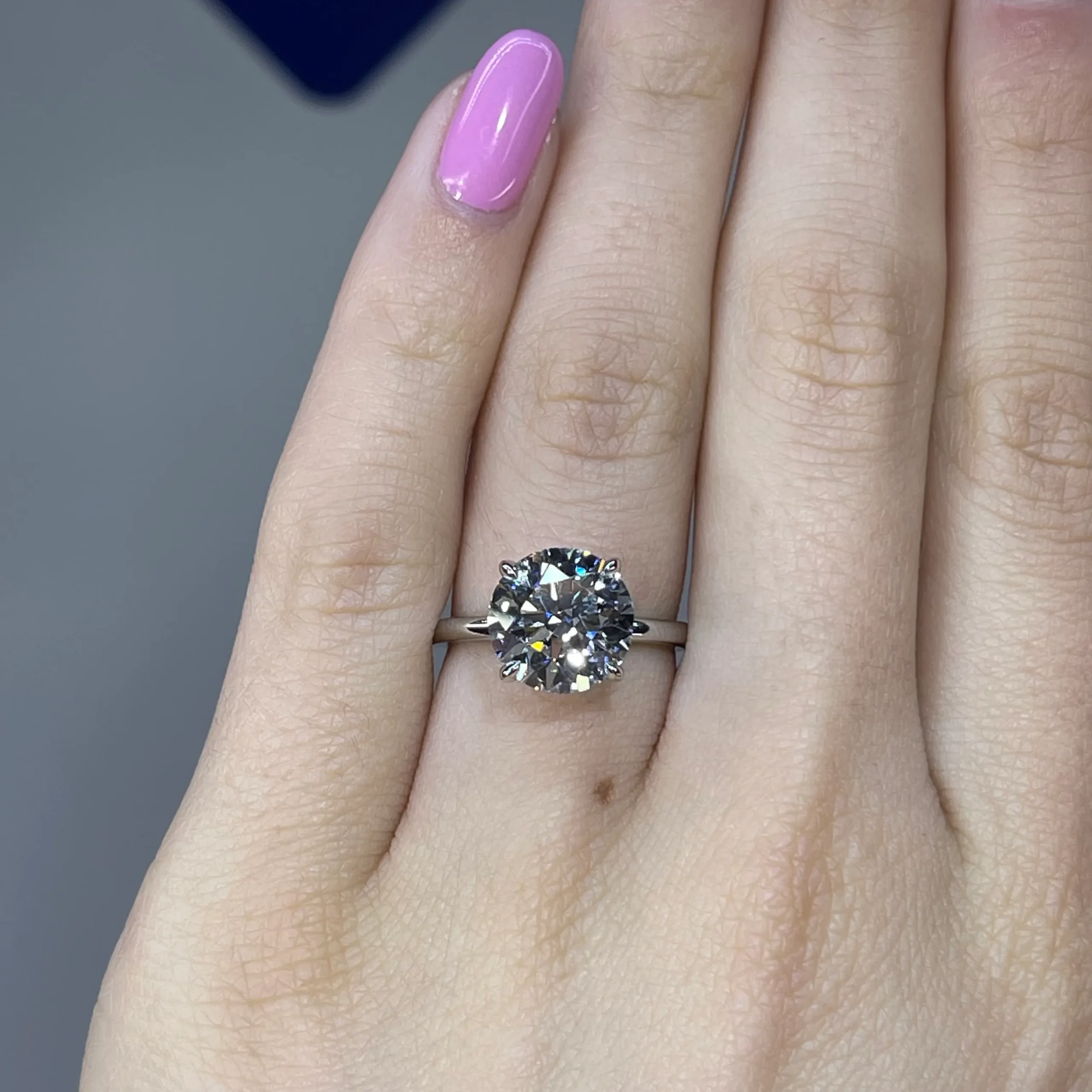
The Gemological Institute of America (GIA) is set to implement significant changes to its grading and evaluation services for laboratory-grown diamonds (LGDs) starting October 1, 2025. This pivotal update marks a departure from applying the traditional 4Cs nomenclature, originally developed for natural diamonds, to manufactured stones. Instead, GIA will introduce a new "Laboratory-Grown Diamond Quality Assessment," which will classify qualifying diamonds into two distinct categories: "Premium" or "Standard." This strategic shift acknowledges the increasingly narrow quality spectrum of most LGDs, a direct consequence of their controlled manufacturing processes. Diamonds that fail to meet the minimum "Standard" thresholds will not receive an assessment from GIA, underscoring the institute’s commitment to maintaining rigorous evaluation standards while providing clear, appropriate descriptions for these manufactured gems.
The Rationale Behind the Grading Evolution
The impetus for these changes stems from GIA’s extensive market observations. In recent years, an overwhelming majority of laboratory-grown diamonds entering the market, exceeding 95%, exhibit high color and high clarity within a remarkably confined range. This consistent quality distribution renders the detailed, continuum-based grading scale, meticulously crafted for the inherent variability of natural diamonds, less relevant for accurately describing manufactured products.
Consequently, GIA has opted to adopt descriptive terms specifically tailored to the characteristics of LGDs. This approach serves to distinctly differentiate them from natural diamonds, which will continue to undergo the full 4Cs grading process. The objective is to promote accuracy, enhance consumer understanding of the distinct nature of LGDs, and avoid any implication of direct equivalence in grading terminology between natural and laboratory-grown stones.

A Look Back: Previous Grading Methodologies for LGDs
Historically, GIA’s approach to grading laboratory-grown diamonds evolved over time. Initially, the institute provided descriptive ranges or equivalencies rather than precise letter grades, often noting color as "equivalent to G-H" or clarity as "VS equivalent." More recently, GIA began applying full 4Cs standards to digital reports, assigning exact grades such as D color or VS1 clarity.
This progression reflected a growing market demand for consistency. However, it increasingly highlighted the inherent mismatch between the grading system designed for natural diamonds and the production realities of LGDs. Lab-grown diamond production consistently yields superior averages for color and clarity compared to the broader variability found in natural diamonds. While the prior system offered detailed insights, its utility diminished as the quality distribution of LGDs narrowed.
Introducing the "Premium" Classification
To attain the "Premium" classification under the updated system, a laboratory-grown diamond must meet stringent, combined criteria. This includes a clarity grade of Very, Very Slightly Included (VVS) or higher, a color grade of D, and Excellent grades for both polish and symmetry. For round brilliant cuts specifically, an Excellent cut grade is also mandatory. This top-tier designation represents the highest achievable quality within GIA’s assessment framework for laboratory-grown diamonds.
The "Premium" classification is designed to assure buyers of exceptional attributes across key factors, emphasizing superior light performance and finish. It aims to serve as a benchmark for the finest laboratory-grown options available, effectively distinguishing standout diamonds in a market where high quality has become increasingly common.
Defining the "Standard" Classification
The "Standard" grade will be applied to laboratory-grown diamonds that, while exhibiting a mix of Premium-level traits, meet a defined set of minimum thresholds. These include a clarity grade of Very Slightly Included (VS), a color grade within the E-to-J range, and Very Good grades for polish and symmetry. For fancy shape diamonds, symmetry can be rated as Good. Round brilliant cuts must achieve a Very Good cut grade. This category encompasses diamonds that offer solid, reliable quality without necessarily reaching the absolute top benchmarks.
A "Standard" designation provides reassurance that the diamond performs well in key areas, making it suitable for a wide array of consumer preferences and budgets. This classification ensures that graded diamonds maintain a baseline of excellence, effectively excluding those with notable deficiencies in the evaluated factors.
Additional Features of the New Assessment
Each assessed laboratory-grown diamond will receive a printed document detailing its "Premium" or "Standard" result. Furthermore, its girdle will be laser-inscribed with "Laboratory-Grown" along with a unique GIA quality assessment number for enhanced traceability. These services will apply to loose, D-to-Z (colorless to near-colorless) laboratory-grown diamonds of 0.15 carats or more.
These additions are intended to bolster verification and identification processes. The distinct report format will clearly differentiate laboratory-grown evaluations from those of natural diamonds, thereby reinforcing transparency within the marketplace.

Why Are Lab-Grown Diamonds Graded?
The grading of laboratory-grown diamonds is paramount for providing buyers with an objective, third-party evaluation of their quality. This ensures transparency in a market where these diamonds are chemically, physically, and optically identical to their natural counterparts. Reputable laboratories, including GIA and IGI, employ standardized criteria—primarily the 4Cs (cut, color, clarity, and carat weight)—to assess them.
This rigorous grading process empowers consumers to verify authenticity, understand a diamond’s inherent characteristics, and make informed purchasing decisions without solely relying on seller descriptions. Although LGDs are produced in controlled environments, grading remains essential for ensuring consistency, building trust, and facilitating fair valuation.
Quality Assurance
Independent certification from established laboratories confirms that a laboratory-grown diamond has undergone rigorous examination by trained gemologists utilizing specialized tools and adhering to consistent standards. This evaluation encompasses key attributes such as cut precision, which directly impacts brilliance, as well as color and clarity. For lab-grown diamonds, grading ensures they meet specified characteristics, mitigating the risk of misrepresentation. Given that these diamonds can achieve high clarity through controlled growth, a detailed report verifies claimed superior quality, offering purchasers peace of mind regarding the diamond’s overall integrity.
Value Determination
A certification report meticulously documents a diamond’s precise attributes, establishing a reliable basis for assessing its worth in the current market. This objective data supports accurate pricing, as the 4Cs directly influence both perceived and resale value. Buyers benefit from a clear understanding of what they are purchasing, especially since lab-grown diamonds typically cost less than natural equivalents with similar specifications. The report prevents overpayment by providing verifiable evidence of quality, enabling better negotiation and potentially better long-term value retention.

Comparison and Selection
Grading reports facilitate side-by-side evaluations of multiple diamonds using the same objective metrics, such as descriptive color ranges and clarity inclusions, which are clearly plotted. This standardization simplifies the decision-making process when comparing options from different sellers. Shoppers can prioritize their preferences—whether it’s maximizing cut for sparkle or selecting higher clarity—while staying within their budget. Detailed reports allow for confident comparisons, ensuring the chosen diamond aligns with personal style, size requirements, and financial goals.
Confidence and Trust
Third-party grading builds buyer confidence through unbiased expert analysis, free from seller influence. Reputable laboratories maintain strict protocols, including the identification of the growth method (e.g., CVD or HPHT) and any treatments, adding further layers of disclosure. This fosters greater trust in purchases, particularly for significant investments like engagement rings. Knowing that a diamond has been authenticated as laboratory-grown and accurately graded helps prevent confusion with other materials or misgraded items.
Resale and Insurance Purposes
Certified diamonds include documentation that simplifies resale by providing future buyers with clear quality information. This transparency supports smoother transactions and helps maintain better market positioning. Insurance providers often require grading reports to accurately assess and insure the diamond, basing premiums on verified characteristics rather than estimates. This documentation streamlines claims and ensures appropriate coverage for the diamond’s documented value.
What Happens If a Lab-Grown Diamond Does Not Meet the Grading Criteria?
A common assumption among shoppers is that every laboratory-grown diamond submitted to GIA will receive an official grading report, particularly given the consistent quality controls inherent in their production. However, this is not always the case. GIA’s updated policy, effective October 1, 2025, establishes a firm quality threshold. If a diamond falls short of the minimum requirements for the "Standard" classification, it will not receive any assessment.

This rigorous approach, as detailed in GIA’s announcements, is designed to reinforce trust in the marketplace by ensuring that only diamonds meeting defined benchmarks earn the institute’s endorsement. GIA’s observations indicate that over 95% of laboratory-grown diamonds already fall within a narrow, high-quality range, making this selective process a natural evolution that aims to build confidence among buyers seeking verified excellence.
The Rejection Process for Substandard Diamonds
When a loose, D-to-Z laboratory-grown diamond of 0.15 carats or more fails to satisfy the combined minimum criteria for the "Standard" category—which includes VS clarity or better, E-to-J color range, Very Good polish, Very Good symmetry (or Good for fancy shapes), and Very Good cut for round brilliants—GIA will not issue any quality assessment. The diamond will be returned to the submitter without classification, laser inscription, or a detailed report. This streamlined handling prevents GIA’s name from being associated with lower-quality examples, thereby preserving the integrity of its evaluations.
Fees Associated with Non-Qualifying Submissions
Submitters will be charged only a modest evaluation fee for diamonds that do not qualify for assessment, rather than the full per-carat grading fee. This low cost covers the initial verification and review process before rejection. The policy aims to avoid penalizing producers harshly for subpar submissions while still incentivizing higher manufacturing standards to avoid even this nominal charge.
No Laser Inscription or Report Issued
Unlike qualifying diamonds, which receive a girdle laser inscription stating "Laboratory-Grown," along with a unique GIA quality assessment number and a printed document specifying "Premium" or "Standard" status, rejected diamonds will receive no additional markings. This lack of inscription or documentation clearly distinguishes them from assessed stones. This policy helps maintain transparency, as buyers can verify GIA involvement only on inscribed and reported diamonds.

Benefits for Credibility and Market Standards
By declining to assess diamonds below the "Standard" threshold, GIA upholds its reputation for accuracy and reliability in gem evaluation. This commitment encourages growers and manufacturers to prioritize consistent quality control, knowing that substandard diamonds will not carry GIA’s authoritative backing. For consumers, it provides greater assurance that any diamond bearing a GIA Laboratory-Grown Diamond Quality Assessment truly meets established minimums across clarity, color, polish, symmetry, and cut, thereby boosting overall trust in certified lab-grown options.
How Does the New Grading Affect Upcoming Engagement Ring Purchases?
The implementation of GIA’s new grading system for laboratory-grown diamonds carries significant implications for consumers planning engagement ring purchases. This change reflects the current reality that the majority of LGDs produced today fall within a tight range of high color and clarity, a direct result of controlled manufacturing processes. For couples embarking on this significant purchase, the new system is poised to streamline decision-making by offering clear quality benchmarks from the most trusted name in gemology. It places emphasis on verifiable quality distinctions, helping buyers focus on what truly matters, such as cut precision for brilliance, while ensuring any GIA-assessed diamond meets established minimum standards.
Boosts Buyer Confidence in Lab-Grown Options
The introduction of GIA’s "Premium" and "Standard" labels provides an authoritative and straightforward endorsement of quality for laboratory-grown diamonds. "Premium" signifies top-tier performance across combined factors such as D color, VVS or higher clarity, and Excellent polish, symmetry, and cut (for rounds). "Standard" covers reliable options with E-to-J color, VS clarity, and Very Good finish attributes. This clear categorization reduces uncertainty, as buyers can readily understand the level of excellence a GIA report signifies without needing to interpret fine-grained scales originally designed for the broader variability of natural diamonds. For engagement ring shoppers, this translates into greater assurance when selecting a laboratory-grown center diamond. Furthermore, the policy of not assessing sub-Standard diamonds further reinforces trust, as only those meeting defined thresholds receive GIA grading, making it easier to feel secure in the choice of a lifelong symbol.
Enables Easier Access to Larger or Higher-Spec Diamonds
With consistent quality benchmarks now firmly in place, the new system empowers buyers to confidently pursue larger carat weights or superior attributes within the laboratory-grown category. Given that production consistently yields many high-quality diamonds, a "Premium" or "Standard" classification confirms that even a larger diamond still delivers strong performance in key areas, including brilliance and finish. This shift supports budget flexibility for engagement rings, where couples can allocate savings from lower per-carat costs toward upscaling without compromising on documented quality. It enables more personalized decisions, such as choosing a larger "Premium" diamond that maximizes presence while maintaining exceptional standards.

Supports More Flexible and Personalized Ring Designs
Jewelers will benefit from clearer guidelines for sourcing GIA-assessed laboratory-grown diamonds, facilitating the creation of custom designs that precisely align with client visions. The simplified classifications help match diamonds to specific preferences, whether prioritizing "Premium" for ultimate sparkle or "Standard" for balanced value. The laser inscription ("Laboratory-Grown" plus report number) ensures easy verification post-setting. For upcoming purchases, this translates into broader creative freedom in designing engagement rings. Couples can collaborate on unique settings, secure in the knowledge that the center diamond’s quality is transparently graded, allowing them to focus on overall aesthetics, metal choices, and complementary details without quality concerns.
How Does the New Grading Affect the Market?
GIA’s revised grading system for laboratory-grown diamonds is poised to influence market dynamics significantly, fostering clearer distinctions between natural and laboratory-grown diamonds, encouraging higher production standards, and promoting more informed consumer choices across both categories.
Enhances Credibility for Lab-Grown Diamonds
GIA’s involvement in evaluating laboratory-grown diamonds, backed by its longstanding reputation as the leading authority in gemology, lends considerable legitimacy to the category. By applying a dedicated quality system with stringent criteria—such as "Premium" requiring D color, VVS or better clarity, and Excellent finish across polish, symmetry, and cut—the institute signals that only well-made laboratory-grown diamonds will earn its classification. This endorsement can bolster buyer trust in certified laboratory-grown options, as GIA’s rigorous process and refusal to assess sub-Standard diamonds reinforce reliability. In a market where perceptions can vary, this move helps position qualifying laboratory-grown diamonds as dependable products worthy of serious consideration for purchases such as engagement rings.
Supports Potential Price Stabilization for Lab-Grown Diamonds
With standardized classifications enabling easier quality comparisons across sellers, the system may contribute to more consistent pricing within the laboratory-grown segment. Buyers can readily identify "Premium" examples for superior performance or "Standard" ones for solid value, potentially reducing wild price swings that can arise from inconsistent grading interpretations. Over time, this could lead to a steadier market equilibrium as manufacturers focus on meeting GIA thresholds to secure assessments. The emphasis on verifiable quality helps anchor expectations, benefiting long-term value perception without dramatic fluctuations.
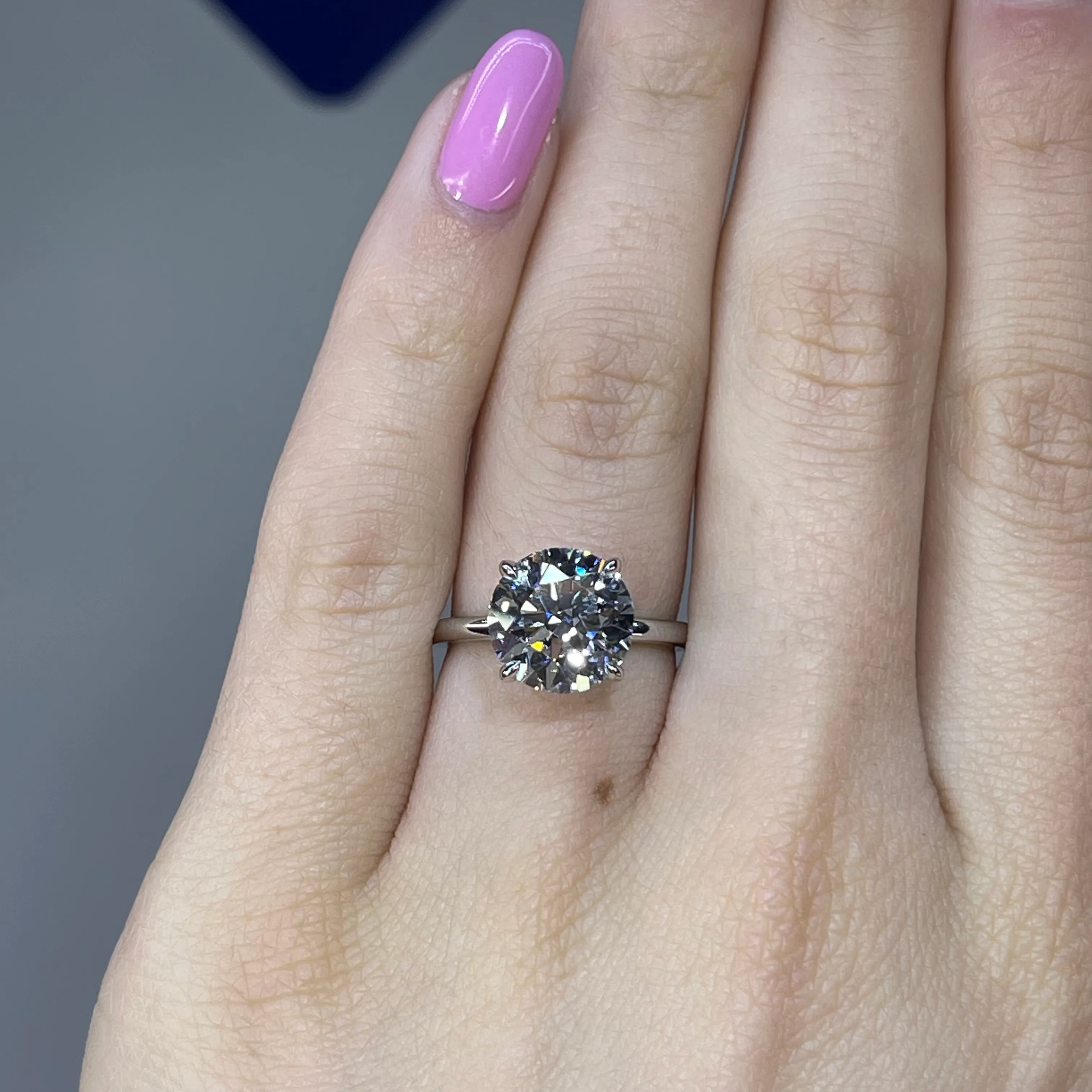
Heightens Competitive Pressure on Natural Diamonds
The distinct grading approach for laboratory-grown diamonds highlights differences in origin and evaluation, prompting more direct side-by-side comparisons with natural diamonds that retain full 4Cs detail. Consumers may scrutinize price differences more closely when they observe similar visual qualities at lower prices in the laboratory-grown categories. This dynamic exerts downward pressure on certain natural diamond segments, particularly those with lower color or clarity grades, as buyers weigh their options. It encourages the natural market to emphasize unique attributes such as rarity and heritage to justify premium pricing.
Encourages Higher Overall Production Standards
By not issuing assessments for diamonds that do not meet the "Standard" criteria, GIA incentivizes growers to prioritize excellence in clarity, color, polish, symmetry, and cut. This selective process drives the industry toward consistent, top-tier output, benefiting both the laboratory-grown and natural sectors by raising benchmarks. Manufacturers who submit only qualifying material avoid rejection fees and gain GIA-backed credibility, thereby fostering quality improvements across the supply chain. Ultimately, consumers receive diamonds that reliably meet defined minimums, raising the bar for the entire diamond market.
Improves Transparency in the Marketplace
The new reports provide clear, printed documentation specifying "Premium" or "Standard" status, along with laser inscriptions on the girdle for easy verification. This format distinguishes laboratory-grown assessments from natural diamond reports, reducing potential confusion and providing verifiable details on key attributes. Buyers gain straightforward insights into quality without navigating fine-grained scales that may not align with the realities of laboratory-grown production. Resources such as PriceScope, a leading independent diamond and jewelry community with extensive education on grading systems, the 4Cs, and vendor comparisons, can help consumers interpret these reports effectively and make informed decisions based on transparent information.