



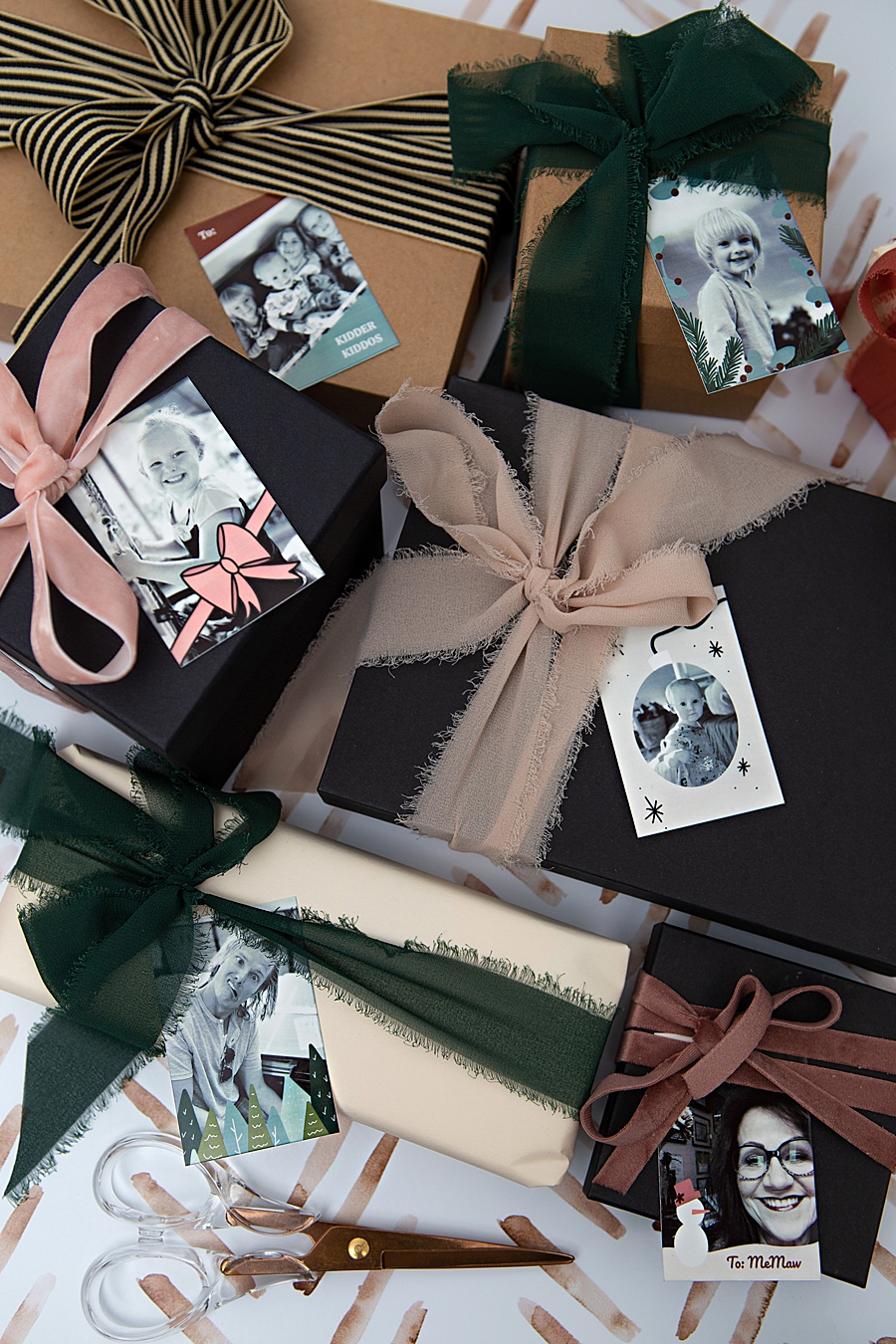
The initiative aims to streamline the holiday gifting process by providing users with the tools to create personalized, adhesive-backed gift tags. By utilizing the Canon IVY 2’s ZINK (Zero Ink) technology, consumers can transform digital captures from mobile devices into physical stickers that serve as both decorative elements and functional identification for gift recipients. This development marks the third consecutive year of collaboration between the two entities, signaling a sustained consumer interest in personalized imaging solutions during the peak fourth-quarter retail season.
Integration of Custom Digital Frames into the Canon Mini Print App
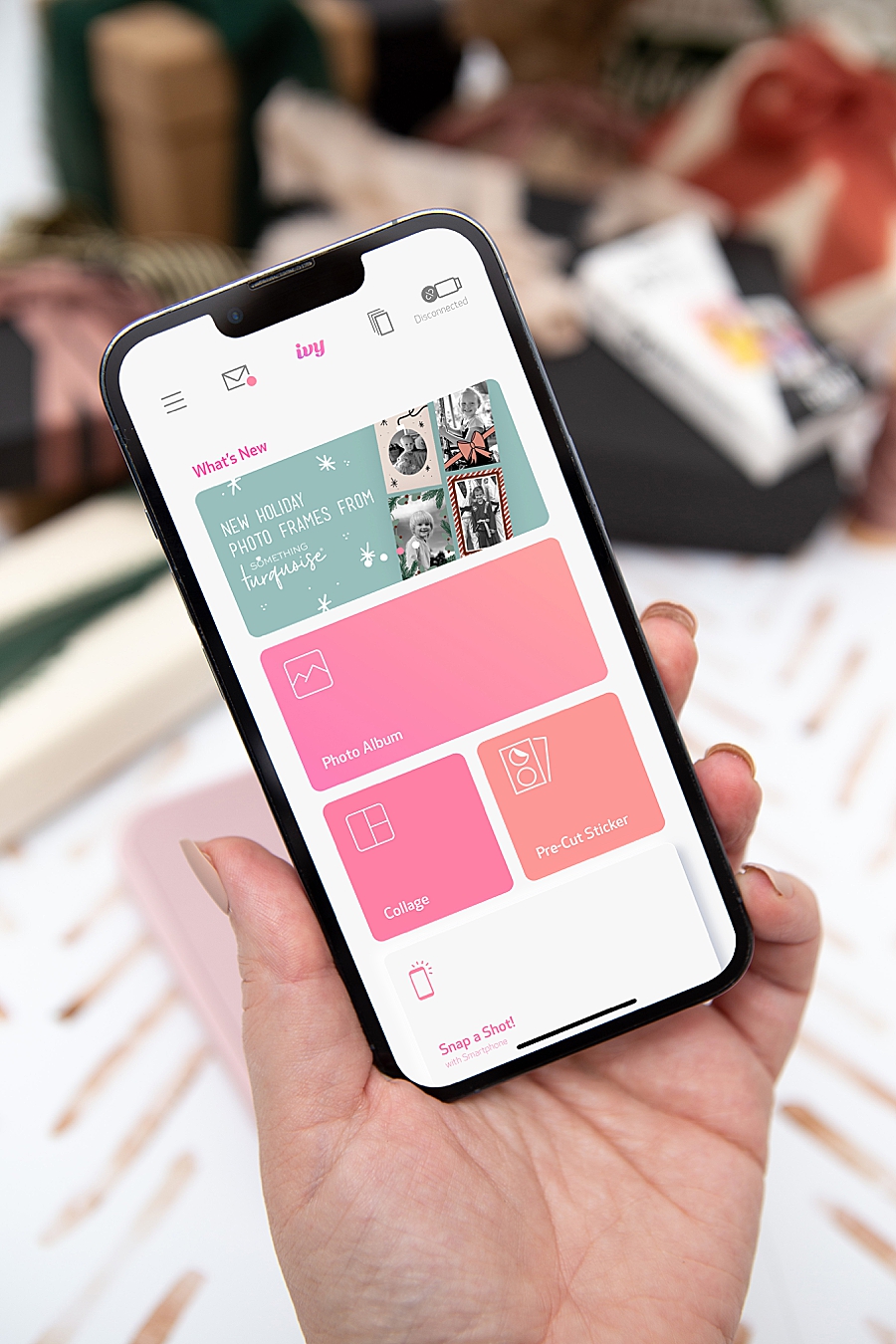
The core of the 2022 rollout is the deployment of 15 distinct holiday frame designs within the Canon Mini Print App. These designs are categorized to serve various aesthetic preferences and functional needs, ranging from minimalist seasonal borders to frames specifically formatted with "To" and "From" fields. According to technical specifications provided by the developers, the frames are designed to be overlaid onto any digital photograph stored on a user’s smartphone or tablet.
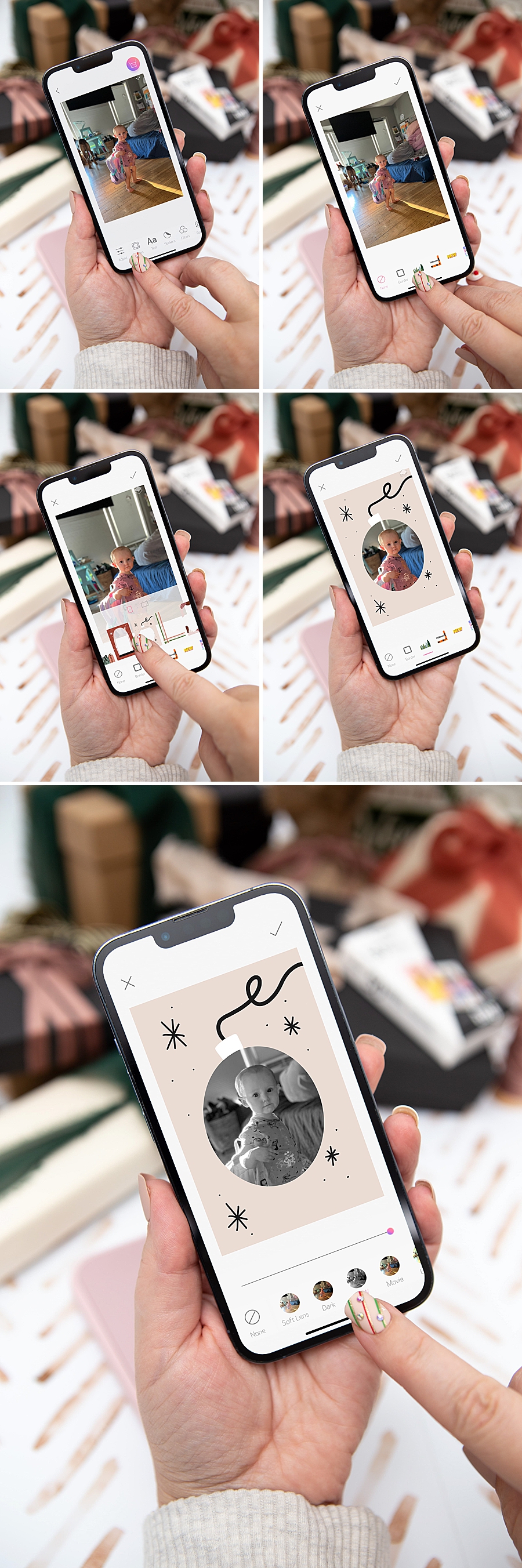
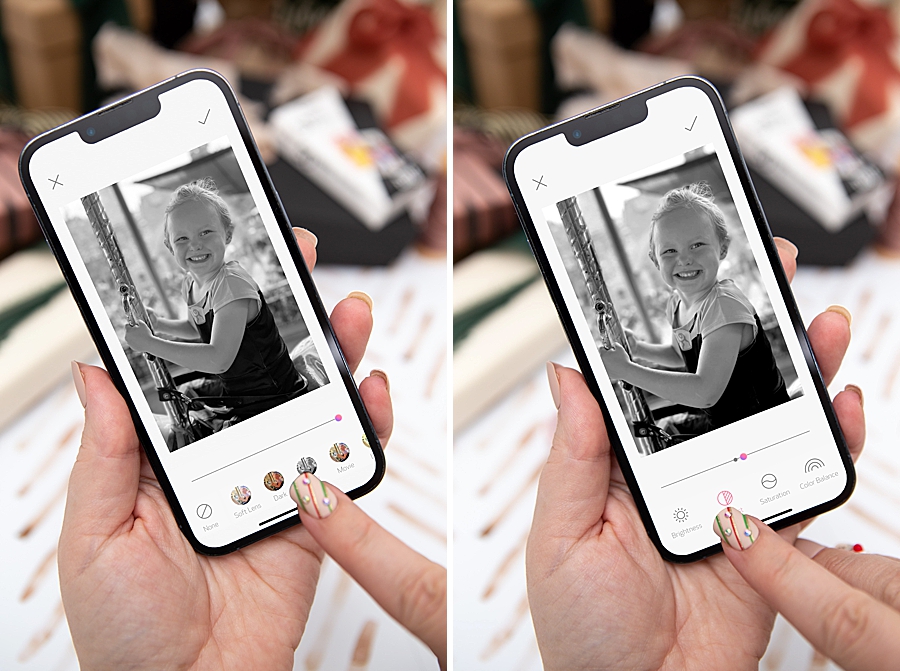
The application’s interface has been updated to feature a rotating banner that directs users toward these exclusive assets. Once a frame is selected, the app allows for comprehensive image manipulation, including the application of filters, resizing, and rotation. For advanced users, the "Adjust" tab provides tools to modify brightness and contrast, which is particularly critical for maintaining image clarity when printing on small-format ZINK paper. Market data suggests that the ease of use of such integrated software is a primary driver for the adoption of portable printing hardware among the millennial and Gen Z demographics.
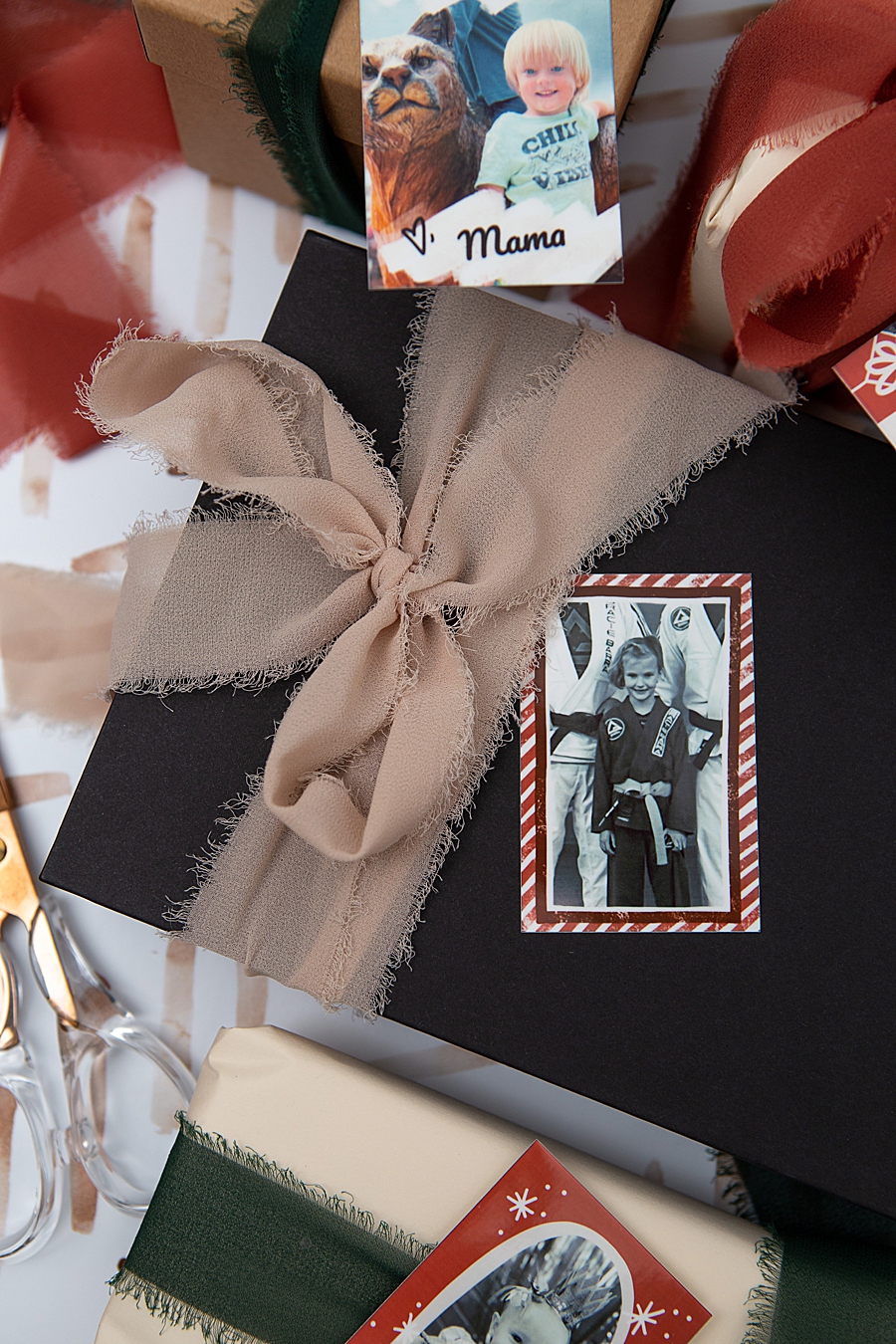
The Evolution of Personalized Gifting: A Three-Year Strategic Timeline
The partnership between Canon and Something Turquoise has evolved significantly since its inception in 2020. The chronology of this collaboration illustrates the shift from traditional downloadable content to integrated app-based solutions:
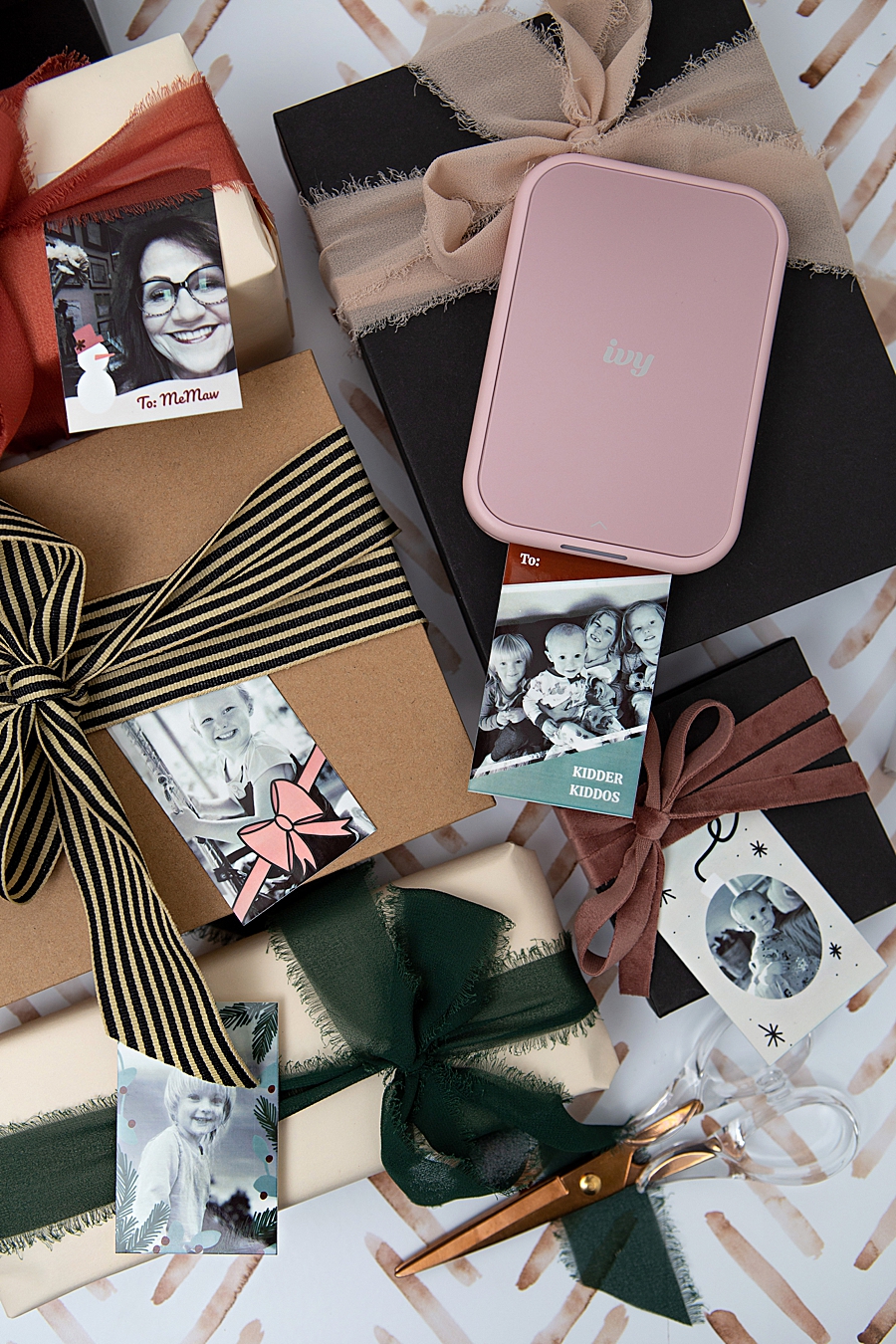
- 2020: The Printable Foundation: The collaboration began with the release of free, downloadable PDF templates. Users were required to print these templates onto standard paper and manually attach their photo prints, a process that, while popular, involved multiple steps and external materials.
- 2021: Iterative Refinement: Following high engagement levels in the first year, the partnership released a second series of printable tags. This iteration focused on refining the aesthetic appeal based on user feedback, though it remained tethered to the downloadable template model.
- 2022: Full Digital Integration: The current cycle represents a technological leap by moving the design assets directly into the Canon Mini Print App ecosystem. This eliminates the need for external templates or manual cutting, allowing for a "print-and-stick" workflow that leverages the adhesive properties of ZINK paper.
This progression highlights a move toward frictionless user experiences, where the time between digital creation and physical application is minimized.
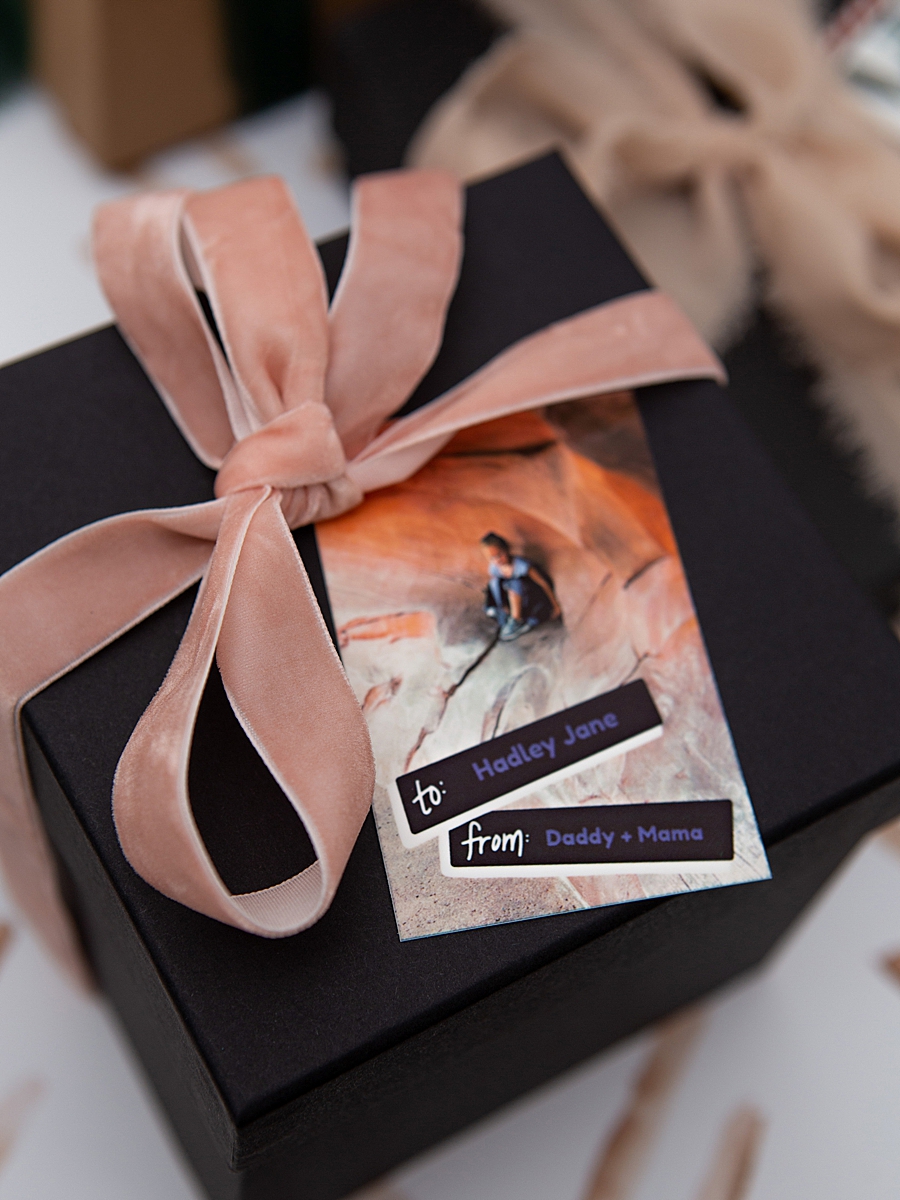
Technological Specifications of the Canon IVY 2 Mini Photo Printer
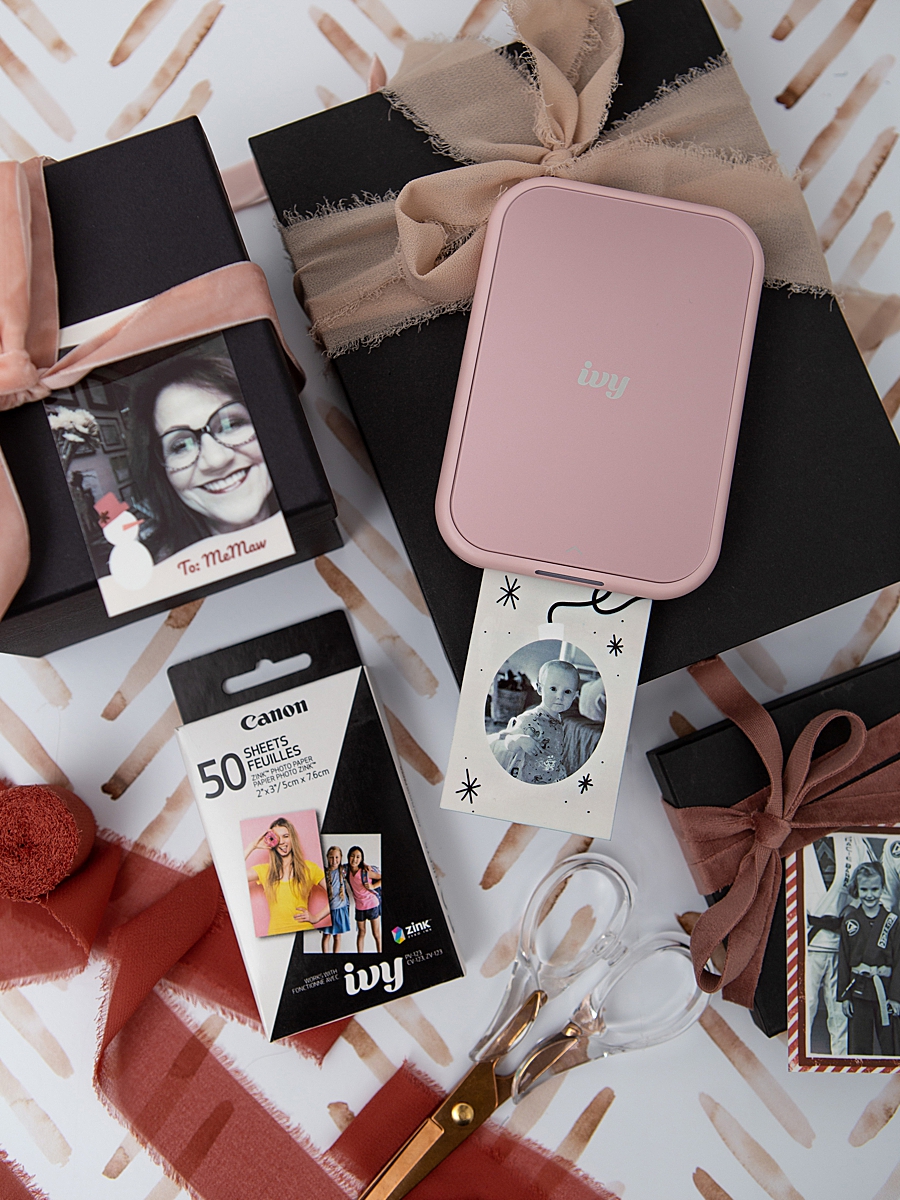
The hardware at the center of this initiative, the Canon IVY 2 Mini Photo Printer, represents the second generation of Canon’s ultra-portable printing line. Designed for mobility, the device utilizes Bluetooth 5.0 for seamless connectivity with mobile devices. One of the notable hardware improvements in the IVY 2 is the automated calibration system.
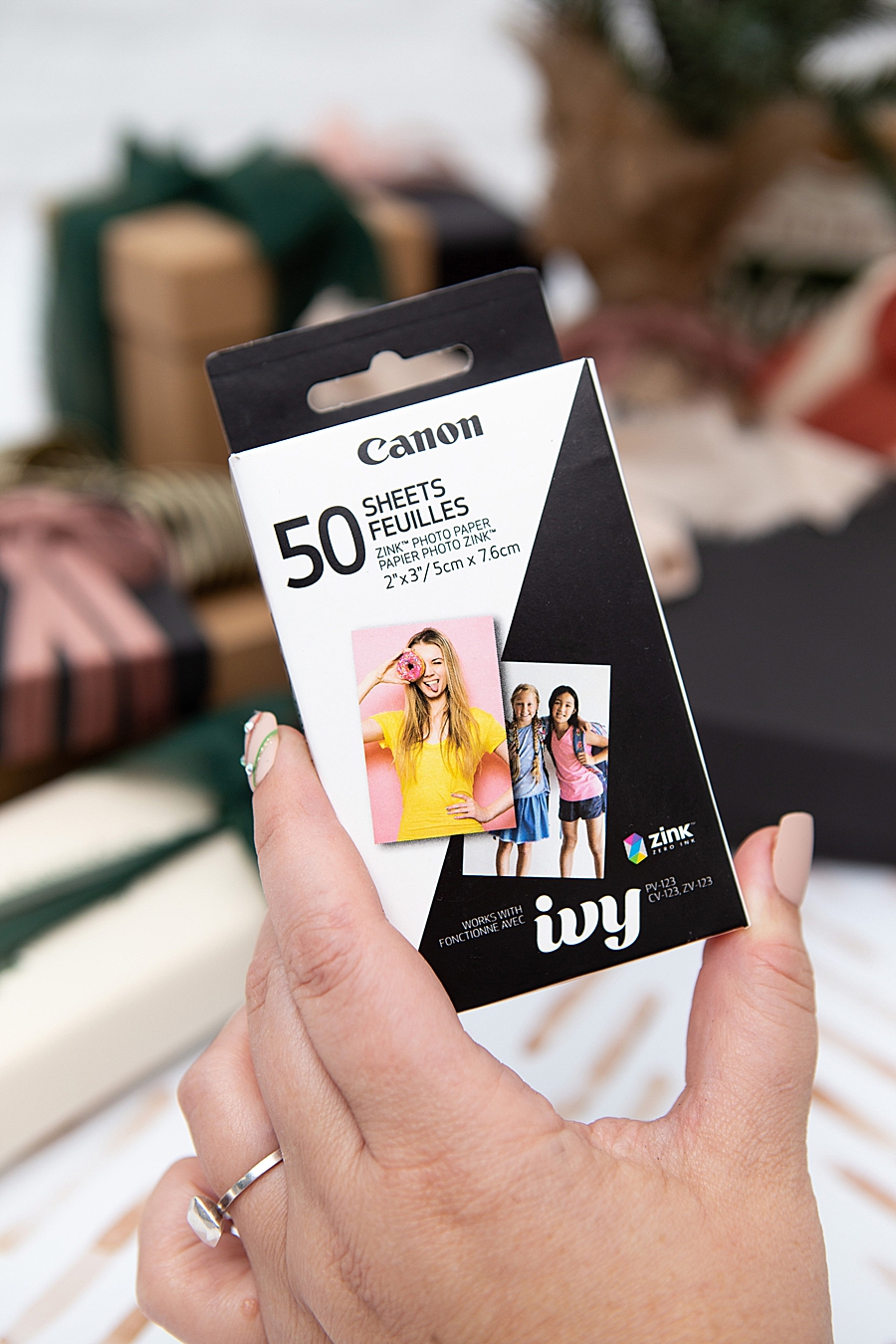
Every pack of ZINK paper includes a blue "SmartSheet." In previous iterations, users had to be mindful of manual calibration steps. The IVY 2 simplifies this by automatically processing the SmartSheet when a new pack is loaded, which cleans the print head and calibrates the color profile for that specific batch of paper. This ensures that the 2×3-inch prints maintain color accuracy, which is essential for the vibrant reds and greens associated with holiday-themed designs.
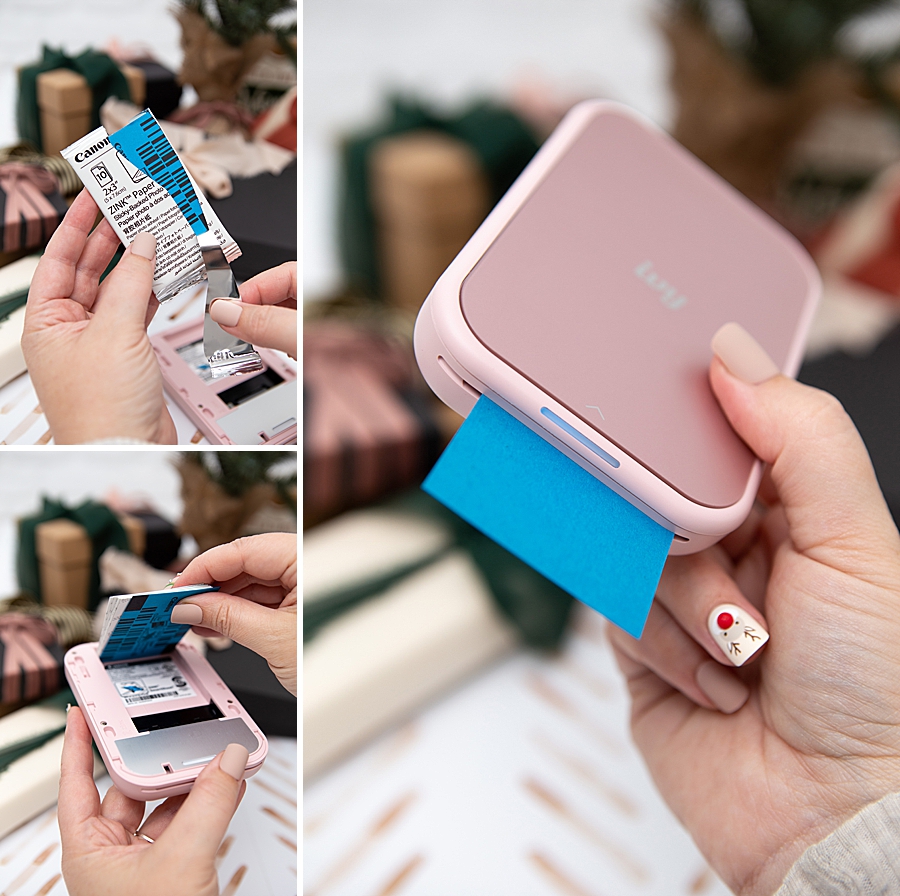
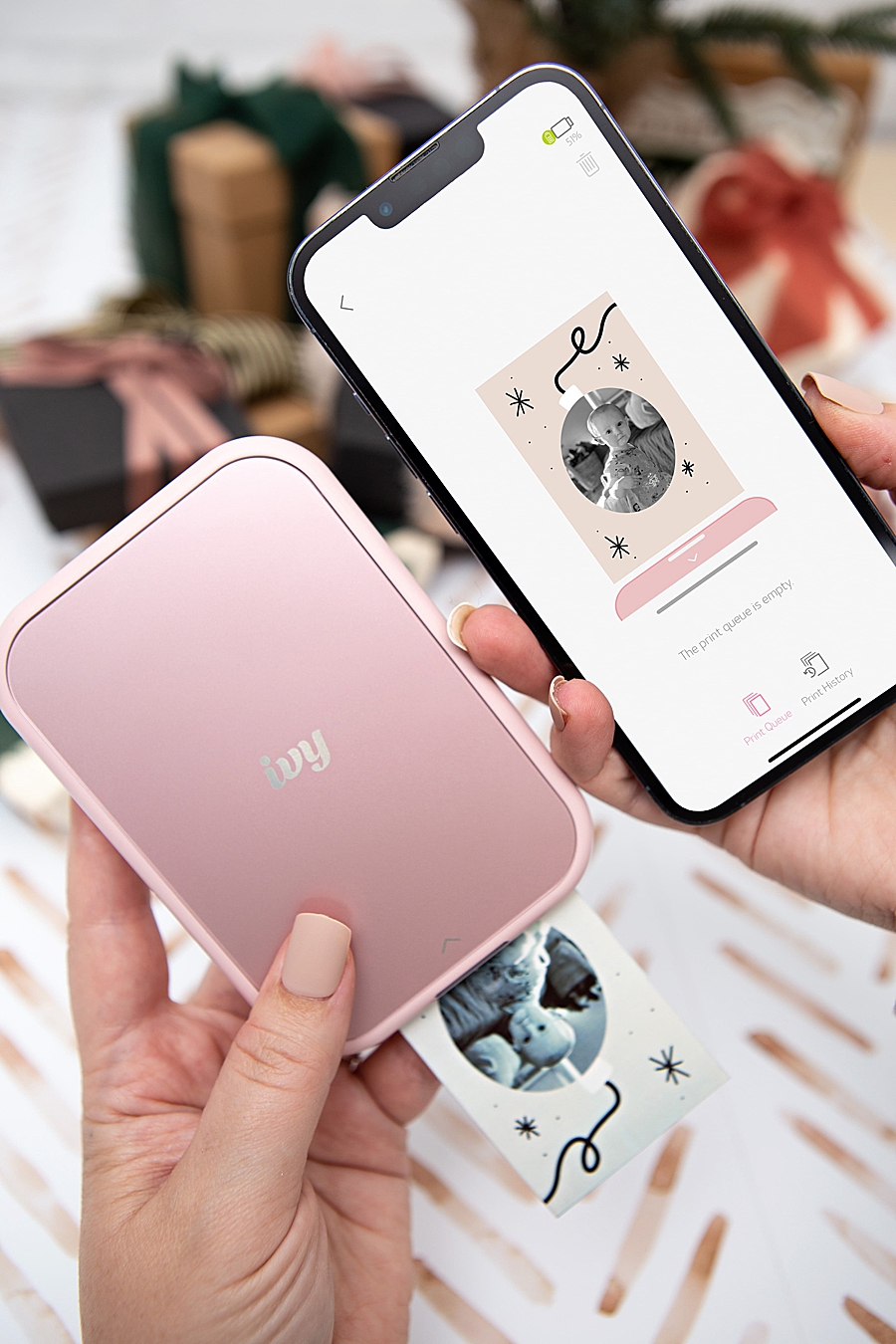
Furthermore, the IVY 2 features an upgraded battery life and a faster charging cycle compared to its predecessor. A new software-to-hardware feedback loop has also been introduced: the Canon Mini Print App now displays a real-time printing progress bar that synchronizes with the physical ejection of the photo from the printer, providing a more interactive user experience.
ZINK Technology and the Shift Toward Zero-Ink Consumables
The reliance on ZINK (Zero Ink) technology is a defining characteristic of the Canon IVY line. Developed by ZINK Holdings LLC, this technology replaces traditional ink cartridges with a composite material that uses heat-sensitive cyan, yellow, and magenta dye crystals embedded inside the paper itself.
Before printing, the ZINK crystals are colorless, making the paper look like standard white photo paper. The printer uses precisely controlled heat pulses to melt these crystals and reveal the intended colors. This process offers several advantages for the casual crafter and the holiday gift-giver:
- Smudge-Proof Durability: Because the color is embedded within the paper, the prints are virtually smudge-proof and water-resistant immediately upon exiting the printer.
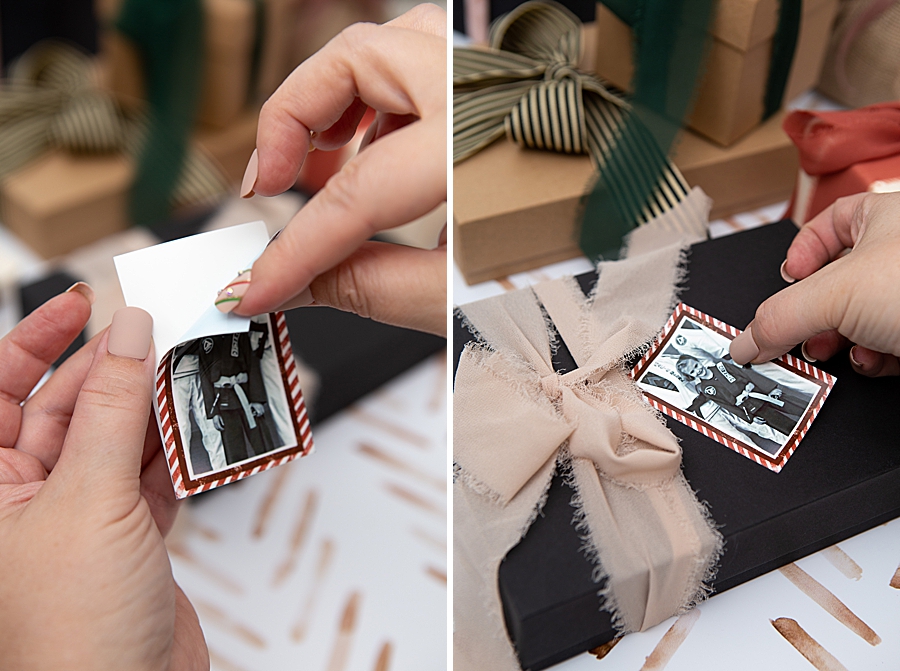
- Adhesive Backing: Each sheet of ZINK paper features a peel-and-stick adhesive back, transforming every photo into a sticker. This feature is the primary catalyst for the "photo gift tag" trend, as it removes the need for tape or glue.
- Portability: By eliminating the need for ink tanks or ribbons, the printer remains small enough to fit into a pocket, allowing for "on-the-spot" printing during holiday gatherings or family events.
Market Analysis: The Resurgence of Physical Ephemera in a Digital Age
The success of the Canon IVY series and its associated digital assets can be attributed to a broader resurgence in physical photography. While digital storage is ubiquitous, industry analysts have noted a "digital fatigue" among consumers, leading to a renewed valuation of physical objects. According to market research reports, the global portable photo printer market is projected to continue its growth at a compound annual growth rate (CAGR) of approximately 7.2% through 2028.
The use of photo-based gift tags also addresses a practical need in the "gifting economy." For households with pre-literate children, visual cues on gift tags allow for independent participation in holiday traditions. Furthermore, personalization has become a key metric in consumer satisfaction. Data from Deloitte indicates that one in five consumers who expressed an interest in personalized products are willing to pay a 20% premium for them. By providing free frames that facilitate this personalization, Canon is effectively lowering the barrier to entry for customized consumer goods.

Operational Workflow: From Digital Capture to Adhesive Application
To maximize the quality of the holiday gift tags, Something Turquoise and Canon have provided an optimized operational workflow for users. This journalistic analysis of the process reveals several technical nuances:

- Image Selection and Pre-Processing: Users are encouraged to select high-contrast images. For those opting for a black-and-white aesthetic, technical advice suggests manually increasing both brightness and contrast within the app to prevent the ZINK paper from appearing "muddy" or under-saturated.
- Asset Layering: Within the app, the "Frames" tab serves as the primary repository for the 15 new designs. The layering engine allows users to place text (using the "Text" tab) over the frames, providing a secondary layer of customization for names and dates.
- Calibration: The insertion of the SmartSheet face-down is a mandatory step for every 10-sheet pack to maintain the integrity of the thermal print head.
- Physical Application: The final step involves peeling the backing from the 2×3-inch print. The adhesive used in ZINK paper is designed to bond with a variety of surfaces, including standard wrapping paper, kraft boxes, and cardstock.
Broader Implications for the Consumer Imaging Sector
The collaboration between a major hardware manufacturer like Canon and a niche DIY influencer like Jen Causey-Kidder reflects a shift in marketing strategy within the consumer imaging sector. Rather than focusing solely on hardware specifications, companies are increasingly emphasizing the "ecosystem" of the product—specifically the software, downloadable content, and community-driven inspiration.

By releasing these frames for free, Canon is incentivizing the consumption of ZINK paper, which serves as the primary recurring revenue stream for the IVY product line. This "razor and blade" business model is bolstered by the creation of high-value digital assets that make the hardware more versatile.
Furthermore, the emphasis on "making memories" and "family crafting" positions the IVY 2 not just as a piece of technology, but as a facilitator of social interaction. The report from Something Turquoise mentions the communal aspect of selecting photos by the Christmas tree, suggesting that the value of the device is tied to the experiences it enables rather than just the prints it produces.

As the 2022 holiday season progresses, the impact of these digital-to-physical tools will likely be seen across social media platforms. Canon and Something Turquoise have encouraged users to share their creations via the hashtag #somethingturquoisediy, creating a feedback loop of user-generated content that serves as organic marketing for the IVY 2 system. This strategy effectively leverages the modern consumer’s desire for both digital visibility and physical tangibility.