



The intersection of digital photography and physical stationery has undergone a significant transformation as high-fidelity home printing technology becomes increasingly accessible to the general public. This shift is exemplified by the recent collaboration between digital lifestyle platform Something Turquoise and Canon U.S.A., Inc., which highlights a streamlined workflow for producing professional-grade holiday greetings from a domestic environment. Central to this initiative is the utilization of the Canon PIXMA TS9521C, a device specifically engineered to meet the versatile demands of the crafting community, alongside specialized media such as the 7×10 Double-Sided Greeting Card Paper Pack. By integrating advanced hardware with intuitive cloud-based design software, the partnership seeks to bridge the gap between mass-produced commercial cards and the highly personalized, artisanal quality of bespoke stationery.
The Technological Advancements in Home Crafting Hardware
The PIXMA TS9521C, often marketed as the "Crafter’s Printer," represents a specialized segment of the inkjet market. Unlike standard office printers designed primarily for document processing, this model is tailored for diverse media handling, including the ability to print on 12×12 inch cardstock—a standard size in the scrapbooking industry. The device utilizes a five-individual-ink system, which includes a pigment black ink for sharp text and four dye-based inks for vibrant color reproduction in photographic prints. This technical configuration is critical for holiday cards, where the clarity of family photographs must be balanced with the legibility of festive typography.
Furthermore, the hardware supports wireless printing capabilities, allowing users to interface with various design platforms without the constraints of physical tethering. In the context of the Something Turquoise collaboration, this functionality facilitates a seamless transition from the design phase on a tablet or computer to the final physical output. The inclusion of features such as Auto Duplex printing and specialized paper paths for thicker media underscores the industry’s move toward accommodating "prosumer" levels of creative production.
Media Specifications and the Importance of Substrate Quality
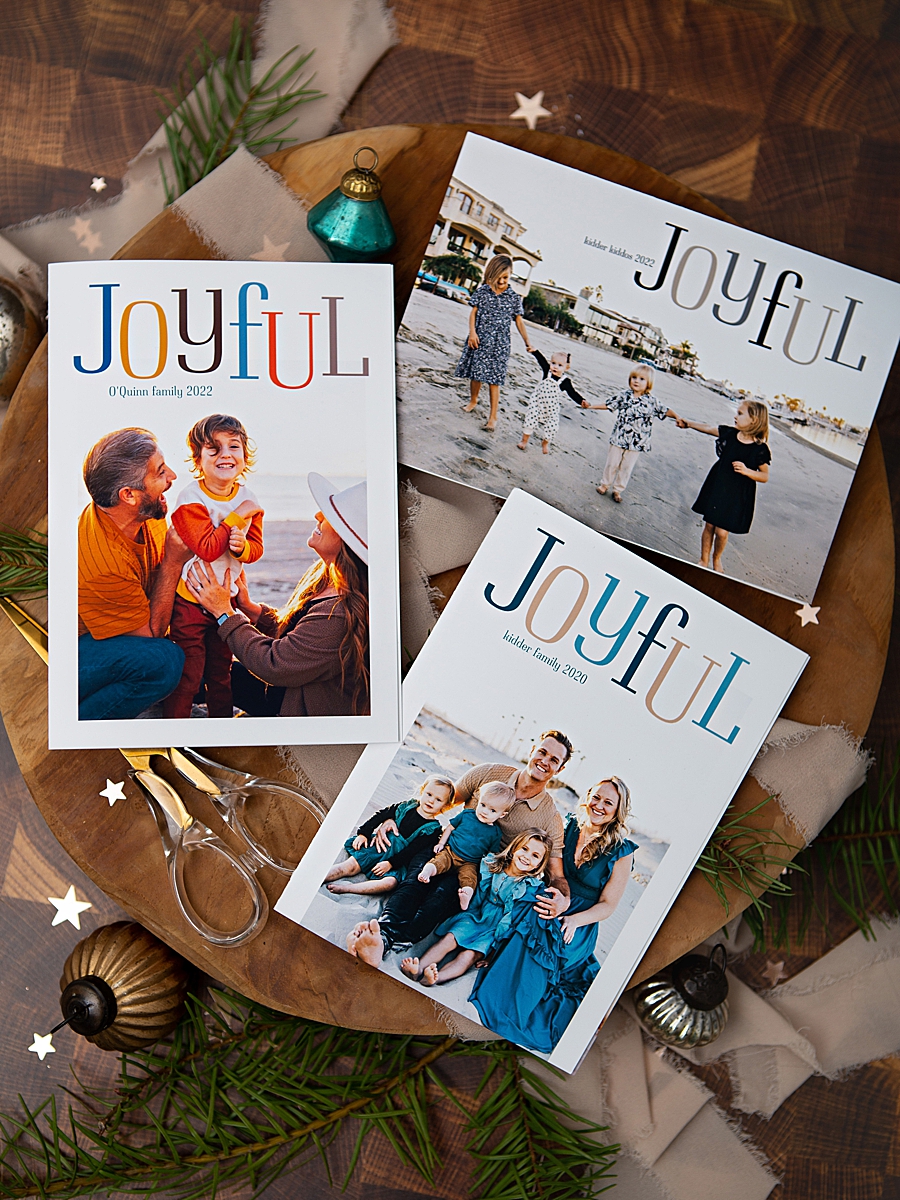
A significant factor in the perceived value of a holiday card is the tactile quality of the paper. The collaboration emphasizes the use of Canon’s 7×10 Double-Sided Greeting Card Paper Pack. This specific substrate is a double-sided matte photo paper that arrives pre-cut and pre-scored. From a technical standpoint, the pre-scoring is a vital feature for home users; it ensures a clean, professional fold that prevents the cracking of ink or the misalignment of the card’s front and back panels.
The dimensions of the paper—7×10 inches—are designed to fold into a standard 5×7 inch (A7) card, which is the industry standard for high-end greeting cards. The pack includes 20 sheets of paper and 20 matching envelopes, providing a complete kit for small-batch production. The matte finish is particularly favored in modern stationery design as it reduces glare and fingerprints while providing a sophisticated, "art-gallery" feel to photographic elements. Industry data suggests that while glossy finishes remain popular for traditional snapshots, matte and semi-gloss finishes have seen a 15% increase in preference for greeting cards and invitations over the last five years.
Digital Integration and the Personalization Workflow
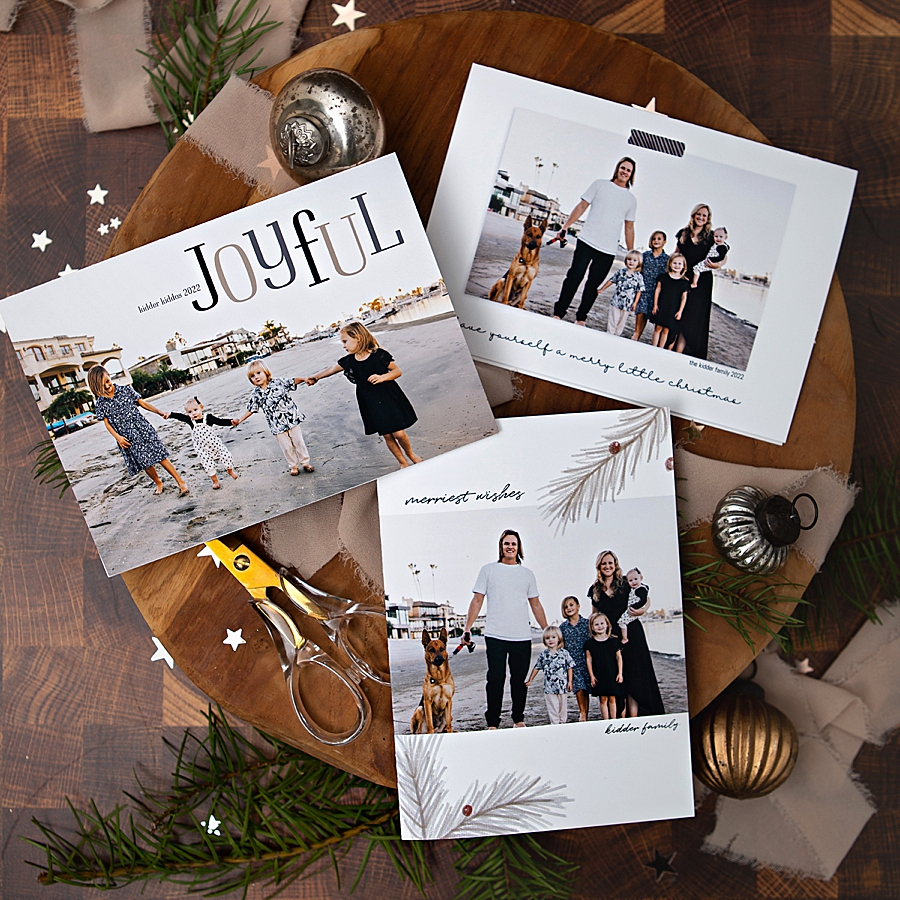
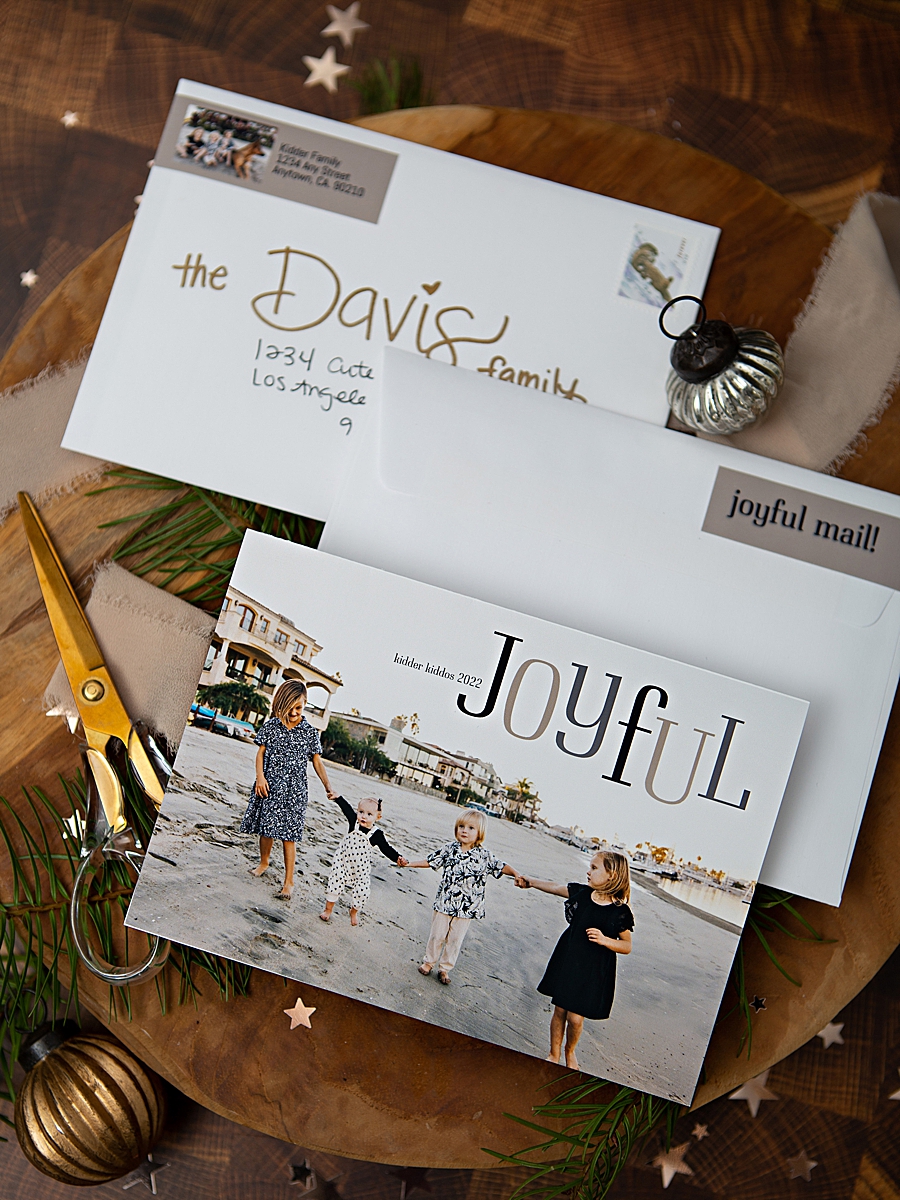
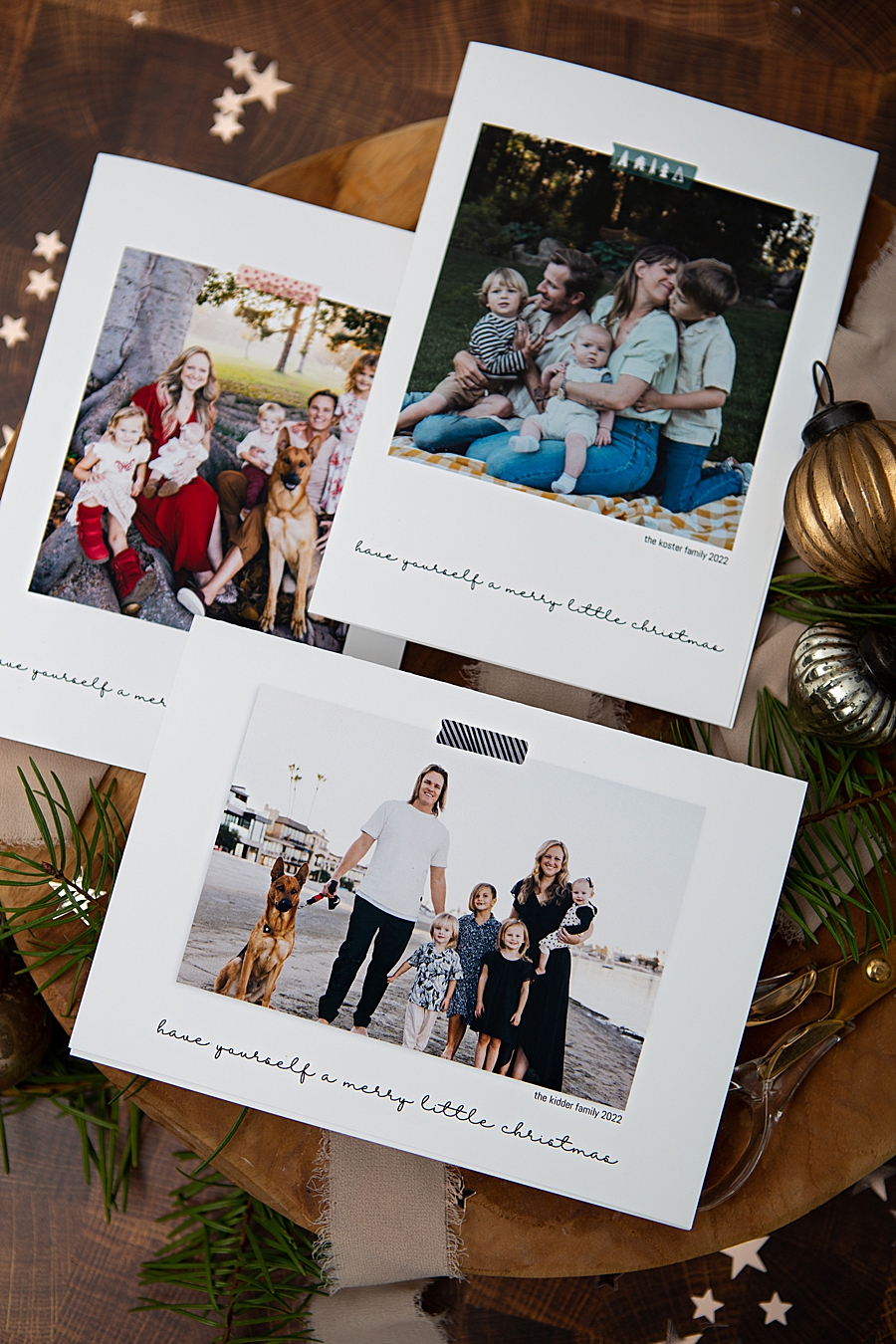
The democratization of design has been largely driven by the emergence of browser-based editing software. In this project, the Corjl platform is utilized to host three specific design templates: "Joyful," "Tape," and "Berries." These templates represent different aesthetic movements in contemporary holiday decor.
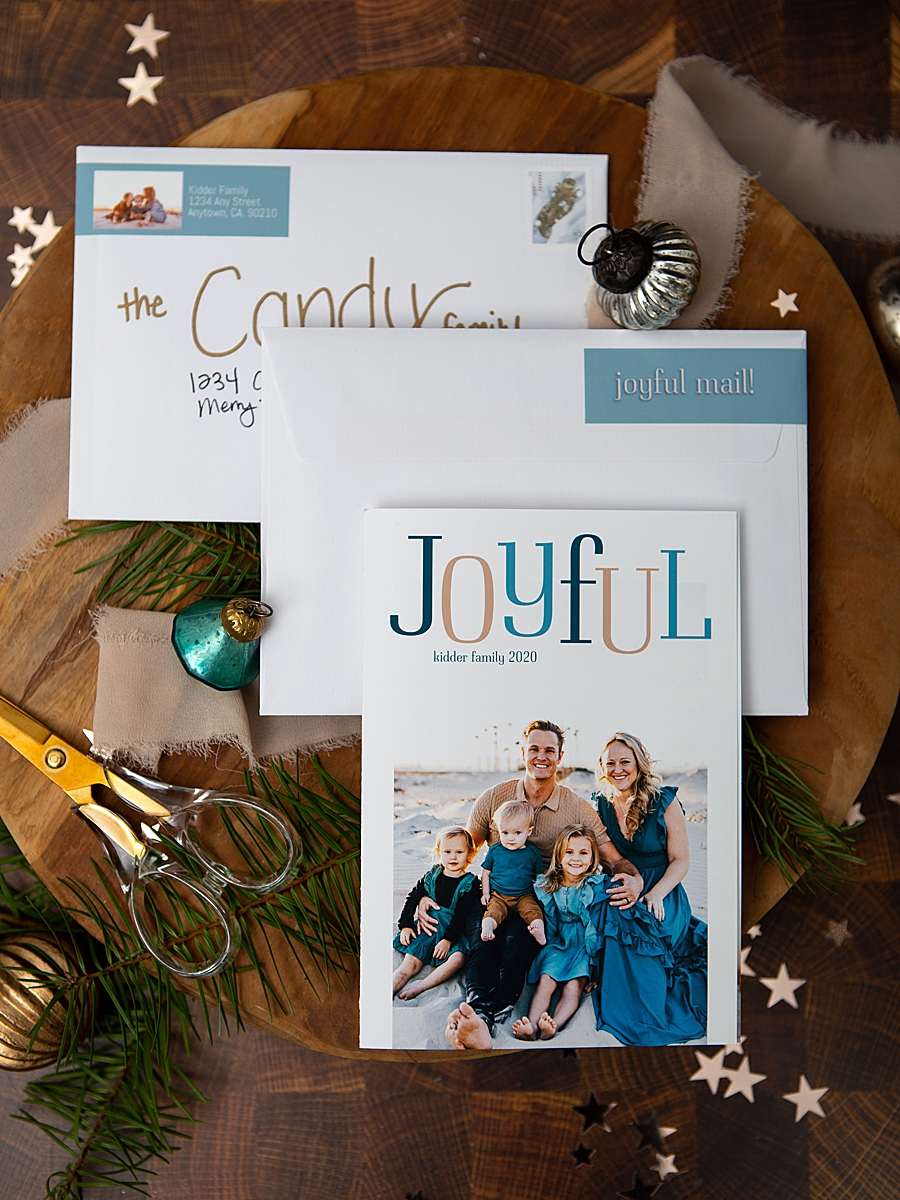
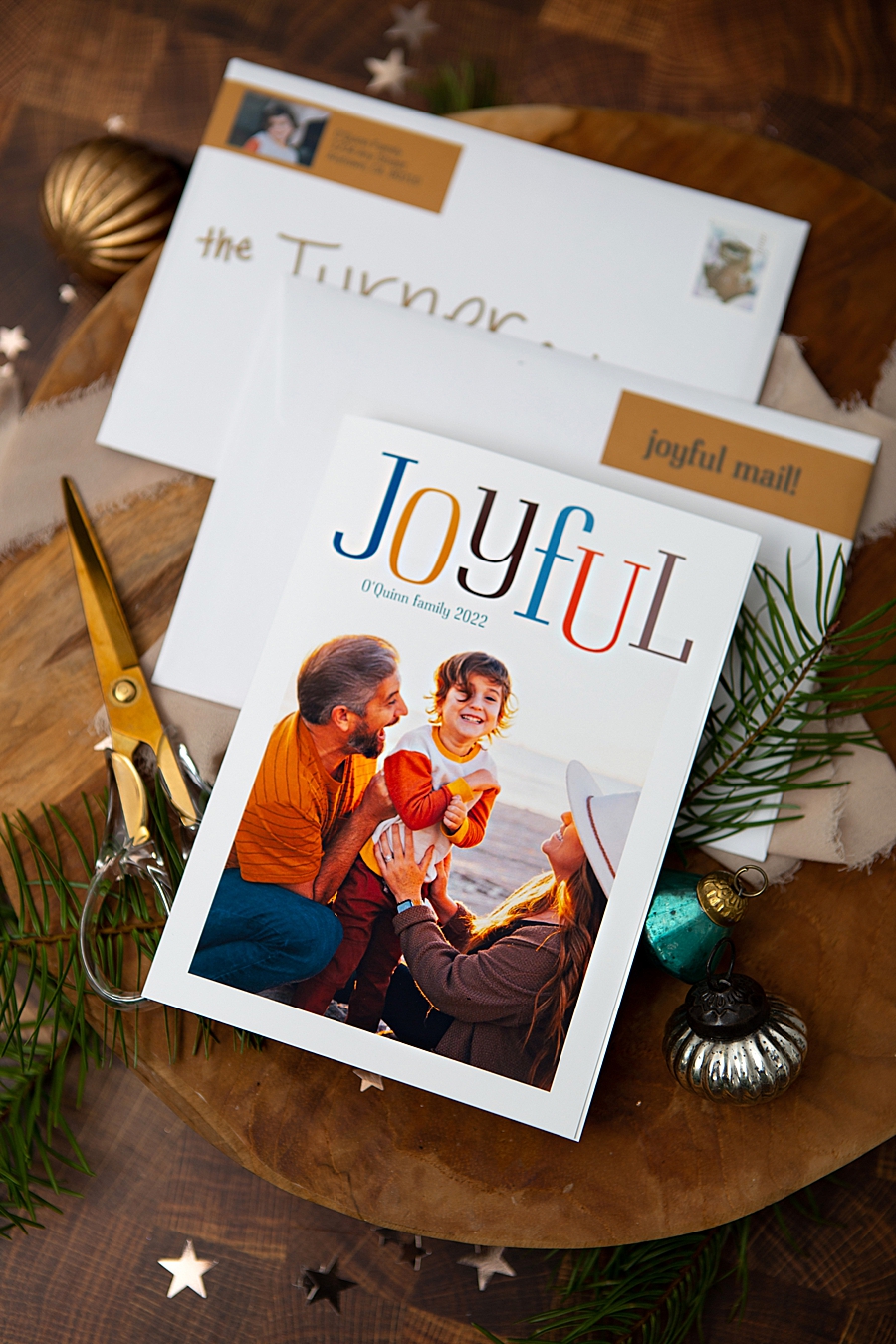
- The Joyful Design: Focuses on bold typography and color theory. The software allows users to modify the hue of the central text to complement the color palette of their uploaded photographs.
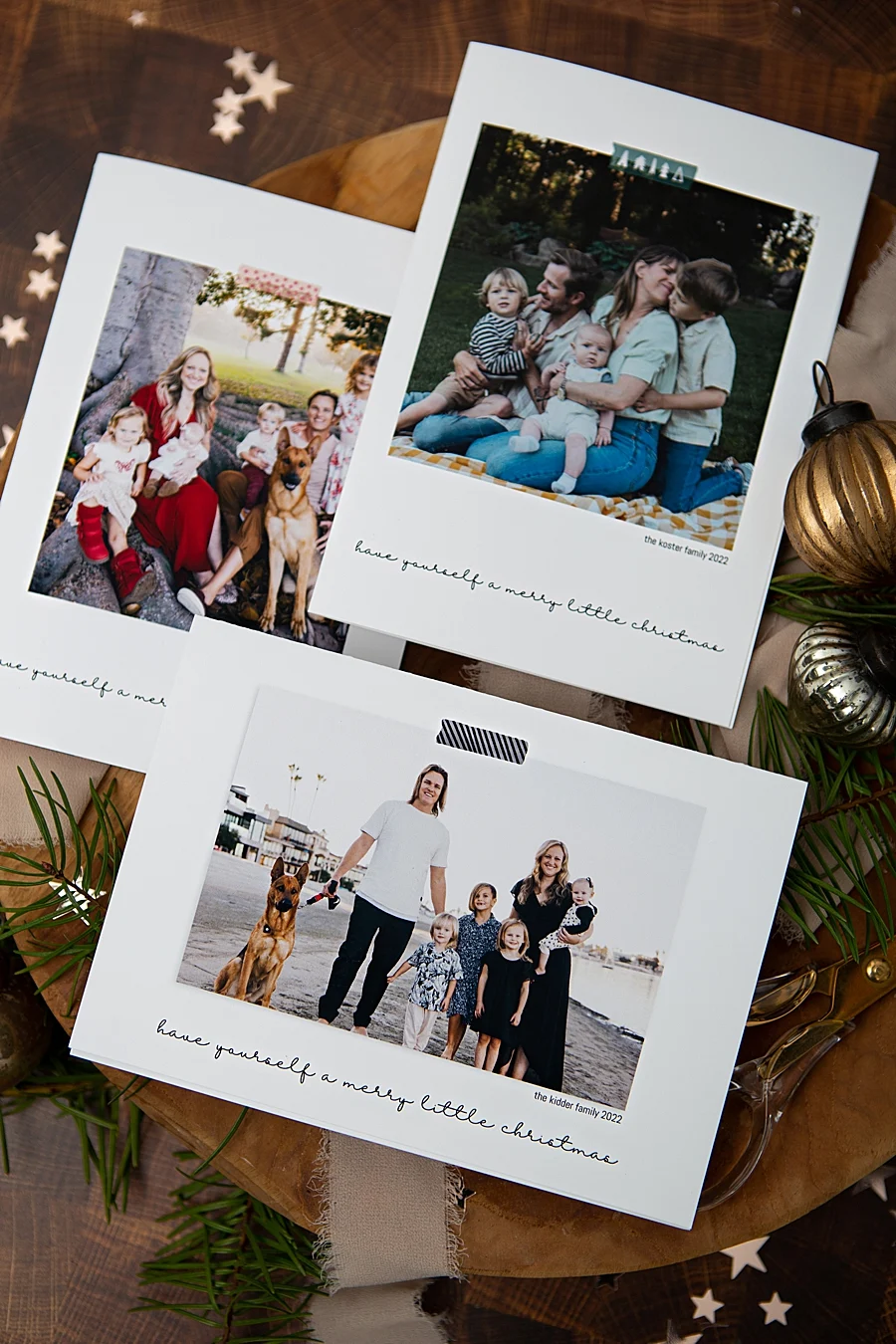
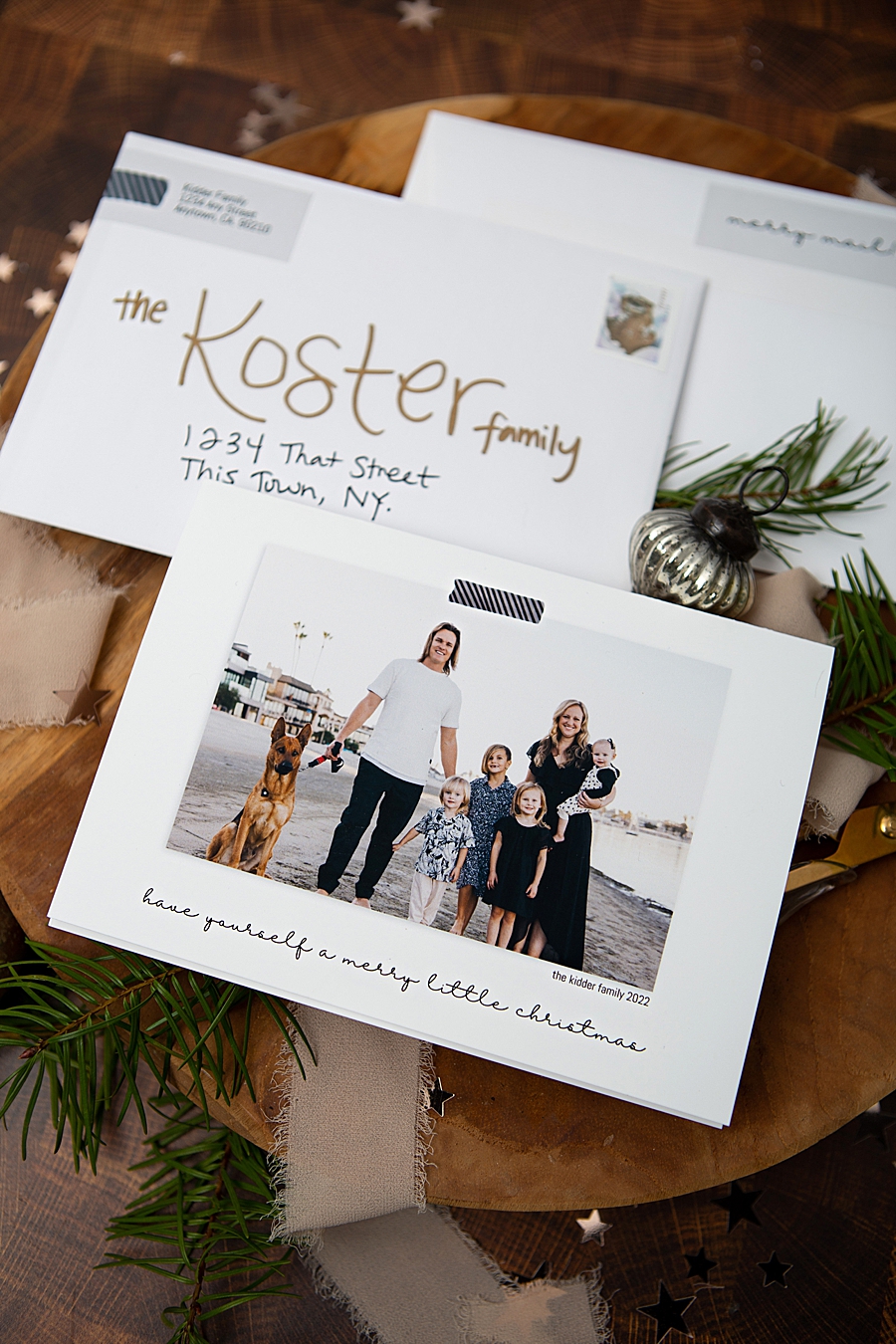
- The Tape Design: Mimics the "washi tape" or scrapbooking aesthetic, incorporating digital overlays of patterns such as black and white stripes, pink polka dots, and green arboreal motifs.
- The Berries Design: Utilizes hand-drawn botanical illustrations in varied color schemes (green, pink, and beige), reflecting a trend toward organic and minimalist holiday imagery.
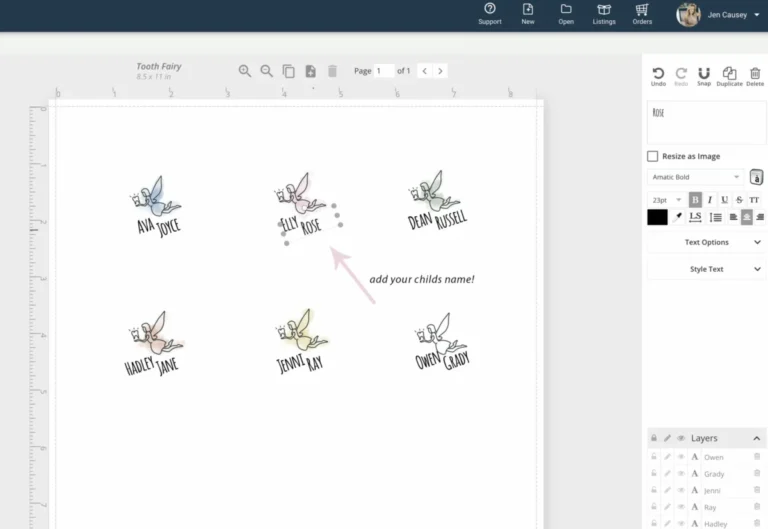
The use of Corjl allows for a high degree of granular control, including text modification, image placement, and layout adjustments. This level of customization was previously only available through professional graphic design suites or expensive bespoke printing services. By offering these designs for free through a promotional code ("canonholiday"), Canon and Something Turquoise are lowering the barrier to entry for high-quality DIY projects.
Chronology of the Home Printing Revolution
The ability to print high-resolution cards at home is the result of a multi-decade evolution in consumer technology.
- 1990s – Early 2000s: Home printing was largely restricted to low-resolution text and basic graphics. Specialized "photo printers" began to emerge but were cost-prohibitive for many, and ink costs remained high.
- 2010s: The rise of social media and digital photography led to a surge in demand for physical prints. Companies like Canon began optimizing inkjet technology to handle heavier weights of paper and more complex color profiles.
- 2020 – Present: The global shift toward home-based activities accelerated the "DIY" movement. Consumers began seeking professional-grade equipment to replicate services that were traditionally outsourced. This period saw the introduction of all-in-one crafting printers that could handle everything from stickers to large-format layouts.
The current collaboration reflects the "Capture to Print" philosophy promoted by Canon U.S.A., Inc. This strategy aims to provide a continuous ecosystem for the consumer, starting with the image capture on a camera or smartphone and ending with a physical artifact.
Market Analysis: The Resilience of Physical Greeting Cards
Despite the ubiquity of digital communication, the physical greeting card market remains remarkably resilient. According to data from the Greeting Card Association (GCA), Americans purchase approximately 6.5 billion greeting cards annually, with the holiday season accounting for the largest share of this volume. Research indicates that seven out of ten consumers consider greeting cards to be "essential" to their holiday traditions.
The DIY segment of this market has seen particular growth. Analysts attribute this to "digital fatigue," where consumers find more emotional value in a physical object that was created with personal effort. The cost-effectiveness of printing at home also plays a role. While the initial investment in a printer like the PIXMA TS9521C is higher than a standard model, the per-unit cost of a high-quality DIY card is often 40% to 60% lower than purchasing premium individual cards at retail outlets, which can range from $5.00 to $9.00 each.
Corporate Strategy and Consumer Engagement
Canon U.S.A., Inc. has positioned itself as a leader in the creative technology space by partnering with influencers and DIY experts like Jen Causey-Kidder of Something Turquoise. This strategy allows the corporation to demonstrate practical applications of their hardware in a way that resonates with hobbyists and small business owners.
"Canon prides itself on allowing consumers to create and preserve beautiful imagery," a representative for the company noted in a statement regarding their crafting initiatives. By providing free design assets and detailed instructional content, the company fosters a community of "brand evangelists" who share their creations on social media using hashtags like #somethingturquoisediy. This organic marketing loop provides Canon with valuable user-generated content and real-world proof of their products’ capabilities.
Broader Implications and Sustainability
The move toward on-demand home printing also carries implications for sustainability and waste reduction. Traditional card manufacturing often involves large print runs, significant shipping logistics, and retail waste from unsold inventory. Home printing allows for exact-quantity production, reducing the environmental footprint associated with mass distribution. Furthermore, as ink technology improves, many manufacturers are moving toward more eco-friendly cartridges and energy-efficient hardware.
In conclusion, the partnership between Something Turquoise and Canon illustrates a significant milestone in the empowerment of the home crafter. By combining sophisticated hardware like the PIXMA TS9521C with high-quality media and accessible digital design tools, the process of creating holiday cards has been transformed from a logistical challenge into a creative outlet. This trend reflects a broader cultural shift toward personalization, tactile experiences, and the integration of technology into the traditional rituals of the holiday season. As home printing technology continues to advance, the boundary between professional printing houses and the home studio will likely continue to blur, offering consumers unprecedented control over their visual and physical communications.