



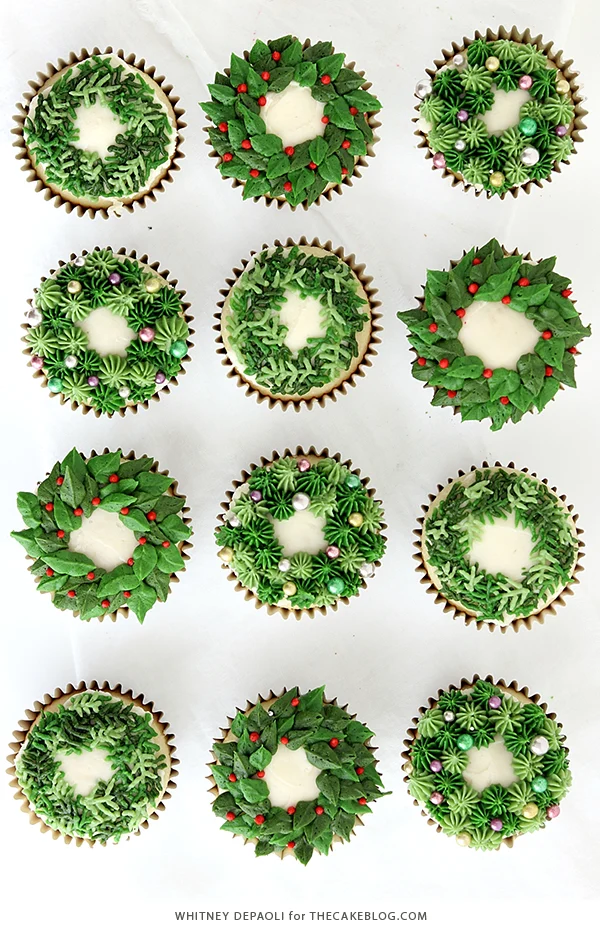
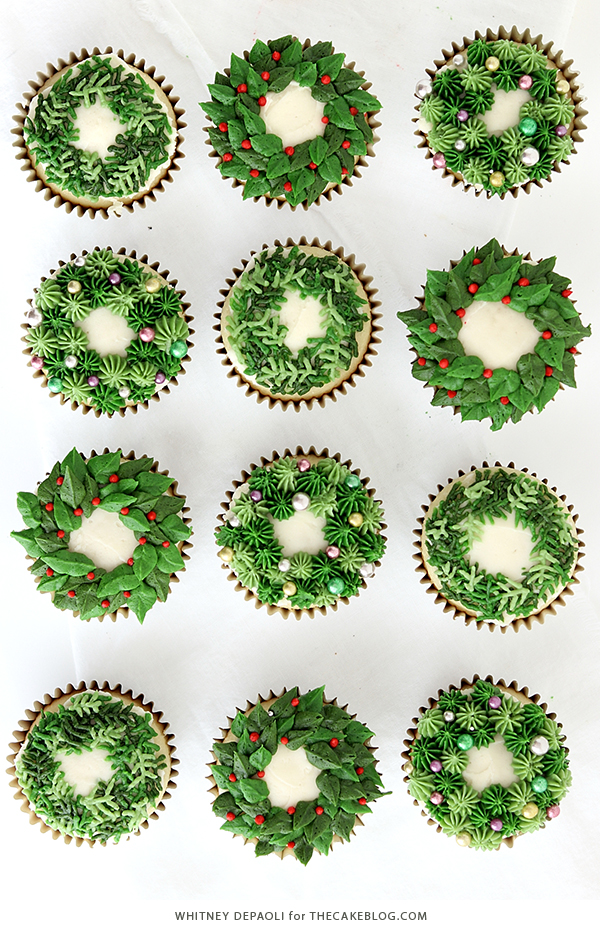
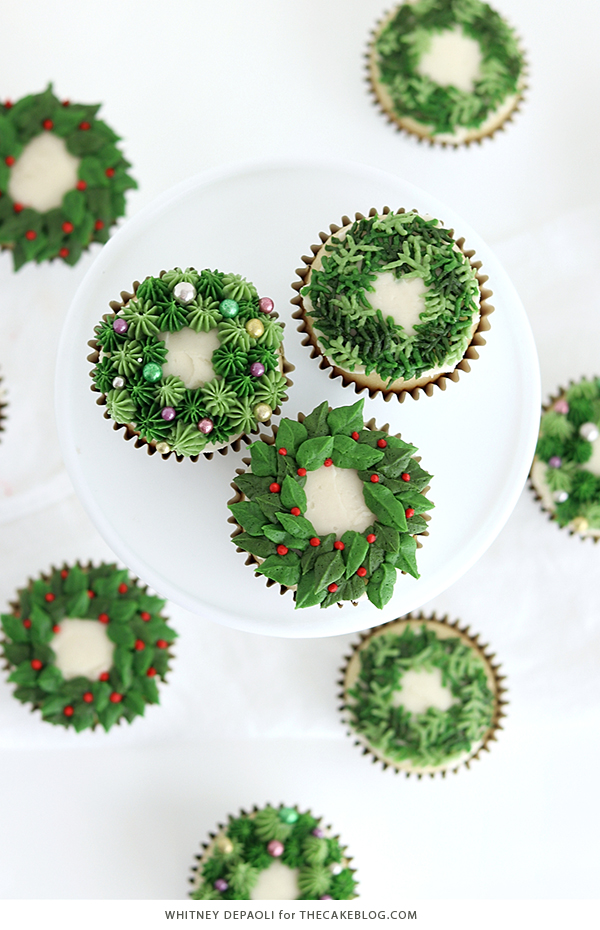
The holiday confectionery market has seen a significant shift toward intricate, artisanal designs that cater to the growing "do-it-yourself" culinary movement, a trend exemplified by the release of a comprehensive tutorial detailing the creation of Christmas Wreath Cupcakes. Developed by culinary contributor Whitney DePaoli for the digital publication The Cake Blog, this guide provides a technical framework for producing three distinct festive designs using advanced buttercream piping techniques. As home bakers increasingly seek professional-grade results for seasonal gatherings, the introduction of these wreath-themed toppers represents a intersection of traditional holiday iconography and modern edible art. The project focuses on accessibility and visual variety, utilizing a specific array of piping tips and color palettes to simulate the textures of evergreen foliage and festive decorations.
Conceptual Development and Seasonal Context
The conceptualization of the Christmas Wreath Cupcakes began with a strategic observation of seasonal aesthetics. Historically, the wreath has served as a central symbol of the holiday season, representing eternity and hospitality. In the context of contemporary baking, translating these large-scale decorations into miniature, edible formats requires a meticulous approach to scale and texture. DePaoli noted that while her previous projects included complex structures like towering Christmas tree cakes and gingerbread houses, the wreath design offered a unique opportunity for repetitive, scalable artistry that fits the medium of a cupcake.
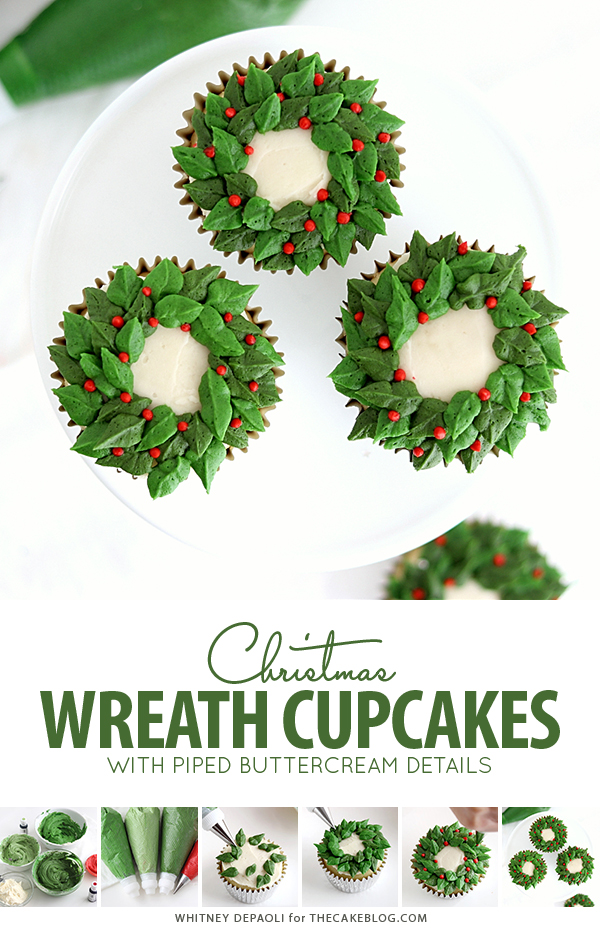
The development process involved a transition from literal sketches to physical prototypes. This "drawing board" phase is a standard practice in professional pastry design, allowing for the assessment of color balance and spatial distribution before any materials are used. The resulting tutorial is not merely a recipe but a technical manual for achieving specific botanical textures through the manipulation of buttercream viscosity and piping tip geometry.
Technical Specifications and Material Requirements
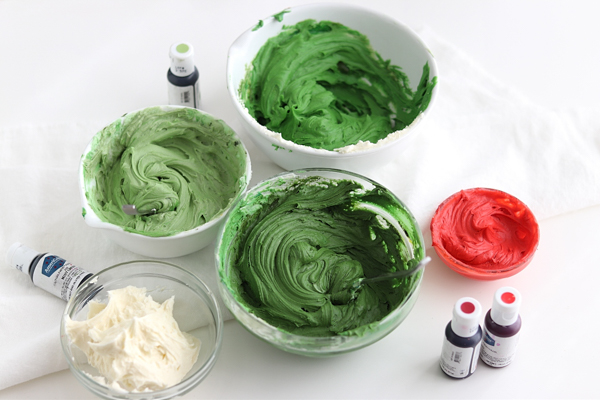
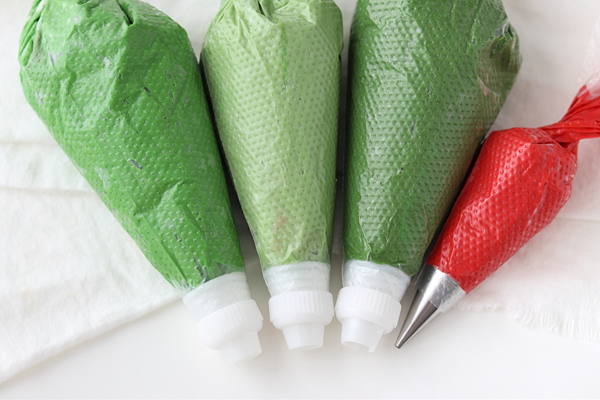
Successful execution of the wreath designs relies on a specific inventory of tools and ingredients. The foundation of the project is a stable, pipeable frosting—specifically American Buttercream, though the tutorial notes that any buttercream with sufficient structural integrity is applicable. The color palette is strictly defined to ensure a sophisticated visual output, utilizing three distinct shades of green to provide depth and realism, alongside a vibrant red for decorative accents.
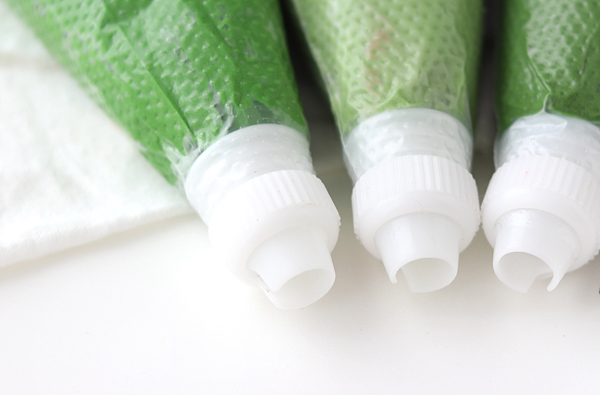
A critical component of the methodology is the use of piping couplers. In professional baking, couplers allow for the rapid exchange of piping tips without the need to empty or replace the frosting bag. This efficiency is vital when working with multiple designs that share a common color palette. The tutorial specifies the use of several industry-standard tips:
- Tip #352 (Leaf Tip): Utilized for creating overlapping, pointed leaves that mimic traditional broadleaf evergreens.
- Tip #3 (Small Round Tip): Used for fine-line work, such as pine needles and the placement of small "berries."
- Tip #199 (Star Tip): Employed for creating drop stars that provide a stylized, modern texture.
For coloration, the guide recommends high-pigment food gels, specifically naming Americolor Forest Green and Avocado for the foliage and Super Red for the berries. The use of varied green intensities—light, medium, and dark—is a deliberate choice to enhance the three-dimensional appearance of the wreaths, preventing the designs from appearing flat or monochromatic.
Chronological Methodology of the Three Designs
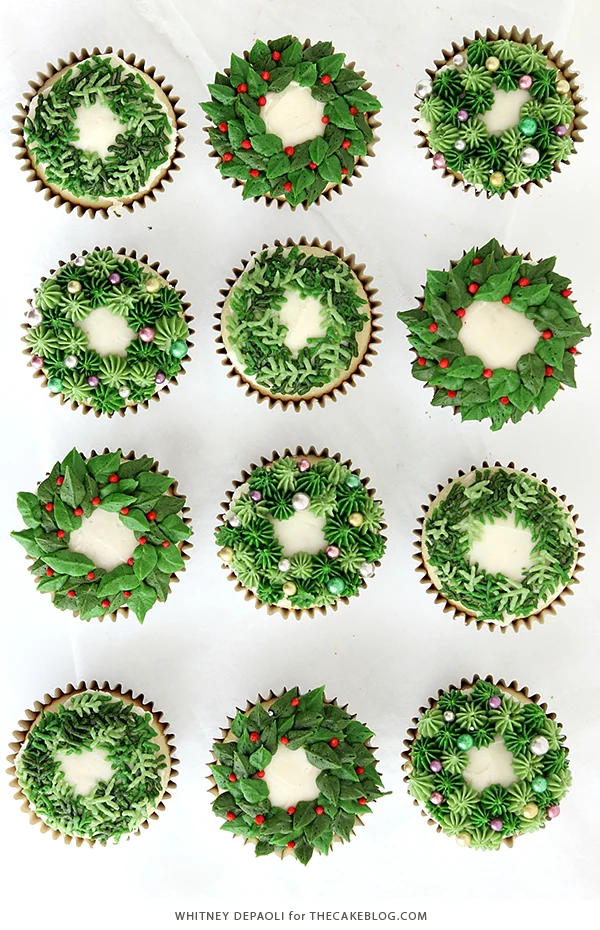
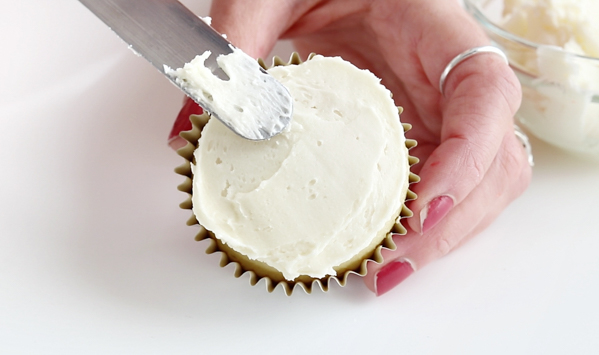
The production of the Christmas Wreath Cupcakes is categorized into three specific stylistic variations, each requiring a different technical approach. All designs begin with a base layer of uncolored buttercream, applied with a small icing spatula to create a neutral "canvas" that prevents the cupcake’s surface from peeking through the intricate piping.
The Berry Wreath Technique
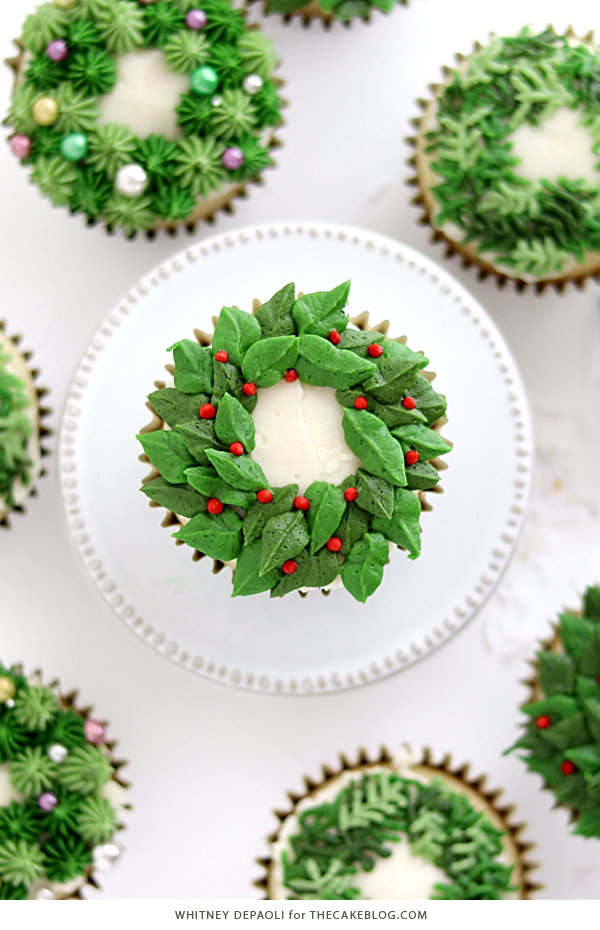
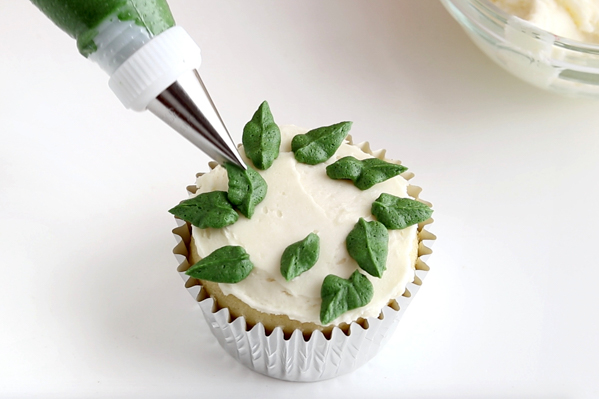
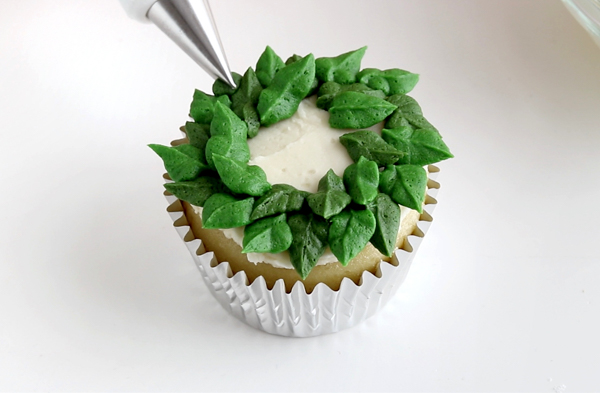
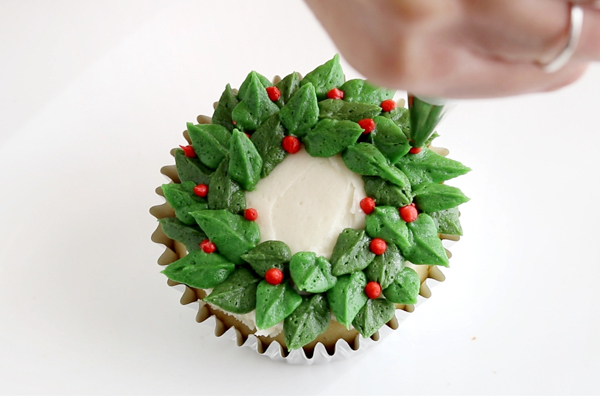
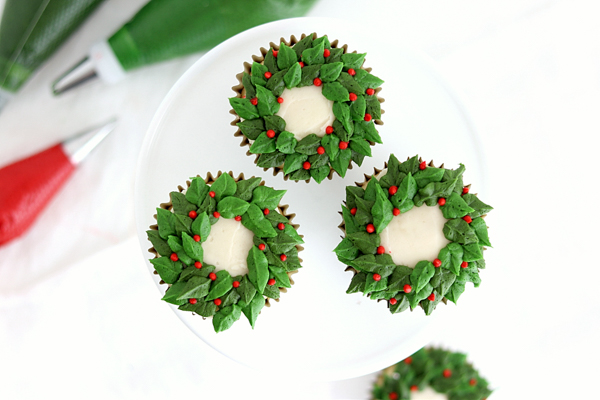
The Berry Wreath focuses on a leafy, organic texture. Using the #352 leaf tip, the baker must hold the bag parallel to the cupcake surface with the tip’s "beak" positioned vertically. By applying consistent pressure while pulling the bag toward the body, the baker creates individual leaves. The tutorial instructs the placement of a primary green shade around the perimeter, followed by a secondary shade to fill the gaps. This two-toned approach mimics the natural variation found in real holly or boxwood wreaths. The final step involves piping small red dots using the #3 tip to simulate winter berries.
The Pine Sprig Wreath Technique
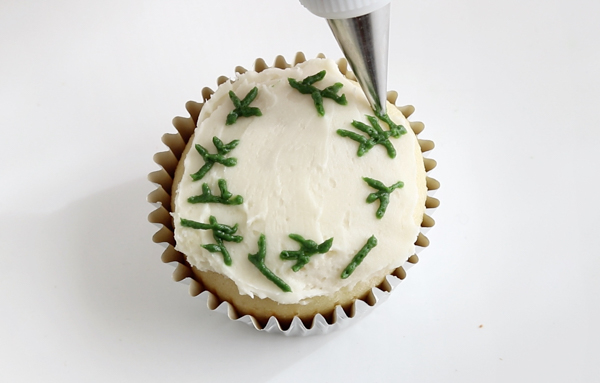
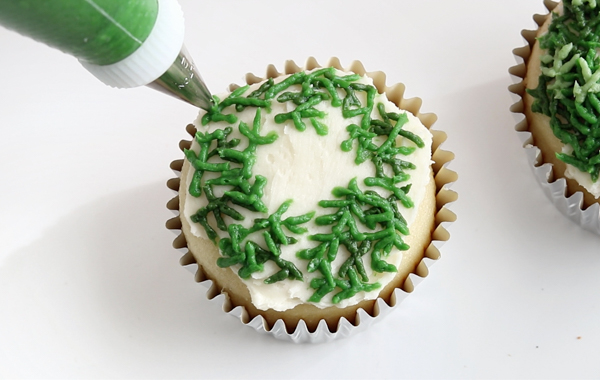
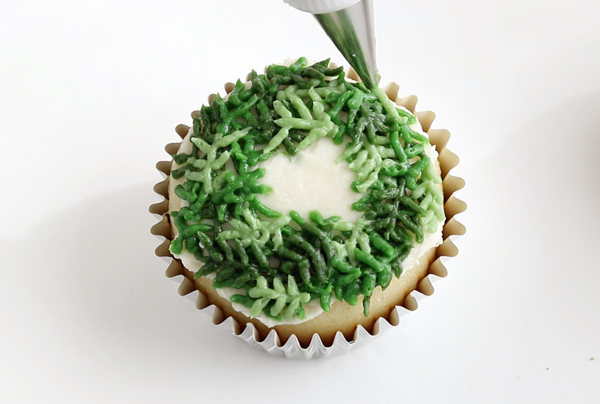
Recognized as the most time-intensive design, the Pine Sprig Wreath utilizes the #3 tip across all three shades of green. The technique involves piping a central "branch" line followed by a series of "V" shapes over the top to create the appearance of pine needles. By layering these sprigs in varying shades, the baker achieves a dense, needle-like texture that closely resembles traditional coniferous wreaths. The objective is to minimize white space, creating a lush, forest-like ring atop the cupcake.
The Sprinkled Wreath Technique
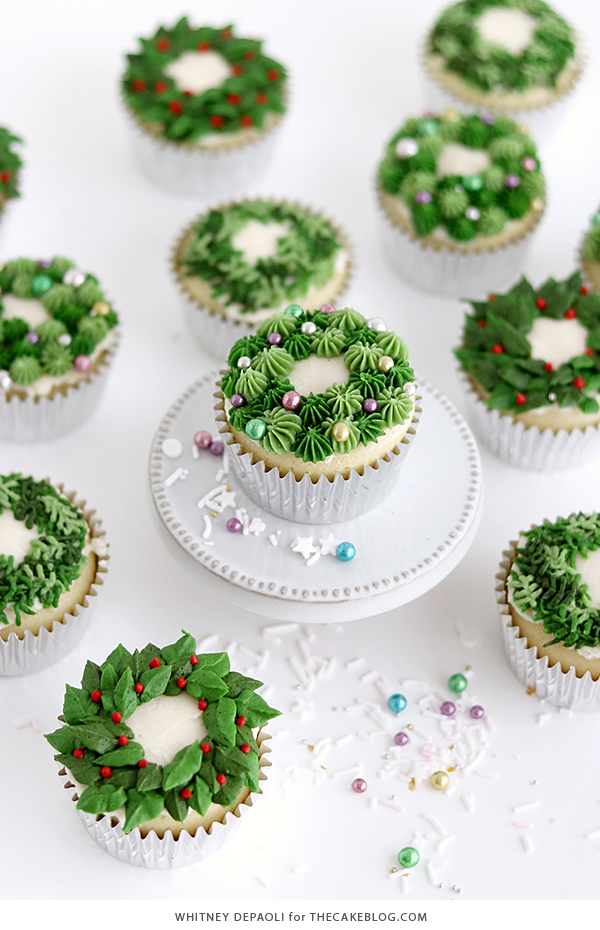
The third design offers a more stylized, contemporary aesthetic. Using the #199 star tip, the baker creates a series of "drop stars" by holding the bag vertically and applying a quick burst of pressure. This creates a textured, ruffled surface. After circling the cupcake with two shades of green, the design is finished with spherical sprinkles—specifically the "Serendipity" mix from Fancy Sprinkles—which serve as miniature ornaments. This design highlights the role of external decorative elements in adding color contrast and festive flair.
Industry Data and Market Trends
The release of such detailed tutorials coincides with a significant uptick in the global baking and cake decorating market. According to market research, the global bakery products market was valued at approximately $500 billion in 2022 and is projected to continue growing as home-based entrepreneurship and hobbyist baking expand. During the fourth quarter, retail sales of baking supplies—including specialty piping tips, food coloring, and decorative sprinkles—typically see a 30% to 50% increase compared to annual averages.
Furthermore, social media platforms like Pinterest and Instagram have transformed the way seasonal recipes are consumed. Visual-heavy tutorials like DePaoli’s "Christmas Wreath Cupcakes" are designed to be "shareable," driving traffic not only to the original blog but also to the manufacturers of the tools mentioned. The emphasis on "professional results at home" taps into the consumer desire for high-quality, personalized holiday experiences that differentiate from mass-produced supermarket goods.
Analysis of Broader Implications
Beyond the immediate culinary application, the Christmas Wreath Cupcakes tutorial reflects a broader trend in the democratization of specialized skills. By breaking down complex piping techniques into repeatable steps, the tutorial lowers the barrier to entry for artisanal baking. This has implications for the "creator economy," where professional contributors provide high-value content that supports the sales of physical goods (piping sets, couplers, and gel colors).
The use of couplers, as emphasized in the tutorial, also highlights a growing awareness of efficiency and waste reduction in the kitchen. By allowing one bag to serve multiple purposes, the method reduces the consumption of disposable piping bags, a factor increasingly considered by environmentally conscious consumers.
From a psychological perspective, the act of "festive baking" serves as a significant cultural ritual. Tutorials that offer multiple designs within a single theme allow for a sense of creative agency and "curation" for the baker. The resulting dessert table becomes a point of pride and a conversation piece, reinforcing the social role of food during the holiday season.
Conclusion and Future Outlook
The Christmas Wreath Cupcakes project stands as a benchmark for holiday-themed edible design, combining technical precision with seasonal charm. As the 2019 holiday season progressed, such tutorials became essential resources for those looking to elevate their festive hosting. The success of these designs lies in their modularity; whether a baker chooses to master one style or create the full assortment, the outcome is a professional-grade product that honors the spirit of the season.
Looking forward, the trend toward hyper-realistic botanical designs in buttercream is expected to evolve, with more focus on regional plant life and increasingly sophisticated color-blending techniques. For now, the wreath remains a timeless choice, providing a versatile foundation for both novice and experienced decorators to express their holiday creativity. The contribution of experts like Whitney DePaoli ensures that the tradition of the holiday dessert table remains vibrant, innovative, and accessible to all.