


In a strategic move to bridge the gap between digital design and high-quality physical output, Canon U.S.A., Inc. has partnered with the lifestyle and DIY platform Something Turquoise to launch a comprehensive holiday card production initiative. The collaboration centers on the utilization of the Canon PIXMA TS9521C Crafting Printer, a specialized device engineered to meet the rigorous demands of the scrapbooking and stationery communities. This initiative provides consumers with high-resolution templates and professional-grade paper products, effectively decentralizing the production of high-end holiday stationery. By integrating user-friendly design software with industrial-standard home printing hardware, the partnership aims to simplify the complex process of creating personalized, double-sided photo cards.
Technical Specifications and Hardware Integration
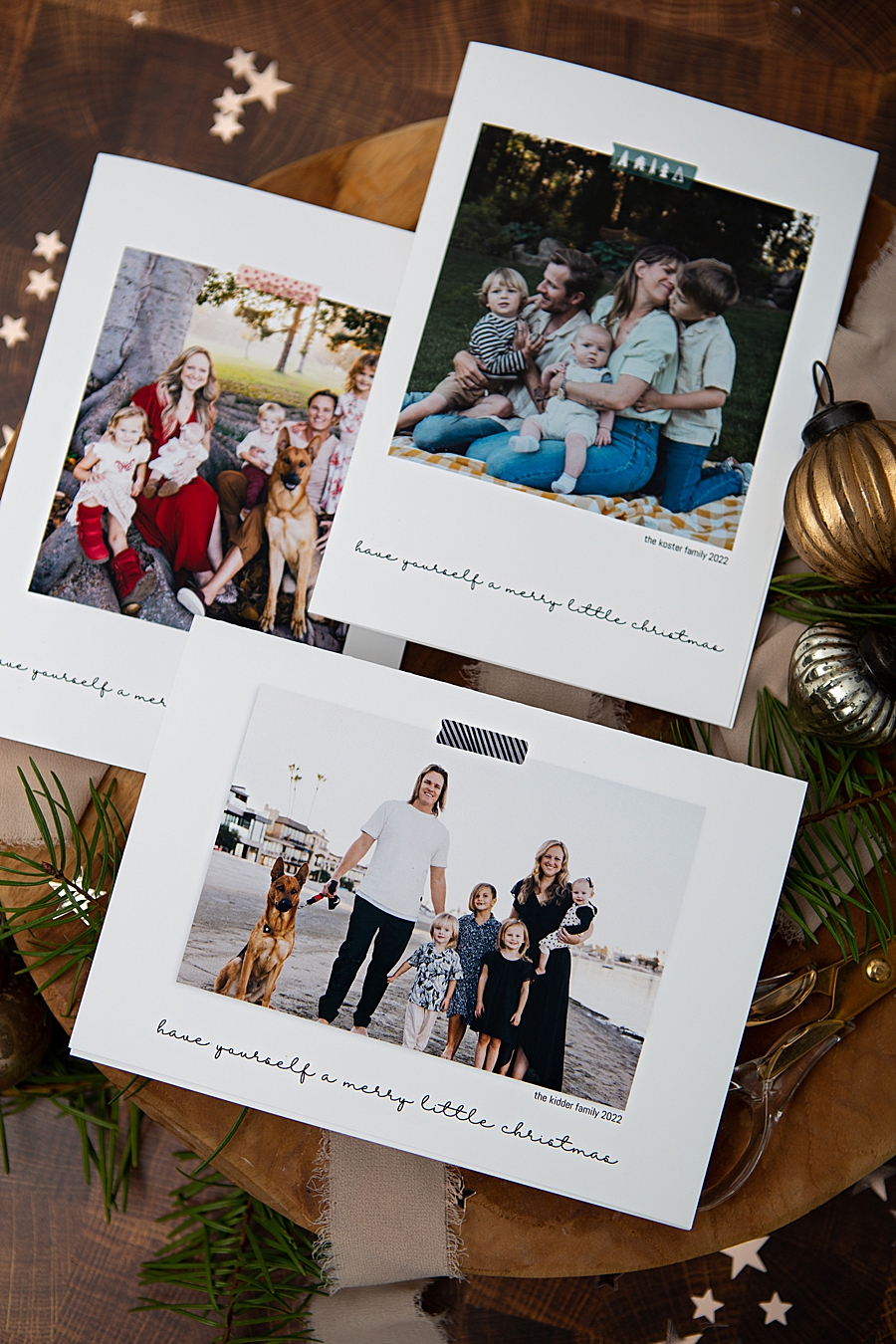
The cornerstone of this DIY initiative is the Canon PIXMA TS9521C, a versatile printer often referred to in the industry as the "Crafter’s Printer." Unlike standard office inkjet printers, the TS9521C is designed to handle a variety of media types and sizes, including 12×12-inch borderless printing, which is a standard requirement for scrapbooking. For the holiday card project, the hardware is paired with Canon’s 7×10 Double-Sided Greeting Card Paper Pack. This specific media includes 20 sheets of pre-cut and pre-scored double-sided matte photo paper, accompanied by 20 5×7 envelopes.
The technical advantage of this paper stock lies in its "pre-scored" nature. In professional printing, scoring is the process of creating a controlled indentation in the paper to ensure a clean, crisp fold without cracking the ink or the paper fibers. By providing pre-scored 7×10 sheets that fold perfectly into 5×7 cards, Canon eliminates one of the most common points of failure in home stationery production. Furthermore, the double-sided matte finish is engineered to absorb inkjet droplets with high precision, preventing the "feathering" or bleeding often associated with lower-quality matte stocks.
The Digital Workflow: Template Design and Customization
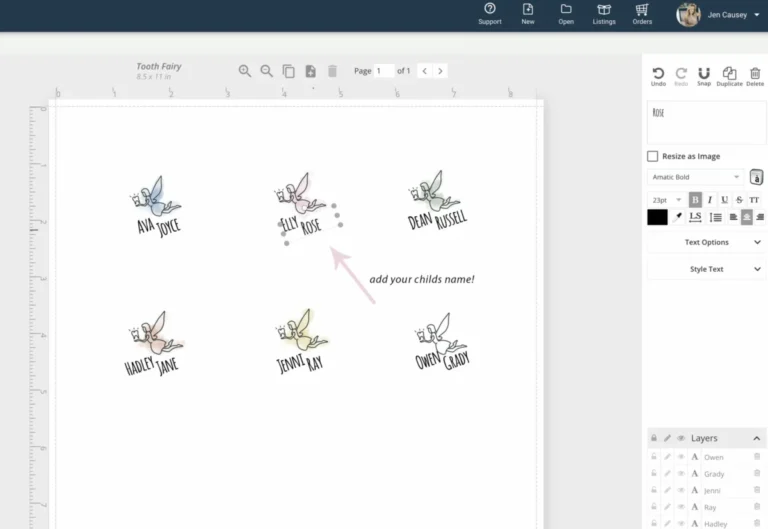
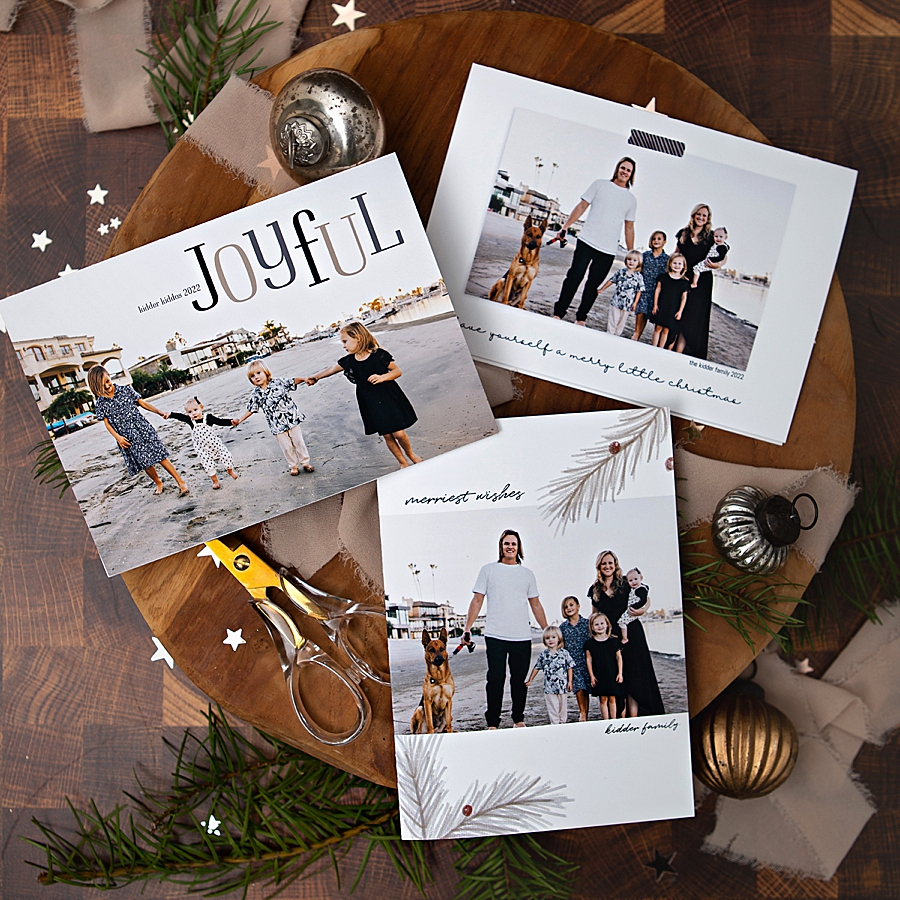
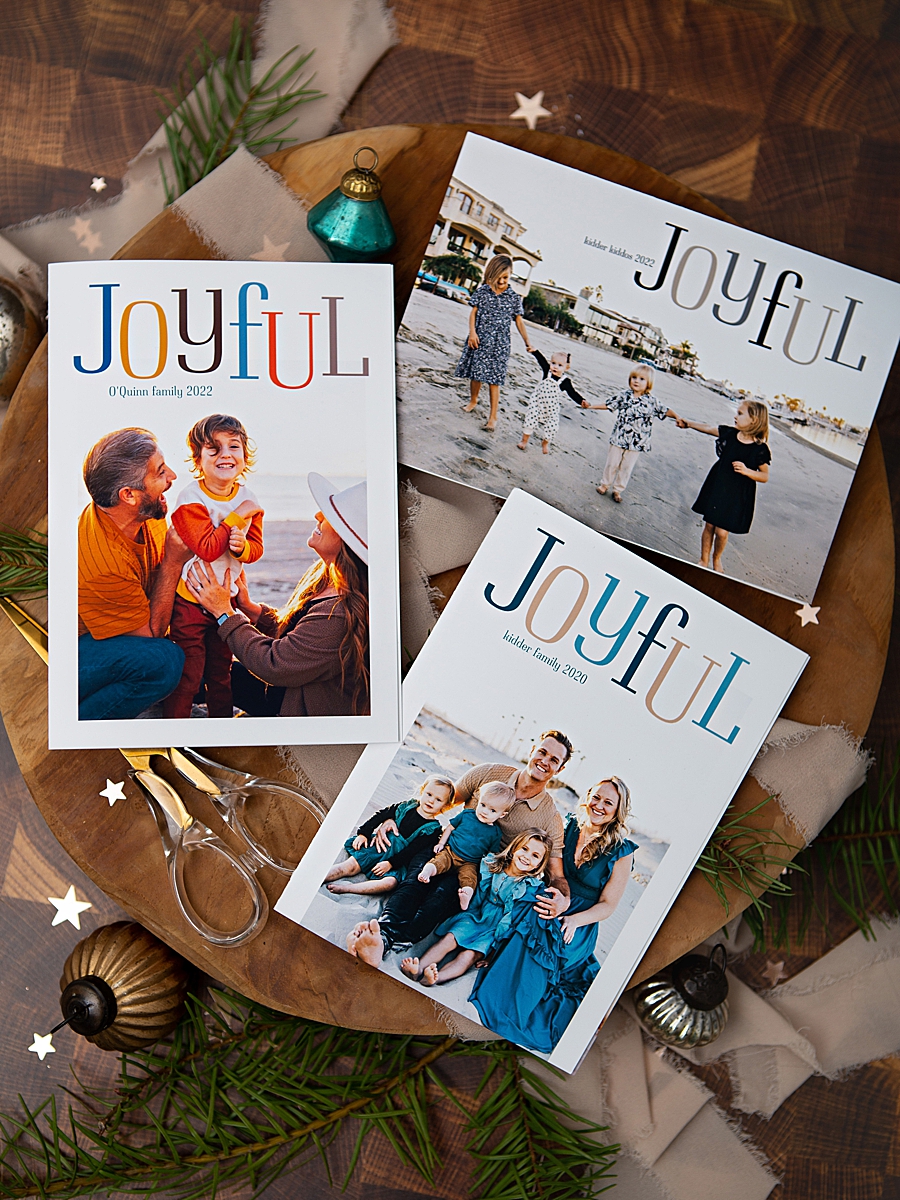
To facilitate the design aspect of the project, Jen Causey-Kidder of Something Turquoise has developed three distinct aesthetic collections: "Joyful," "Tape," and "Berries." These designs are hosted on the Corjl platform, a Software as a Service (SaaS) tool that allows users to edit digital templates directly in their web browsers. This integration represents a significant shift in the DIY market, moving away from static PDF downloads toward dynamic, editable assets.
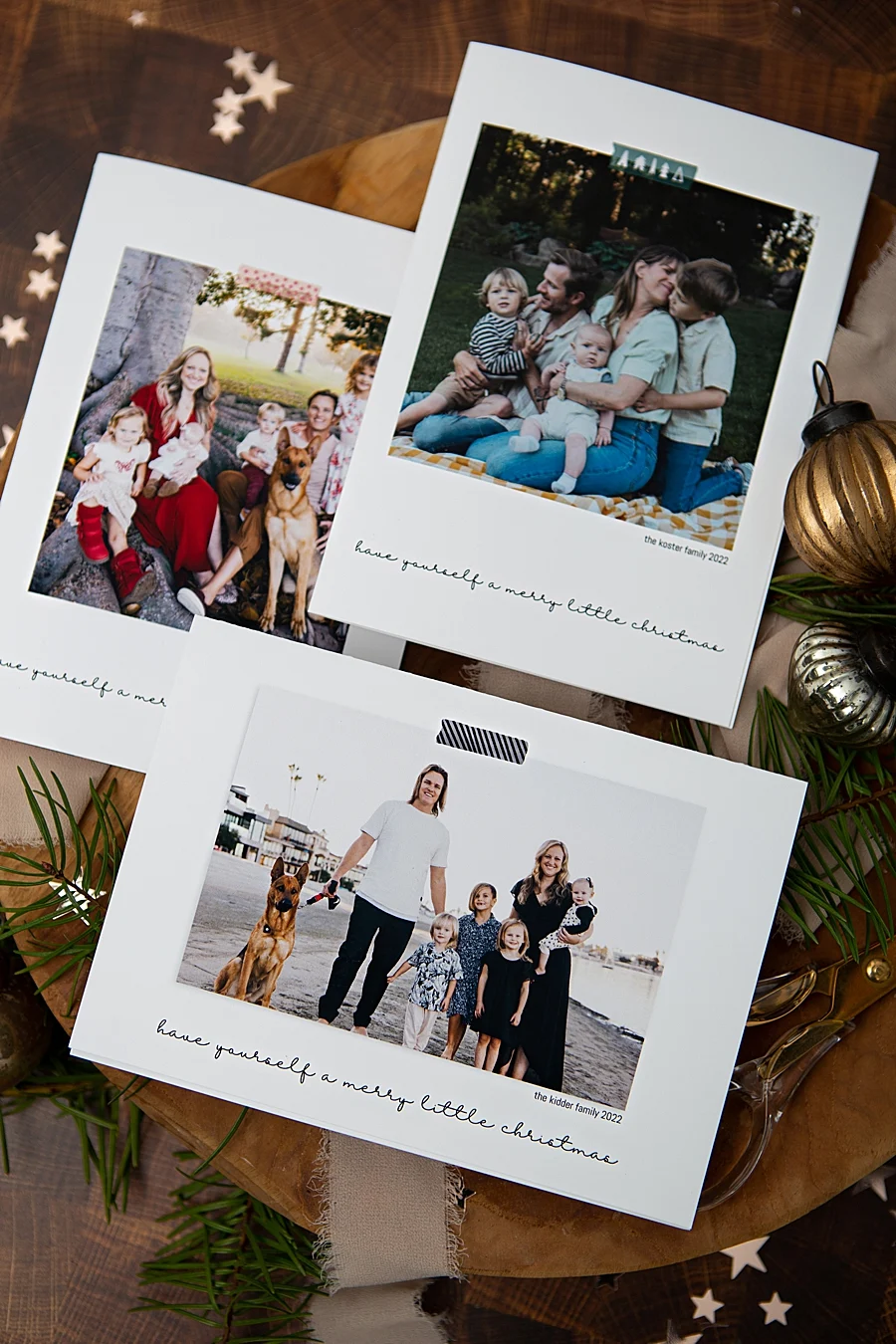
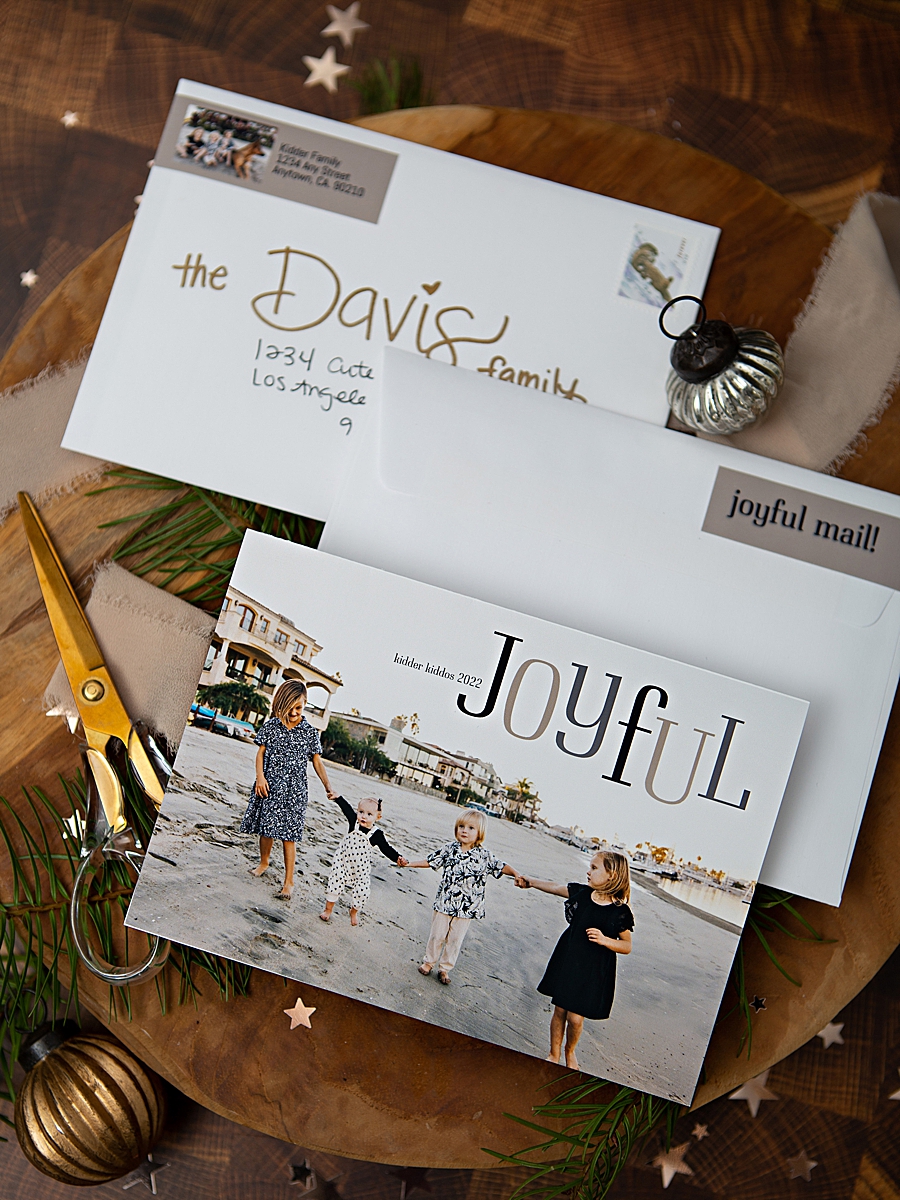
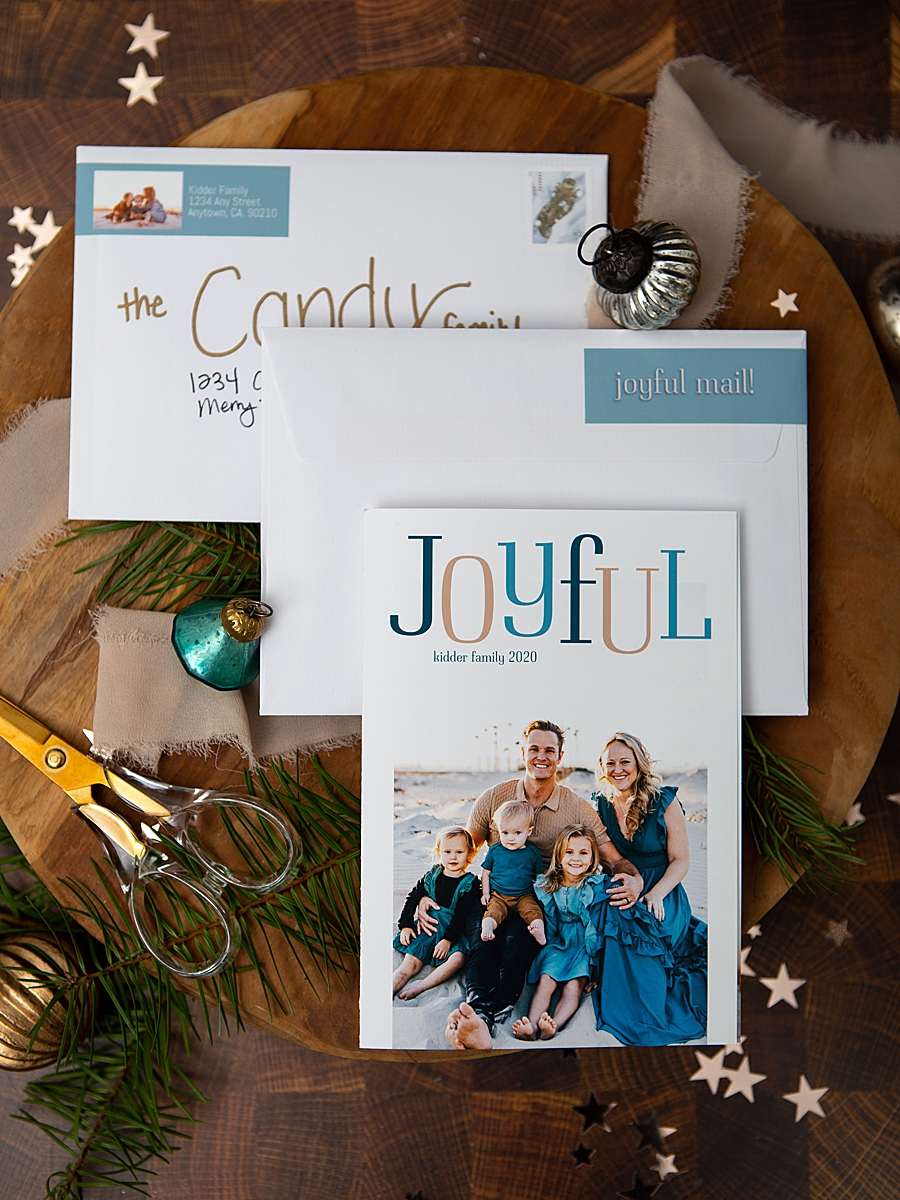
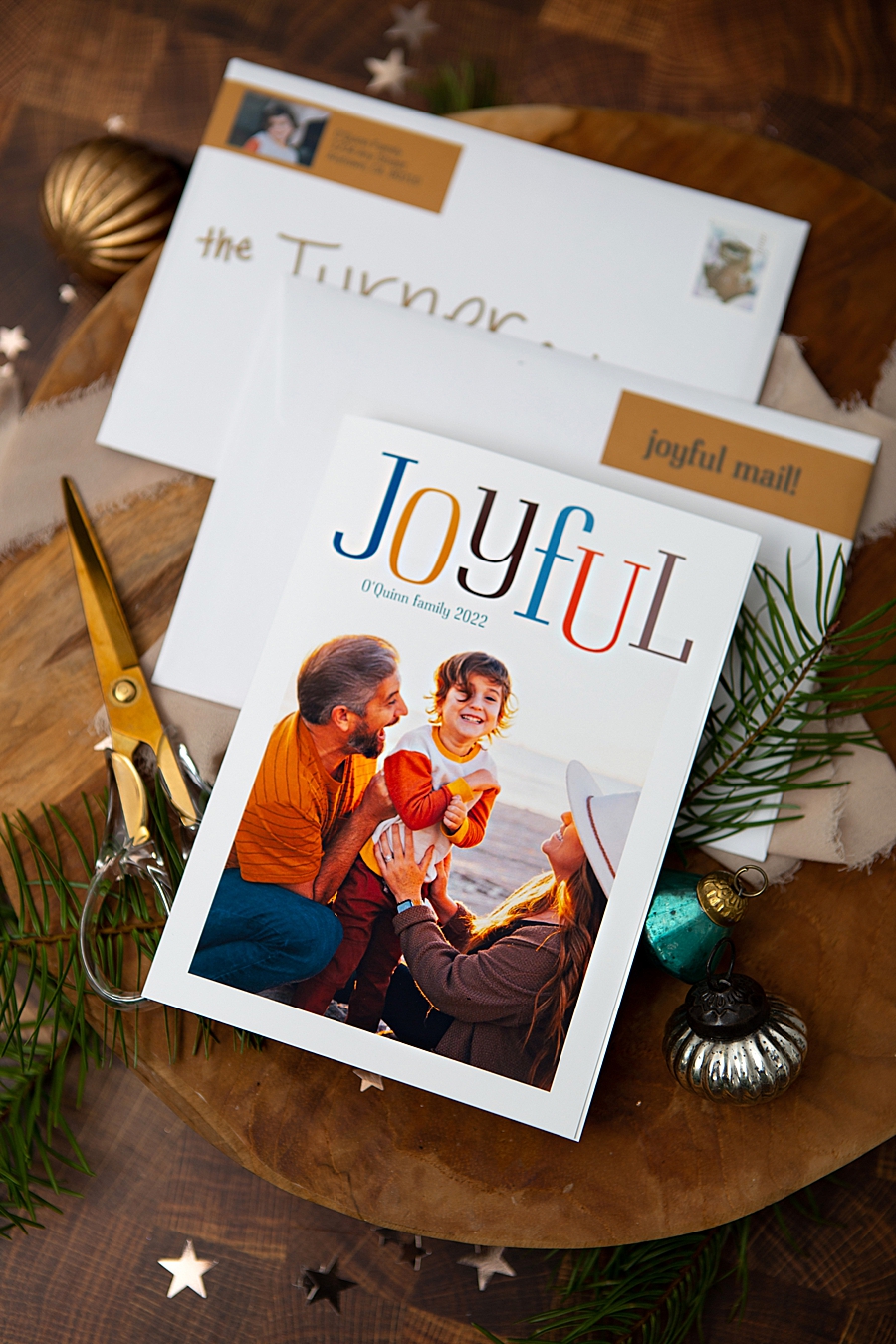
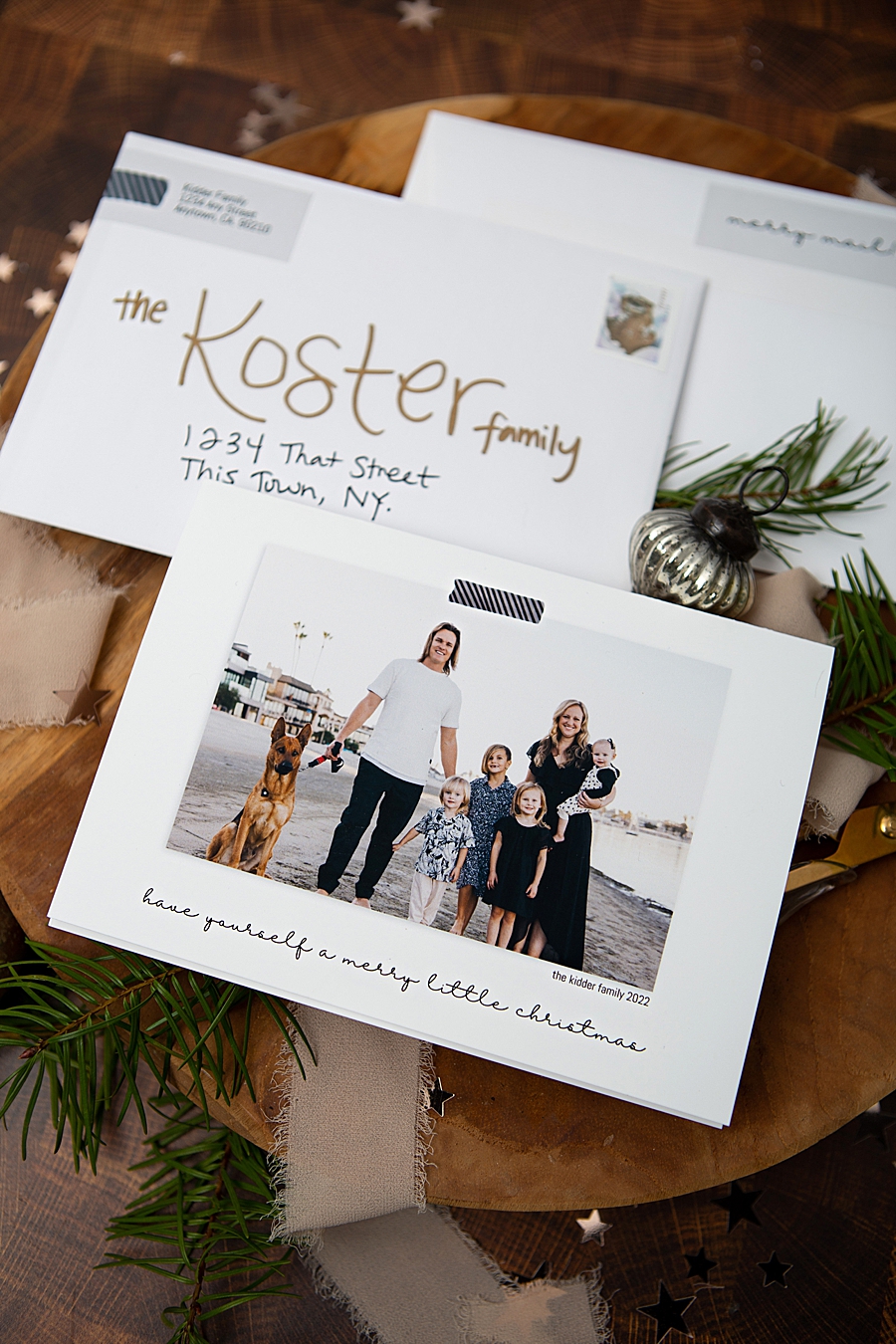
The "Joyful" design emphasizes typography and color matching, allowing users to synchronize the hue of the text with the color palette of their uploaded family photographs. The "Tape" design incorporates digital "washi tape" elements—such as black and white stripes, pink polka dots, and green tree motifs—to simulate a handmade, multi-media scrapbook look. The "Berries" collection offers a more traditional botanical aesthetic, featuring hand-drawn berry branches in various color schemes including green, pink, and beige. Each design package includes vertical and horizontal orientations for both the exterior and interior of the cards, as well as matching address labels, ensuring a cohesive visual identity for the entire mailing.
Chronology of the DIY Production Process
The workflow for producing these professional-grade cards at home follows a specific technical sequence:
- Template Acquisition: Users access the designs via the Something Turquoise shop, utilizing the promotional code "canonholiday" to waive the standard licensing fees.
- Digital Customization: Through the Corjl interface, users upload high-resolution imagery. The software handles the complex task of "bleed" and "margin" management, ensuring that photos and text do not get cut off during the printing process.
- Printer Calibration: The Canon PIXMA TS9521C is loaded with the 7×10 double-sided matte paper. Users must select the appropriate media settings in the print driver to ensure the ink density is optimized for matte photo paper rather than standard bond paper.
- Double-Sided Output: The printer’s software manages the duplexing process. Because the paper is pre-scored, the alignment between the front design and the interior message is critical. The TS9521C’s precision paper feed mechanism is designed to minimize the "skew" that can occur with thicker cardstocks.
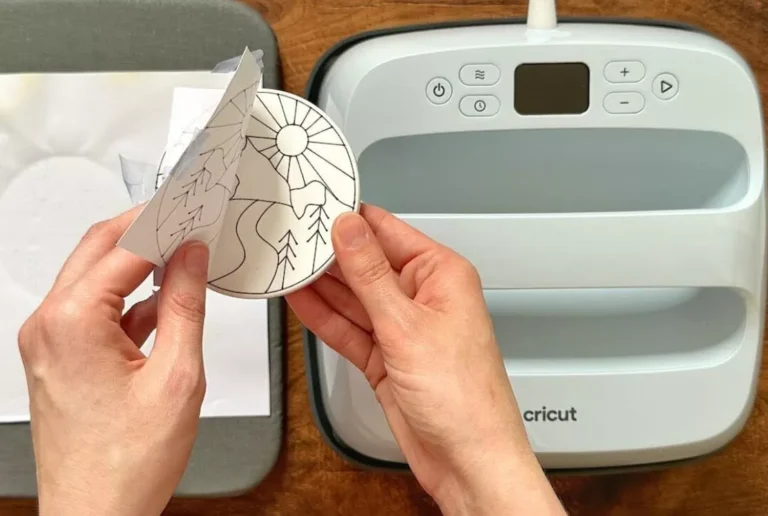
- Finishing: Once printed, the cards are folded along the pre-scored line and paired with the provided 5×7 envelopes. For additional customization, some users incorporate secondary materials such as metallic Sharpies or star confetti, as suggested in the Something Turquoise tutorial.
Market Context and Industry Data
The partnership between Canon and Something Turquoise arrives at a time when the greeting card industry is experiencing a resurgence driven by personalization. According to the Greeting Card Association, Americans purchase approximately 6.5 billion greeting cards annually, with annual retail sales estimated between $7 billion and $8 billion. While digital e-cards saw a rise in the early 2010s, physical cards have maintained a dominant market share, particularly during the holiday season.
Market data suggests that younger demographics, specifically Millennials and Gen Z, are driving the demand for "bespoke" and "DIY" stationery. This consumer segment prioritizes authenticity and tactile experiences, leading to a 20% increase in the sales of high-end crafting supplies over the last five years. By positioning the PIXMA TS9521C as a tool for "creating and preserving beautiful imagery," Canon is tapping into a lucrative niche that values the intersection of technology and traditional handicraft.
Official Responses and Strategic Vision
While official corporate statements often focus on technical specifications, the underlying strategy of Canon U.S.A., Inc. is centered on "seamless printing capabilities." A spokesperson for the brand noted that the company prides itself on allowing consumers to manage the entire lifecycle of an image, "from capture to print." This holistic approach is intended to reduce the friction often associated with home printing, such as connectivity issues or poor color reproduction.
Jen Causey-Kidder, the creative force behind Something Turquoise, emphasized the "fun and relaxing" nature of the process. From a professional standpoint, her contribution serves as a bridge between high-end design and consumer accessibility. By offering these designs for free through the Canon partnership, the initiative removes the financial barrier to entry for high-quality holiday correspondence, which can often cost upwards of $3 to $5 per card when ordered through premium online retailers.
Broader Impact and Environmental Implications
The move toward home-based, on-demand printing of holiday cards has several broader implications for the stationery industry. Firstly, it challenges the business model of centralized photo-printing services. By enabling consumers to print 20 cards at a time with professional results, the need for mass-market commercial printing is diminished.
From an environmental perspective, the "print-on-demand" model at home can be more sustainable than traditional methods. It eliminates the carbon footprint associated with shipping small batches of cards from a centralized warehouse to the consumer’s home. Additionally, because the Canon paper packs are sold in quantities of 20, there is less paper waste compared to bulk commercial orders where consumers might be forced to purchase more cards than they actually need.
Furthermore, the integration of wireless technology in the PIXMA series allows for a more streamlined digital-to-physical pipeline. Users can edit their cards on a tablet or smartphone and send the job directly to the printer, bypassing the need for a traditional desktop setup. This mobility is a key factor in the continued relevance of home printers in an increasingly mobile-first world.
Conclusion and Future Outlook
The collaboration between Canon and Something Turquoise represents a sophisticated evolution of the "sponsored content" model. Rather than a simple product endorsement, it provides a functional ecosystem consisting of hardware (the TS9521C), specialized media (the 7×10 paper pack), and digital assets (the Corjl templates). This "turnkey" solution for holiday card production addresses the three primary hurdles of DIY stationery: design difficulty, paper quality, and technical printing errors.
As the holiday season progresses, the success of this initiative will likely be measured by the engagement on social media platforms, where users are encouraged to share their creations using the hashtag #somethingturquoisediy. This user-generated content serves as a real-world validation of the printer’s capabilities and the designs’ appeal. Looking forward, it is anticipated that Canon will continue to expand its "Crafting Printer" line, potentially integrating more AI-driven design features and expanding its library of specialized media to cater to the ever-growing community of home creators.