




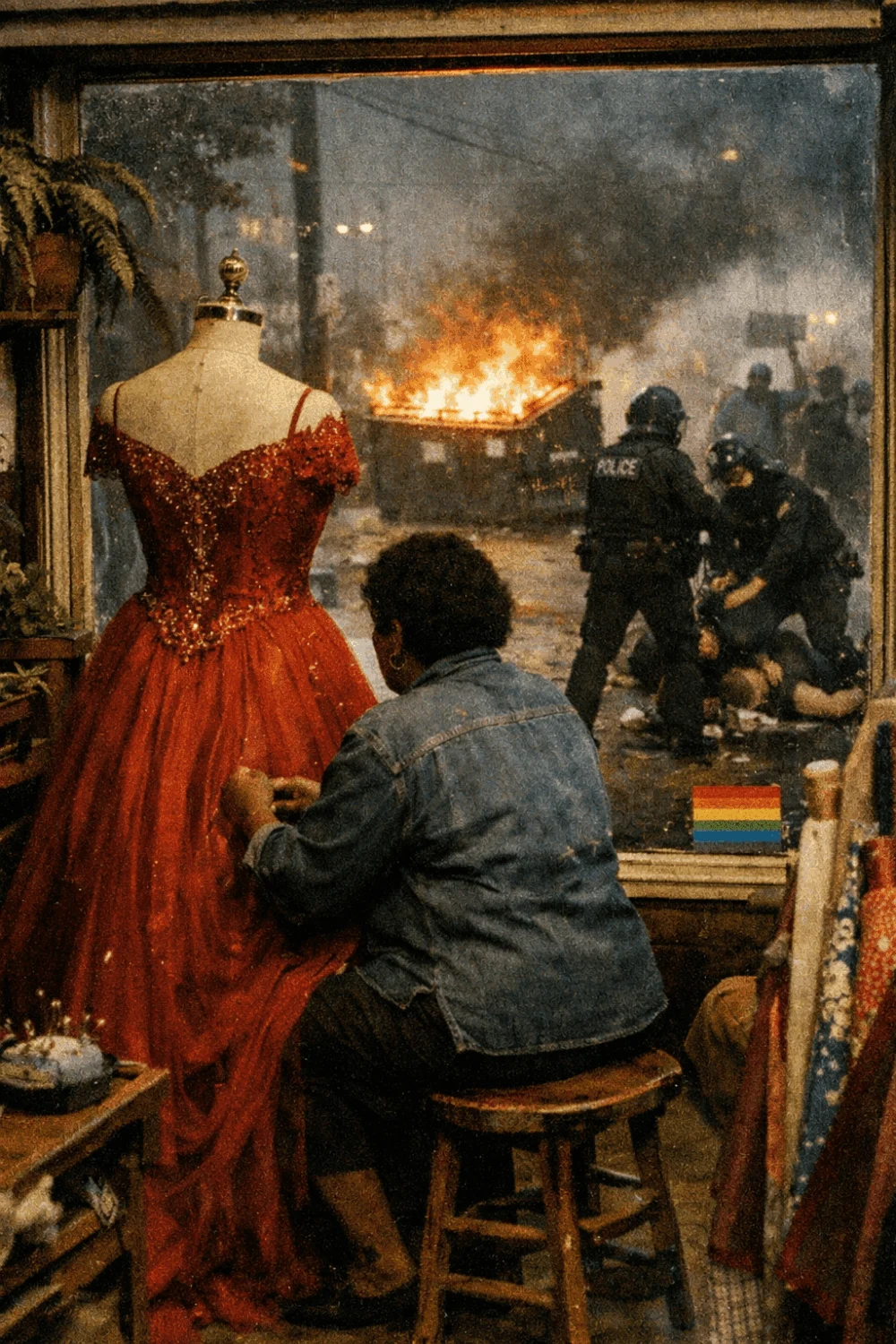
In an increasingly volatile global landscape, small business owners and creative professionals are navigating an unprecedented era characterized by what experts term a "polycrisis." This phenomenon, where multiple large-scale crises—encompassing political instability, economic volatility, environmental degradation, rapid technological shifts, and social unrest—converge and exacerbate one another, is fostering widespread burnout, dread, and a profound sense of moral fatigue across various sectors. The constant bombardment of unsettling news and the pervasive feeling of instability have created a challenging environment for maintaining business operations, let alone fostering innovation and growth.
The Unprecedented Strain of the Polycrisis on Entrepreneurs
The concept of a polycrisis, gaining traction in recent discourse, describes a complex web of interconnected global challenges that collectively destabilize individuals and institutions. Unlike isolated crises, a polycrisis generates a continuous state of uncertainty, making long-term planning and emotional equilibrium particularly difficult. For entrepreneurs, especially those within the creative industries, this backdrop amplifies existing pressures inherent in running a small business, such as financial precarity and the demands of hustle culture. The mental toll of this perpetual instability is significant, leading many to question the viability of their endeavors and their capacity to envision a stable future.
Recent psychological analyses underscore the severity of this mental health crisis. Dr. Steve Himmelstein, a psychologist based in New York, noted in a January 2026 report that clients frequently express feelings of being "overwhelmed and overstimulated, bombarded with bad news each day." He observed a widespread sentiment of having "lost the future," with many struggling to imagine positive developments or better days ahead. This psychological impact directly translates into difficulties for business owners, who find it challenging to focus on strategic planning, product development, or client service when faced with pervasive global instability. The despair articulated by Himmelstein reflects a collective anxiety that transcends typical business stressors, touching upon existential concerns about societal collapse and the future of humanity.
A Deep Dive into Entrepreneurial Mental Health
The unique vulnerabilities of creative and marginalized entrepreneurs—including neurodivergent, LGBTQ+, and counterculture vendors—are particularly pronounced during a polycrisis. Many in these groups establish businesses deeply rooted in their personal values and identities. Consequently, witnessing global events that threaten these values can feel like a profound personal affront, leading to what some describe as an "existential gut punch." The emotional investment in their work, often a source of strength, becomes a source of amplified vulnerability in a world perceived as burning.

Data from recent surveys highlight the widespread nature of mental health challenges among small business founders. A 2025 study on entrepreneurial well-being indicated that 72% of entrepreneurs report struggling with mental health issues. Alarmingly, 81% of these individuals admit to concealing their struggles behind a facade of competence and normalcy, often using phrases like, "I’m fine, everything’s fine." This pressure to project an image of unwavering resilience is particularly intense for marginalized business owners striving for legitimacy in often conventional markets. The sustained pretense of being "fine" exacerbates feelings of isolation and prevents access to much-needed support, further compounding the mental health crisis within this demographic. The cumulative effect is a professional environment where authentic struggles are suppressed, leading to increased burnout and diminished capacity for creative output.
Psychological Resilience in Tumultuous Times: Tragic Optimism and Strategic Response
In response to the pervasive despair, psychologists and therapists are advocating for adaptive mental frameworks, notably "tragic optimism." This concept, championed by Holocaust survivor Viktor Frankl and further elaborated by practitioners like Dr. Himmelstein, involves the acceptance of unavoidable suffering and reality while simultaneously finding meaning and maintaining hope. It explicitly distinguishes itself from toxic positivity, which dismisses legitimate concerns; instead, tragic optimism acknowledges the harsh realities of the present while resolutely refusing to abandon belief in a better future. Dr. Himmelstein encourages clients to engage in "future homework," which involves actively imagining their lives and businesses one or two years ahead in a more ideal world. This practice serves as a vital antidote to the despair that shrinks imagination and stifles future-oriented thinking.
The mental discipline required for this shift is substantial but critical. When global instability constantly threatens to overwhelm, the natural inclination is to retract and stop planning. Tragic optimism compels individuals to gently redirect their focus toward what remains within their control: their core values and the specific, meaningful work they undertake daily. For example, while a business owner may not be able to predict economic forecasts or geopolitical shifts, they can commit to ensuring their floristry business exclusively uses sustainable, locally-grown blooms, or that their videography continues to highlight and amplify queer joy. These decisions operationalize values, transforming abstract principles into concrete actions.
Therapist Kathleen Smith provides a crucial distinction between reacting and responding to crises. Reactive behaviors—such as obsessive doom-scrolling, panicking, or completely avoiding news—offer momentary anxiety relief but are ultimately unproductive. A thoughtful, values-aligned response, conversely, involves defining one’s mission and taking consistent, albeit sometimes small, actions that align with it. Smith advises individuals to consider: "If politics or the climate (or whatever) is important to you, what’s your plan?" This might range from organizing community aid to simply ensuring a client project is executed with enhanced eco-friendliness or inclusivity. The essence lies in "operationalizing" values within one’s work, asserting agency in the face of overwhelming external forces. Smith posits that "Reacting [means] giving up because your contribution feels too small… Responding [means] trusting that good thinking is contagious if you calmly live out your principles." This perspective suggests that individual acts of purpose, even if seemingly minor, contribute to broader cultural shifts and offer personal and communal salvation.
Evolving Marketing Strategies: Authenticity in an Unstable World
The polycrisis environment has also necessitated a significant re-evaluation of marketing strategies for creative entrepreneurs. The traditional "just stick to business" approach, often characterized by polished but impersonal messaging, is increasingly perceived as hollow and inauthentic. In a world fraught with genuine anxieties, clients and customers are seeking genuine connection and shared values, rather than a superficial "everything is perfect" veneer. This shift particularly benefits "offbeat" vendors, who have long recognized authenticity as a core asset.

The current climate makes authenticity not merely advantageous but essential. Amanda, a photographer and member of a prominent vendor community, articulated this sentiment in a 2025 interview, stating, "In today’s world, it’s extra important to be who you are and stand for your beliefs, even if that turns away other people." She emphasized her own transparent approach, which includes open communication about her politics and morals, even using strong language when appropriate. Amanda noted that her ideal clients "don’t give a shit if I swear a little, and they sure as hell don’t want to support a business who doesn’t align with their beliefs/morality." This perspective underscores a growing consumer preference for businesses that operate with integrity and transparency, reflecting real human values rather than a generic, corporate-bot persona.
Being explicit about one’s stance on critical issues—such as immigrant rights, gender inclusivity, anti-racism, disability access, or climate-conscious practices—can effectively attract a values-aligned clientele. This transparency fosters trust and allows the right customers to self-select, ensuring a stronger, more resonant client-business relationship. Research from the early 2020s, stemming from the COVID-19 pandemic, indicated that crisis moments are "the perfect time to reaffirm your brand values and put them to work." This principle remains highly relevant: the values upon which a business was founded should not recede during difficult times but should instead guide communication and operations, signaling a clear stance to the community. A florist, for instance, might more openly highlight their eco-friendly practices, or a wedding planner might share resources for engaged immigrant couples. Such concrete demonstrations of values reassure clients that the business is attuned to current realities and committed to its stated principles.
The Power of Empathy and Boundaries in Business Operations
Beyond authenticity, empathy has emerged as a critical component of successful business engagement during a polycrisis. Recognizing that clients are often experiencing heightened exhaustion and anxiety, a compassionate approach in marketing and client interactions can significantly enhance brand loyalty and community connection. During peak crisis periods, some businesses have successfully shifted their focus from direct sales to providing free, helpful content or virtual services. This strategy communicates a message of solidarity—"We’re all in this together, and I’m here to help"—rather than a transactional "buy my stuff or else."
Practical examples abound: a baker might host a complimentary online cupcake decorating class, fostering community and lightheartedness, or an officiant might offer discounted services to couples facing specific hardships. These gestures acknowledge the shared struggles while keeping the brand relevant and valued. The objective is not to profit from pain but to be genuinely human and useful, thereby cultivating a loyalty that extends beyond the immediate crisis.
A significant pitfall to avoid is "performative positivity." The curated environments of social media, often favoring a perpetually cheerful and "unbothered" facade, can tempt business owners to present an unrealistic image. However, maintaining a glossy, perfect persona when one is personally struggling is unsustainable and, critically, often perceived as inauthentic by discerning audiences. Many creative professionals are consequently prioritizing healthier boundaries and transparent communication with clients. This might involve openly stating "Studio closed on Fridays for sanity hours" or "slower email responses during wildfire season." Far from alienating clients, such honesty often garners greater respect. By modeling self-care in a chaotic world, business owners inadvertently give their clients permission to prioritize their own well-being, fostering a more human and understanding professional dynamic.
Reaffirming Purpose: The Enduring Value of Creative Work

Finally, the enduring significance of "purpose" cannot be overstated. In times of profound crisis, it is imperative for entrepreneurs to reconnect with their foundational "why." For many wedding photographers, queer-owned bakeries, or jewelry studios, the initial impetus was rarely solely financial. Instead, it was often driven by a passion for creating beauty, serving a specific community, uplifting underrepresented narratives, or achieving personal and creative freedom.
During a polycrisis, this core purpose can become obscured by pressing anxieties—questions like, "Does wedding decor truly matter during civilizational collapse?" Yet, it is precisely this underlying purpose that provides resilience and direction. Research from institutions like McKinsey has demonstrated a clear link between finding meaning in one’s work and an enhanced ability to recover from stress. The work of creatives, even if niche or quirky, holds profound societal value. It injects color, hope, and imaginative thought into a world often characterized by gloom and uniformity.
In an era marked by discord and uncertainty, expressions of beauty, love, and joy become more, not less, essential. For those in the wedding industry, their mediums are inherently tied to these vital human experiences. Continuing to create and facilitate celebrations of love and community stands as a powerful counter-narrative to despair. It is a testament to the enduring human spirit and a refusal to cede ground to cynicism. As various experts and cultural observers suggest, activities that foster connection, beauty, and authentic self-expression are fundamental to human well-being, particularly when external circumstances are challenging.
Conclusion: Sustaining Creativity and Connection Amidst Chaos
The polycrisis is an undeniable and persistent reality, presenting multifaceted challenges for small business owners and creative professionals. However, by adopting strategic psychological frameworks like tragic optimism, operationalizing core values, embracing authenticity and empathy in marketing, establishing healthy boundaries, and steadfastly reaffirming their purpose, entrepreneurs can not only survive but also continue to contribute meaningfully. Prioritizing mental health as an integral part of business operations is crucial. Adapting workflows and communication strategies to reflect current realities fosters genuine connections with clients.
In the midst of pervasive global chaos, the continued act of creating, connecting, and affirming fundamental human values such as love and joy represents a significant victory. The creative sector, in its diverse forms, plays a vital role in nurturing community and celebrating shared human experiences. By understanding and strategically addressing the unique pressures of the polycrisis, creative entrepreneurs can sustain their endeavors, inspire their communities, and uphold the belief that even in challenging times, beauty and connection endure. For those seeking structured guidance on navigating these complex issues, specialized consulting services are available to help articulate values-aligned strategies and foster resilience.