

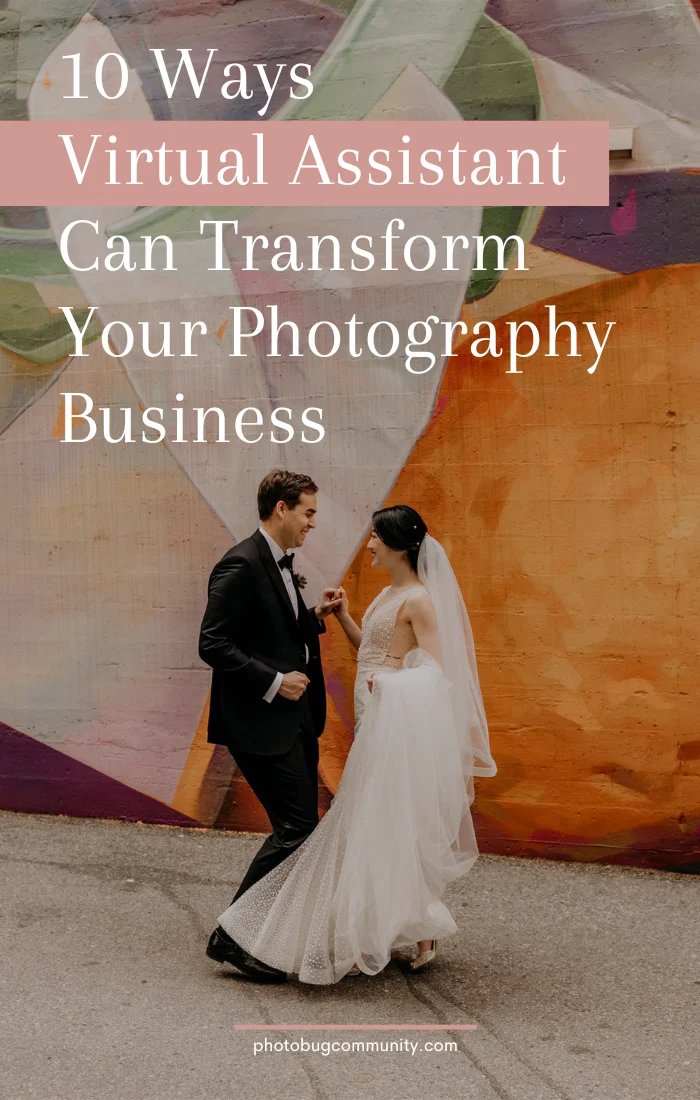
The contemporary landscape of professional photography demands more than just artistic vision and technical prowess; it necessitates astute business acumen. Many photographers embark on their entrepreneurial journey fueled by a passion for visual storytelling and human connection, often finding themselves ill-prepared for the exhaustive administrative burden that accompanies a thriving enterprise. Tasks such as responding to a deluge of emails, meticulously drafting spreadsheets, managing intricate client relationship systems, and navigating the complexities of marketing and logistics frequently divert precious time and energy away from the core creative work. This administrative overhead, though mandatory for success, often leads to burnout and stifled growth. In this evolving scenario, the virtual assistant (VA) has emerged as an indispensable strategic partner, poised to revolutionize how photography businesses operate. Industry experts Sara Rogers and Aileen Choi, Vancouver-based photographers and co-owners of Together We Co, a firm specializing in business management and virtual assistant services for the creative sector, highlight ten pivotal areas where VAs can not only alleviate administrative pressure but also significantly accelerate business development and operational smoothness.
The Evolving Landscape of Creative Entrepreneurship
The transition from a purely creative pursuit to a sustainable business model has become increasingly complex for photographers. What once primarily involved capturing images and delivering prints now encompasses a multifaceted array of digital responsibilities. The proliferation of online platforms, social media algorithms, and sophisticated client management tools has expanded the administrative scope far beyond traditional bookkeeping. A 2023 survey by FreshBooks indicated that small business owners spend an average of 10 hours per week on administrative tasks, a figure that can easily escalate for solopreneurs in creative fields. This time, if redirected, could be invested in client acquisition, artistic development, or strategic planning. The rise of the gig economy and advancements in remote work technologies have simultaneously fostered an environment where specialized administrative support can be accessed globally, making virtual assistants a practical and cost-effective solution for small to medium-sized photography businesses. This evolution underscores a critical shift: successful photographers today must be not only artists but also effective CEOs, marketers, and operations managers, or judicious delegators of these roles.
Strategic Delegation: Unlocking Growth with Virtual Assistants
The notion of a virtual assistant extends far beyond a mere personal secretary. Today’s VAs are often highly skilled professionals offering specialized support across various business functions. For photography businesses, this translates into a strategic partnership that can significantly impact efficiency, client satisfaction, and revenue generation. By offloading routine yet crucial tasks, photographers can reclaim valuable time to focus on their unique creative contributions, client-facing activities, and strategic business development—the very aspects that fueled their initial passion. This delegation allows for scalability, enabling businesses to handle a larger volume of clients and projects without the prohibitive overhead of full-time in-house staff. The value proposition of a VA lies in their ability to bring structure, consistency, and professional execution to tasks that might otherwise be neglected or performed inefficiently.
Key Areas Where Virtual Assistants Revolutionize Photography Businesses
The integration of virtual assistants into photography operations can manifest in numerous impactful ways, transforming bottlenecks into streamlined workflows and converting administrative burdens into opportunities for growth.
1. Client Relationship Management (CRM) Setup and Maintenance
Effective client relationship management is the backbone of any service-based business, particularly in photography where personal connection is paramount. CRM systems track leads, manage appointments, monitor availability, and automate communication sequences. However, the initial setup and ongoing maintenance of these platforms can be daunting. Industry data suggests that businesses utilizing CRM systems can see sales increase by up to 29% and productivity improve by 34%. A virtual assistant can take ownership of this critical function, organizing prospective client leads, configuring automated workflows, and ensuring timely follow-ups. This includes the initial system implementation, continuous data input, and troubleshooting, leading to a meticulously organized client pipeline and enhanced engagement that directly contributes to booking rates.
2. SEO-Friendly Content Creation and Blogging
Maintaining an active, SEO-optimized blog is crucial for attracting organic traffic and demonstrating expertise. Despite understanding its importance, many photographers struggle to consistently produce fresh content due to time constraints. A VA can bridge this gap by researching trending topics relevant to the photography niche—be it wedding planning tips, lifestyle shoot ideas, or local venue spotlights—and crafting engaging, keyword-rich blog posts. This not only keeps the website content fresh for search engines but also provides valuable resources for potential clients. Beyond creation, VAs are adept at content repurposing, transforming blog posts into engaging email newsletter segments, social media updates, or even podcast episode outlines, maximizing the reach and longevity of each piece of content. Statistics from HubSpot indicate that companies that blog consistently generate 67% more leads than those that don’t.
3. Image Curation and Submission for Publications
Gaining features in prominent wedding blogs and magazines, such as Junebug Weddings, is a powerful strategy for increasing visibility, attracting new clientele, and fostering connections with other industry vendors. This process, however, is notoriously time-consuming, involving meticulous image selection, optimization for web and print specifications, adherence to diverse submission guidelines, and diligent tracking of feature statuses. A virtual assistant can expertly manage this entire pipeline, identifying the strongest images, preparing them to meet publication standards, handling the submission process, and monitoring successful placements. This frees the photographer to focus on their craft while leveraging external platforms for brand amplification and credibility building.
4. Online Gallery Store Setup and Management
Establishing an online gallery store where clients can purchase prints, albums, and other products not only enhances the client experience but also represents a significant passive income stream. If not yet implemented, this represents a missed opportunity for revenue diversification. A VA possesses the technical skills to design and configure these stores, integrate them seamlessly with preferred printing labs, manage product listings, oversee promotional campaigns, and even coordinate order fulfillment and shipping. This ensures a smooth, professional purchasing journey for clients and establishes a consistent, automated revenue channel for the photographer without requiring constant direct oversight.
5. Album Design and Proofing
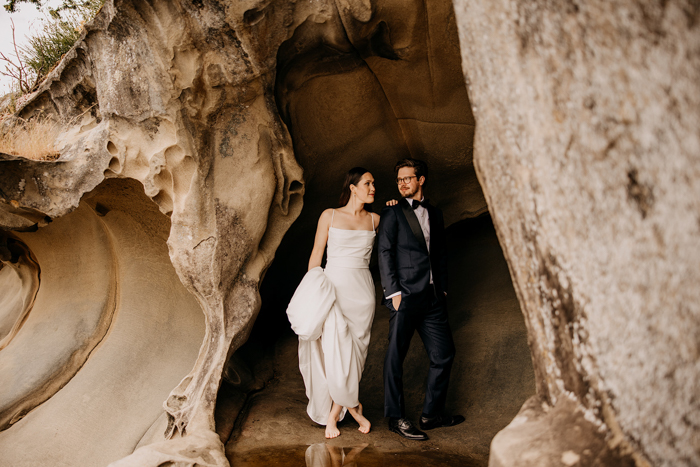
Handcrafted wedding albums offer clients a tangible, lasting keepsake, providing a more immersive experience than digital files alone. Yet, the album design process, from initial image selection to layout creation and client feedback cycles, can consume substantial amounts of time. Delegating this to a virtual assistant ensures that clients receive beautifully designed, professional albums without infringing on the photographer’s core creative or operational hours. VAs can manage the entire workflow, facilitating image choices, crafting compelling layouts, and coordinating client proofs and revisions, thereby delivering a premium product efficiently.
6. Email Management and Template Creation
An overflowing inbox is a common stressor for busy photography business owners. The effort to reach "Inbox Zero" can be a Sisyphean task, with new inquiries constantly replenishing the queue. A virtual assistant can assume control of the business email account, ensuring all inquiries receive prompt, professional responses. Beyond direct communication, VAs can develop and implement a comprehensive suite of email templates for common scenarios—initial inquiries, booking confirmations, session reminders, delivery notifications, and follow-ups. This standardization not only saves significant time but also ensures consistency in brand voice and professionalism, enhancing the client experience from the very first touchpoint. Studies suggest that prompt email responses can increase client satisfaction and conversion rates by up to 30%.
7. Event Day Document Preparation
The successful execution of any photography event, be it a commercial shoot or a wedding, relies heavily on meticulous preparation. While photographers prefer to engage with clients and capture moments, the administrative groundwork is non-negotiable. A virtual assistant can meticulously prepare for event days by creating detailed timelines, compiling essential photo lists, researching and securing necessary permits and licenses, and coordinating logistics with other vendors. This proactive administrative support ensures that all operational details are handled, allowing the photographer to dedicate their full attention to the creative and interpersonal aspects of the event.
8. Social Media Management and Content Creation
An active and engaging social media presence is vital for marketing a photography business and connecting with potential clients. However, staying abreast of evolving algorithms, creating diverse content, and maintaining consistent engagement can be a time sink. A VA can expertly manage social media accounts, developing content calendars, creating and scheduling posts tailored to each platform, engaging with followers, and monitoring emerging trends. This strategic management ensures a consistent and impactful online presence, freeing the photographer from the constant demands of social media and enabling them to focus on client work. Data shows that businesses active on social media tend to have higher brand recognition and customer loyalty.
9. Post-Production Coordination
The post-production phase, encompassing image culling, editing, and final delivery, is arguably the most time-intensive aspect of photography. Many non-photographers underestimate the hours dedicated to these tasks. A virtual assistant can significantly streamline this process by coordinating with external editing teams or integrating AI-powered software solutions. They can manage the entire culling and editing workflow, ensuring images are prepared for the photographer’s final artistic review. This delegation, combined with technological leverage, can drastically reduce late-night editing sessions, improving turnaround times and preventing creative burnout.
10. Administrative Support for Photography Contests and Awards
Participating in photography contests and awards offers invaluable opportunities for broader exposure, industry networking, and enhanced professional credibility. Winning such accolades provides a significant boost to a photographer’s brand, SEO, and public perception. For those unfamiliar with the submission process, it can be overwhelming. A VA can demystify this by researching relevant contest opportunities, tracking deadlines and submission requirements, preparing and submitting entries, and, crucially, notifying the photographer of any wins. Furthermore, the VA can then leverage these achievements by updating the photographer’s website, social media, and marketing materials, reinforcing their expertise and appeal to prospective clients.
The Economic Imperative: Why Delegation Makes Business Sense
The decision to hire a virtual assistant is not merely about convenience; it is an astute economic decision. By outsourcing administrative tasks, photographers effectively leverage their most valuable asset: their creative time. The opportunity cost of a photographer spending hours on tasks that can be performed by a VA is substantial, potentially translating to lost bookings or reduced creative output. A VA, often working on an hourly or project basis, represents a flexible and scalable investment. This allows businesses to expand their capacity without incurring the significant fixed costs associated with full-time employees, such as benefits, office space, and extensive training. Furthermore, by optimizing workflows and enhancing client satisfaction, VAs indirectly contribute to increased client referrals and repeat business, solidifying the long-term financial viability and growth trajectory of the photography enterprise.
Expert Perspectives and Future Outlook
Sara Rogers and Aileen Choi of Together We Co emphasize that the modern photography business owner must embrace strategic delegation to thrive. "The biggest misconception is that a VA is just for menial tasks," notes Rogers. "In reality, they are strategic partners who can drive significant growth by freeing up the creative’s time to do what they do best." Choi adds, "We’ve seen firsthand how photographers transform their businesses from struggling to scalable simply by entrusting these crucial administrative and marketing functions to a dedicated virtual assistant." As the digital landscape continues to evolve, the sophistication of virtual assistant services is also growing, with VAs increasingly specializing in niche areas like advanced CRM automation, complex digital marketing analytics, and AI integration. This trend solidifies the VA’s role as an indispensable asset for creative entrepreneurs navigating the complexities of the modern marketplace.
In conclusion, a surge in client inquiries and a rapidly filling schedule are undeniable indicators of a burgeoning photography business—a welcome challenge that simultaneously signals the need for enhanced operational support. The insights from Vancouver’s Sara Rogers and Aileen Choi unequivocally demonstrate that virtual assistants are not merely an optional luxury but a strategic necessity for sustainable growth. By meticulously handling a comprehensive range of administrative, marketing, and operational tasks, VAs empower photographers to reclaim their time, focus on their artistic passion, and significantly elevate their business without compromising profitability or creative integrity. For those ready to transform their photography practice and achieve unparalleled efficiency and growth, the strategic integration of a virtual assistant represents a pivotal and transformative step.