As modern family structures continue to evolve, couples marrying in midlife often face a unique set of considerations when integrating their teenagers or adult children into their wedding celebrations. Unlike first marriages, these unions frequently involve established family dynamics, individual histories, and varying levels of comfort among older offspring regarding the new partnership. The conventional wedding advice often overlooks these complexities, leaving couples to grapple with questions such as the appropriate extent of children’s involvement in planning, their roles in the ceremony, or how to address potential apprehension.
The landscape of modern families has shifted considerably over the past few decades. Data from the Pew Research Center indicates that approximately 40% of all new marriages in the U.S. include at least one partner who was previously married, and about 60% of remarriages involve children from a previous relationship. This rising prevalence of blended families underscores the increasing relevance of understanding how to navigate significant life events, such as weddings, with sensitivity and inclusivity. For older children, a parent’s remarriage can evoke a complex mix of emotions, including excitement, loyalty conflicts, uncertainty about future family dynamics, or even grief for a past family unit. Recognizing these potential emotional undercurrents is the first step toward fostering a genuinely celebratory and unifying event.
To shed light on effective strategies, industry professionals who specialize in blended family weddings offer invaluable insights drawn from their experiences. These experts emphasize that successful integration hinges on open, curious, and respectful communication, tailored to each child’s personality and comfort level. Their observations reveal a spectrum of involvement, ranging from active participation in ceremonial rituals to subtle, supportive roles that acknowledge their presence without demanding the spotlight.
The Evolving Landscape of Modern Families
The demographic shift towards later-life marriages and remarriages has brought the concept of the "blended family wedding" into sharper focus. Couples tying the knot with teenagers or adult children are not merely uniting two individuals; they are merging entire family units, each with its own history, traditions, and emotional landscape. This often requires a more nuanced approach than traditional wedding planning, which typically focuses solely on the couple. The objective is not just to celebrate the union of two adults but to symbolize the formation of a new, expanded family, where every member feels acknowledged and valued.
Expert Insights on Inclusive Planning
Wedding professionals, including planners, photographers, and officiants, frequently encounter these delicate situations. Their collective experience suggests that preemptive and ongoing dialogue is paramount. The goal is to make children feel like integral parts of the new family structure, rather than mere spectators. This philosophy underpins many of the practical recommendations observed in successful blended family weddings.
Pre-Wedding Engagement: Laying the Foundation
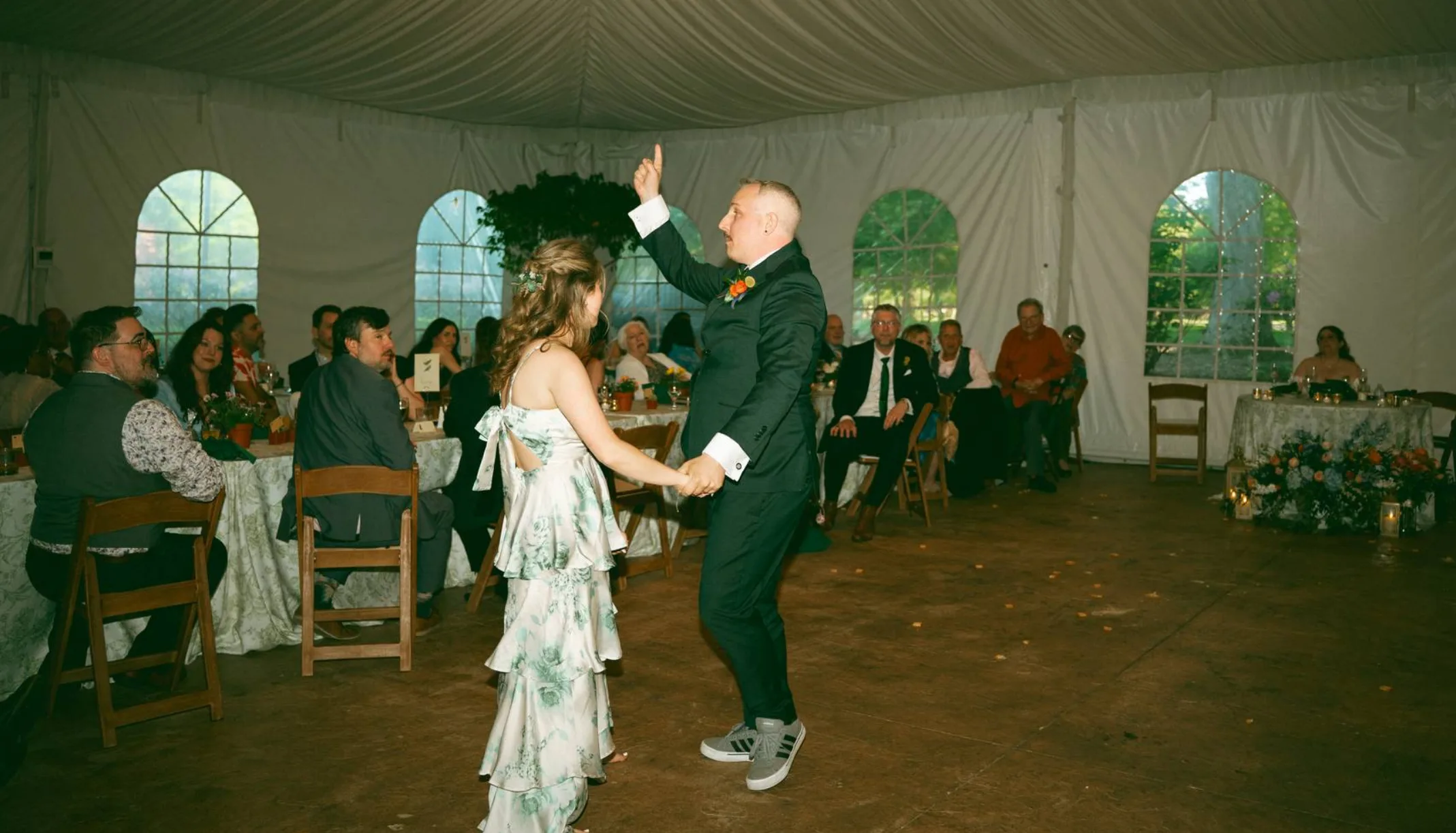
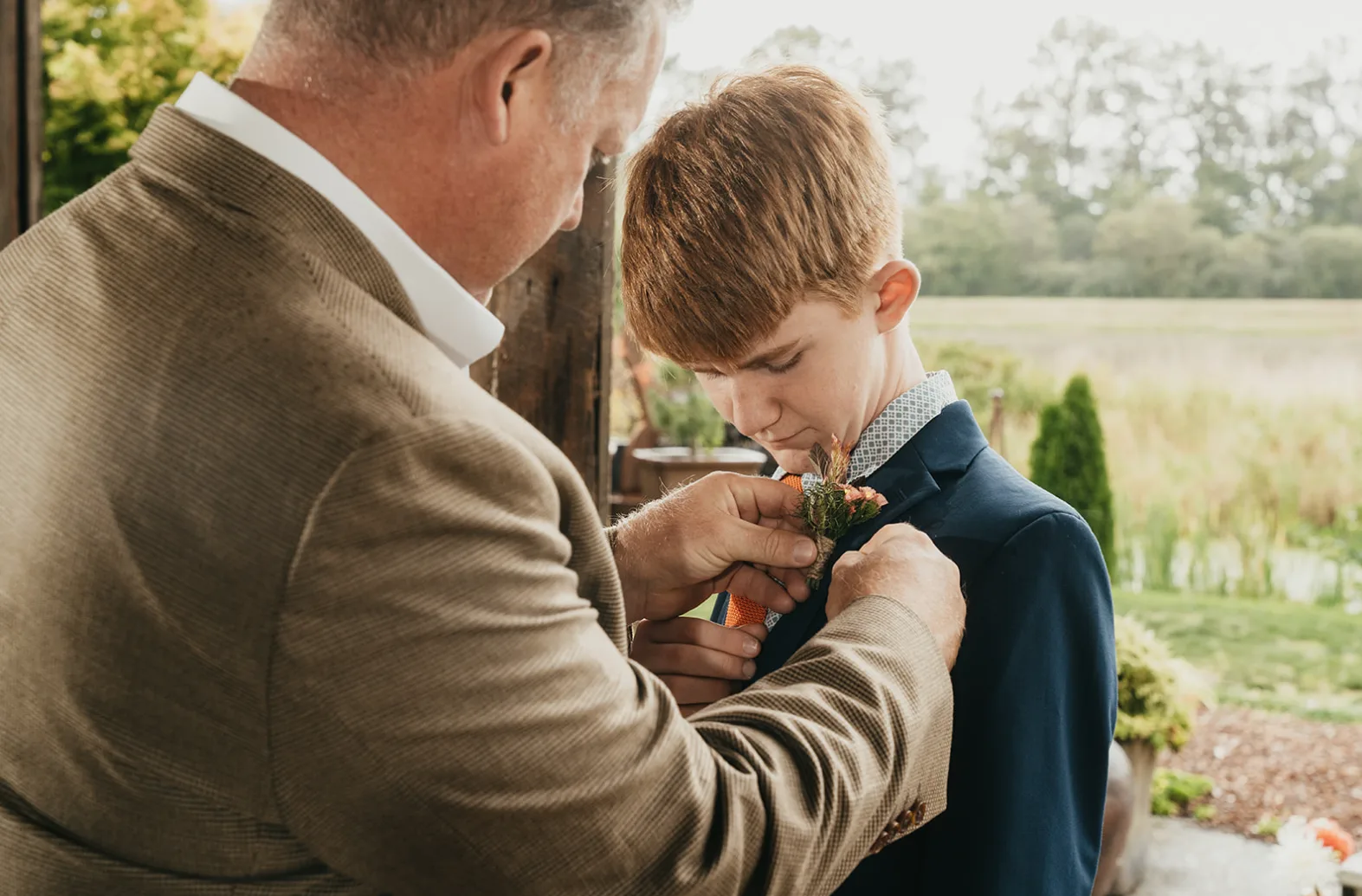
Involving teens or adult children in the wedding planning process long before the actual day can significantly mitigate anxieties and foster a sense of ownership and excitement. Emily Berg, a planner with Emily Berg Weddings & Events in Ohio, recounts a scenario where a groom’s 15-year-old daughter initially expressed hesitation about the wedding. Berg’s advice was straightforward: invite hesitant teens into the planning process in meaningful ways. This could involve bringing them to catering tastings and genuinely considering their opinions on food choices, or allowing them a say in their attire for the event. This approach, which prioritizes listening and validation, can transform initial reluctance into enthusiastic participation.
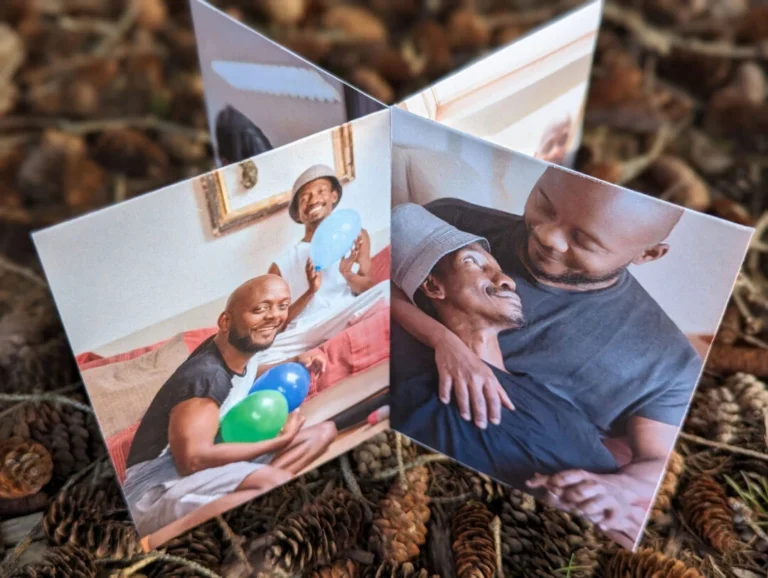
In the case Berg cited, the 15-year-old, initially reserved, ultimately embraced a significant role, standing as one of her father’s attendants, delivering a heartfelt toast that saw guests playfully tossing toast-shaped crackers, and sharing a father-daughter dance. This journey from apprehension to active involvement highlights the power of early, respectful inclusion. Berg cautions, however, that respecting boundaries is crucial; if a child dislikes being the center of attention, a role demanding it should be avoided. The accompanying image, captured by Unscripted Photographers and shared by Emily Berg Weddings & Events, subtly portrays a family moment, emphasizing connection.
Ceremonial Roles: Beyond the Traditional
The wedding ceremony itself offers numerous opportunities for meaningful inclusion. Traditional roles can be adapted, or new ones created, to reflect the unique dynamics of a blended family.
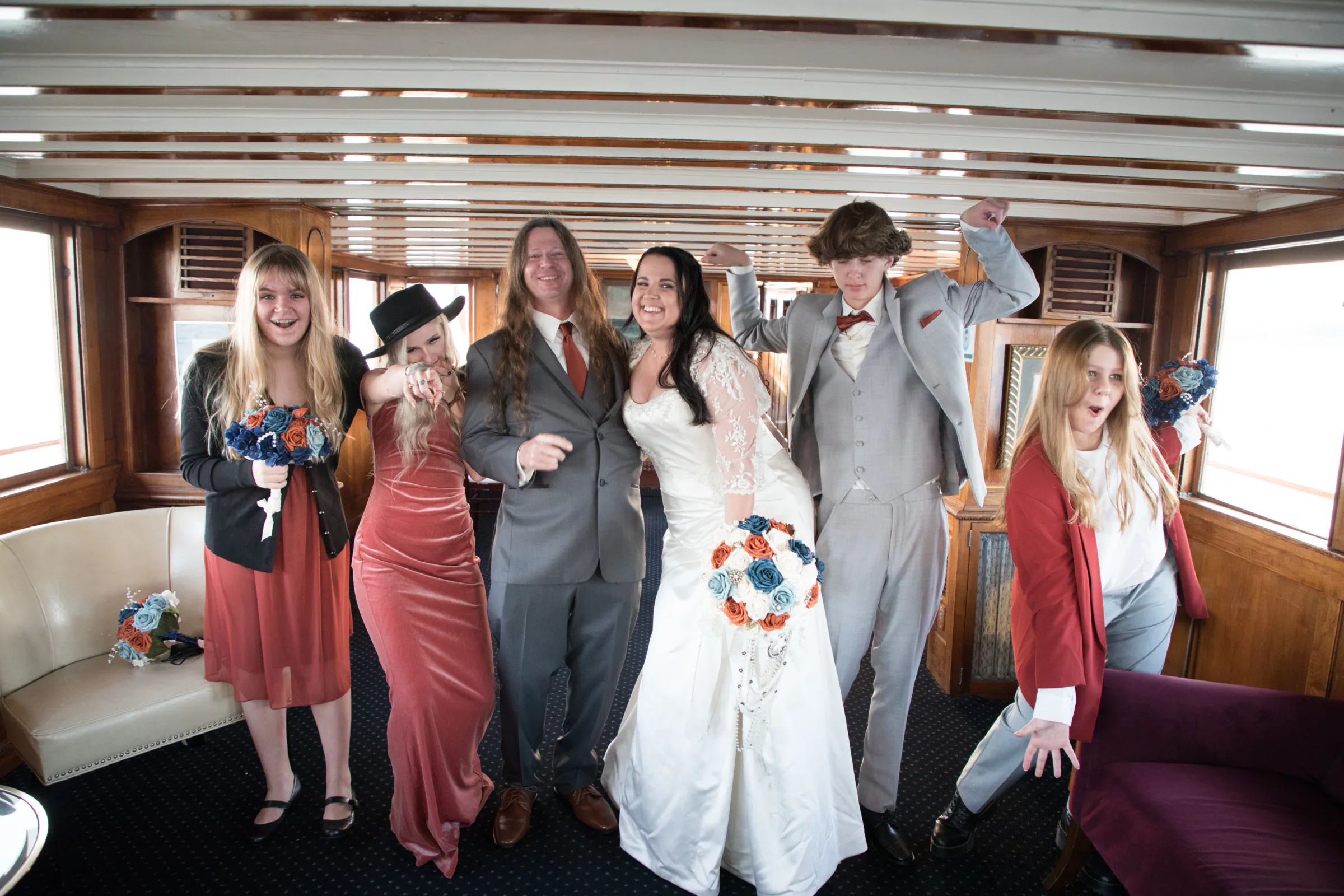
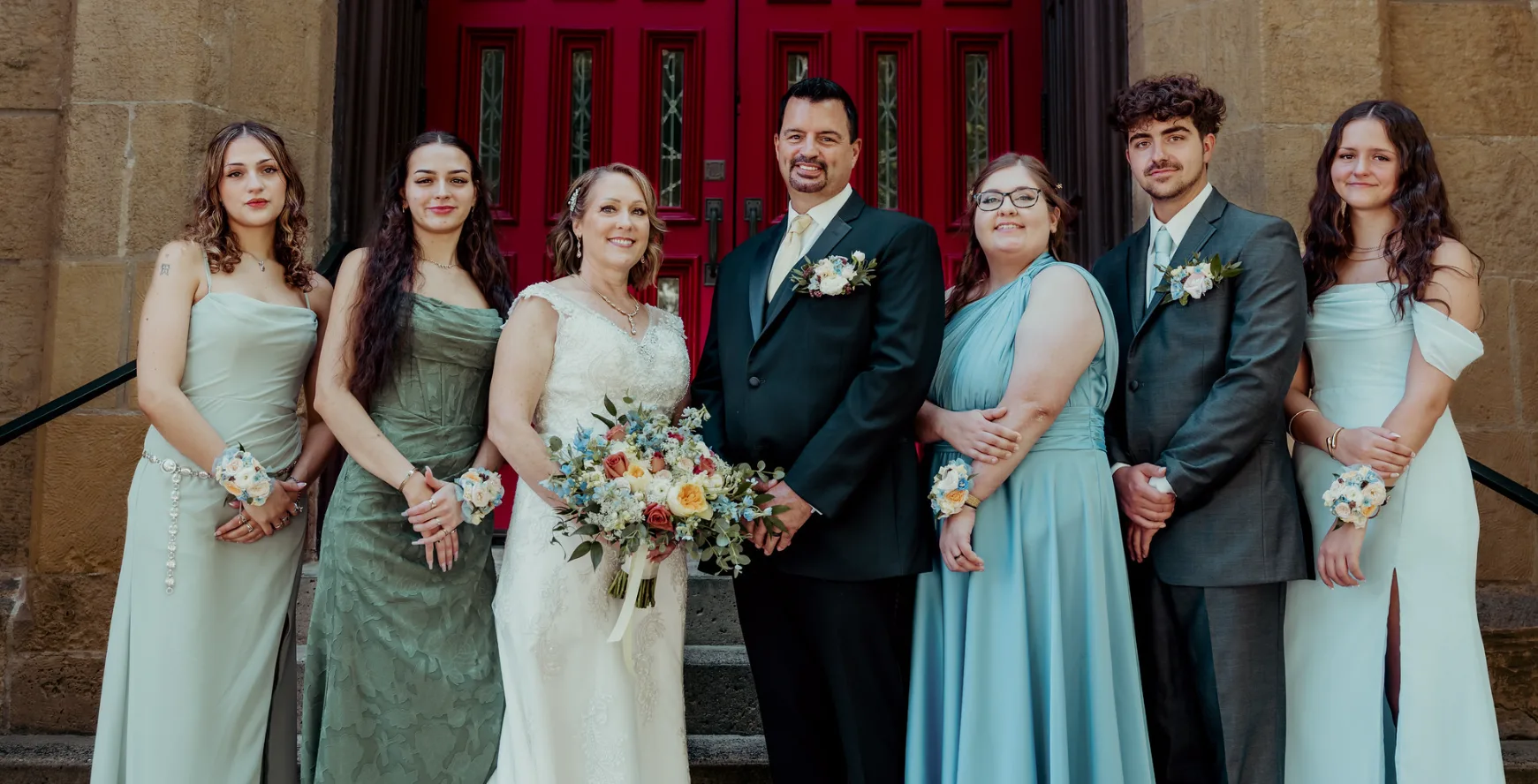
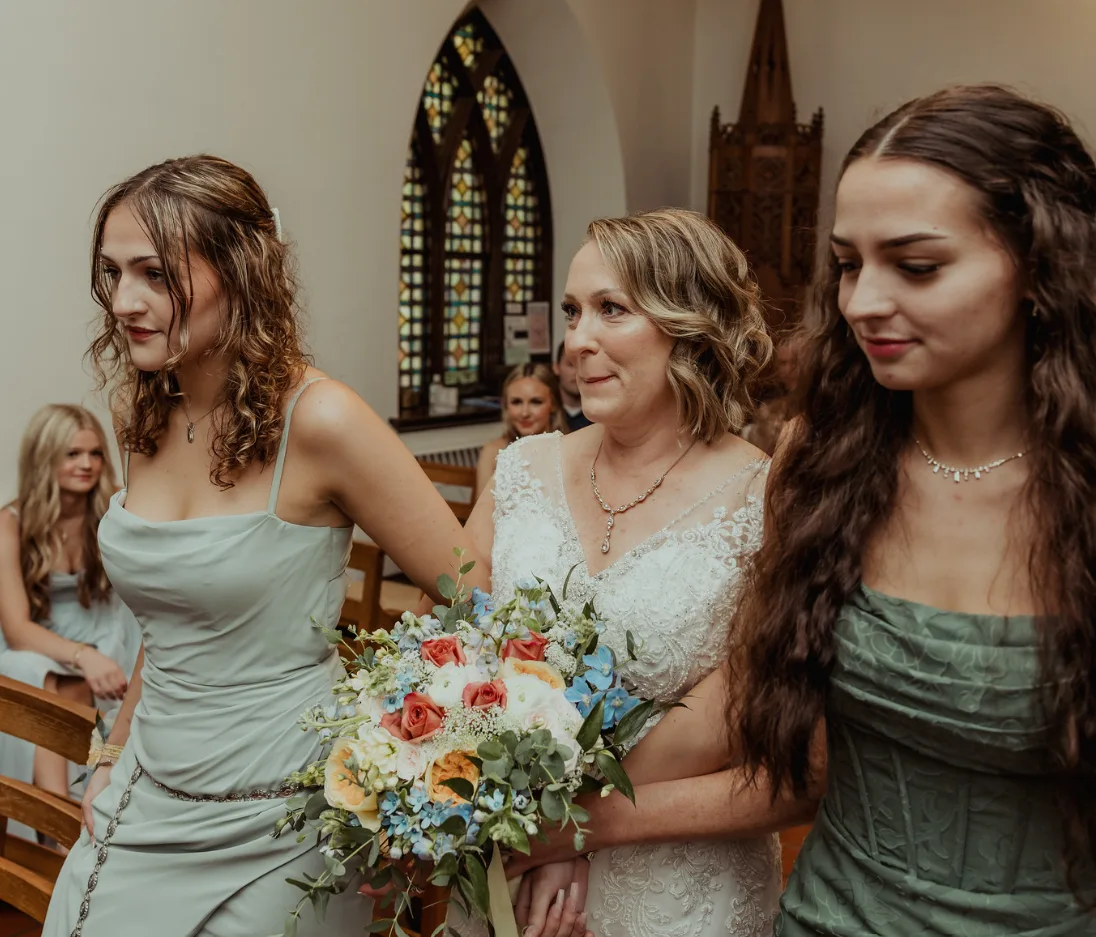
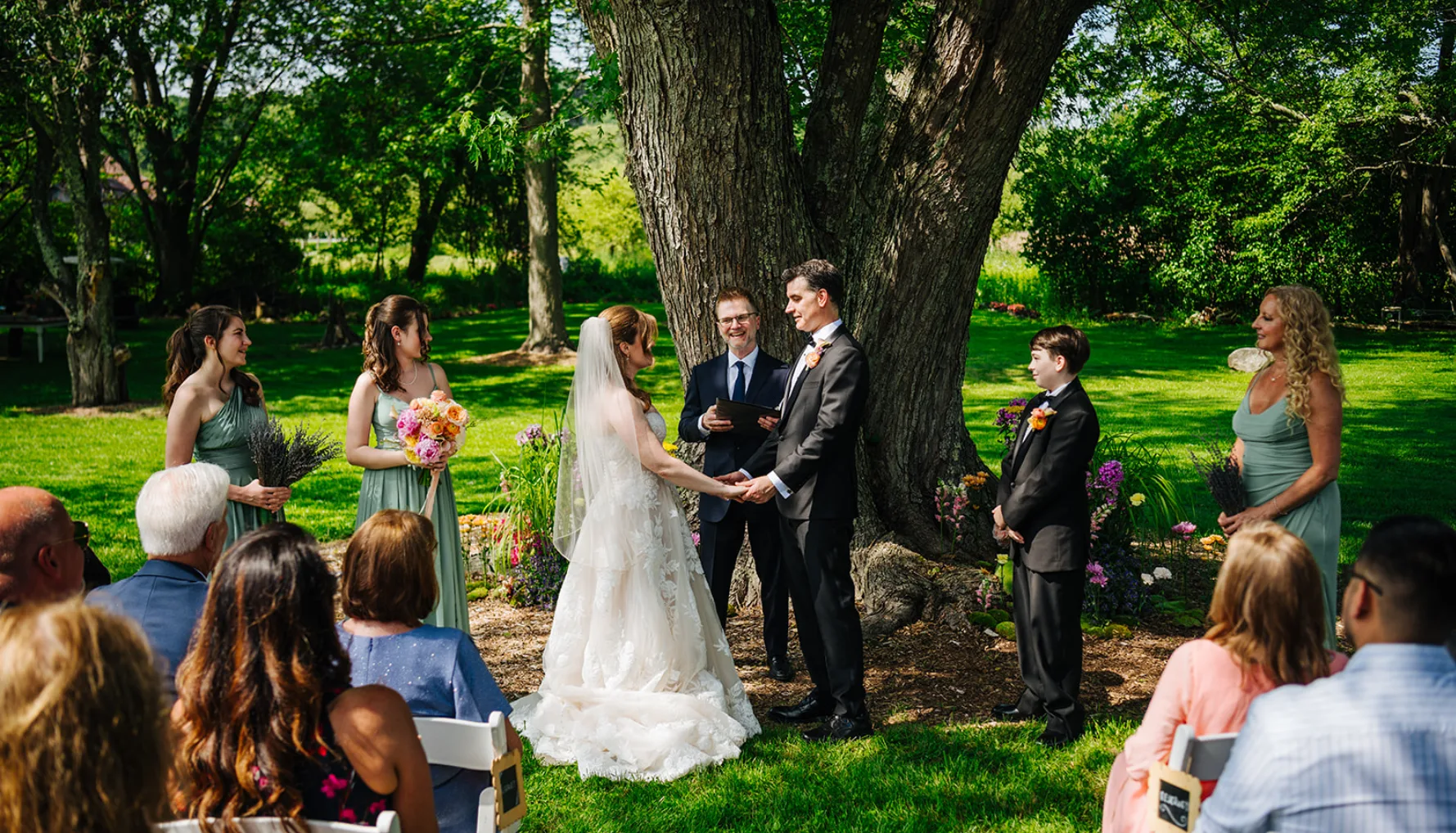
Samantha Waldron, a photographer from Dutcher Photography in Wisconsin, documented the wedding of Gloria and Jerry, where their five adult children (two from Gloria’s previous marriage, three from Jerry’s) formed the entire wedding party. This collective role underscored the unity of the new family. Gloria was escorted down the aisle by her two adult daughters, while Jerry was walked by his two daughters, with his son accompanying Jerry’s mother to her seat. Waldron notes that giving children a tangible "job" contributes to a sense of cohesion and demonstrates that their presence has been thoughtfully considered. She also advocates for couples making vows not just to each other, but also to their partner’s children, symbolizing a commitment to the entire family being formed. The images from Dutcher Photography visually represent this inclusive approach, showing the adult children integrated into the wedding party and processional.
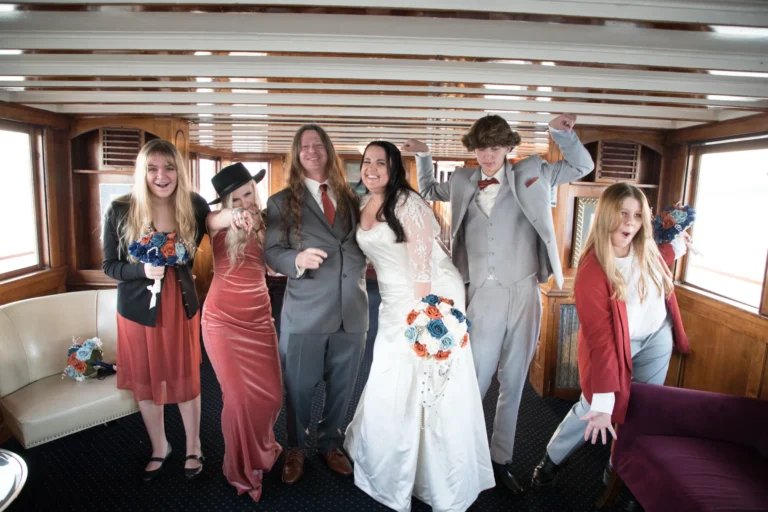
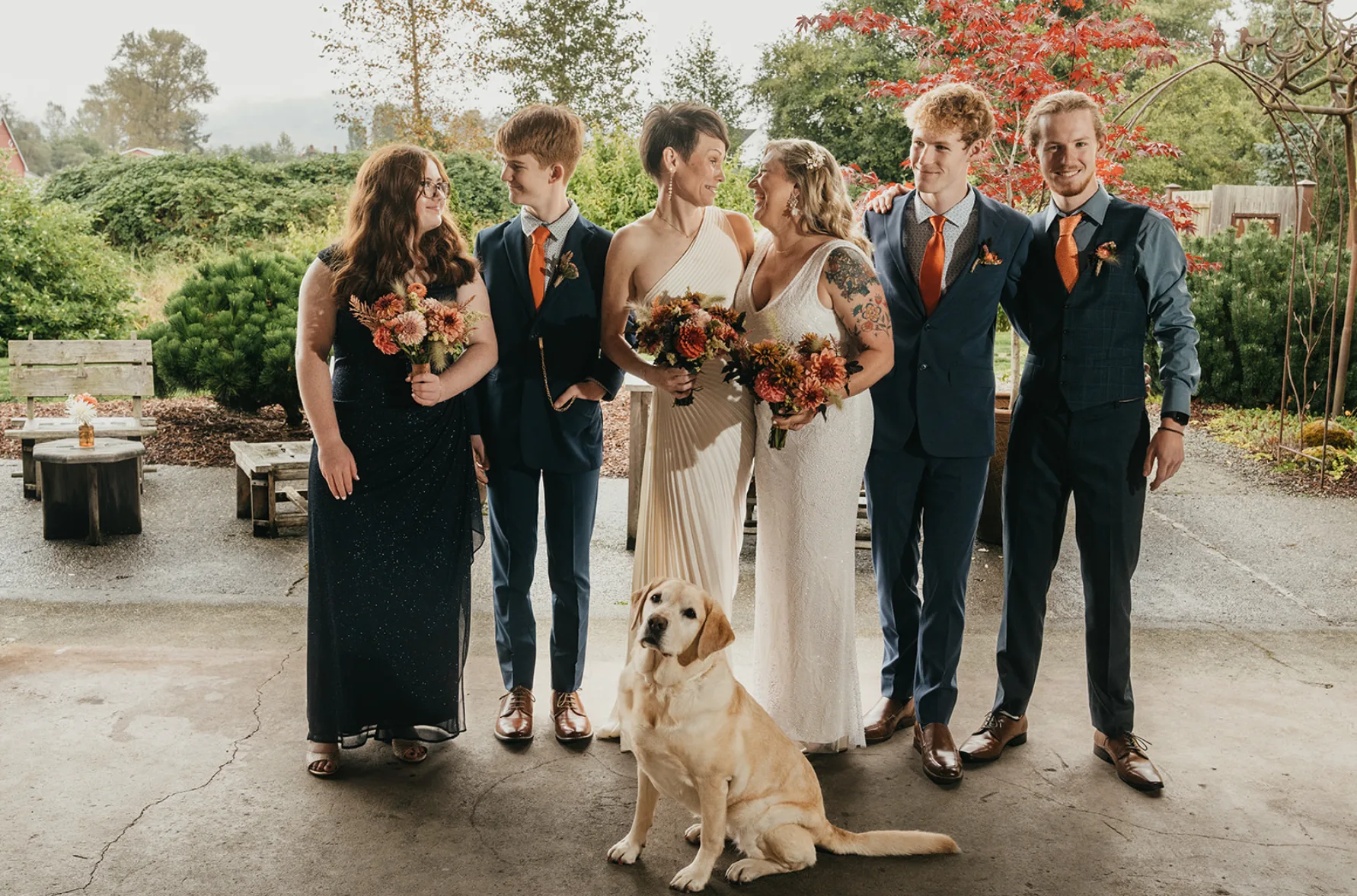
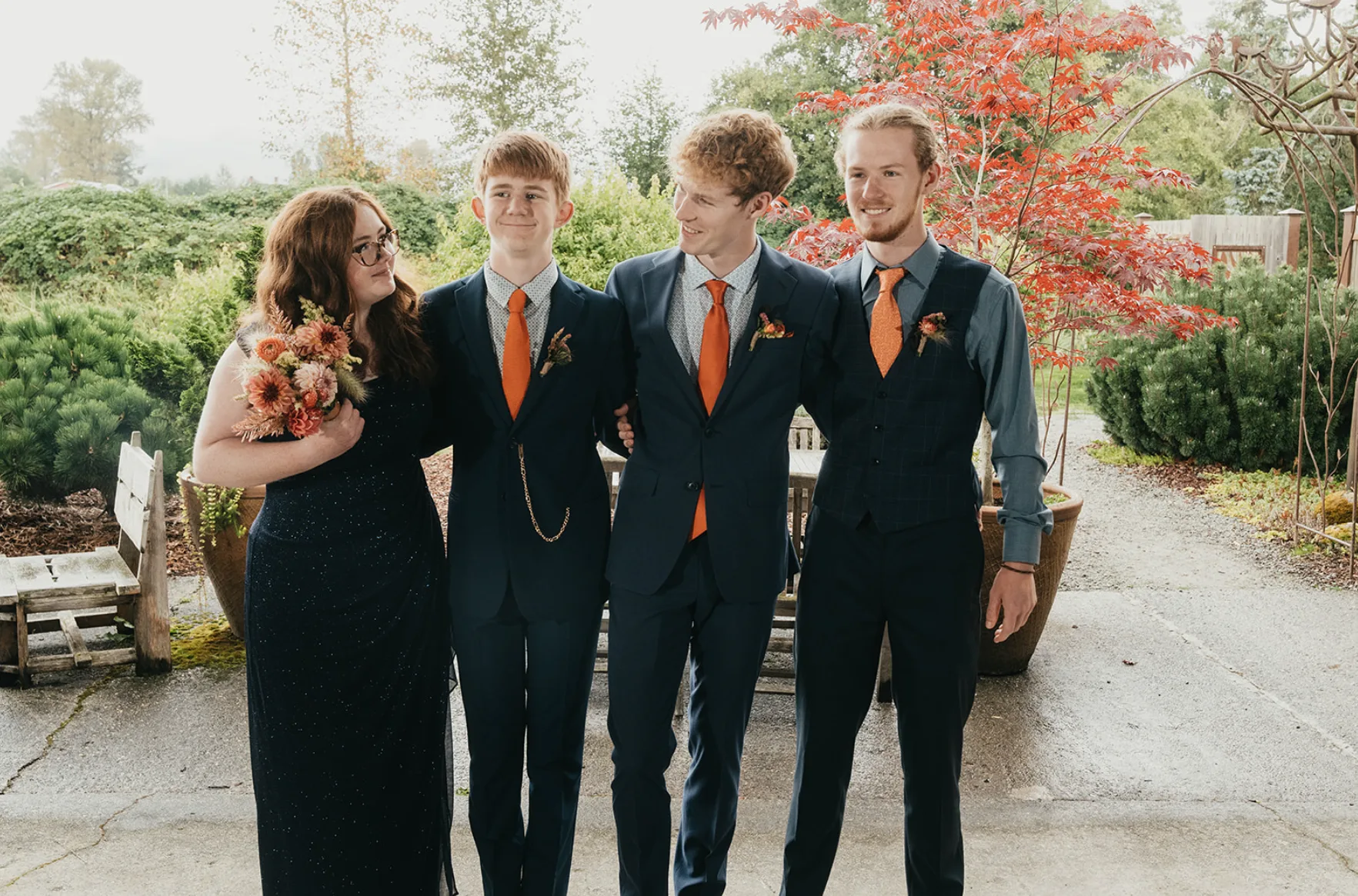
Jamie Buckley, a photographer with Jamie Buckley Photography in Seattle, photographed a wedding where one partner had three teenage sons and the other a teenage daughter. Two of the children chose to give toasts, with one son notably expressing his joy at "always wanting a sister and now he had one." However, Buckley’s broader advice emphasizes meeting children "where they are at." He cautions against forcing "cute moments" or projecting a closeness that the children may not yet feel ready for. "There’s nothing wrong with kids being hesitant or reserved," Buckley states. "If it’s meant to be, those moments will come eventually." This perspective underscores the importance of authenticity over performance, recognizing that genuine family bonds develop organically. The photos by Jamie Buckley Photography capture these candid moments, including toasts, reflecting varied levels of comfort.
Giving Them a Job with Actual Paperwork: Readings and Witnessing
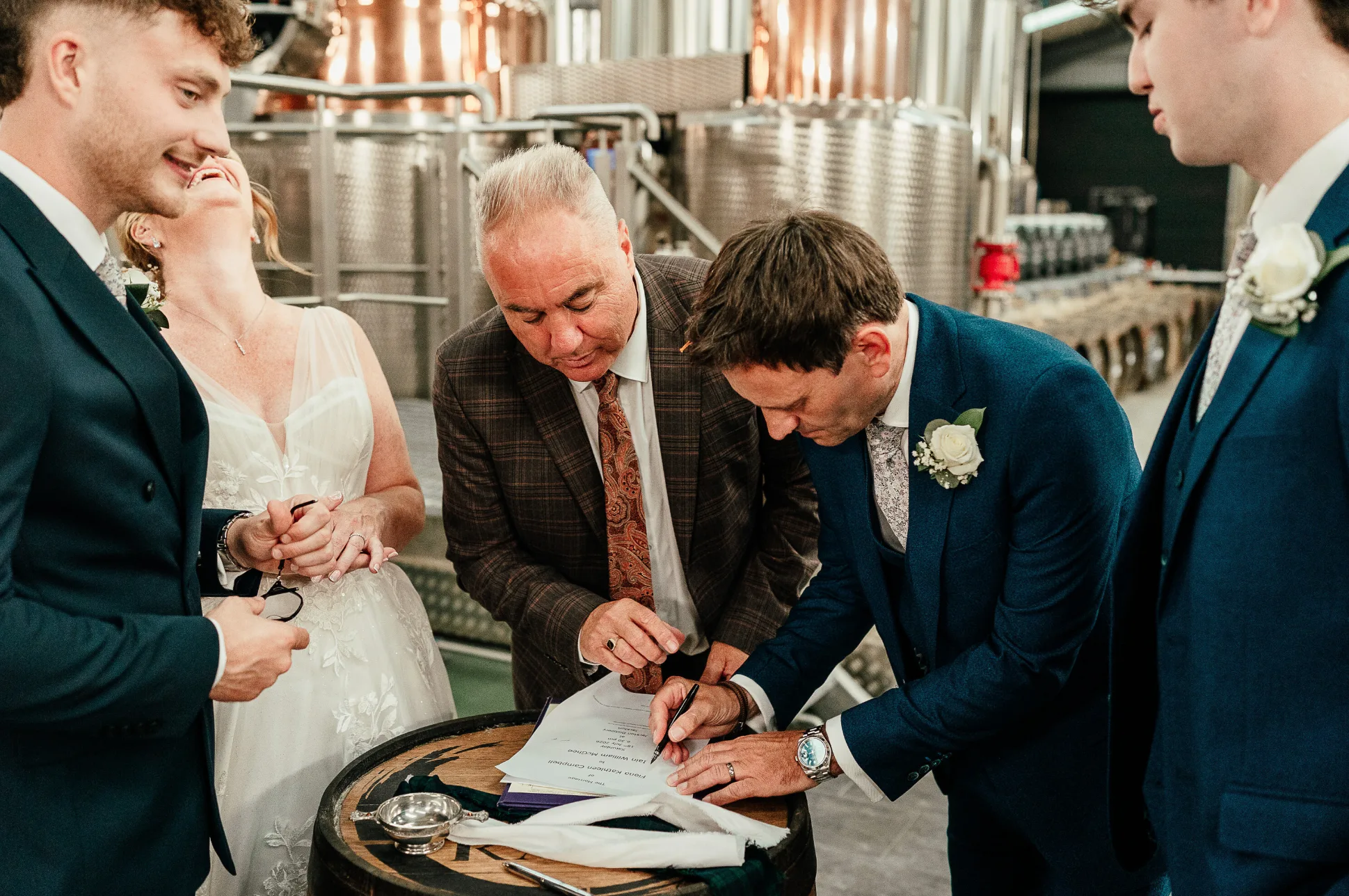
For some adult children, a more formal, less performative role might be preferred. Sarah Craig, a photographer behind Joy Story in the UK, captured a second wedding for a couple in their fifties at a Scottish distillery. Both partners had children from previous marriages. The celebrant skillfully wove the blended family narrative into the ceremony, drawing an analogy between a blended family and a blended whisky: "it doesn’t dilute what came before."
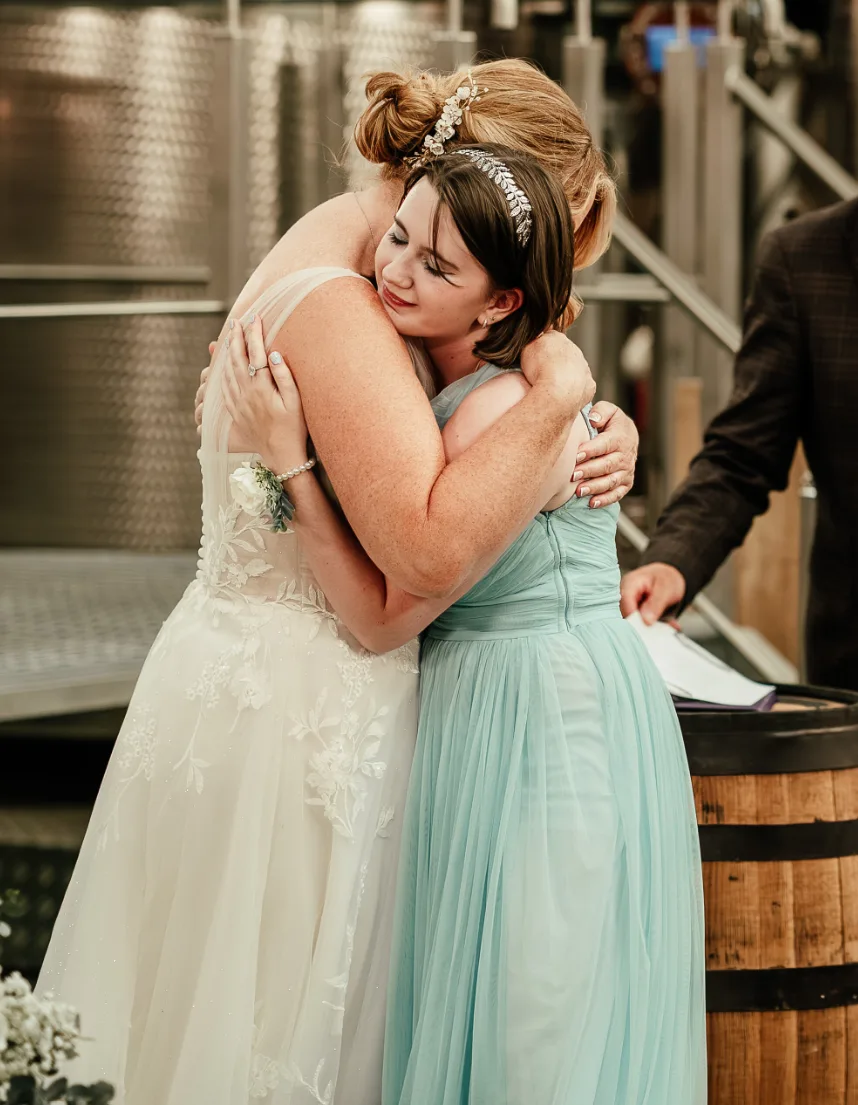
In this ceremony, all three of the couple’s children participated. The youngest delivered a reading, concluding with a warm hug, while the two adult children acted as official witnesses, signing the marriage schedule. Craig highlights that "the roles didn’t need to be big or performative; they just gave everyone a chance to be part of this new chapter as a family, rather than simply watching it happen." Her advice to couples concerned about potential pushback from older children is crucial: "Don’t assume adult children don’t want to be involved." She stresses that open, curious conversation is always the optimal approach, acknowledging that children’s feelings can be complex and sometimes surprising. Joy Story’s photographs beautifully illustrate these meaningful, official roles.
Leveraging Unique Talents and Symbolic Gestures
Not all involvement needs to be traditional or formal. Some children may prefer to contribute in ways that align with their unique skills or personalities. Kathryn Cooper, a photographer with Kathryn Cooper Weddings in New York, recalls a wedding where the bride’s teenage daughter sang during the ceremony. This allowed her to feel involved without being asked to take on a flower girl or junior bridesmaid role that the couple hadn’t wanted anyway. "She felt involved," Cooper observes, "and her parents were so proud."
Cooper’s broader philosophy encourages couples to eschew conventional expectations: "Your wedding doesn’t have to fit into a box anyway." She notes that assuming an older child’s feelings about the wedding are fixed is a common mistake. Planning, while potentially stressful, can also become "a unique opportunity to spend time with someone you may not know as well as you’d like." This perspective reframes the wedding planning as a chance for relationship building within the evolving family.
Symbolic rituals can also provide a powerful, inclusive experience. Jen Sulak, a photographer from Weirdo Weddings in the Dallas-Fort Worth area, photographed Kevin and Candy’s wedding, which featured a sand ceremony. Every child in the blended family participated, pouring their own layer of sand into a shared vessel, symbolizing the merging of their individual lives into a new family unit. Sulak advises couples to "expect real emotion (in both directions!) and leave some space for that before, during, and after the wedding day." She strongly warns against entirely excluding children from the ceremony and reception planning, emphasizing that open, curious conversations about potential involvement are "such a unique gift." The image from Weirdo Weddings vividly captures the shared sand ceremony, a testament to collective participation.
Using One Shared Task to Level the Playing Field
Sometimes, the most effective solution isn’t to find an individual role for each child, but rather to identify a single, shared ritual that can accommodate everyone. Reenie Panzini, an officiant with I Do For All, officiated Gabrielle and Eduardo’s wedding, where both partners brought teenage children from previous relationships. The couple desired their children’s involvement without singling anyone out, recognizing that one child was comfortable in the spotlight while the other three were not.
They centered part of the ceremony around El Lazo, a Hispanic tradition where godparents typically drape a lasso or oversized rosary around the couple to symbolize support and unity. In a thoughtful adaptation, Panzini’s couple had all four teenagers walk the lazo up together. They stood while she explained the tradition, then unwound it and carried it back to their seats. This collective action provided a meaningful role without requiring any child to deliver lines or endure a solo moment. "You may think you know your children’s thoughts about taking part in the ceremony," Panzini states, "but ask anyway." Her advice reiterates the critical need for open, curious conversation.
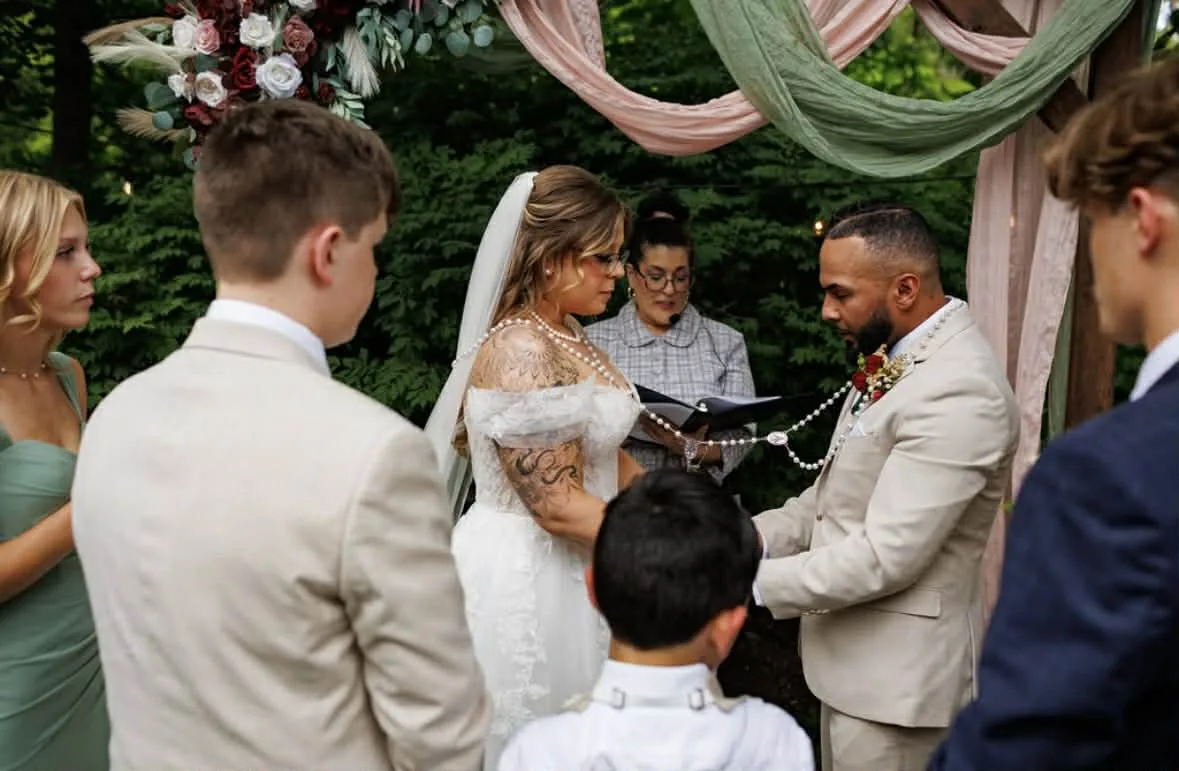
Panzini identifies a significant red flag: parents drafting grown children into wedding readings they never truly wanted to do. This can lead to projection issues, nerves, and a flat delivery, detracting from the ceremony’s emotional impact. Her preferred solution, similar to the El Lazo example, is to offer tasks that involve hands rather than voices, such as a ring warming ceremony or carrying a symbolic item. The series of images provided illustrates the El Lazo ceremony, showcasing the teenagers’ collective participation.
The Throughline: Open, Curious Conversation
Across these diverse real-world examples and expert perspectives, a consistent theme emerges: the indispensable value of open, curious conversation. Seven vendors, seven distinct weddings, yet almost identical core advice. This communication must be ongoing, empathetic, and truly receptive to the children’s feelings, which can fluctuate over time.
For parents navigating this journey, initiating these conversations can be challenging. Experts recommend a framework of dialogue prompts to facilitate genuine exchange without pressure. These might include questions such as: "As we plan our wedding, we’re thinking about how you might want to be involved. What are your initial thoughts or feelings about it?"; "Are there any specific parts of a wedding you particularly enjoy or dislike?"; "Is there anything you’ve seen at other weddings that you thought was a good way to include family members?"; "Are there any parts of the day you definitely want to be involved in, or definitely don’t want to be involved in?"; or "What would make you feel most comfortable and celebrated on our wedding day?"
Crucially, these are not scripts but starting points for dialogue. Children’s feelings may evolve, and their answers in the early planning stages might differ from their sentiments closer to the wedding day. The true significance lies not in securing a "yes" to a specific role, but in the process itself – the act of asking, remaining curious, and making it unequivocally clear that "no" is as welcome an answer as "yes." A blended family wedding where one child enthusiastically stands front and center, while three others quietly observe from the second row, can be just as authentic and celebratory as one where every child holds a candle or delivers a speech. The specifics of participation are secondary to the underlying principle of respectful, open communication that honors each individual’s choices and comfort levels.
Psychological Dimensions and Long-Term Impact
The thoughtful inclusion of teens and adult children in a blended family wedding has profound psychological implications. When children feel heard, respected, and genuinely integrated into the celebration, it lays a strong foundation for the new family unit. It communicates that their feelings matter and that their existing relationships are valued, even as new ones are formed. Conversely, forced participation or outright exclusion can lead to feelings of resentment, alienation, or a sense of being overlooked, potentially hindering the successful integration of the blended family in the long term.
A wedding is a pivotal moment, symbolizing new beginnings. For older children, it can be a significant emotional milestone, marking a definitive shift in their family structure. By approaching this event with sensitivity and prioritizing their emotional well-being, parents can transform a potentially awkward or challenging experience into an opportunity for growth, connection, and the joyful affirmation of a newly expanded family. The enduring memory for all involved should be one of love, unity, and mutual respect, paving the way for a harmonious future together.