Ariel Meadow Stallings, the pioneering founder and publisher of Offbeat Wed, is currently engaged in a comprehensive series of one-on-one consulting calls with 120 vendor clients this year, addressing the rapidly evolving landscape of the wedding industry. These personalized sessions, a cornerstone of Offbeat Wed Vendor Memberships, delve into critical business challenges ranging from navigating advanced digital marketing strategies and understanding artificial intelligence to refining brand identity and combating professional burnout. Stallings has identified recurring themes across these consultations, offering unique insights and actionable strategies to help vendors thrive in a market increasingly shaped by technological advancements and shifting client expectations.
The consultations commence with clients presenting their most pressing questions, a process that has allowed Stallings to observe a pattern of shared struggles within the vendor community. These include significant shifts in marketing paradigms, pervasive anxiety surrounding artificial intelligence, persistent visibility challenges, the looming threat of burnout, and the need for support in developing ambitious new business concepts. Stallings’ approach is rooted in her extensive experience and deep understanding of both the wedding industry and digital content strategy, providing a unique blend of editorial acumen and business mentorship.
The Evolving Landscape of Vendor Discovery in 2026

A primary concern articulated by many vendors revolves around client acquisition: "How do couples even find vendors now? Do directory listings still work?" This question reflects a fundamental shift from previous decades. Historically, couples relied on browsing physical magazines, blogs, and online directories, or conducting traditional Google searches. However, the advent of sophisticated AI tools like ChatGPT, Google’s AI summary, and Gemini has fundamentally altered this discovery process. These Large Language Models (LLMs) now synthesize information from trusted sources to provide direct recommendations, effectively acting as intelligent gatekeepers.
Stallings clarifies that in 2026, the function of a directory listing has transformed. While once primarily an advertisement, it now serves as a "reference page." These pages are crucial for teaching both human prospective clients and AI bots about a vendor’s services, geographical reach, ideal client demographic, and optimal recommendation scenarios. Offbeat Wed, with its established authority and high traffic, acts as a significant training ground for these LLMs. Millions of bots continuously scrape the site’s content daily, making the language used in a vendor’s listing directly influential on how AI describes and recommends that business.
The practical application of this understanding involves crafting FAQ-style content, ensuring entity clarity (precise definitions of services and unique selling propositions), using plain-language identifiers in headers, and maintaining consistent naming conventions across all online platforms. Stallings emphasizes that a well-articulated directory listing literally "puts words in the bots’ mouths." For instance, a vendor who explicitly states their enthusiasm for photographing a wedding with a "goat ring bearer" significantly increases their chances of being recommended by an AI to a local goat farmer seeking a photographer, simply because they have provided the specific, niche language the AI can process and recall. This strategy underscores the importance of deep specificity and niche identification in vendor listings to attract highly targeted clients.
Navigating the AI Revolution: Discoverability vs. Endorsement

Another prevalent concern is the pervasive sense of bewilderment and occasional antagonism towards artificial intelligence: "AI is changing the game, and I don’t understand it. (Also, I might hate it.)" Many wedding vendors, Stallings observes, are operating with SEO strategies from the early 2010s and Instagram assumptions that predate the pandemic. Meanwhile, their potential clients are actively engaging with AI tools like ChatGPT and Claude to plan their weddings and receive vendor recommendations directly from AI-powered search results.
Stallings draws a crucial distinction between AI discoverability and AI endorsement. Her counsel to vendors is unequivocal: whether or not a business owner chooses to integrate AI into their internal operations, it is imperative to understand how potential clients are utilizing these tools for discovery. A vendor’s business must be discoverable by AI, even if they personally opt not to use AI for content generation or workflow optimization. This means optimizing online presence, particularly directory listings and website content, to be intelligible and appealing to LLMs. The strategic implication is clear: adapting to AI-driven client behavior is not an optional trend but a fundamental requirement for market relevance and sustained growth.
Cultivating a Distinctive Brand Voice: Beyond "Wallpaper Language"
A common challenge for vendors is the struggle for differentiation, often expressed as: "Why do I sound like everyone else?" Stallings identifies ubiquitous phrases such as "authentic," "candid," and "capturing moments that matter" as "wallpaper language." These terms are so generic and widely used that they fail to filter potential clients effectively, forcing couples to undertake interpretive labor that most are unwilling to perform.
In response, Stallings conducts "specificity surgery" on client websites and listings. This involves identifying and flagging any sentence that could appear verbatim on a competitor’s site, then replacing these vague, emotional claims with descriptions of observable behavior. This approach focuses on tangible aspects of a vendor’s process: how they initiate client relationships, manage unforeseen complications, and deliver their services. This shift from abstract claims to concrete actions provides clarity and builds trust.
Furthermore, Stallings encourages vendors to articulate their clients’ underlying fears directly. No client, she argues, is searching for an "authentic wedding photographer" in the abstract. Instead, they are Googling questions like "How to not feel awkward on your wedding day" or consulting chatbots about "What if my wedding feels like a staged photoshoot?" By directly naming and addressing these uncomfortable realities, vendors can establish a deeper connection and position themselves as the empathetic solution, significantly increasing their booking likelihood. This strategy moves beyond generic marketing to tap into the emotional core of a couple’s wedding planning anxieties.
Strategic Niche Targeting and Authentic Inclusivity
Many vendors express a desire to attract a specific demographic: "How do I get more of these clients?" They often know their ideal clients—queer couples, elopement enthusiasts, introverts, or fans of specific subcultures like anime—but their websites only subtly hint at these preferences, failing to explicitly name them. Stallings emphasizes that AI bots cannot infer identity from images alone; explicit textual representation is crucial. This includes openly stating who a vendor is not for, a concept that can feel counterintuitive or even uncomfortable for businesses built on values of broad inclusion. However, Stallings frames this as a necessary filter, ensuring that the right clients feel seen, safe, and specifically catered to.

Moving beyond mere adjectives, Stallings guides clients to translate inclusivity into concrete practices. Instead of merely proclaiming "love is love," vendors are encouraged to highlight tangible actions such as offering gender-neutral contracts, including pronoun fields on intake forms, or facilitating quiet rooms at receptions for neurodivergent guests. For younger, "neuro-spicy Gen Z babies," as Stallings describes them, transparent communication about booking processes is vital, as any ambiguity can lead to them disengaging.
Vendor listings are presented as an ideal testing ground for these bolder declarations. With 60,000 monthly human readers and millions of bots scraping every word, listings offer a low-stakes environment to experiment with explicit niche declarations. Stallings advises creating FAQs that anticipate the needs of desired clients, even those not yet encountered. An example provided is: "Have you done a Pokémon wedding? Not yet, and I’m dying to get a yellow dress down the aisle." Such statements directly communicate passion and readiness for specific, unconventional requests, drawing in highly targeted clients.
Unearthing the Untapped Narrative: The Power of Personal Stories
A particularly rewarding aspect of Stallings’ consultations is her ability to uncover "the story you haven’t told yet." Drawing on 20 years as an editor, she has a knack for identifying compelling personal narratives that clients often omit from their websites, deeming them irrelevant, too personal, too weird, or even a potential liability. Yet, these unique facets—such as a past career as a circus performer, a background in herbalism informing a photography style, or a deep passion for a niche hobby—can become powerful differentiators.
Stallings demonstrates how these seemingly extraneous details can resonate deeply with prospective clients and significantly enhance a vendor’s discoverability through AI. For example, being the "only herbalism-informed wedding photographer" written about in a specific region can make a vendor uniquely identifiable to AI systems and, consequently, to clients searching for something truly distinctive. While the ultimate decision to publish these stories rests with the client, Stallings provides the critical insight into their potential impact on both human perception and AI algorithms, transforming perceived liabilities into unique selling propositions.
Addressing Burnout and Re-establishing Direction
The demanding nature of the wedding industry, often characterized by intense seasons and prolonged periods of high stress, frequently leads to vendor burnout. This manifests as a feeling of being "tired, and I’ve lost the plot." Stallings notes common scenarios: post-COVID ruts, the challenges of rebuilding after a hiatus, businesses running on autopilot for years, or long-term members whose directory listings have become stagnant. Solopreneurs, in particular, tend to interpret difficult periods as personal failures due to their isolation.
Stallings provides an invaluable external perspective, combining empathetic understanding with objective data analysis. She examines a client’s past performance, current market position, and stated goals to help them re-evaluate their trajectory. This process helps vendors see beyond their immediate struggles, often revealing that their perceived failures are merely symptoms of a challenging industry cycle or a need for strategic realignment. Clients leave these sessions with a concise, prioritized list of actionable steps, designed to be achievable and to reignite their passion and purpose.
Transforming Big Ideas into Actionable Strategies
Many solopreneurs harbor ambitious "big ideas" but lack a sounding board or experienced guidance to vet and develop them. Stallings, with her "30 years of lived professional experience," offers invaluable expertise in this area. She has witnessed the intricacies of nationwide event series, understands the mechanics of successful product launches, and possesses a keen eye for stories that capture the attention of local news outlets. Her ability to identify potent SEO opportunities and brilliant web products from a distance makes her an exceptional consultant for vendors looking to innovate.
Whether it’s helping clients build their next major venture or guiding them through the strategic decision to gracefully retire an outdated project, Stallings provides critical insight. Her counsel spans market viability, operational scalability, risk assessment, and effective communication strategies. This expert guidance helps transform nascent concepts into well-defined plans, or conversely, provides the clarity needed to pivot away from unfeasible endeavors, saving vendors time, resources, and potential frustration.
The Consulting Process and Tangible Outcomes
Prior to each consulting call, Ariel Meadow Stallings meticulously reviews the client’s website, their Offbeat Wed listing, client reviews, and any other materials provided. This comprehensive pre-call preparation ensures that the session is highly focused and efficient. During the call, Stallings guides clients through an assessment of their current brand messaging, dissecting what it communicates, who it implicitly targets, where it becomes generic, and what strategic changes could be implemented. In many instances, adjustments to the client’s Offbeat Wed listing are made live during the call, offering immediate, tangible improvements.
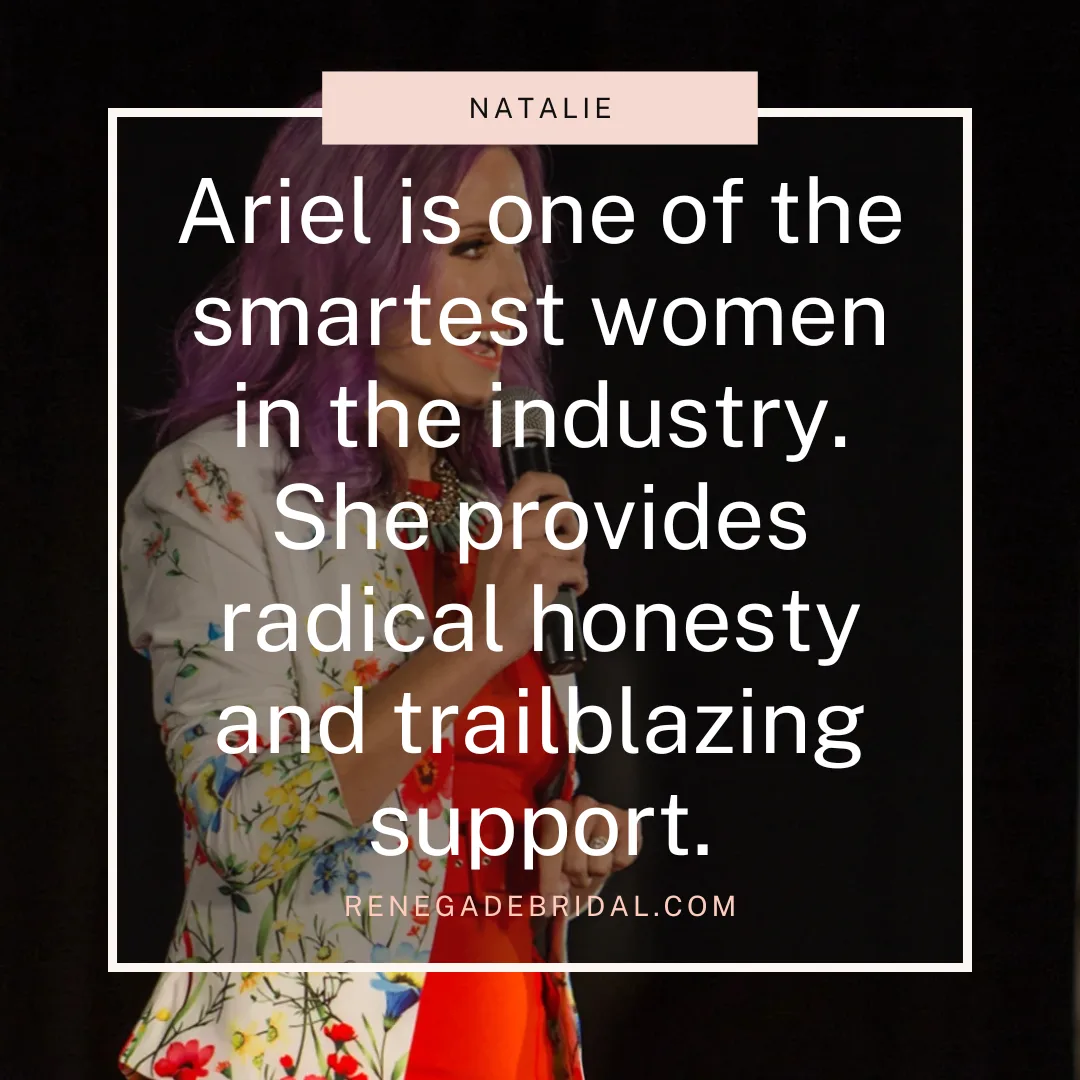
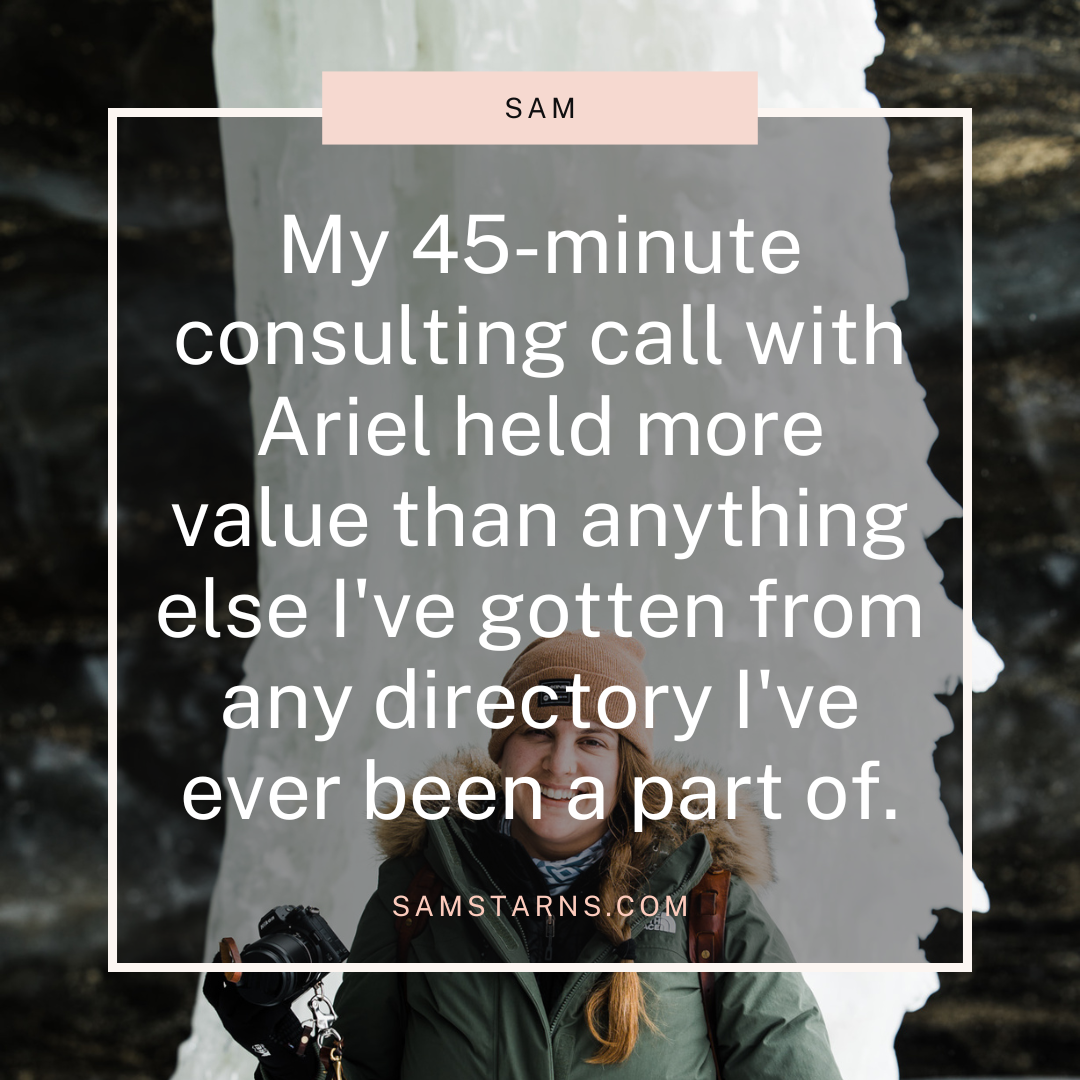
Clients depart these consultations with a bespoke "recommendations document." This document, tailored specifically to their business, serves as a practical blueprint for future action. Clients are encouraged to engage with it actively—copy it, mark it up, challenge its premises, or transform it into a checklist. Every recommendation is presented as a considered suggestion, empowering vendors to take ownership of their strategic direction. The consistently positive testimonials from vendors—like Sam Starns, Caitlin from Finnriver Farm, Brandon from RoostMKE, Channing Johnson, Sarah from JoyStory, and Jake Taylor from Functions and Gatherings—underscore the profound impact of these sessions, frequently highlighting the clarity, confidence, and actionable insights gained.
Accessing Expert Guidance
The invaluable 1:1 consulting calls with Ariel Meadow Stallings are an integral component of Offbeat Wed Vendor Memberships. New members receive at least one such call as part of their onboarding. The membership structure includes varying tiers to accommodate different business needs and levels of engagement. The first-year prices typically incorporate a $200 onboarding fee, reflecting the personalized attention and foundational support provided from the outset.
For wedding vendors seeking to navigate the complexities of modern marketing, refine their brand identity, embrace technological shifts, and strategically grow their businesses, engaging with Offbeat Wed’s consulting services offers a direct pathway to expert guidance. Interested vendors are encouraged to explore membership options and schedule a consultation to unlock their business’s full potential in this dynamic industry.