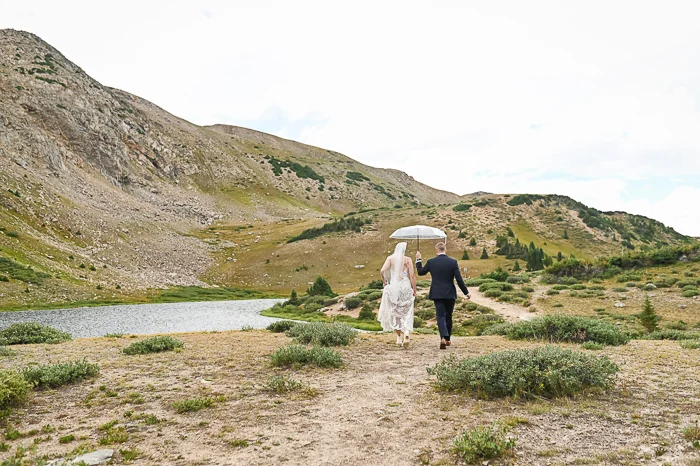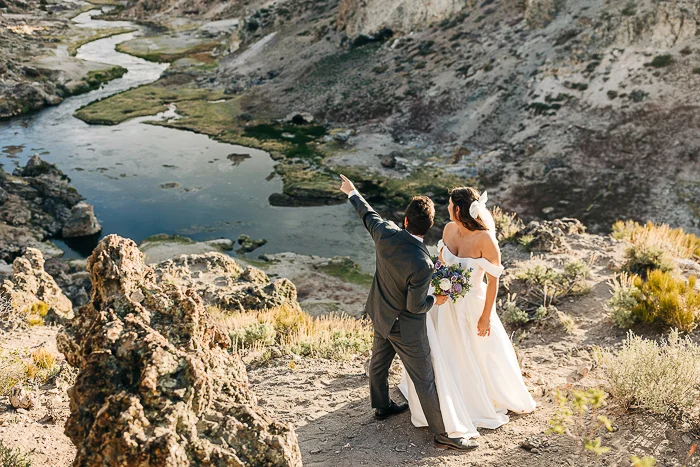
A compelling exploration into the nuances of human emotion through non-verbal cues recently culminated in the Photobug Community’s highly successful "Body Language" photo challenge for June. This innovative initiative challenged photographers worldwide to capture profound emotional narratives without revealing the subjects’ faces, proving unequivocally that the human form, through posture, gesture, and interaction, can convey the full spectrum of feelings—from joy and tenderness to sadness and profound connection—with astonishing clarity and depth. The collection of submissions, culminating in a striking showcase of talent, has underscored the powerful role of implicit communication in visual storytelling, demonstrating that love, in particular, possesses an inherent luminescence that transcends explicit facial expressions.
The Genesis of the "Body Language" Challenge
The Photobug Community, a globally recognized platform dedicated to fostering growth, creativity, and connection among professional and aspiring photographers, regularly hosts thematic challenges designed to push artistic boundaries and encourage innovative approaches to visual art. Established over a decade ago, the community has grown into a vibrant network of thousands of photographers, offering resources, critiques, and opportunities for global exposure. Their monthly challenges are a cornerstone of this mission, providing members with a structured yet creatively liberating framework to hone their skills and explore diverse photographic concepts. The "Body Language" theme for June was conceived from a desire to delve deeper into the psychological and artistic dimensions of non-verbal communication, a critical component of human interaction often overshadowed by the prominence of facial expressions in conventional portraiture. Organizers sought to challenge participants to move beyond the immediate recognition provided by a face and instead tap into the universal language understood through physical presence and interaction.
The Psychology of Non-Verbal Communication in Photography
The premise of the "Body Language" challenge is firmly rooted in established psychological principles concerning non-verbal communication. Research indicates that a significant portion of human communication, often estimated to be upwards of 70-90%, is non-verbal. This vast domain includes body posture, gestures, eye contact (or lack thereof), proxemics (the use of space), and haptics (touch). These cues are often unconscious and deeply ingrained, offering authentic insights into an individual’s emotional state and intentions. In the context of photography, where movement and sound are absent, the static capture of these non-verbal signals becomes paramount.
When a subject’s face is obscured, partially hidden, or simply out of frame, the viewer’s gaze is naturally drawn to other elements within the composition. The curvature of a back, the gentle intertwining of hands, the subtle lean of one body towards another, or the protective embrace—all become amplified. Psychologists suggest that the absence of a direct facial cue can paradoxically heighten emotional engagement. Viewers are prompted to actively interpret the scene, drawing on their own experiences and empathy to fill in the missing visual information. This process of projection and interpretation can lead to a more profound and personalized emotional resonance, making the captured moment feel intensely relatable and universally understood. Dr. Evelyn Reed, a hypothetical leading expert in visual psychology and semiotics, might comment, "By removing the immediate identifier of a face, photographers compel the audience to engage with the raw essence of human connection. The viewer becomes an active participant in deciphering the narrative, rather than a passive observer. This stimulates a deeper cognitive and emotional response, reinforcing the idea that fundamental emotions are universally expressed through our physical selves."
A Chronology of the Challenge: From Conception to Showcase
The "Body Language" challenge was officially announced to the Photobug Community members in the first week of June, with a detailed brief outlining the thematic expectations. Participants were encouraged to submit images that primarily focused on the interaction between subjects, emphasizing posture, gesture, and the overall physical dynamics between individuals, particularly couples in love. A crucial guideline stipulated that faces should not be the primary focus and ideally should be obscured or out of frame, forcing photographers to innovate in their compositional choices.
The submission window remained open for three weeks, during which thousands of photographers from diverse cultural backgrounds submitted their interpretations. The sheer volume and creative diversity of entries were testament to the challenge’s appeal. Submissions poured in from continents ranging from Asia and Europe to North and South America, showcasing a global perspective on human connection. The curation and selection process, conducted by a panel of experienced photographers and editorial staff from the Photobug Community, was rigorous. Entries were judged on several criteria: adherence to the "body language" theme, technical proficiency (lighting, composition, focus), emotional impact, originality, and overall aesthetic appeal. The goal was not merely to select technically perfect photos but those that most powerfully conveyed emotion without relying on facial recognition. The final selection, a curated gallery of the most impactful images, was then prepared for publication on the Photobug Community’s website and social media channels in the last week of June, culminating in the public announcement and showcase.
The Art of Unseen Narratives: Featured Works and Techniques
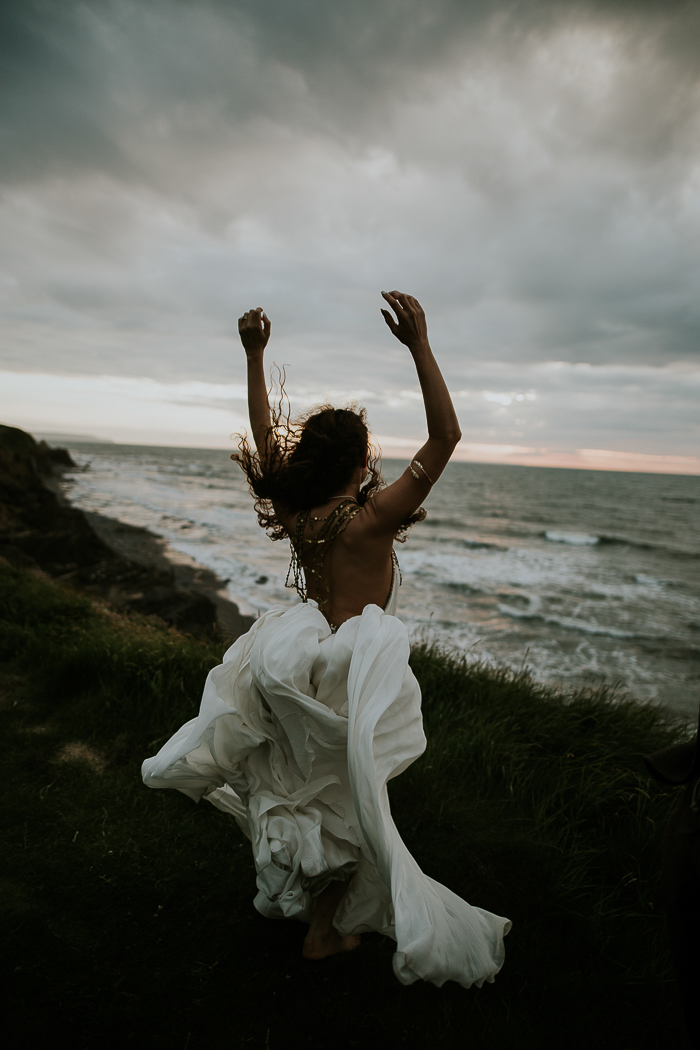
The featured images from the "Body Language" challenge stand as powerful examples of artistic ingenuity. Each photograph, while distinct in its setting and subjects, shares a common thread: the ability to evoke strong emotions through the subtle interplay of bodies. One notable submission, captured by Samsul Hidayat, exemplifies this mastery. The image, which has garnered significant attention, skillfully uses composition and light to highlight the tender embrace of a couple, their faces obscured, yet their profound connection undeniable. The curve of their backs, the way their hands meet, and the subtle lean of their heads communicate an intimate bond that transcends the need for direct eye contact or visible smiles.
Photographers employed a variety of techniques to achieve this effect. Some utilized selective focus, blurring faces while keeping the expressive limbs sharp. Others opted for wide-angle shots that emphasized the environment while still capturing the interaction of figures in the foreground or mid-ground. Silhouettes, partial cropping, and the use of props or natural elements to obscure faces were also common, all serving to redirect the viewer’s focus to the unspoken dialogue between bodies. This approach pushed photographers to consider how light falls on forms, how negative space contributes to the narrative, and how composition can guide the eye to the most emotionally charged elements of a scene. "It was an incredibly challenging yet rewarding experience," remarked a hypothetical participating photographer, Anya Sharma. "It forced me to think beyond traditional portraiture and truly understand how posture, touch, and even the distance between two people can tell an entire story. The absence of faces actually made me focus more intensely on the emotional core of the moment."
Broader Implications and Future Outlook for Photographic Art
The success of the "Body Language" challenge holds several significant implications for the world of photographic art and beyond. Firstly, it reinforces the notion that photography, at its heart, is about storytelling and emotional conveyance, not merely literal representation. It encourages photographers to explore new avenues of expression, diversifying their creative toolkit and pushing the boundaries of what is considered a "complete" portrait. This shift can lead to more abstract, symbolic, and emotionally resonant works, moving photography further into the realm of fine art.
Secondly, for viewers, such challenges cultivate a more active and engaged appreciation of visual art. By prompting interpretation and empathy, they deepen the connection between the artwork and its audience. This can lead to a richer understanding of diverse cultural expressions of emotion and connection. The universality of body language, despite cultural variations, ensures that these images resonate across geographical and linguistic divides.
Finally, for communities like Photobug, these initiatives strengthen their role as vital hubs for innovation and learning. By consistently offering themes that challenge conventional wisdom, they foster a dynamic environment where photographers can experiment, receive constructive feedback, and gain exposure. A spokesperson for the Photobug Community stated, "The overwhelming response to the ‘Body Language’ challenge reaffirms our belief in the boundless creativity of our members and the universal power of non-verbal communication. We are incredibly proud of the depth and emotion captured in these images. This challenge has not only showcased exceptional talent but also enriched our collective understanding of visual storytelling."
The "Body Language" challenge has undeniably left an indelible mark on the Photobug Community and the broader photographic landscape. It serves as a compelling reminder that the most profound stories are often told not through words or even visible expressions, but through the silent, eloquent poetry of the human form. As photographers continue to innovate, such thematic explorations will undoubtedly inspire new generations to look beyond the obvious and uncover the hidden depths of visual communication.
For photographers eager to join this vibrant global community and participate in future challenges that push the boundaries of photographic expression, the Photobug Community encourages engagement through their active Facebook group, providing an accessible platform for sharing work, receiving feedback, and connecting with peers from around the globe.