


In the elaborate tapestry of wedding planning, the selection of a venue stands as arguably the single most pivotal decision, not merely dictating the aesthetic and atmosphere of the celebration but profoundly influencing its financial trajectory. This crucial choice, often representing 40-50 percent of the total wedding budget when combined with catering, necessitates a methodical approach far beyond intuitive preference or fleeting impressions. As couples embark on tours of potential sites—from historic estates and rustic barns to elegant ballrooms and contemporary urban spaces—the deluge of information, varying fee structures, and distinct contractual terms can quickly lead to a state of confusion, rendering confident decision-making an arduous task. A sophisticated wedding venue comparison spreadsheet emerges as the essential analytical tool, transforming subjective observations into objective, actionable data, thereby empowering couples to make fiscally sound and emotionally satisfying choices.
The Economic Landscape of Wedding Venues
The wedding industry is a colossal economic force, generating billions annually. According to recent industry reports from entities like The Knot and WeddingWire, the average cost of a wedding in the United States typically hovers between $30,000 and $35,000. Within this substantial sum, the venue and catering combined consistently account for the largest proportion, frequently consuming nearly half of the total expenditure. This significant financial commitment underscores why venue selection is not merely a logistical step but a critical strategic decision. Market dynamics, driven by demand, seasonality, and geographical location, play a substantial role in venue pricing. Peak wedding seasons, often from late spring to early fall, see higher rates, particularly for Saturday dates, while off-peak months or weekday events can offer considerable savings. Urban centers and highly sought-after destination locations naturally command premium prices compared to more rural or less established areas. Understanding these overarching economic factors provides crucial background context for why diligent comparison is paramount.
The Imperative of Side-by-Side Analysis
The allure of a beautifully decorated ballroom or the rustic charm of a vineyard can easily sway couples, leading to decisions based on emotional appeal rather than comprehensive financial and logistical evaluation. A venue comparison spreadsheet serves as a vital safeguard against such pitfalls. It enforces a standardization of data, ensuring that every option is evaluated against the same criteria, thus facilitating a true "apples-to-apples" comparison. Without such a tool, the details of a Monday morning tour—what was included, what the corkage fee entailed, the specific capacity—can blur with a Wednesday afternoon phone call, making a clear, confident decision nearly impossible. This structured approach provides a robust decision-making framework, transforming fuzzy gut feelings into clear, confident choices supported by tangible data. It highlights the real trade-offs between venues, allowing couples to weigh aesthetics against practicality, and perceived value against actual cost.
A Phased Approach to Venue Selection: A Chronology
The journey to selecting the perfect wedding venue can be streamlined into a chronological process, each phase benefiting from the disciplined application of a comparison spreadsheet.

- Phase 1: Initial Research & Vision Setting (Pre-Spreadsheet Setup): Before even contacting venues, couples should establish their core vision. This includes defining a realistic guest count, identifying a desired date range (or specific date), outlining budget parameters, and determining stylistic preferences (e.g., modern, classic, rustic, industrial). Preliminary online research helps in identifying potential venues that align with these initial criteria. At this stage, the spreadsheet can be set up with preliminary columns for basic information like venue name, location, and estimated capacity.
- Phase 2: Site Visits & Information Capture (Spreadsheet in Action): This is the heart of the comparison process. Couples schedule tours, armed with a pre-prepared list of questions designed to fill specific columns in their spreadsheet. During or immediately after each visit, detailed information regarding amenities, restrictions, and initial pricing estimates should be meticulously recorded. The goal is to capture as much granular detail as possible, ensuring consistency across all entries.
- Phase 3: Comprehensive Review & Negotiation (Data Analysis): Once all tours are complete and the spreadsheet is populated, couples can engage in a thorough side-by-side analysis. This involves comparing total estimated costs, assessing the pros and cons of each venue based on their priorities, and identifying areas for potential negotiation. It might also involve second visits to top contenders or follow-up calls to clarify specific points.
- Phase 4: Final Selection & Contract Review (Decision & Formalization): The ultimate decision is made, backed by the comprehensive data. Prior to signing any agreement, a meticulous review of the contract is essential. This ensures that all verbal agreements are documented, all fees are clearly itemized, and couples fully understand their legal obligations, including cancellation policies and payment schedules.
Deconstructing the Venue Spreadsheet: What to Track for Clarity
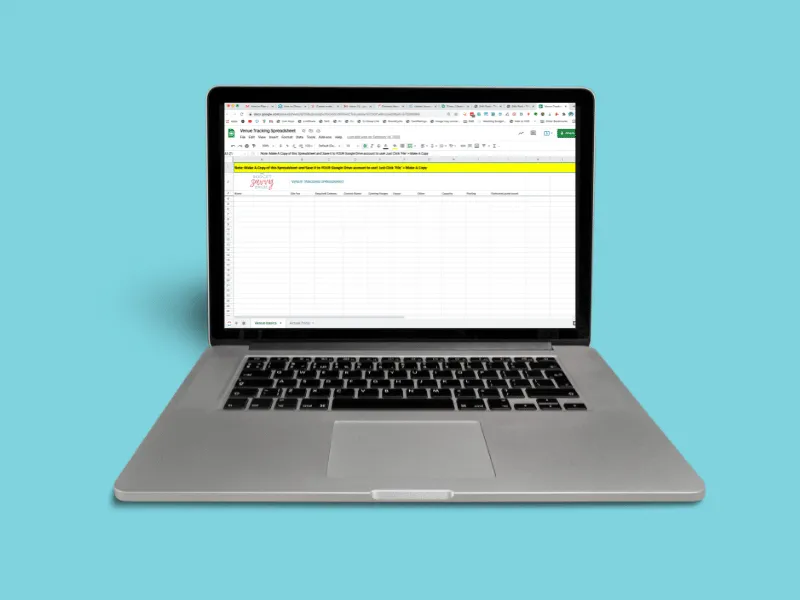
The efficacy of a venue spreadsheet lies in its ability to capture granular detail consistently across all options. Here’s a breakdown of critical categories:
-
Core Identifiers: Essential administrative details like the venue name, full address, primary contact person, phone number, email, and website link. These seem basic but are crucial for organization.
-
Logistical Essentials:
- Capacity: Differentiate between seated and standing capacity for both ceremony and reception areas. This directly impacts guest count ceilings.
- Availability: Note specific dates offered, or if a date is unavailable, general seasonal availability and whether rates vary significantly by day of the week (e.g., Saturday vs. Friday/Sunday).
- Accessibility: Details on parking availability and cost, public transportation options, and ADA compliance for guests with disabilities.
- Included Amenities: A clear list of what comes with the base rental. This might include tables, chairs, standard linens, basic dinnerware, sound systems, a dedicated bridal suite, or even a basic event coordinator.
- Restrictions: Important limitations such as noise ordinances, decor restrictions (e.g., no open flames, command strips only), vendor access times, and hard end times for music or guest departure.
- Vendor Policies: Whether the venue has an exclusive in-house catering or bar service, a preferred vendor list (which might require a fee to use outside vendors), or completely open vendor policies.
-
The True Cost Columns: Unveiling Hidden Fees: This section is where the spreadsheet truly earns its keep, revealing the "all-in" cost often obscured by initial quotes.
- Base Rental Fee: The fundamental cost for using the space. Note if this is hourly, a package deal, or based on a minimum spend.
- Food & Beverage (F&B): Per-person costs for catering, including various menu options, and details on bar packages (open bar, cash bar, consumption-based).
- Service Charge: Crucially, this is typically an administrative fee (often 18-25% of F&B and sometimes venue rental) that covers operational costs and is not a gratuity for staff. Couples must understand this distinction to avoid budgeting errors and double-tipping.
- Taxes: Local and state sales taxes applied to venue rental, F&B, and other services.
- Corkage Fee: A charge for bringing in outside alcohol.
- Cake Cutting Fee: A charge for serving a wedding cake brought from an external baker.
- Security Deposit: The amount required to hold the date, noting if it’s refundable and under what conditions.
- Cleanup Fee: Charges for post-event cleaning.
- Insurance: Requirements for event liability insurance, often mandated by the venue.
- Overtime Charges: Hourly rates if the event extends beyond the contracted time.
- Staffing Fees: Additional costs for extra servers, bartenders, security personnel, or coat check attendants beyond standard inclusions.
- Permits & Licenses: Any specific local permits required for events, particularly for outdoor spaces or late-night functions.
- Audio/Visual Equipment Rental: Costs for microphones, projectors, screens, or specialized lighting.
- Bridal Suite/Green Room Use: Sometimes an additional charge for dedicated changing or preparation spaces.
- Total Estimated Cost: This critical column sums all individual costs, providing the true "all-in" figure for a reliable comparison.
Strategic Questioning for Comprehensive Data Collection
Venue tours can move quickly, leaving couples with vivid impressions but crucial blanks in their data. Entering a tour armed with a targeted list of questions ensures all necessary information is captured. This acts as a wedding venue comparison checklist:
- "What are your available dates and associated rates for [specific season/day of the week]?"
- "What exactly is included in your base venue rental fee?" (e.g., tables, chairs, standard linens, setup/teardown, event coordinator).
- "Do you have in-house catering, or do we need to select from a preferred vendor list? Are there fees for bringing in outside caterers?"
- "What are your different bar package options, and what are their per-person costs? Do you allow outside alcohol, and if so, what is the corkage fee?"
- "What are your service charges, taxes, and any other administrative fees, and how are they calculated?" (Crucially, clarify if service charges are gratuities or administrative fees).
- "What is your required deposit schedule, and when are final payments due?"
- "What is your cancellation policy, and what fees or forfeiture of deposits would apply?"
- "Are there any noise restrictions or a hard end time for music and guest departure?"
- "What are your policies regarding decorations, including open flames, confetti, or hanging items?"
- "Do you require event liability insurance, and if so, what are the coverage requirements?"
- "Are there any additional fees for parking, security, or additional staff beyond standard inclusions?"
- "Can we access the venue for setup at [specific time] and for breakdown until [specific time]?"
Expert Perspectives on Venue Selection

Professional wedding planners consistently emphasize the value of a structured approach to venue selection. "A common pitfall for couples is falling in love with a venue based purely on aesthetics without fully understanding its total cost implications," advises a seasoned wedding planner. "A detailed spreadsheet is not just a tool; it’s a strategic necessity to avoid budget overruns and ensure a seamless planning experience. It forces transparency." Financial advisors echo this sentiment, urging couples to approach venue contracts with the same diligence as any significant financial agreement. "Couples often underestimate the ancillary costs associated with venues, such as service charges, taxes, and required vendor fees, which can quickly inflate the initial quote by 25% or more," notes a financial planning expert. "Treat your wedding venue contract like any significant real estate or service agreement; read every line and understand every fee before committing."
Beyond the Traditional: Exploring Alternative Venue Options
While traditional wedding venues offer convenience, exploring alternative spaces can provide significant cost savings and unique charm, though often requiring more hands-on coordination.
- Restaurants: Many upscale restaurants are equipped to host private events, including full buyouts. Advantages often include in-house catering (eliminating external caterer fees), existing decor, and a professional service staff. They are often less prone to the "wedding-tax" fee structure, potentially bypassing corkage or cake-cutting fees, and sometimes offer more flexible minimum spends. Challenges might include limited guest capacity or restricted availability on prime weekend evenings.
- Public Parks & Gardens: Offer picturesque natural backdrops at a fraction of the cost, sometimes requiring only a permit fee. Challenges include weather dependency, the need to bring in all infrastructure (tents, seating, restrooms, catering), and strict regulations regarding noise, alcohol, and decor.
- Community Centers & Non-Profit Venues: Often very budget-friendly, offering flexible spaces. They typically require extensive external vendor coordination for all services but provide a blank canvas for personalization.
- Private Estates/Airbnb Luxe: For intimate gatherings, renting a private estate or a luxurious Airbnb can offer a unique, home-like atmosphere. However, logistics can be complex, involving strict rules on events, insurance requirements, and coordinating multiple external vendors (catering, rentals, staff).
- Museums/Art Galleries: Provide a sophisticated and unique backdrop. These venues often come with higher price tags and stringent rules regarding food, drink, decor, and guest conduct to protect exhibits.
The implications of choosing alternative venues are varied. While they can offer substantial savings on traditional venue rental and some associated fees, they often shift the burden of coordination onto the couple, requiring a more comprehensive vendor management strategy and potentially increasing costs in other areas like rentals or labor.
Making the Final Decision: Analyzing Your Spreadsheet Data
Once your spreadsheet is fully populated, the data provides a clear roadmap for decision-making.
- Cost Per Guest Analysis: This is a powerful metric. Divide each venue’s total estimated "all-in" cost by your estimated guest count. This often reveals that a seemingly "expensive" venue can be a better value per guest once catering, service charges, and other fees are factored in, especially if it includes more amenities.
- Prioritization Matrix: Weigh what matters most to you as a couple. If a breathtaking outdoor setting is a non-negotiable, a slightly higher rental fee might be justified. If gourmet food is the priority, allocate more budget there, potentially opting for a less ornate venue. The spreadsheet helps visualize these trade-offs.
- Gut Feeling vs. Data: The spreadsheet serves to either validate or challenge your initial emotional responses. If your heart is set on a venue that the data clearly shows as financially prohibitive, it prompts a re-evaluation of priorities or a search for alternatives. Conversely, if a dark horse candidate proves to be an exceptional value, it allows for a confident reconsideration.
- Contingency Planning: Even with a detailed spreadsheet, it’s wise to allocate a 5-10% buffer in your overall budget for unforeseen costs or minor adjustments.
Conclusion
A meticulously maintained wedding venue spreadsheet transforms the single most expensive and potentially overwhelming decision of wedding planning into a calm, side-by-side comparison that couples can truly trust. By systematically tracking the same details for every option, asking precise questions on every tour, meticulously logging every potential hidden fee, and calculating the true "all-in" numbers, couples are empowered to make the best choice for their budget and vision. This disciplined approach ensures financial transparency, prevents budget overruns, and fosters confidence, ultimately contributing to a more joyful and less stressful planning experience. It is a cornerstone of savvy wedding planning, ensuring that one of life’s most significant investments is made with clarity and strategic foresight.