

Marrying in midlife, particularly when teenagers or adult children are part of the family equation, introduces a layer of complexity and nuance to wedding planning that traditional advice often overlooks. Couples embarking on this significant life event frequently grapple with questions such as the extent of their children’s involvement in planning, their inclusion in the ceremony, participation in the processional, or even how to navigate situations where a grown child may not yet be enthusiastic about the impending union. This unique demographic requires a thoughtful, individualized approach to ensure the celebration fosters unity rather than tension.
The landscape of family structures has undergone significant evolution over recent decades, with blended families becoming an increasingly common reality. According to data from the Pew Research Center, roughly four-in-ten American adults have at least one step-relative in their family, indicating the widespread nature of stepfamilies and the formation of new familial bonds through remarriage. The average age for individuals entering second or subsequent marriages has also risen, often meaning that children involved are past their early childhood years, possessing their own established identities, opinions, and emotional responses to a parent’s remarriage. This demographic shift underscores the critical need for tailored guidance on integrating older children into wedding celebrations.
Recognizing this void in conventional wedding wisdom, professionals specializing in blended family weddings offer invaluable insights derived from real-world experience. A consensus among these vendors highlights the paramount importance of open, curious conversation and respecting the individual emotional readiness of each child. Their observations reveal a spectrum of successful involvement strategies, ranging from active planning participation and ceremonial roles to subtle, symbolic gestures and even the respectful absence of a formal role. The underlying thread connecting these varied approaches is a commitment to fostering connection and acknowledging the new family unit being formed, without forcing uncomfortable or inauthentic interactions.
The Evolving Landscape of Family and Marriage
The rise of blended families is not merely a statistical anomaly but a reflection of broader societal changes, including higher rates of divorce and remarriage, as well as evolving norms around family formation. While the nuclear family model once dominated, contemporary families are often characterized by diverse configurations, including step-parents, step-siblings, and half-siblings. For teens and adult children, a parent’s remarriage can evoke a complex mix of emotions: excitement for their parent’s happiness, anxiety about changes to family dynamics, loyalty conflicts, or even unresolved feelings from a previous divorce. Acknowledging these potential emotional undercurrents is the first step toward crafting an inclusive and supportive wedding experience.
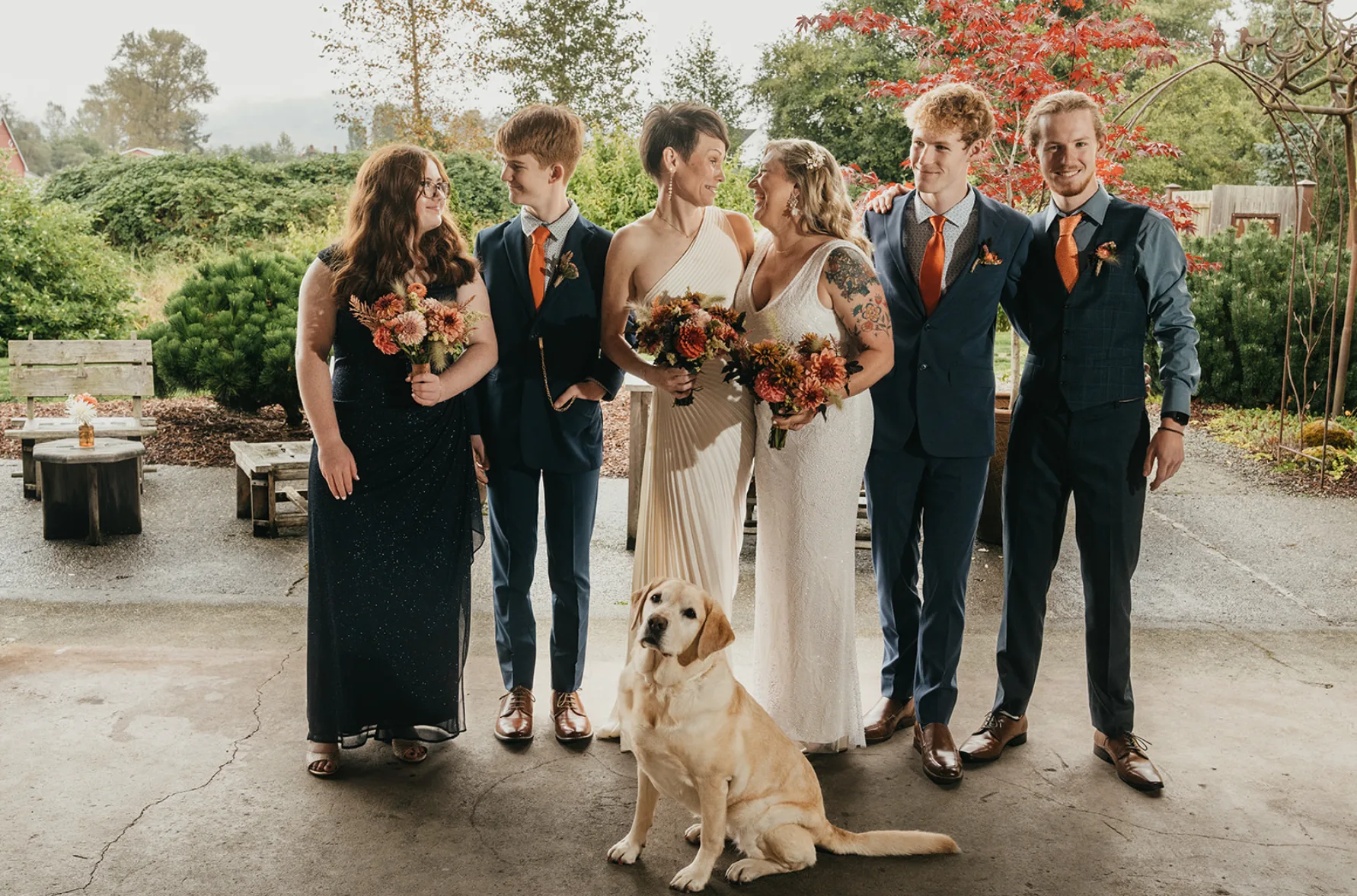
When a parent remarries, the wedding is not just a union of two individuals but often a symbolic, and sometimes literal, merging of two existing family units. This makes the involvement of older children not just a polite gesture but a crucial element in establishing the foundation for a harmonious blended family. The goal is to create a sense of belonging and shared celebration, affirming that while the family structure is changing, the children’s place within it remains secure and valued.
Expert Insights: Crafting Inclusive Ceremonies
Wedding professionals, through their work with numerous blended families, have cultivated a deep understanding of these dynamics. They consistently emphasize that there is no one-size-fits-all solution, advocating instead for personalized approaches rooted in genuine dialogue. Their collective wisdom points to several key areas where older children can be meaningfully integrated, ensuring the wedding day is a joyful milestone for everyone involved.
Beyond the Aisle: Pre-Wedding Involvement
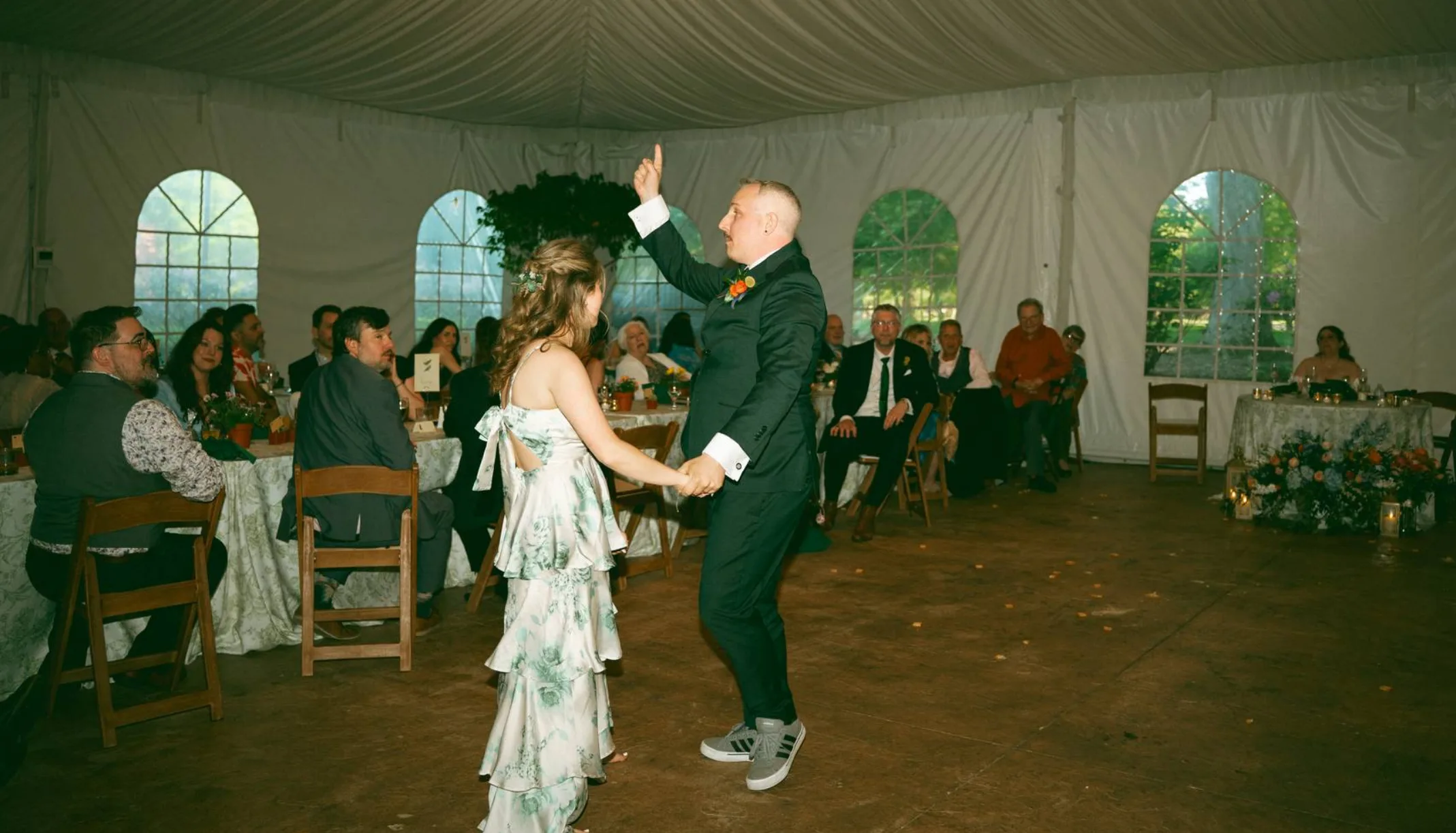
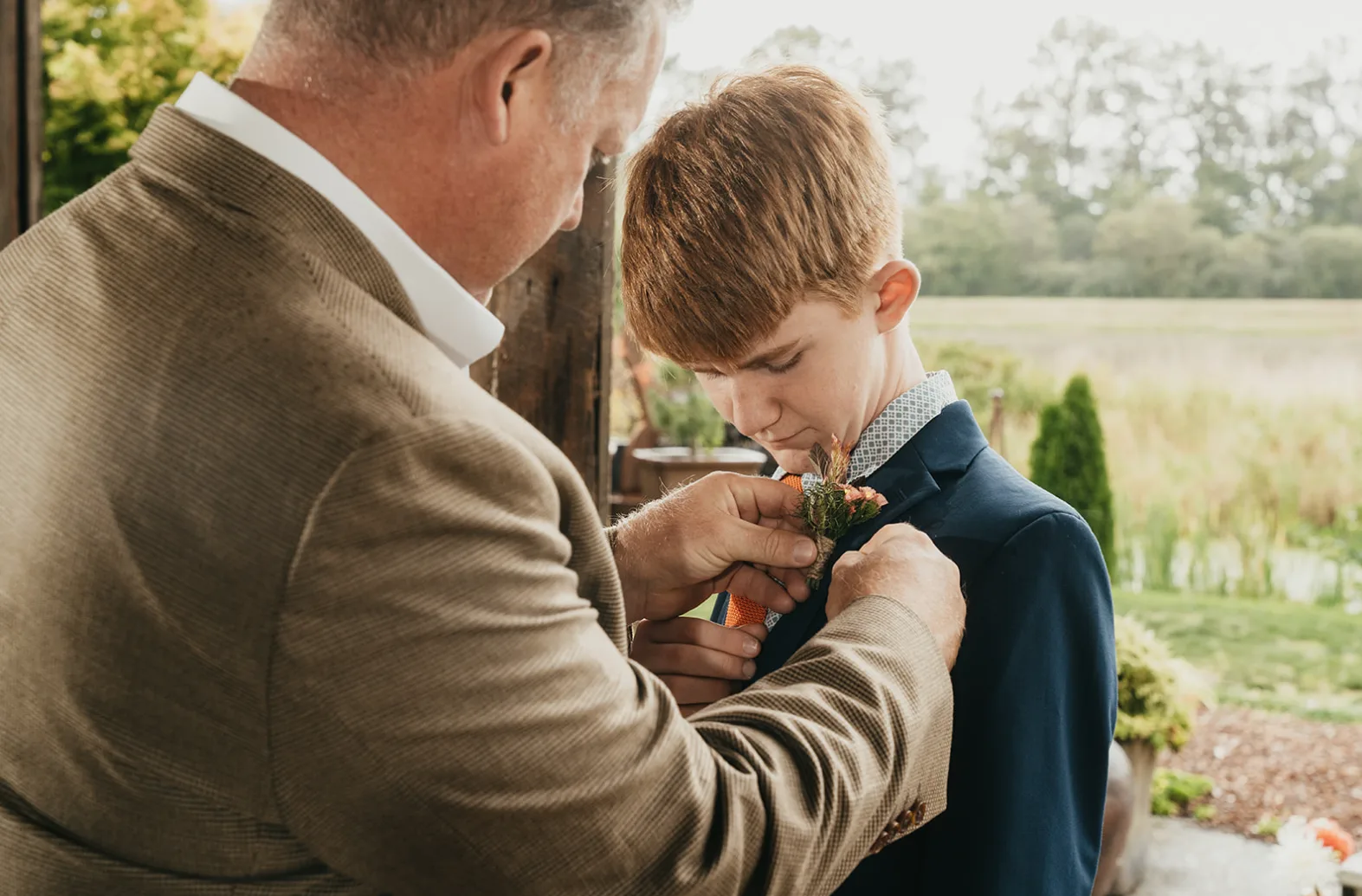
Involvement for teens or adult children doesn’t have to be limited to the wedding day itself; it can begin much earlier in the planning process, serving as a powerful tool to foster acceptance and excitement. Emily Berg, the planner behind Emily Berg Weddings & Events in Ohio, recounts working with a groom whose 15-year-old daughter initially expressed hesitancy about the wedding. Berg’s advice, which proved successful, was to actively invite hesitant teens into the planning process. This could involve bringing them to catering tastings and genuinely listening to their input on food choices, or allowing them a significant say in what they wear. This approach makes them feel valued and invested. In the case Berg described, the daughter eventually stood as one of her father’s attendants, delivered a heartfelt toast, and shared a father-daughter dance, demonstrating a profound shift from initial reluctance to enthusiastic participation. Berg cautions, however, that if a child is uncomfortable being the center of attention, pushing them into such a role would be counterproductive. "Respect that boundary," she advises, emphasizing the importance of tuning into a child’s comfort level. The implication here is that pre-wedding involvement, tailored to individual personalities, can transform apprehension into engagement, laying positive groundwork for the new family.
Ceremonial Roles: From Procession to Party
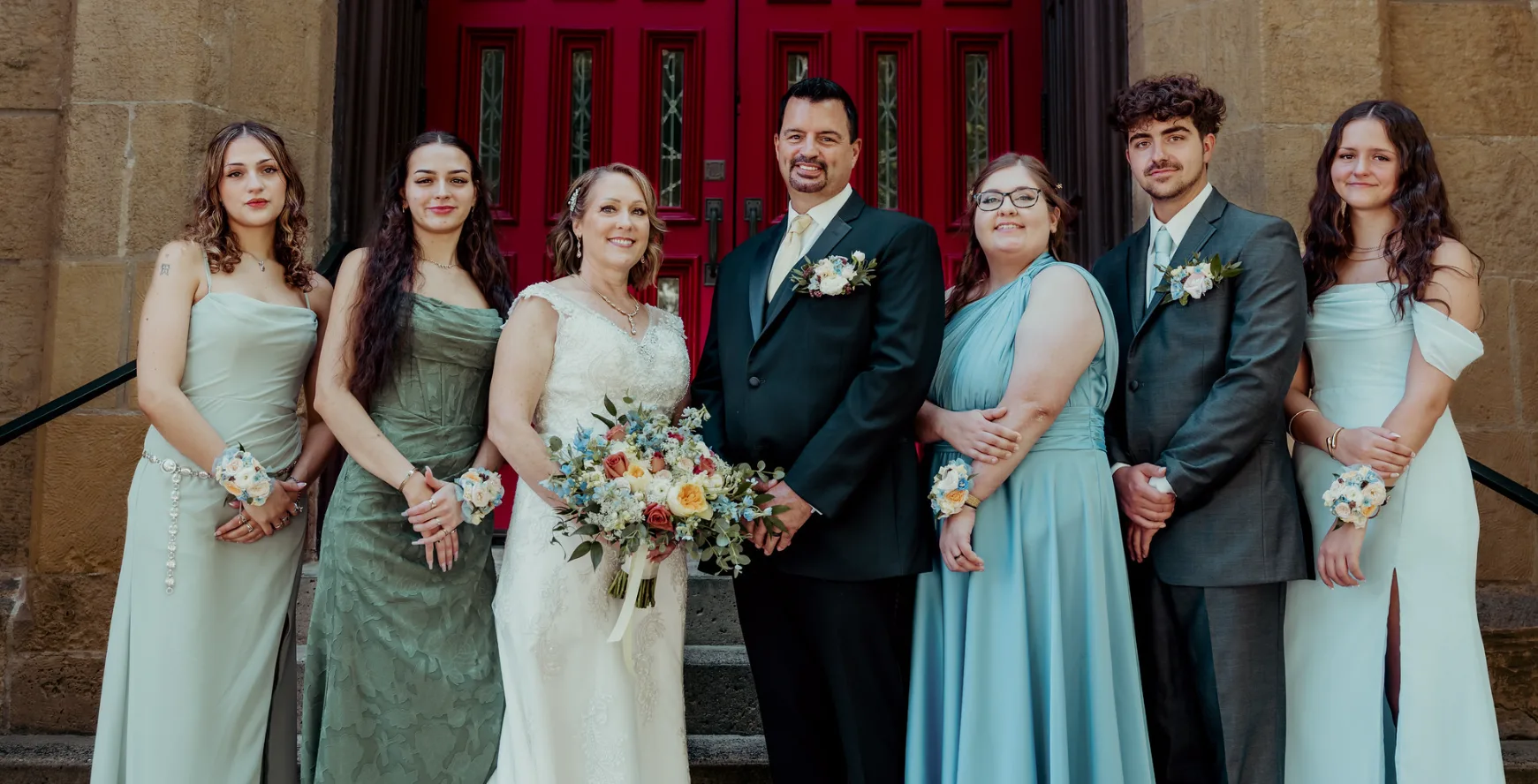
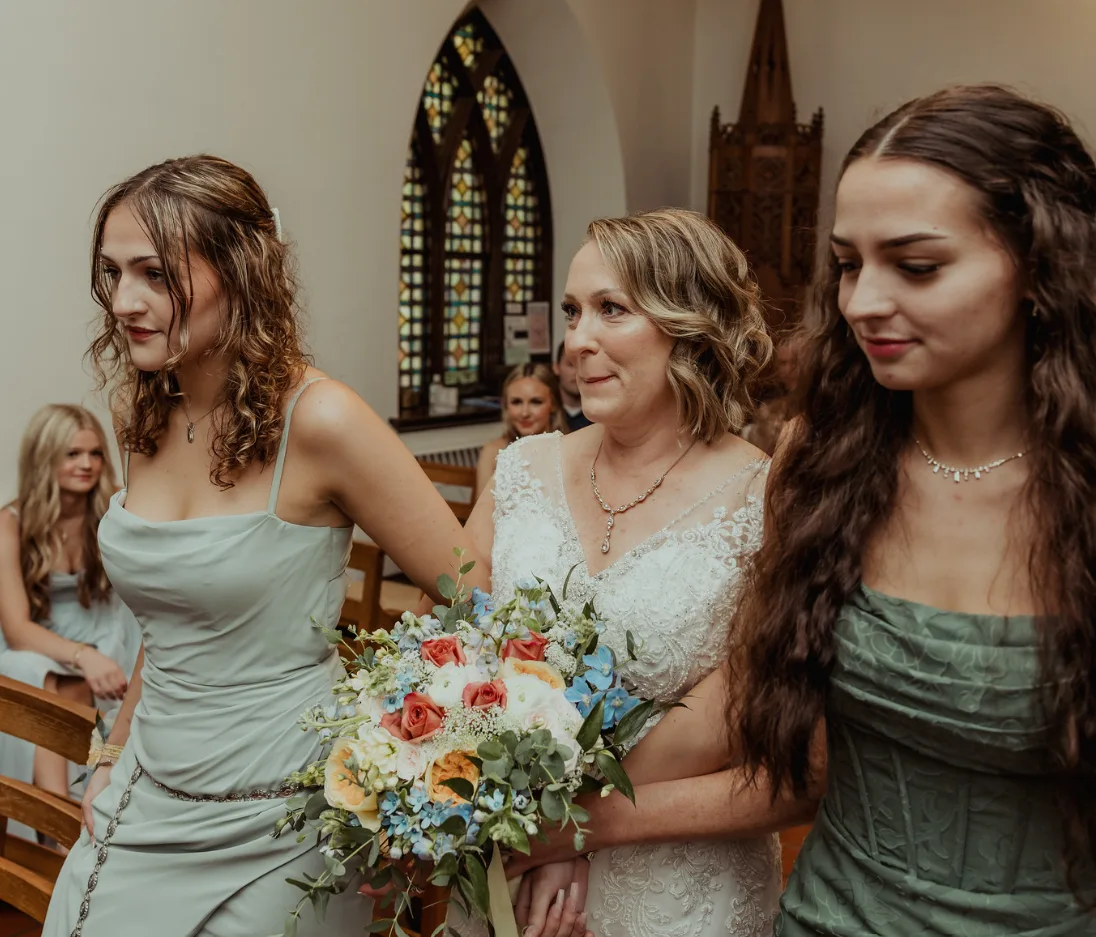
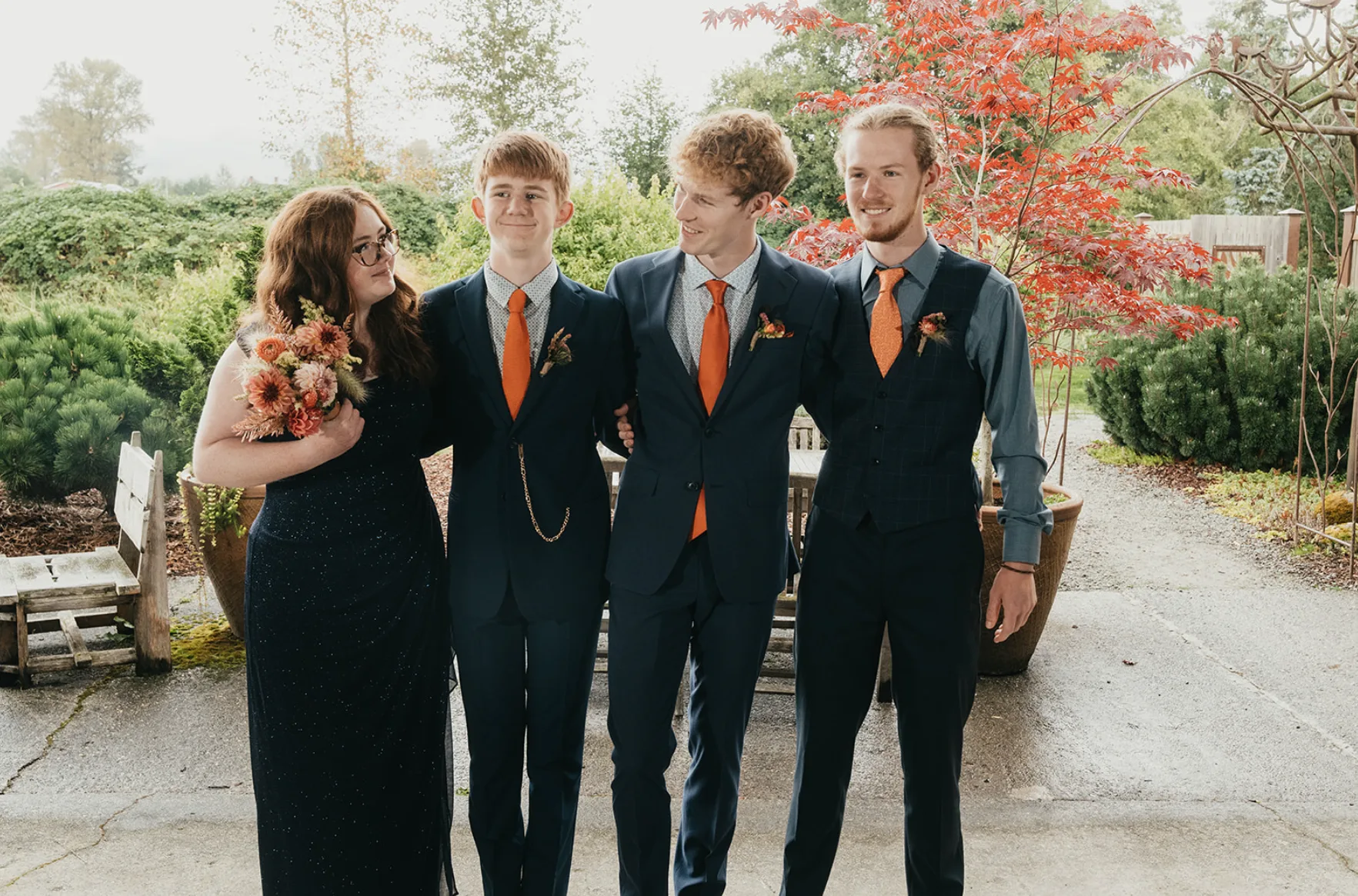
Traditional wedding roles can be creatively adapted to include older children, making them central to the ceremony’s narrative. Samantha Waldron of Dutcher Photography in Wisconsin captured the wedding of Gloria and Jerry, where their five adult children—two from Gloria’s previous marriage and three from Jerry’s—formed the entire wedding party. Gloria was escorted down the aisle by her two adult daughters, while Jerry’s two daughters walked him, and his son escorted Jerry’s mother. This arrangement not only honored the children’s significance but also visibly demonstrated the merging of families.
Waldron also draws from her personal experience, recalling how her then 8-year-old son walked her down the aisle at her remarriage, a moment that held profound importance for both her and her husband. She champions couples making vows not only to each other but also to their partner’s children, emphasizing that remarriage is a commitment to "the entire family that you’re creating together." Providing children with a tangible role, she notes, helps the day "feel cohesive and like they’ve been considered."
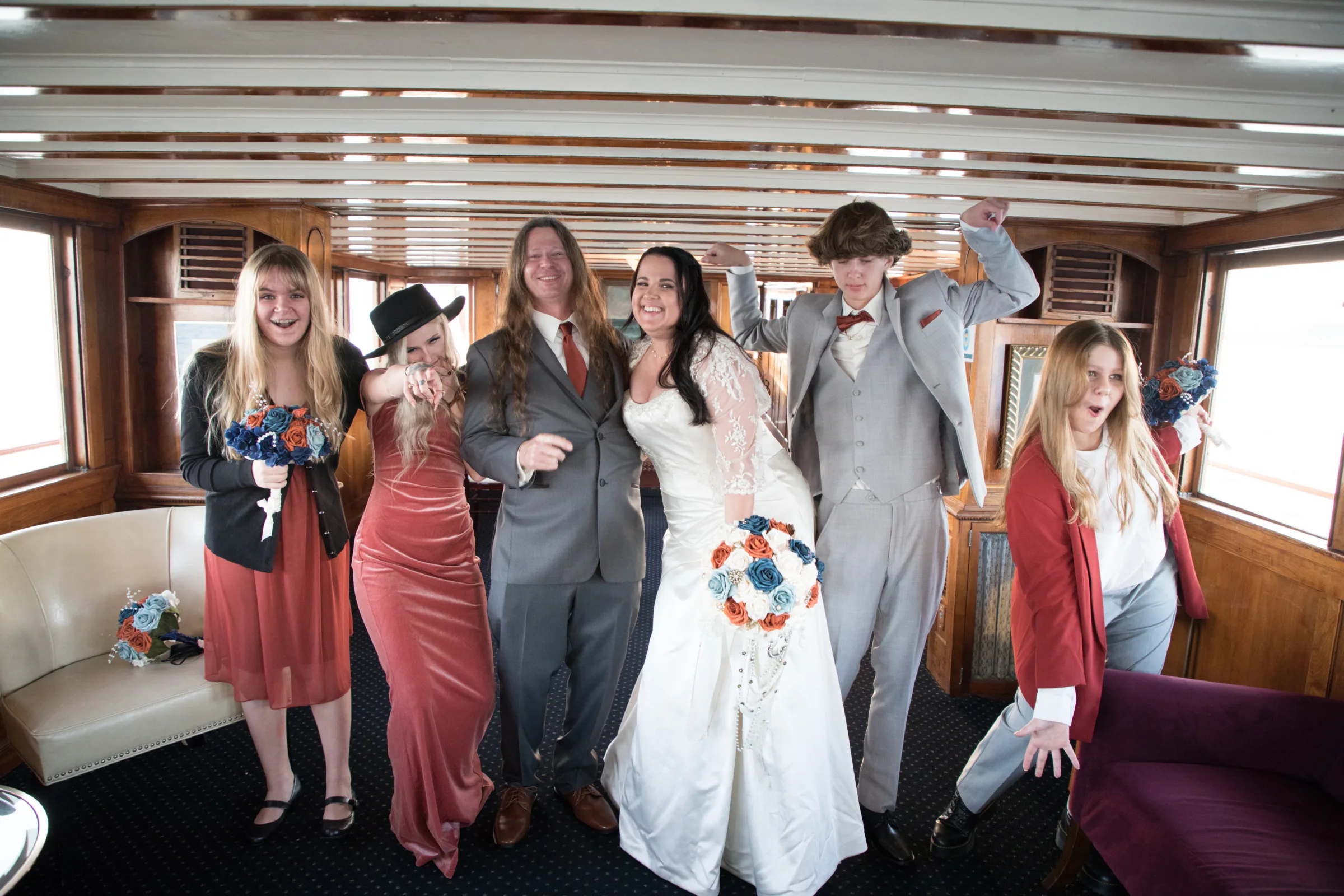
However, not all children are ready for such prominent roles, and forcing them can backfire. Jamie Buckley, a Seattle-based photographer with Jamie Buckley Photography, photographed a wedding where one partner brought three teenage sons and the other a teenage daughter. While two of the kids gave toasts, with one son famously remarking he’d "always wanted a sister and now he had one," Buckley’s overarching advice is to "meet your children where they are at." He cautions against trying to "force cute moments if the kids aren’t there yet," noting that performing a closeness that isn’t genuine can be detrimental. "There’s nothing wrong with kids being hesitant or reserved," he says. "If it’s meant to be, those moments will come eventually." This perspective underscores the need for empathy and patience, allowing relationships to unfold naturally rather than being dictated by wedding day expectations.
The Power of Words: Toasts and Readings (and When Not To)
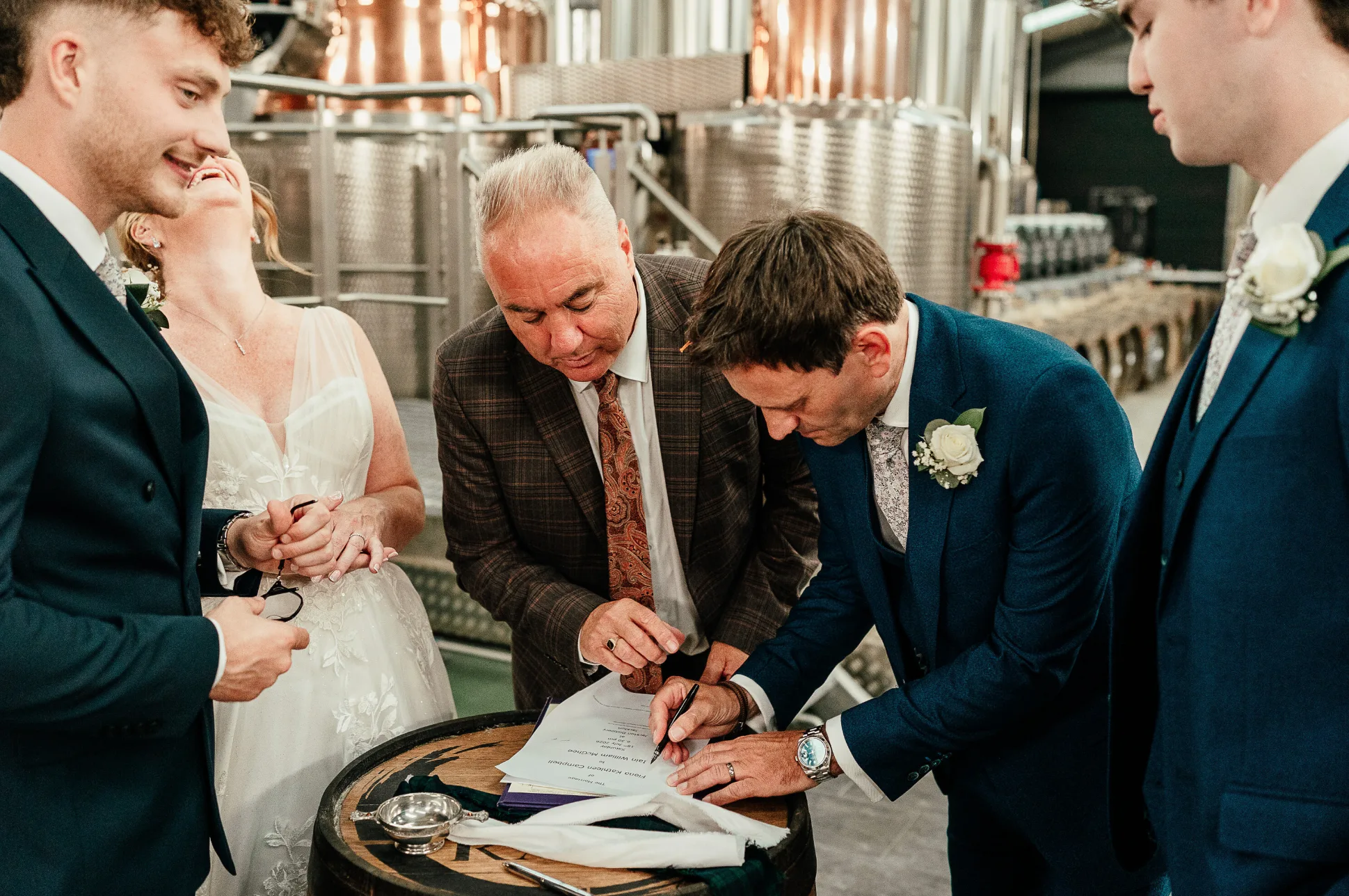
For children comfortable with public speaking, offering a toast or performing a reading can be a deeply meaningful role. Sarah Craig, a UK-based photographer from Joy Story, documented a second wedding for a couple in their fifties at a Scottish distillery. Both partners had children from previous marriages. The celebrant ingeniously used the distillery setting to draw a parallel, explaining that a blended family, like a blended whisky, "doesn’t dilute what came before." All three children had a role: the youngest delivered a reading that culminated in a warm hug, while the two adult children acted as official witnesses, signing the marriage schedule. Craig emphasizes that "the roles didn’t need to be big or performative; they just gave everyone a chance to be part of this new chapter as a family, rather than simply watching it happen." Her advice for couples concerned about pushback from older children is crucial: "Don’t assume adult children don’t want to be involved." The underlying complexity necessitates open, curious conversation as the best approach.
Unique Contributions: Leveraging Talents
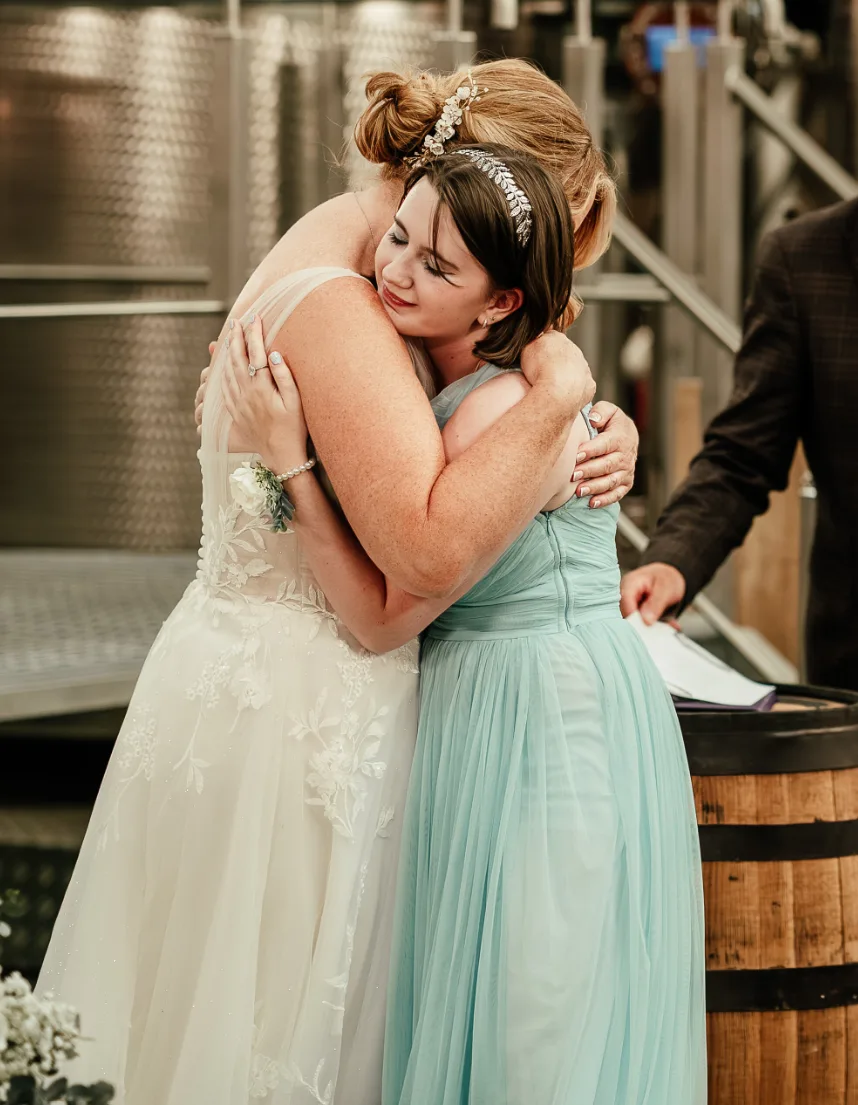
Sometimes, the most impactful involvement comes from allowing children to contribute a unique skill rather than assigning a formal role. Kathryn Cooper, a New York-based photographer with Kathryn Cooper Weddings, photographed a wedding where the bride’s teenage daughter sang during the ceremony. This personal contribution resonated deeply, making her feel involved without conforming to a traditional flower girl or junior bridesmaid role that the couple hadn’t wanted anyway. "She felt involved," Cooper observes, "and her parents were so proud." Cooper’s broader advice is to recognize that "your wedding doesn’t have to fit into a box anyway." She highlights a common mistake: assuming an older child’s feelings about the wedding are fixed. Instead, planning can become "a unique opportunity to spend time with someone you may not know as well as you’d like." This approach transforms potential discomfort into an avenue for connection and shared experience.
Symbolic Unity Rituals: Weaving Families Together
For children who prefer a less prominent, yet equally meaningful, role, symbolic unity rituals offer an excellent solution. Jen Sulak, the photographer behind Weirdo Weddings in the Dallas-Fort Worth area, captured Kevin and Candy’s wedding where every child in the blended family participated in a sand ceremony. Each child poured their own layer of colored sand into a shared vessel, symbolizing the merging of their individual lives into a new, unified family. Sulak notes that they "nearly overfilled the sand bottle," a visual metaphor for the abundance of love and connection. Her advice to couples is to "expect real emotion (in both directions!) and leave some space for that before, during, and after the wedding day." She strongly cautions against leaving kids out of the ceremony and reception planning entirely, reiterating that "having open, curious conversations about how they might be brought into the planning or wedding day itself, is such a unique gift."
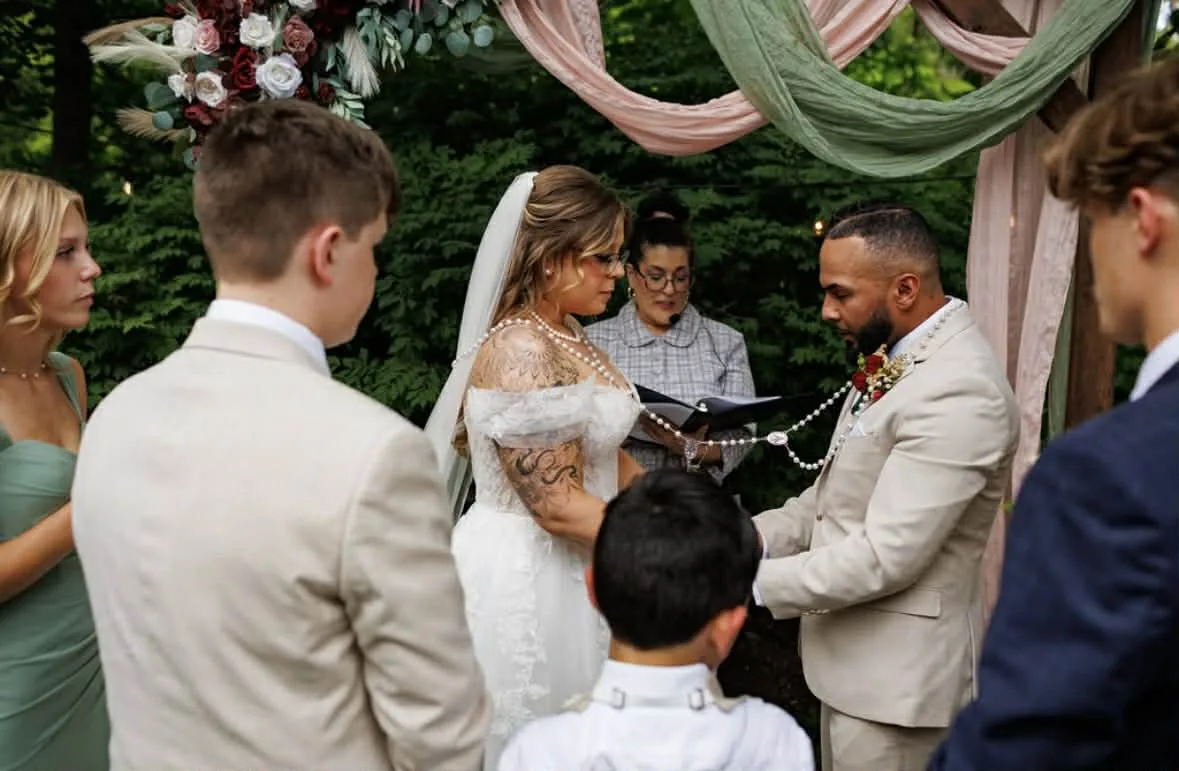
Another powerful example comes from Reenie Panzini, an officiant with I Do For All. She married Gabrielle and Eduardo, both of whom brought teenage children from previous relationships. The couple sought to involve all four teenagers without singling anyone out, as some were comfortable being front and center while others were not. They centered their ceremony around El Lazo, a Hispanic tradition where godparents typically drape a lasso or oversized rosary around the couple to symbolize support and unity. Panzini’s couple adapted this, having all four children walk the lazo up together, stand while the tradition was explained, then unwind it and carry it back to their seats. This offered a shared, non-verbal task that ensured collective involvement without demanding individual speeches or solo spotlights. Panzini reiterates the consistent advice: "You may think you know your children’s thoughts about taking part in the ceremony, but ask anyway." She identifies a significant "red flag" as parents drafting grown kids into doing wedding readings they never wanted to do, which can lead to projection issues, nerves, and flat delivery. Her preferred fix is to give them something tactile to do with their hands instead of their voices, such as a ring warming ceremony or carrying the lazo.
The Cornerstone: Open, Curious Communication
Across these diverse real-world examples and expert perspectives, a singular, powerful piece of advice emerges as the critical throughline: open, curious conversation. Every vendor, regardless of their specific role or the unique circumstances of the wedding they documented, emphasized the necessity of maintaining clear, empathetic, and ongoing communication with teens and adult children throughout the wedding planning process. This isn’t merely about informing them of decisions; it’s about actively soliciting their input, understanding their emotional landscape, and respecting their boundaries.
This approach acknowledges that each child’s journey with a parent’s remarriage is unique. Some may embrace the change with enthusiasm, while others might require more time, space, or subtle forms of inclusion. The key is to avoid assumptions, create a safe space for honest expression, and genuinely listen to their responses, even if those responses are "no" or "I’m not sure." The goal is not to force a perfect, picture-book blending of families, but to facilitate a process where everyone feels heard, valued, and ultimately, a part of the new family narrative being created.
Initiating Dialogue: Practical Conversation Starters
While every family dynamic is unique, certain conversation starters can help parents initiate these crucial dialogues with their teens and adult children without creating pressure or ambushing them. These questions are designed to be open-ended, inviting genuine responses and allowing room for evolving feelings:
- "We’re starting to think about our wedding, and we really want you to be a part of it. What are your initial thoughts or feelings about it?"
- "There are many ways people get involved in weddings. Is there anything specific you’d be excited about doing, or anything you’d definitely prefer not to do?"
- "Would you like to help us with any of the planning? Maybe something like choosing the music, tasting the food, or picking out decorations?"
- "We’re trying to imagine how the ceremony might feel for everyone. Is there anything you think would make it feel more special or comfortable for you?"
- "When we get married, we’re not just uniting as a couple, but also as a family. How do you envision your role in this new family chapter?"
- "We’re thinking about [specific role, e.g., giving a toast, doing a reading]. How does that sound to you? No pressure at all, just want to check in."
- "Is there anything that’s making you feel a bit nervous or unsure about the wedding? We want to hear it."
- "Is there anything we haven’t thought of that would make you feel more included or celebrated on the day?"
It is crucial to remember that these are not scripts but starting points. Children’s feelings and preferences can evolve, and the answer received in March might differ significantly by September. What truly matters is the consistent effort to ask, to remain curious, and to make "no" as welcome an answer as "yes." A wedding with one child enthusiastically front and center and three others quietly observing from the second row can be just as authentically a blended family celebration as one where every individual holds a candle or participates in a joint ritual. The specifics of a teen or adult child’s role are secondary to the underlying process of open, curious, and respectful communication surrounding their choices.
Broader Implications and The Future of Family Celebrations
The thoughtful inclusion of teens and adult children in blended family weddings has profound long-term implications for family cohesion and individual well-being. When children feel acknowledged, respected, and genuinely involved, it lays a stronger foundation for their acceptance of the new family unit. This proactive approach can mitigate potential resentments, foster stronger bonds between step-parents and step-children, and contribute to a more harmonious household dynamic post-wedding.
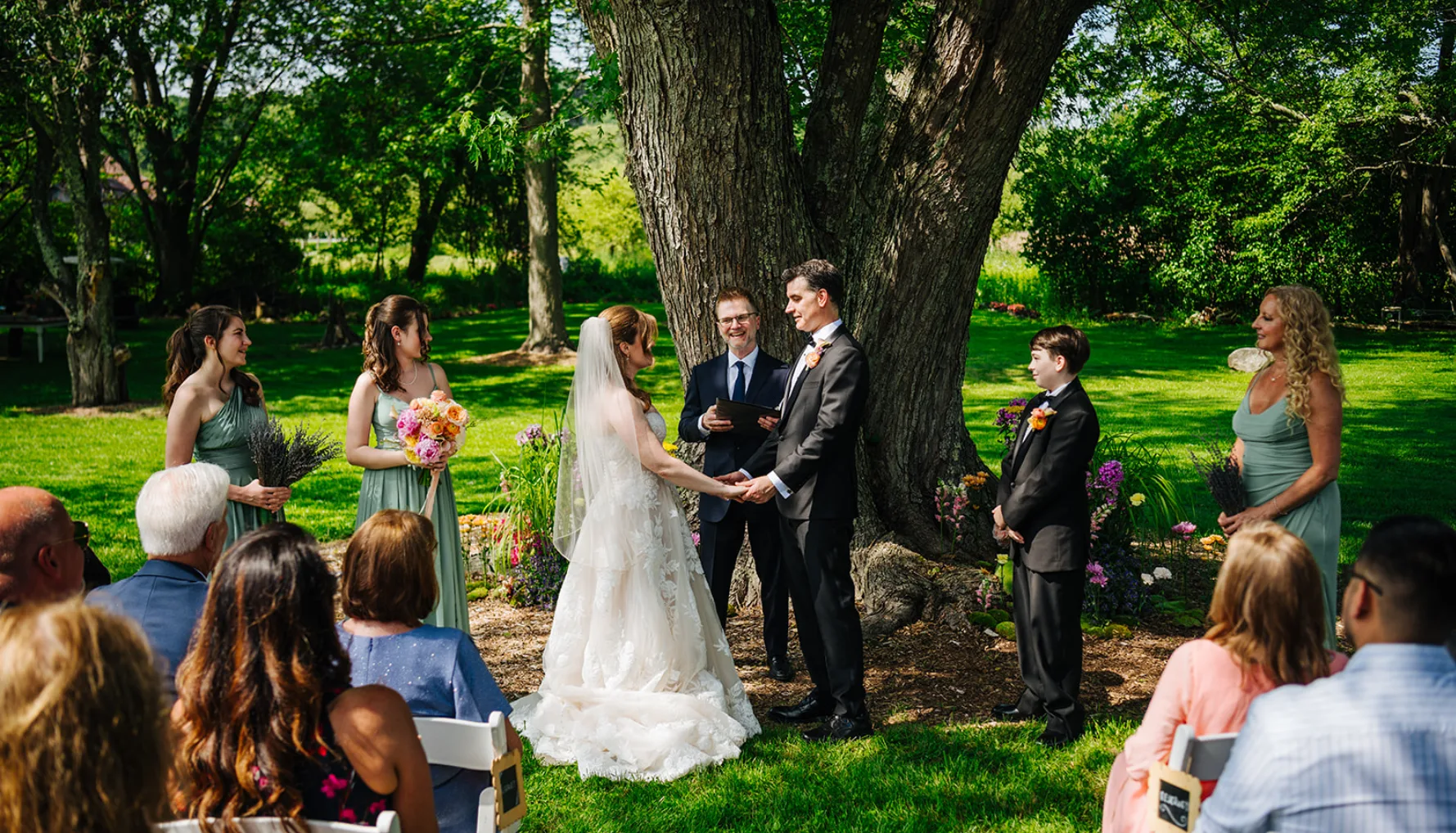
Furthermore, the evolving practices in blended family weddings reflect a broader societal shift in how we define and celebrate family. No longer bound by rigid traditional structures, modern weddings are increasingly becoming personalized celebrations that reflect the unique narratives and compositions of the families they unite. Wedding professionals are adapting their services to become more than just event planners; they are facilitators of family unity, guiding couples through the emotional complexities with sensitivity and creativity. The ultimate goal is to create a celebration that not only honors the love between two partners but also thoughtfully integrates and celebrates all members of the newly formed family unit, ensuring everyone feels valued and connected to this significant new beginning.