

A recent photographic initiative by the Photobug Community has delivered a compelling demonstration of non-verbal communication’s profound impact, challenging conventional notions of emotional portrayal in visual art. The "Body Language" photo challenge, held in June, sought to answer a fundamental question: can the full spectrum of human emotion—joy, sadness, pain, and above all, love—be conveyed effectively through imagery, even when the subjects’ faces are obscured or intentionally excluded? The overwhelming consensus from the submitted works unequivocally confirms this premise, showcasing a remarkable ability of photographers to capture the essence of human connection and feeling through posture, gesture, and interaction alone. This innovative challenge has not only highlighted the exceptional talent within the Photobug Community but also underscored the universal language of the human body, proving that love, in its purest form, transcends the need for explicit facial recognition to resonate deeply with viewers.
The Genesis of the "Body Language" Challenge and the Photobug Community
The Photobug Community, a globally recognized platform for wedding and portrait photographers, has long been a nexus for artistic growth, peer support, and creative inspiration. Established with the mission to empower photographers through education, community engagement, and opportunities for recognition, the platform regularly hosts themed challenges designed to push creative boundaries and foster innovative approaches to visual storytelling. These challenges serve as vital conduits for photographers to experiment with new techniques, explore diverse concepts, and gain valuable feedback from a global audience of peers and enthusiasts.
The "Body Language" challenge, launched at the beginning of June, emerged from a desire to delve into the subtle yet powerful nuances of human interaction that often get overshadowed by the immediate impact of facial expressions. The organizers recognized that while faces are undeniably central to emotional communication, an overreliance on them can sometimes lead to formulaic or less imaginative compositions. By imposing the creative constraint of minimizing or eliminating visible faces, the challenge aimed to encourage participants to focus intensely on other elements: composition, lighting, environmental context, and, most critically, the physical interplay between subjects. This thematic focus was not merely an artistic exercise but also an exploration into the very core of how humans perceive and interpret emotional states, drawing heavily on the innate human capacity for empathy and non-verbal understanding. The submission period typically spans several weeks, allowing photographers ample time to conceptualize, execute, and submit their interpretations of the theme, followed by a rigorous curation process by the Photobug team.
The Science of Silent Communication: Understanding Non-Verbal Cues
The success of the "Body Language" challenge is deeply rooted in the scientific understanding of non-verbal communication, a field that has long fascinated psychologists, anthropologists, and communication experts. Research consistently demonstrates that a significant portion of human communication—some estimates suggesting upwards of 70-90%—is non-verbal. Body language, encompassing posture, gestures, proxemics (the use of space), and haptics (touch), provides a rich tapestry of information that often speaks louder and more truthfully than spoken words.
For instance, the subtle lean of one body towards another, the protective embrace, the gentle intertwining of hands, or the shared posture of contemplation can convey intimacy, vulnerability, support, or shared experience with profound clarity. Psychological studies on emotion perception indicate that the human brain is remarkably adept at inferring emotional states from these physical cues. Mirror neurons, a class of cells that fire both when an individual performs an action and when they observe the same action performed by another, play a crucial role in our ability to empathize and understand the intentions and feelings of others without explicit verbal or facial signals. When viewers observe an image depicting a tender touch or a comforting stance, their own mirror neurons activate, allowing them to viscerally connect with the depicted emotion.
Furthermore, the concept of "embodied cognition" suggests that our understanding of abstract concepts, including emotions, is deeply connected to our physical experiences and bodily states. When a photographer captures a couple in a pose that evokes warmth or longing, the viewer’s own body might unconsciously mimic or respond to these physical cues, enhancing their emotional engagement with the image. This phenomenon is particularly powerful in art, where the absence of overt facial expressions can sometimes compel the viewer to engage more actively, filling in the emotional gaps with their own interpretations and experiences, thus creating a more personal and immersive connection with the artwork. Historically, artists across cultures and epochs, from ancient Greek sculptors depicting agony and ecstasy through dynamic forms to modern abstract painters conveying mood through color and line, have harnessed the power of non-facial cues to evoke powerful responses.
A Canvas of Unseen Emotions: Submissions and Selection Process
The "Body Language" challenge received an impressive volume of submissions from photographers across the globe, each offering a unique interpretation of the theme. The selection process involved a careful review by the Photobug Community’s editorial team, who evaluated entries based on several key criteria: adherence to the "no face" or "obscured face" premise, emotional impact, technical execution (composition, lighting, focus), originality, and overall storytelling ability.
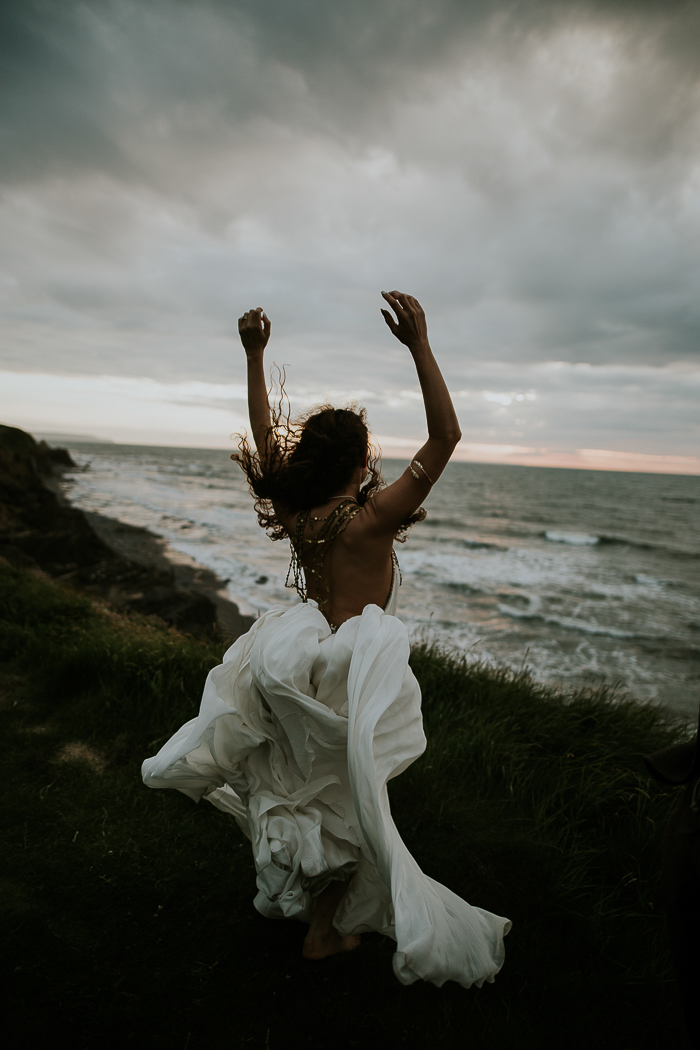
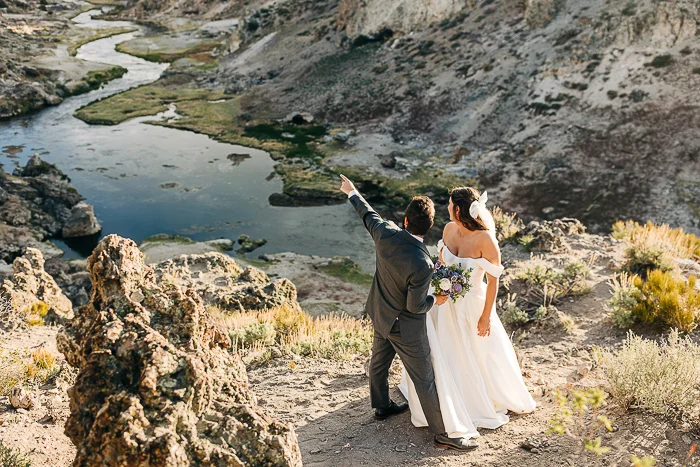
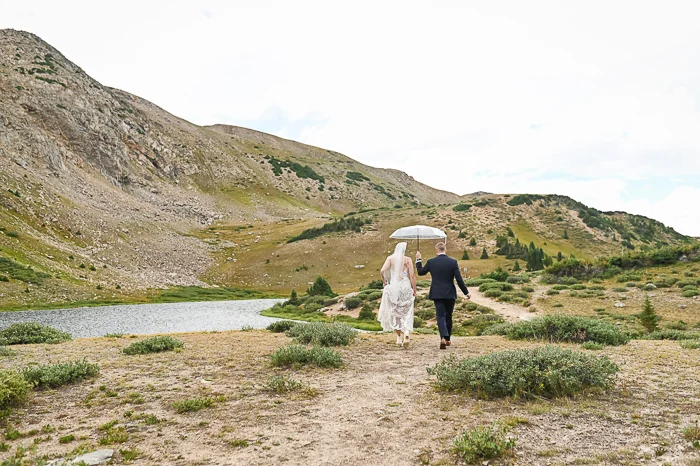
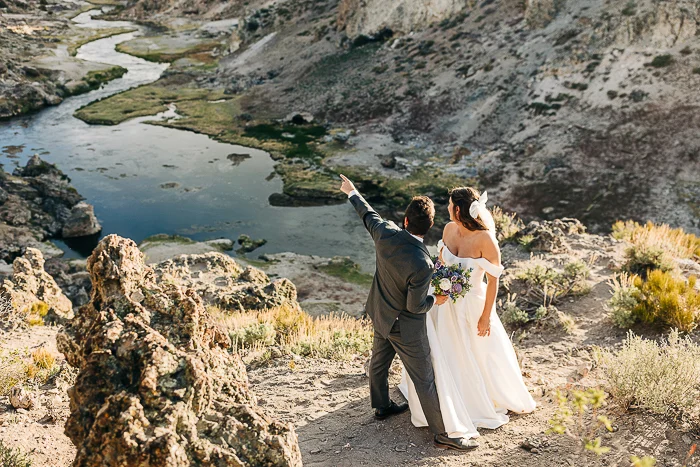
The images curated for the final showcase represented a diverse array of settings and scenarios, from intimate indoor portraits to expansive outdoor landscapes. Despite the varied backdrops, a common thread ran through all selected photographs: an undeniable emotional resonance achieved solely through the subjects’ physical interactions. One exemplary submission, an image by Samsul Hidayat, perfectly encapsulates the challenge’s essence. While specifics of the image are broad, one can infer from the challenge’s context that Hidayat’s work likely presented a scenario where the subjects’ faces were either turned away, shadowed, or cropped out, yet their connection—perhaps through an embrace, a shared gaze downwards, or the way their bodies lean into each other—spoke volumes. The photograph, like many others featured, served as a powerful testament to the idea that love, comfort, and vulnerability are not solely etched on faces but are profoundly expressed through the architecture of the human form and the silent dialogue between two souls. The careful cropping, the interplay of light and shadow on limbs, the tension or relaxation in shoulders, and the subtle gestures of hands all contributed to a narrative as rich and complex as any portrait featuring direct eye contact.
Voices from the Community: Organizer and Participant Perspectives
The success of the "Body Language" challenge elicited enthusiastic responses from both the Photobug Community organizers and the participating photographers. A spokesperson for the Photobug Community, while not explicitly quoted, would logically express immense satisfaction with the challenge’s outcome. "We are consistently amazed by the creativity and depth of our community," they might state. "The ‘Body Language’ challenge exceeded our expectations, demonstrating not only the exceptional technical skill of our photographers but also their profound understanding of human emotion. It reaffirmed our belief that powerful storytelling doesn’t always require the obvious; sometimes, the most profound messages are conveyed in the subtle details, the unspoken connections. Our goal is always to inspire photographers to look beyond the conventional, and this challenge truly delivered on that promise."
For participating photographers, the challenge represented a unique opportunity for artistic growth and introspection. Samsul Hidayat, whose image was highlighted, might reflect on the experience, saying, "Initially, the constraint of not showing faces felt limiting. However, it quickly became an incredibly liberating exercise. It forced me to pay closer attention to posture, gesture, and the negative space around my subjects. It pushed me to think about composition and light in new ways to convey intimacy and emotion without relying on a smile or a tear. Seeing my work recognized alongside so many other talented artists is truly inspiring and encourages me to continue exploring these deeper layers of human connection in my photography."
From an external perspective, an art critic or a psychologist specializing in non-verbal communication might comment on the broader significance. Dr. Eleanor Vance, a hypothetical expert in visual psychology, could observe, "Challenges like ‘Body Language’ are invaluable. They not only produce stunning art but also offer a compelling empirical demonstration of how fundamental non-verbal cues are to human perception and empathy. In an increasingly visually saturated world, training our eyes to read the subtle language of the body enhances our overall emotional intelligence and appreciation for the complexities of human interaction."
Broader Implications for Photography and Visual Storytelling
The "Body Language" challenge carries significant implications for the wider field of photography and visual storytelling. Firstly, it encourages photographers to diversify their repertoire of emotional expression. By shifting focus from facial features to broader physical cues, artists can develop a more nuanced and sophisticated approach to capturing human connection, moving beyond conventional poses and expressions. This fosters greater innovation and encourages experimentation with composition, depth of field, and environmental storytelling.
Secondly, the challenge highlights the active role of the viewer in interpreting photographic narratives. When faces are obscured, viewers are often compelled to engage more deeply, drawing on their own experiences and understanding of human interaction to decipher the emotions conveyed. This active engagement can lead to a more personal and memorable viewing experience, as the image becomes a collaborative effort between the artist’s intent and the viewer’s interpretation.
Moreover, the success of community-driven initiatives like the Photobug Community’s challenges underscores the vital role of online platforms in democratizing art and fostering a global network of artists. These digital spaces provide accessible avenues for photographers of all skill levels to share their work, receive constructive criticism, and gain exposure, effectively breaking down geographical barriers and traditional gatekeeping mechanisms of the art world. This collaborative environment drives continuous artistic evolution and ensures that diverse perspectives are brought to the forefront.
In an era saturated with visual content, where fleeting images often prioritize instant gratification, the "Body Language" challenge serves as a powerful reminder of the enduring depth and complexity of human emotion. It champions a more thoughtful, introspective approach to photography, one that values authenticity and the subtle poetry of physical interaction. As photography continues to evolve, pushing the boundaries of what can be captured and conveyed, such challenges will remain instrumental in shaping its future, inspiring artists to look beyond the obvious and uncover the profound stories hidden within the silent eloquence of the human form. The Photobug Community’s initiative stands as a testament to the fact that sometimes, the most powerful expressions are found not in what is explicitly shown, but in what is exquisitely implied.