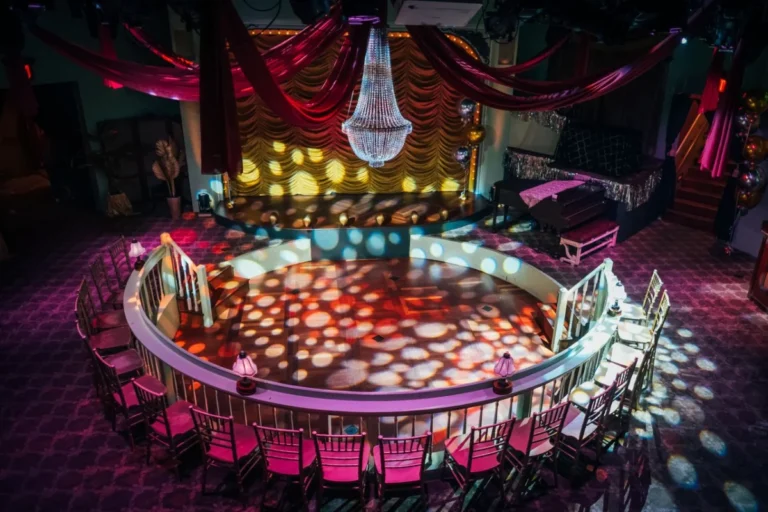


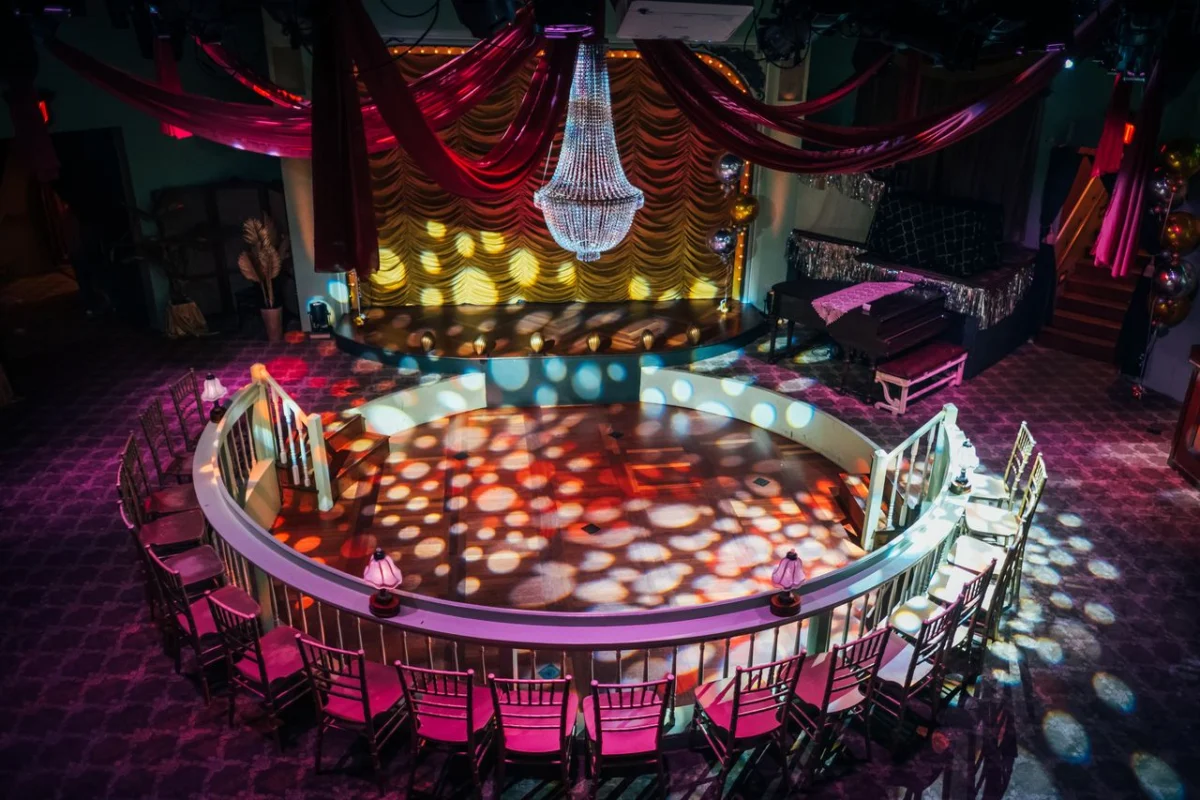
The modern wedding planning journey often begins with an online search, a hopeful scroll through meticulously curated portfolios, and the anticipation of finding the perfect venue or service. Yet, for countless couples, this digital exploration frequently culminates in a familiar point of frustration: the elusive price tag. Instead of clear figures, prospective clients are met with the ubiquitous "contact us for a custom quote," a phrase that, while seemingly innocuous, often initiates a prolonged and ultimately inefficient process. This common scenario typically unfolds with a couple identifying a promising venue online—one with appealing aesthetics, a suitable layout for their guest list, and a distinctive ambiance. After engaging in a multi-day email exchange and a subsequent forty-minute phone call, often including a virtual tour or a discussion about their Pinterest mood board, the actual cost is finally revealed, only to be double their entire wedding budget.
This isn’t a narrative of intentional wrongdoing. Both parties often act with good faith; the venue is responsive, the couple is polite. However, this extended interaction, consuming valuable time for both vendor and client, ultimately delivers information that a single, transparent line of text could have conveyed instantly and without cost. This prevailing practice of price opacity within the wedding industry is increasingly being scrutinized, not merely as an inconvenience, but as a significant barrier to efficiency, accessibility, and genuine connection in a rapidly evolving digital marketplace.
The Historical Roots of Price Obscurity in the Wedding Industry
The tradition of concealing pricing in the wedding sector is not accidental; it’s largely an inherited practice, deeply embedded in the industry’s historical business models and the perceived value of bespoke services. For decades, wedding planning was a highly personalized affair, often involving in-person consultations where vendors would "sell the experience" before discussing numbers. The belief was that by building rapport and demonstrating value first, the sticker shock of a potentially high price would be mitigated. This approach fostered a relationship-first sales model, where the vendor’s ability to connect and understand a couple’s vision was paramount.
Furthermore, the architecture of mainstream wedding directory platforms, such as The Knot, WeddingWire, and Zola, has historically reinforced this opacity. These platforms primarily generate revenue through inquiries, not confirmed bookings. A couple compelled to "contact for a quote" to ascertain basic pricing information registers as a lead, regardless of their budget alignment or ultimate conversion. From the platform’s perspective, a visible price that allows a couple to self-qualify out before initiating contact represents a "lost lead" and, consequently, lost potential revenue. Many vendors, building their digital presence on or around these platforms, adopted this norm, often without critically examining its long-term efficacy or impact on client experience. This created a default industry standard where hidden pricing became an unquestioned component of online vendor listings, even as consumer expectations began to shift dramatically.
The Modern Consumer: A Demand for Digital Clarity and Efficiency
Today’s wedding clientele, particularly younger generations like Gen Z and Millennials, operate within a vastly different commercial landscape. These digital natives have grown accustomed to instant information, transparent pricing across most retail sectors, and the ability to conduct thorough research and comparison shopping online. The "call for pricing" model, therefore, feels anachronistic and inefficient. Research consistently indicates a strong preference for clarity and directness. A 2023 study by Shopify, for instance, highlighted that 73% of consumers prefer to shop with brands that are transparent about their pricing, product sourcing, and business practices. For couples embarking on the often-stressful journey of wedding planning, the added hurdle of protracted communication simply to ascertain fundamental cost information is a significant deterrent.
Beyond general consumer preference, the issue of hidden pricing increasingly intersects with accessibility and inclusivity. The assumption that all clients are willing, able, and prefer to engage in a lengthy verbal sales process ignores the diverse communication styles and cognitive needs of a broad demographic. As the original article astutely points out, recent research from Understood.org reveals that Gen Z respondents are significantly more likely than older generations to report a learning or thinking difference. Specifically, 30% of Gen Z reported such differences, compared to 14% of Gen X and 6% of Boomers, with an even sharper divergence in ADHD diagnoses (25% for Gen Z versus 9% for Gen X and 2% for Boomers). Some studies even suggest that over half of Gen Z identifies as neurodivergent. For individuals with neurodivergent traits, ambiguous social sales processes can be particularly challenging and anxiety-inducing. They often thrive on clear, structured information, preferring to process details at their own pace rather than navigate the nuances of a live sales conversation. Treating "call for pricing" as a universal default inadvertently creates a significant barrier for a growing segment of the population that values directness and explicit information.
The Strategic Advantage: Building Trust and Streamlining Operations
The conventional wisdom behind "call for pricing" posits that it allows vendors to build rapport and justify higher costs before the "sticker shock" sets in. In practice, however, this strategy often backfires, wasting considerable time and resources for both parties. Many prospective clients interpret "contact us for pricing" as a red flag, immediately assuming the cost is prohibitive or intentionally obscured. This triggers the common adage, "if you have to ask, you can’t afford it," leading a significant number of potential clients to disengage without ever making contact. Those who do inquire often do so out of necessity, not genuine interest in a sales conversation, simply because it’s the only path to obtaining basic information.
For vendors, this translates into a deluge of unqualified leads. Sales teams or business owners spend valuable hours engaging in calls and email exchanges, meticulously building rapport and outlining services, only to discover that the client’s budget was never aligned. Imagine a venue conducting five forty-minute sales calls daily, only for three of those leads to drop out due to price incompatibility. That’s two hours of unproductive time daily, cumulatively adding up to hundreds of hours annually that could be dedicated to actual bookings, service delivery, or business development. A visible starting price, even a range, acts as an efficient pre-qualification filter. It allows couples to self-select, ensuring that only those whose budgets are potentially aligned move forward to the inquiry stage. This not only dramatically improves the quality of leads but also fosters immediate trust. Transparency signals honesty and respect for a client’s time, establishing a foundational level of confidence faster than any sales pitch could.
The AI Imperative: Visibility in the Algorithmic Age
Beyond human interaction, the increasing reliance on artificial intelligence (AI) tools for information retrieval and recommendation presents another compelling argument for price transparency. Couples are increasingly leveraging AI chatbots and smart search engines to shortlist vendors, compare options, and streamline their wedding planning research. These AI tools operate by parsing vast amounts of structured data, identifying patterns, and extracting specific, factual information related to budget, guest count, style, location, and, crucially, price.
A vendor whose pricing is hidden behind a "contact form" becomes effectively invisible to these AI bots. When an AI model encounters a listing that merely states "contact us for pricing," it has no concrete data point to process, cite, or recommend. It cannot integrate that vendor into a curated list based on a user’s specified budget parameters. Conversely, a visible starting price, clearly stated as plain text (rather than embedded in an image or a PDF document), provides the precise kind of structured data that AI models can readily interpret and utilize. This makes the business not only more accessible to neurodivergent Gen Z couples but also significantly more legible and discoverable to the intelligent algorithms that are increasingly influencing consumer decisions. As AI capabilities advance, the ability for a business to be "AI-legible" will become a critical differentiator in online discoverability, potentially opening new avenues for lead generation that traditional marketing methods cannot capture. Vendors who embrace transparent, structured pricing are future-proofing their businesses against an evolving digital landscape.
Addressing Vendor Concerns: Customization vs. Transparency
It is important to acknowledge that some vendors genuinely believe their services are inherently bespoke, making a fixed price difficult to display. They argue that each wedding is unique, requiring a customized quote tailored to specific needs, and fear that displaying a starting price might commoditize their offering or misrepresent the full scope of their services. This concern is valid, particularly for highly specialized or luxury vendors. However, transparency does not equate to publishing a full, itemized rate card for every possible permutation of services.
Instead, vendors can adopt strategies such as displaying a "starting at" price, a clear price range for common packages, or a basic package price with explicit notes about potential add-ons and customization. For example, a wedding planner might list "Full-Service Planning: Starting from $X,XXX," while a venue could state "Venue Rental Fees: $Y,YYY – $Z,ZZZ depending on season and day of the week." This approach allows vendors to maintain their consultative sales process for customization and upselling, but only after the client has self-qualified based on an initial budget alignment. It ensures that valuable sales conversations are reserved for genuinely interested and financially aligned prospects, optimizing the vendor’s time and expertise. This nuanced transparency builds trust by providing initial clarity without sacrificing the ability to offer highly personalized services.
The Broader Impact: Reshaping the Wedding Marketplace
The shift towards greater price transparency in the wedding industry represents more than just a minor operational adjustment; it signifies a modernization of business practices that aligns with contemporary consumer expectations and technological advancements. The implications are far-reaching, benefiting all stakeholders in the wedding ecosystem.
For couples, transparency translates to a significantly improved planning experience. It reduces stress, allows for more accurate budget management from the outset, and empowers them to make informed decisions more efficiently. This leads to higher satisfaction levels and a more positive perception of the industry as a whole.
For vendors, the benefits are multi-faceted. They include a marked increase in lead quality, a substantial reduction in the time spent on unqualified inquiries, and a higher conversion rate for genuine prospects. Transparent pricing also acts as a powerful brand differentiator, positioning vendors as trustworthy, customer-centric, and forward-thinking in a competitive market. It streamlines internal processes, freeing up resources that can be reallocated to enhancing service delivery, innovation, or staff development.
Ultimately, an industry that embraces price transparency fosters a more efficient, equitable, and accessible marketplace. It moves away from outdated practices that prioritize lead volume over lead quality and towards a model that respects the time and diverse needs of both vendors and clients. As the digital landscape continues to evolve, vendors who proactively adopt transparent pricing will not only enhance their bookings but also contribute to a more positive and productive future for the entire wedding industry.