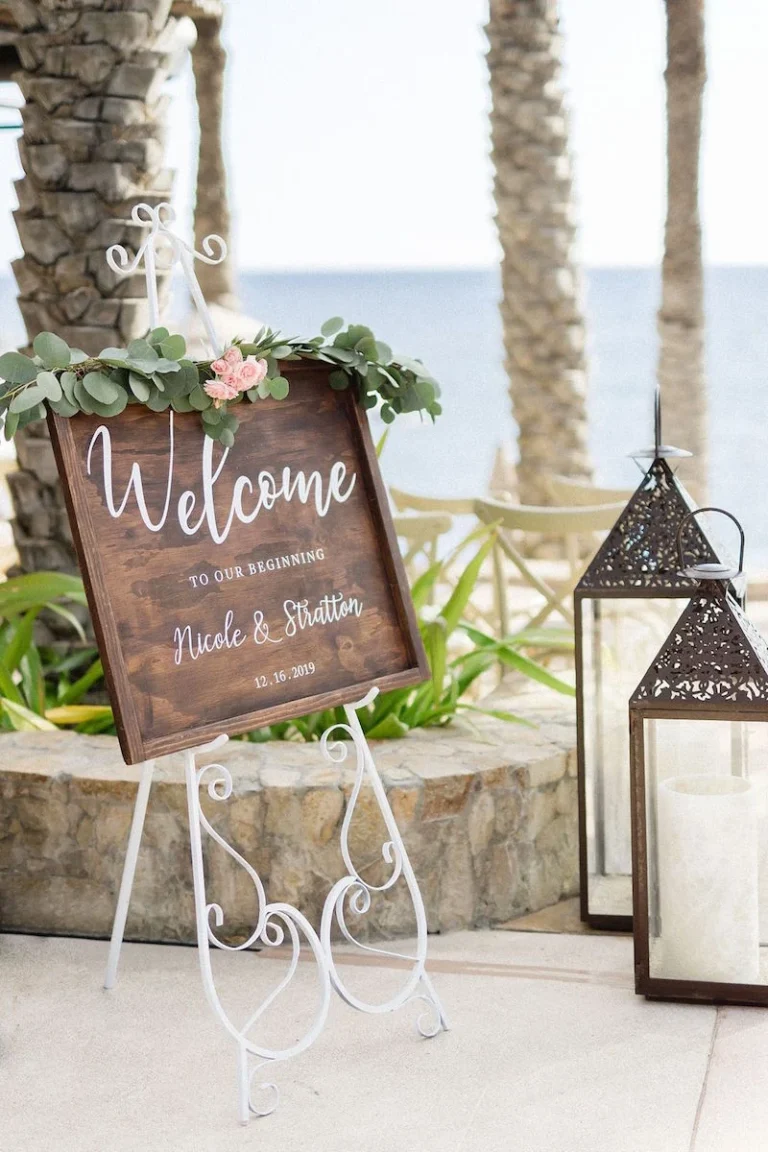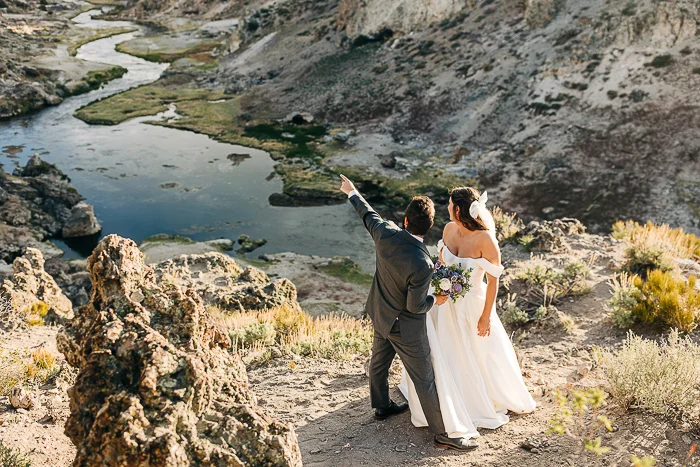




The allure of a destination wedding, exchanging vows against a breathtaking backdrop, is a dream for many couples. However, transforming this vision into reality requires meticulous planning, especially when the ceremony venue is far from home. The initial excitement of selecting a picturesque location must be followed by a thorough investigation of the available resorts and their offerings. To streamline this critical research phase and ensure couples make informed decisions, understanding the right questions to pose to potential wedding resorts is paramount. By gathering comprehensive answers to these ten key inquiries, couples can confidently select the perfect venue to host their unforgettable celebration.
The Strategic Advantage of Proactive Inquiry
The trend of destination weddings has seen a significant surge in recent years, with couples seeking unique and memorable experiences. According to The Knot’s 2023 Real Weddings Study, approximately 20% of couples opt for a destination wedding, a figure that has remained robust. This growing popularity has led many resorts to specialize in hosting such events, developing packages and services tailored to the needs of out-of-town nuptials. However, the nuances of planning a wedding from afar necessitate a deeper dive than simply browsing brochures. Proactively asking targeted questions can prevent unforeseen costs, logistical nightmares, and ultimately, disappointment. The following ten areas represent crucial points of inquiry that can significantly ease the planning process and pave the way for a seamless wedding experience.
Unpacking the Resort’s Wedding Services and Amenities
When considering a destination wedding resort, couples are essentially entrusting a significant life event to the venue’s management. Therefore, a clear understanding of what is included, what is an additional cost, and what services are available is essential.
1. Honeymoon Packages: Extending the Celebration
A common and often attractive offering from destination wedding resorts is the inclusion of honeymoon packages. For couples who have invested considerable resources in bringing guests to a specific location, the prospect of extending their stay at the same resort at a discounted rate is highly appealing. These packages can significantly reduce the cost and complexity of planning a separate honeymoon, allowing couples to transition directly from wedding festivities to newlywed relaxation. It is advisable to inquire about the specifics of these packages, including duration, inclusions, and any blackout dates, to assess their suitability and budgetary impact. Many resorts recognize that couples are already invested in the location and aim to provide a seamless transition into their honeymoon phase, often at preferential rates compared to booking independently.
2. Room Block Discounts: Accommodating Your Guests
A significant component of destination wedding logistics involves securing accommodation for guests. Even for intimate ceremonies with 20-30 attendees, a substantial number of room nights will be required. Engaging with resort representatives about the possibility of a room block discount is crucial. Negotiating a reduced nightly rate for a predetermined number of rooms can make the trip more financially accessible for your guests, fostering higher attendance. Before entering negotiations, it is prudent to research average hotel rates in the chosen destination to establish a benchmark for comparison. This due diligence will empower you to advocate for favorable pricing. Industry data suggests that securing a room block can often lead to savings of 10-20% per night for guests, depending on the season and the resort’s occupancy levels.
3. On-Site Wedding Planner: Expertise at Your Fingertips
Many resorts that frequently host weddings offer the invaluable service of an on-site wedding planner. This individual possesses intimate knowledge of the resort’s grounds, its capabilities, and its established vendor relationships. Having a planner who is intimately familiar with the venue can streamline countless decisions, from optimizing the use of available spaces for the ceremony and reception to coordinating with catering and décor. This insider expertise is a significant advantage over engaging an external planner who may need to learn the venue’s intricacies from scratch. The inclusion of a planner within the event fees can represent substantial savings and a reduction in stress for the couple.
4. Rental Supplies: Essential Items for Your Event
Destination weddings present a unique logistical challenge: transporting all necessary wedding supplies. Items such as chargers, decorative candles, and specialty linens are often impractical or impossible to carry on a plane. Therefore, inquiring about the resort’s inventory of rental supplies is essential. If the resort does not provide these items, couples will need to research and contract with local event rental companies. The ease of renting directly from the resort, or from a company with established delivery and pick-up services to the venue, can simplify the process considerably. This avoids the potential complications of coordinating deliveries from multiple external vendors.
5. In-House Catering Services: Culinary Delights
The culinary experience is a cornerstone of any memorable wedding. Resorts with established in-house restaurants or dedicated catering departments can offer a comprehensive range of dining options, from plated dinners and buffet services to in-suite breakfasts for guests and a dedicated bartender for the reception. It is imperative to clarify whether these catering services are included in the initial event fees or constitute an additional expense. Understanding the scope of their culinary offerings, including menu customization options and tasting appointments, is vital for planning a gastronomic experience that aligns with your vision and budget.
6. Other Scheduled Events: Ensuring Exclusivity and Ambiance
To ensure a seamless and uninterrupted wedding experience, it is advisable to inquire about any other significant events scheduled at the resort concurrently with your wedding date. Knowing if other large-scale events are planned can help you gauge the potential for crowds, noise levels, and the overall busyness of the property. This information can inform your expectations and allow you to discuss with the resort how they manage guest flow and privacy to ensure your wedding remains the focal point. Resorts committed to providing exceptional experiences will have protocols in place to minimize any potential interference between events.
7. Local Weather Patterns: Planning for the Elements
Understanding the typical weather patterns of your chosen destination is fundamental to effective planning. Inquiring about the climate, including average temperatures, rainfall, and humidity levels for your intended wedding season, will inform critical decisions regarding indoor versus outdoor venues for the ceremony, reception, and any pre- or post-wedding activities. For instance, a destination known for consistent sunshine might encourage an open-air reception, while a region prone to unpredictable showers would necessitate robust indoor contingency plans. This knowledge empowers couples to select appropriate attire, décor, and even entertainment options that are suited to the local climate.
8. In-House Photographer: Capturing Your Special Moments
The preservation of wedding memories through photography is paramount. Some popular destination wedding resorts may offer the convenience of an in-house photographer, who is familiar with the venue’s most picturesque spots and best lighting conditions. This can simplify the vendor selection process and ensure a cohesive photographic style. However, it is also important to note that smaller or less specialized hotels might not have this service readily available. If an in-house photographer is not offered, couples will need to research and book an external professional, ensuring they are comfortable with their portfolio and their experience with destination weddings.
9. DJ Services: Setting the Tone and Flow
While some couples might consider curating their own playlists, the role of a professional DJ extends far beyond simply playing music. A skilled DJ can expertly manage the flow of the reception, from cueing the bridal party’s entrance and coordinating background music during dinner to facilitating toasts and announcements. Many resorts may only provide basic sound systems, leaving the musical direction entirely to the couple. Inquiring about whether a DJ service is offered, or if they have preferred vendor lists, can ensure that your reception has a professional MC who can elevate the guest experience and keep the celebration on track.
10. Payment Plans: Managing Financial Commitments
Destination weddings can represent a significant financial undertaking, with costs often running into tens of thousands of dollars. Understanding the resort’s payment structure and inquiring about the availability of payment plans is a practical and essential step. Many venues are willing to work with couples to establish a payment schedule that breaks down the total cost into manageable installments, rather than requiring the entire sum upfront. This flexibility can alleviate financial pressure and allow couples to budget more effectively in the lead-up to their wedding day.
The Broader Implications and Future Trends
The meticulous planning required for a destination wedding underscores a broader trend in the event industry: the increasing desire for personalized and experiential celebrations. Couples are no longer content with cookie-cutter events; they seek experiences that reflect their unique personalities and create lasting memories. Resorts that cater to this demand by offering comprehensive services, flexible packages, and a high level of customer service are poised to thrive.
The strategic questioning outlined above not only benefits the couple by ensuring their needs are met but also provides valuable feedback to resorts. This iterative process of inquiry and response helps venues refine their offerings and better serve the growing market of destination wedding couples. As the industry evolves, we can anticipate further innovation in resort packages, including more integrated technology solutions for virtual planning and communication, and an increased emphasis on sustainability and local cultural immersion.
Ultimately, the success of a destination wedding hinges on thorough research and clear communication. By approaching potential resorts with a well-defined set of questions, couples can navigate the complexities of planning from afar with confidence, ensuring their dream wedding day unfolds seamlessly and beautifully. The investment in this proactive planning phase is an investment in peace of mind and the creation of cherished memories that will last a lifetime.