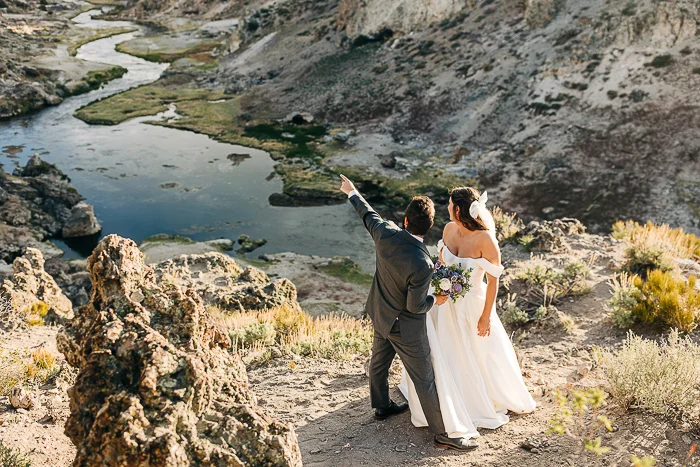




After navigating the intricate landscape of wedding planning—from selecting the perfect dress and securing a dream venue to meticulously crafting seating charts and finalizing floral arrangements—couples often encounter a final, significant hurdle: choosing their honeymoon destination. This decision, often overlooked in the flurry of pre-nuptial logistics, frequently leads to a phenomenon known as honeymoon decision paralysis, a common yet under-discussed challenge in the bridal journey. The sheer volume of idyllic possibilities, from sun-drenched beaches to historic cityscapes, can transform an exciting prospect into an overwhelming dilemma, leaving couples no closer to an answer despite hours of research across countless browser tabs and overflowing Pinterest boards.
The Ubiquity of Decision Paralysis in Post-Wedding Planning
The journey to "I do" typically involves an astonishing number of decisions, often estimated to be between 200 and 300, ranging from major contractual agreements to minute aesthetic details. By the time couples reach the honeymoon planning stage, their decision-making faculties are often exhausted. This fatigue, coupled with the unbounded nature of global travel options, creates fertile ground for choice overload. Unlike venue selection, which is geographically constrained, honeymoon destinations are literally worldwide, presenting an infinite array of equally appealing choices.
Psychologists and behavioral economists refer to this as the "paradox of choice," where an increase in options, counterintuitively, leads to greater anxiety, lower satisfaction, and a higher likelihood of deferring or avoiding a decision altogether. When confronted with an overwhelming number of "best honeymoon destinations" listicles, couples often find themselves in a loop of research without resolution. This is not a personal failing but a predictable psychological response to a decision of this magnitude lacking a structured approach. The solution lies not in more indiscriminate research, but in a more targeted, question-driven methodology.
A Brief History and Evolution of the Honeymoon
The concept of a honeymoon has evolved significantly from its historical origins. The term itself is believed to stem from the Norse tradition of drinking mead (honey wine) for a month after a wedding to ensure fertility, known as the "honey month." Early honeymoons in the Western world, particularly in 19th-century Britain, involved "bridal tours" where newlyweds would visit relatives who couldn’t attend the wedding. It was a social obligation rather than a romantic escape.
The 20th century, particularly post-World War II with the advent of commercial air travel and increased leisure time, transformed the honeymoon into a dedicated romantic retreat. Destinations like Niagara Falls, Florida beaches, and later, European capitals became iconic. In the late 20th and early 21st centuries, the rise of globalization, digital travel platforms, and increased affluence expanded the scope dramatically. Today, couples seek unique, personalized experiences, from adventurous safaris to serene overwater bungalows, contributing to the vast array of choices that now challenge decision-making. The global honeymoon market is a significant segment of the tourism industry, estimated to be worth billions annually, underscoring its economic importance and widespread appeal.
The Foundational Framework: Essential Pre-Selection Questions
Before embarking on the visually captivating world of travel brochures and social media feeds, couples are advised to address three fundamental questions. These preliminary considerations act as powerful filters, significantly narrowing the field of potential destinations and preventing the emotional investment in trips that are ultimately unfeasible.
1. What is the Actual Budget?
A critical first step involves establishing a realistic financial allocation for the honeymoon, distinct from the wedding budget. This figure should reflect disposable income post-wedding expenses, not aspirational figures seen in bridal magazines or social media. According to industry reports, the average cost of a honeymoon in the United States typically ranges from $4,000 to $5,000, though luxury trips can easily exceed $10,000, and budget-friendly options can be significantly less. This wide variance underscores the necessity of a concrete budget.
Treating the honeymoon as a separate line item within the overall wedding financial plan prevents it from being squeezed by unforeseen wedding costs. Once a firm budget is established, entire regions or types of travel (e.g., ultra-luxury resorts versus mid-range adventures) can be realistically ruled out. This pragmatic approach safeguards against the disappointment of "window-shopping" for destinations beyond financial reach and is a key strategy for avoiding post-wedding financial strain. Financial advisors often recommend setting this budget early to ensure it’s integrated into overall financial planning.
2. What is the Realistic Timeframe?
The duration of the honeymoon profoundly dictates suitable destinations. A four-day getaway is fundamentally different from a two-week expedition. Couples must honestly assess their available time off, factoring in travel days. A destination requiring a 14-hour flight, for example, effectively consumes two full days purely in transit, significantly reducing "on-the-ground" leisure time for shorter trips.
Industry data suggests that the average honeymoon duration is around 7-10 days. For shorter periods, closer, more accessible destinations often prove more rejuvenating and less stressful. Attempting a far-flung, multi-stop itinerary within a limited timeframe can lead to exhaustion rather than relaxation, diminishing the romantic intent of the trip. Saving ambitious, long-haul adventures for future extended vacations ensures the honeymoon remains a period of genuine rest and connection.
3. When Will the Travel Occur?
This is perhaps the most frequently overlooked question, yet it holds immense power in shaping the honeymoon experience. The specific travel window can drastically alter a destination’s appeal, cost, and even safety. A seemingly idyllic beach destination might coincide with its hurricane season, or a popular island might experience its rainiest month during the planned visit.
Beyond extreme weather, seasonal variations influence crowd levels and pricing. High season brings peak prices and larger crowds, while low season can offer significant savings but potentially limited services or less favorable weather. For instance, traveling to Europe in July or August means navigating dense crowds and higher accommodation costs, whereas shoulder seasons (spring/fall) offer milder weather and fewer tourists. Conversely, planning a Caribbean escape during hurricane season (June to November) carries inherent risks, despite potential cost savings. Consulting global weather patterns and local event calendars for the chosen timeframe is crucial to ensure the actual experience aligns with expectations derived from idealized photos. Travel experts emphasize that understanding these seasonal dynamics is paramount to avoiding regret and optimizing value.

Defining the Honeymoon Experience: A Typology of Travel Styles
Once the foundational constraints of budget, time, and timing are established, the next filtering layer involves identifying the desired travel style. Most destinations align with a few broad experiential categories, which, when matched with a couple’s preferences, rapidly distills the myriad global options into a manageable shortlist.
1. Beach and Relaxation:
For couples whose vision of post-nuptial bliss involves minimal scheduling and maximum unwinding, a beach and relaxation honeymoon is paramount. This style prioritizes tranquil settings, often featuring luxurious resorts, spa treatments, gourmet dining, and uninterrupted ocean views. The emphasis is on decompression after the intensity of wedding planning, with activities limited to lounging, swimming, and perhaps gentle water sports. Destinations like the Maldives, Bora Bora, Fiji, or the Caribbean islands exemplify this style, offering serene environments where the primary objective is to rejuvenate. The implication for these trips is a focus on resort amenities, personalized service, and privacy.
2. Adventure and Outdoors:
Conversely, some couples view their honeymoon as the inaugural chapter in a shared life of exploration and adventure. This style appeals to those who prefer active engagement over passive relaxation. Activities might include hiking volcanoes, scuba diving vibrant coral reefs, embarking on wildlife safaris, trekking through jungles, or exploring national parks. Destinations such as Costa Rica (eco-tourism), New Zealand (extreme sports and stunning landscapes), South Africa (safaris and diverse scenery), or Patagonia (trekking and majestic mountains) cater to this adventurous spirit. These trips typically require more logistical planning, including permits, specialized gear, and professional guides, which must be factored into the overall timeframe and budget.
3. Culture and Cities:
For couples drawn to the vibrancy of urban life, historical depth, and culinary exploration, a culture and cities honeymoon offers immersive experiences. This style involves wandering ancient streets, visiting world-renowned museums, exploring bustling markets, admiring architectural marvels, and indulging in local gastronomy. Cities like Rome, Paris, Kyoto, New York, Barcelona, or Istanbul provide rich tapestries of history, art, and contemporary life. These honeymoons reward couples who thrive on constant discovery, returning home with a wealth of stories and cultural insights rather than just a tan. The pace is often dynamic, with days filled with sightseeing, culinary adventures, and vibrant evening entertainment.
4. All-Inclusive and Low-Effort:
After months of meticulous wedding coordination, the allure of an all-inclusive, low-effort honeymoon can be irresistible. This style offers a seamless, pre-planned experience where meals, drinks, activities, and often even tips are bundled into a single price. Resorts in destinations like the Mexican Riviera, Dominican Republic, or various Caribbean islands specialize in this model, providing a stress-free environment where couples can simply arrive, put on a wristband, and let all logistics be handled. The appeal lies in the complete removal of decision-making, allowing couples to fully relax and enjoy their time together without worrying about individual expenses or planning daily activities. These resorts often provide a range of dining options, entertainment, and recreational facilities on-site.
Navigating Divergent Desires: Strategies for Harmonious Choices
It is common for couples to embody a blend of these travel styles, perhaps desiring a few days of relaxation followed by some cultural exploration. However, a genuine split in preferences—where one partner envisions scaling a mountain while the other dreams of an uninterrupted week by the pool—can emerge. This divergence is not a "red flag" but a normal reflection of two individuals with distinct travel histories and differing definitions of "unwinding." Recognizing this as a natural outcome of two unique personalities is the first step towards finding a mutually satisfying solution.
1. The Combo-Trip Approach:
One of the most effective strategies for reconciling disparate desires is the "combo-trip" approach. Instead of searching for a single destination that perfectly satisfies both, couples can plan a single trip with distinct halves. This might involve pairing a few days in a bustling city with a subsequent period of relaxation on a nearby coast, or following an adventure-heavy segment with a few days at an all-inclusive resort. Examples include combining the historical grandeur of Rome with the scenic beauty of the Amalfi Coast, or a vibrant city stay in Cape Town with a wildlife safari in South Africa. This method ensures each partner genuinely experiences their preferred style, rather than a diluted compromise where neither is fully satisfied. The logistical considerations for such trips, including internal travel between segments, should be carefully planned.
2. Destinations Offering Multifaceted Experiences:
Before assuming a need for two separate stops, couples should explore destinations inherently capable of bridging diverse interests. Certain locations naturally offer a rich tapestry of experiences within a single region. Hawaii, for instance, provides both pristine beaches and opportunities for hiking volcanic landscapes or exploring local culture. Greece masterfully blends ancient history and vibrant island life, allowing for cultural immersion and beach relaxation. Thailand and much of Southeast Asia are renowned for their ability to combine stunning beaches, ancient temples, bustling street food scenes, and jungle adventures within a single itinerary. Similarly, Tulum in Mexico offers a unique blend of Caribbean beaches, ancient Mayan ruins, and refreshing cenotes, all within close proximity. These "double-duty" destinations can be ideal for couples whose preferences are distinct but not geographically incompatible.
3. When Compromise Becomes Counterproductive:
There are instances where endless deliberation and attempts at compromise lead to mutual frustration, transforming the honeymoon planning into a stressful negotiation. This signals a point where external expertise can be invaluable. Bringing in a third-party professional, such as a custom honeymoon planner, can provide an objective perspective. These experts are skilled at synthesizing diverse preferences, budgets, and timeframes to construct an itinerary neither partner might have conceived independently. Their role is to navigate the complexities, propose creative solutions, and alleviate the planning burden.
The Indispensable Role of Professional Honeymoon Planners
For couples who have explored all avenues—answered the fundamental questions, identified their travel styles, considered blended itineraries, and still feel overwhelmed—the assistance of a custom honeymoon planner offers a pragmatic shortcut. These professionals specialize in crafting bespoke travel experiences tailored to individual needs, dates, budgets, and preferences.
A dedicated honeymoon planner can translate vague desires into concrete itineraries, handle all logistical aspects from flight and hotel bookings to activity reservations, and often secure exclusive perks or upgrades unavailable to the general public. This service is not exclusively for luxury travel; many planners are adept at optimizing budgets to deliver maximum value and experience. The primary benefit is the significant reduction of stress for couples still immersed in final wedding preparations, allowing them to anticipate their trip with excitement rather than anxiety.
For those still seeking guidance, resources like Itineraries by Amanda, a trusted partner, exemplify this service. They offer fully customized itineraries that align with specific dates, travel styles, and actual budgets, ensuring a seamless experience from daily plans to curated restaurant and activity recommendations. Such services enable couples to focus solely on their wedding day, confident that their post-nuptial escape is expertly arranged. This type of professional assistance underscores the growing recognition within the travel industry of the unique challenges and importance of honeymoon planning.
In conclusion, the journey to selecting the perfect honeymoon destination, while potentially fraught with decision paralysis, can be successfully navigated through a structured, question-driven approach. By establishing clear parameters regarding budget, time, and timing, identifying core travel styles, and employing strategies for reconciling divergent preferences—including the judicious use of professional planners—couples can transform an overwhelming task into an exciting collaborative venture, ultimately ensuring their first journey as a married couple is a memorable and truly rejuvenating experience.