



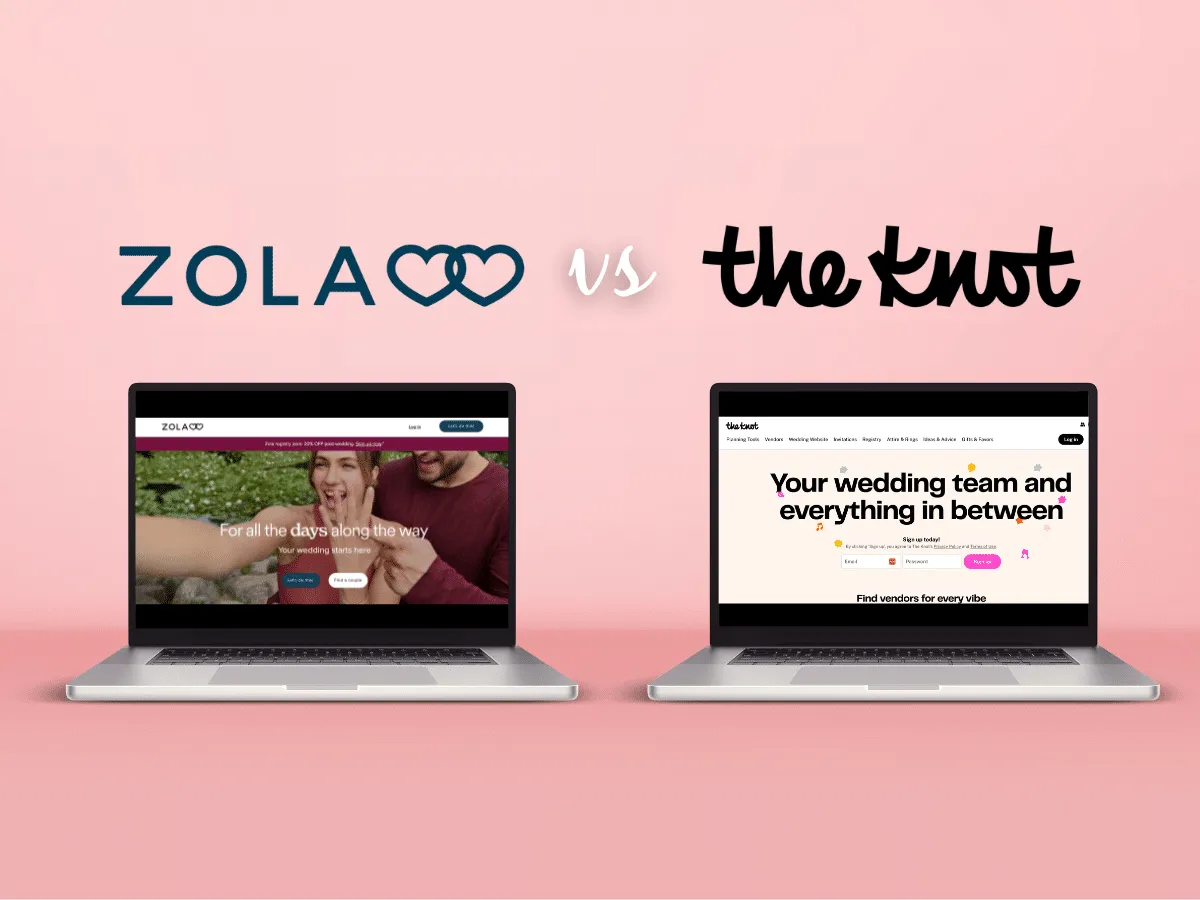
For many, the journey from engagement to "I do" is anticipated as one of life’s most joyous periods. Yet, beneath the veneer of celebratory excitement lies the intricate and often overwhelming reality of wedding planning. With countless details ranging from venue selection and vendor coordination to guest list management and registry creation, modern couples increasingly turn to digital platforms to streamline this monumental task. In this evolving landscape, two names consistently emerge as frontrunners: The Knot and Zola. This article provides an in-depth, journalistic analysis of these competing platforms, examining their origins, core functionalities, user experience, and strategic positioning within the multi-billion dollar wedding industry.
The Evolving Landscape of Wedding Planning
The wedding industry is a significant global market, with estimates placing its value in the hundreds of billions of dollars annually. Historically, wedding planning was a largely analog process, relying on physical binders, local vendor recommendations, and word-of-mouth. The advent of the internet, however, catalyzed a profound transformation, bringing unparalleled convenience and a wealth of information to couples worldwide. Digital platforms have democratized access to planning resources, enabling couples to manage their events with greater efficiency and personalization, often directly from their smartphones. This shift has not only streamlined logistics but has also empowered couples to curate highly individualized celebrations, moving beyond traditional templates. The increasing reliance on online tools underscores a broader trend towards digital-first solutions in personal event management, driven by a generation comfortable with technology and demanding integrated, intuitive experiences.

Pioneering the Digital Wedding Space: The Knot’s Enduring Journey
The Knot, founded in 1996 by married couple Carley Roney and David Liu, represents a pioneering force in digital wedding planning. Their vision stemmed from personal experience, recognizing the inherent stresses and complexities of organizing a wedding. Launching well before the widespread adoption of broadband internet, The Knot quickly established itself as a comprehensive online hub. Its initial success was built on providing extensive advice, a vendor directory, and a burgeoning online community forum.
Over nearly three decades, The Knot has continuously expanded its offerings, adapting to technological advancements and evolving user needs. Its longevity in the market has allowed it to build an extensive network of vendors and a vast repository of content, making it a go-to resource for millions of couples. The platform’s strategic growth has included acquisitions and partnerships, cementing its position as a dominant player. Its robust infrastructure supports a wide array of tools designed to cover every facet of wedding planning, from inspiration to execution. The Knot’s enduring presence is a testament to its ability to evolve with changing consumer behaviors while maintaining a core commitment to simplifying the wedding journey.
The Modern Entrant: Zola’s Strategic Approach

Zola entered the scene significantly later, launching in 2013. Co-founded by Shan-Lyn Ma and Nobu Nakaguchi, Zola identified a gap in the market, particularly concerning the digital e-commerce experience within wedding planning. While The Knot had established a strong informational and community foundation, Zola aimed to integrate core services like registry and invitation management with a more modern, design-forward interface. The founders, friends and former colleagues rather than a romantic couple, leveraged their e-commerce expertise to create a platform that prioritized seamless transactional experiences.
Zola’s strategy from its inception was to offer an all-in-one solution with a strong emphasis on user-friendly design and a curated selection of vendors and products. Its relative youth allowed it to build its platform from the ground up with contemporary web design principles and mobile-first considerations, often giving it a perceived edge in aesthetic and intuitive navigation for some users. Zola quickly gained traction by addressing specific pain points in the digital wedding space, particularly the fragmented nature of registries and the often-outdated interfaces of existing e-commerce options.
Core Offerings: A Deep Dive into Platform Features
Both Zola and The Knot offer a suite of tools designed to support couples through their wedding planning journey. While many functionalities overlap, their execution and emphasis often differ, catering to distinct user preferences.

Website Design and Usability: Both platforms boast clean, intuitive designs. The Knot’s navigation is comprehensive, featuring links for "Planning Tools," "Wedding Websites," "Wedding Dresses," "Venues," "Vendors," "Registry," "Invitations," "Ideas & Advice," and "Community." This detailed menu reflects its long history and extensive content. Zola, by contrast, offers a more streamlined navigation with "Plan your wedding," "Expert advice," and "Find a couple" as its primary categories, often relying on drop-down menus for sub-sections. This simpler structure can appeal to users seeking a less overwhelming initial experience. The aesthetic appeal of both sites is generally high, utilizing appealing imagery and modern typography.
Planning Tools and Organization: Central to any wedding planning platform are its organizational tools. The Knot offers a comprehensive array, including a customizable checklist, a budget tracker, a guest list manager that handles RSVPs and thank-you notes, a personal wedding style quiz, and a wedding hashtag generator. Its strength lies in the depth of these tools, allowing for granular control over various aspects of the planning process. Zola provides similar tools, such as a checklist, budgeter, and guest list manager. While Zola’s guest list manager is robust, The Knot’s additional features for thank-you note tracking provide a slight edge in end-to-end guest management. Zola distinguishes itself with a quiz for narrowing down venues and vendors, offering a guided approach for couples who might be less certain about their initial preferences.
Registry Services: Options, Flexibility, and Fees: The wedding registry is a critical component, serving as a direct link between couples and their guests. The Knot’s registry integrates with a wide array of major big-box retailers, offering convenience for couples who prefer established brands. It also supports cash gifts and offers a 20% post-wedding discount on eligible leftover items. Crucially, The Knot allows couples to link registries from external sites, providing maximum flexibility.
Zola’s registry offers both big-box and smaller, local store options, appealing to couples looking for unique items or supporting independent businesses. A significant feature is its gift-tracking capability, simplifying post-wedding logistics. Like The Knot, Zola provides a 20% post-wedding discount on remaining items. However, industry feedback notes that Zola’s registry items sometimes carry a markup, although they offer price matching under strict terms. Additionally, some users have reported occasional issues with item purchases or fulfillment through Zola’s direct registry. Both platforms charge a 2.5% processing fee for credit card cash gifts, with The Knot placing the onus on the guest, while Zola allows the couple to absorb the fee or convert cash gifts to fee-free gift cards.

Vendor and Venue Directories: Scope, Curation, and Search Capabilities: Sourcing venues and vendors is often the most time-consuming aspect of planning. The Knot’s directory is vast, allowing searches by category (e.g., photographers, florists, caterers) and location (city, state, popular cities). Listings are comprehensive, featuring photos, pricing details, guest capacity, reviews, and accolades like "Best of Weddings." Direct quote requests are also facilitated. The sheer volume of vendors on The Knot is a significant advantage, particularly for couples seeking a wide range of options.
Zola’s approach to its directory emphasizes curation. Vendors do not pay for listings; instead, Zola’s staff vets businesses to maintain a high standard of quality. This can result in a more streamlined, though potentially less exhaustive, selection. Zola also offers a quiz to help couples narrow down options based on budget, location, and style, providing a more guided search experience. Search results mirror The Knot’s, displaying essential details and allowing for direct quote requests. The difference in vendor vetting philosophy represents a key differentiator: The Knot offers breadth, while Zola focuses on a curated, quality-controlled selection.
Invitations and Paper Suites: Design, Customization, and Cost: Wedding invitations set the tone for the event and serve as a tangible keepsake. Both platforms offer extensive paper suite options designed to match their wedding website templates. The Knot provides over 670 invitation templates, sortable by style (floral, simple, vintage), color, foil, season, and photo inclusion. They offer three free samples and prices average around $2 per invite, with bulk discounts available. A notable feature is a free re-print option if plans change, providing a safety net.
Zola features over 1,075 designs created by "Zola artists," offering a unique aesthetic. It allows for five free samples, catering to more indecisive couples. Zola emphasizes sustainability, planting a tree for every paper order. While Zola’s invitations are generally more affordable, around $1 per invite, they do not offer bulk discounts, meaning the price per invite remains constant regardless of order size. This difference in pricing and sample policy can influence budget-conscious decisions.

Mobile Accessibility: App Functionality and Reach: In an increasingly mobile-first world, app accessibility is crucial. The Knot offers "The Knot Wedding Planner" app on both Android and iOS, though its availability is currently limited to American users, with the team reportedly working on international solutions. Zola, while having previously supported an Android app, ceased its operation on January 1, 2023, now focusing exclusively on its iOS app. This divergence means Android users seeking a dedicated app experience will find The Knot a more viable option.
User Experience and Support Mechanisms
Beyond features, the quality of customer support and the overall user experience significantly impact satisfaction. The Knot relies on a form-based contact system and phone support, lacking a live chat feature. While generally functional, some user feedback has occasionally cited a lack of consistent professionalism.
Zola, in contrast, prides itself on its personalized customer support. It offers complimentary access to "personal wedding advisors" through email, TikTok, Instagram DMs, and phone calls. This human-centric approach, providing dedicated guidance, is a significant differentiator, appealing to couples who value direct, expert assistance over self-service forums. While The Knot has active community forums for peer-to-peer advice, Zola’s direct advisor model offers a distinct, concierge-style service.

Financial Considerations: Understanding Platform Costs and Fee Structures
Both Zola and The Knot are free to use for their core planning tools, website creation, and vendor directories. This accessibility is a major benefit for couples, especially those managing tight budgets. The primary fee consideration arises with cash gifts processed through their registry services. Both platforms impose a 2.5% credit card transaction fee for these gifts. As noted, The Knot passes this fee directly to the guest, while Zola offers the couple the option to cover it or convert the gift to a fee-free gift card. This flexibility in fee management on Zola can be an attractive option for couples sensitive to guest costs.
Market Dynamics and Strategic Positioning
The competition between Zola and The Knot reflects broader trends in the digital service industry. The Knot, with its extensive history, has built a brand known for its comprehensive nature and broad reach. Its large user base and deep integration with the wedding industry ecosystem make it a powerful platform for inspiration and vendor discovery. Its strength lies in its legacy, its vast content library, and its established community.

Zola, as the newer entrant, strategically positioned itself as a modern, design-centric, and more integrated solution, particularly strong in e-commerce aspects like registries and invitations. Its focus on curated experiences and personalized support caters to a segment of couples seeking a more streamlined and aesthetically pleasing planning journey. Zola’s success highlights the demand for platforms that prioritize intuitive design and end-to-end transactional efficiency.
Industry analysts observe that while The Knot continues to dominate in terms of sheer volume and established presence, Zola has carved out a significant niche by appealing to a digitally native demographic that values seamless e-commerce and personalized guidance. The decision between the two often comes down to a couple’s specific priorities: whether they value the breadth and community of an established giant or the streamlined, curated, and personalized touch of a modern challenger.
Implications for Engaged Couples
The choice between Zola and The Knot ultimately depends on a couple’s individual needs, planning style, and priorities. Couples prioritizing a vast array of vendors, an active peer community, and robust guest management tools that include thank-you note tracking might lean towards The Knot. Its extensive experience and wide selection of registry partners also cater to those who prefer traditional retail options.

Conversely, couples who prioritize a highly curated vendor selection, a modern aesthetic, a streamlined e-commerce experience for registries and invitations, and personalized human support from wedding advisors may find Zola more appealing. Its emphasis on design and integrated transactional features can simplify decision-making for those seeking an all-in-one platform with a contemporary feel.
Future Outlook
The digital wedding planning sector continues to evolve, with both Zola and The Knot continuously refining their offerings. As technology advances, we can anticipate further integration of AI for personalized recommendations, enhanced virtual reality tools for venue exploration, and even more sophisticated analytics for budget management. The competitive landscape will likely see both platforms pushing innovations to retain and expand their user bases, ensuring that couples have an ever-growing suite of tools to make their wedding planning journey as joyful and stress-free as possible. The ongoing "battle" between these two titans ultimately benefits engaged couples, fostering innovation and ensuring a diverse range of high-quality digital planning solutions.