

The contemporary photography landscape, while creatively fulfilling, increasingly demands a rigorous engagement with administrative and marketing tasks that often divert professionals from their primary artistic passion. Many photographers embark on their entrepreneurial journey driven by an innate desire to capture moments and connect with clients through compelling imagery, rather than an affinity for the intricate, often monotonous, backend operations such as email correspondence, spreadsheet management, and client relationship oversight. Yet, these behind-the-scenes administrative duties are unequivocally fundamental to establishing and sustaining a successful, thriving business. It is within this critical juncture that the role of a virtual assistant (VA) emerges as a transformative solution, offering a strategic pathway for photographers to streamline operations, enhance efficiency, and reallocate their valuable time towards creative endeavors and personal life.
The concept of outsourcing administrative functions is not new, but its application within specialized creative industries like photography has seen a significant ascent, particularly with the proliferation of digital tools and the remote work paradigm. A virtual assistant is no longer merely an email responder; the scope of their capabilities has broadened dramatically to encompass a diverse array of business management and strategic support services. Vancouver-based photographers Sara Rogers and Aileen Choi, co-owners of Together We Co, a firm specializing in business management and virtual assistant services tailored for the photography sector, highlight ten pivotal areas where a VA can demonstrably enhance business fluidity and accelerate growth for photographers. Their insights underscore a paradigm shift in how solo creative entrepreneurs can manage and scale their operations without succumbing to burnout or sacrificing quality.
The Evolving Landscape of Photography Business Management
Historically, photographers often juggled all facets of their business, from artistic creation to accounting. However, the digital age has introduced a new layer of complexity, demanding a constant online presence, sophisticated marketing strategies, and highly efficient client management systems. The sheer volume of tasks—ranging from social media updates and SEO optimization to complex post-production coordination and public relations—can quickly overwhelm even the most dedicated individual. Industry reports frequently indicate that small business owners, including independent photographers, spend an estimated 10-15 hours per week on administrative tasks, time that could otherwise be invested in client acquisition, skill development, or personal rejuvenation. This administrative burden is a primary driver behind the growing appeal of virtual assistants. The global virtual assistant market, valued at approximately $2 billion in recent years, is projected to experience substantial growth, reflecting a broader trend of businesses seeking flexible, cost-effective solutions for operational support.
Strategic Implementation: Ten Transformative Roles for a Virtual Assistant
The strategic deployment of a virtual assistant allows photographers to offload specific, time-consuming tasks, thereby optimizing their workflow and enhancing client satisfaction. The following elaborates on key areas where a VA can provide indispensable support:
1. Client Relationship Management (CRM) Setup and Maintenance
Client Relationship Management is the cornerstone of any service-based business, encompassing all interactions a business has with its customers. For photographers, this translates into managing leads, scheduling appointments, tracking availability, sending timely communications, and ensuring a seamless client journey from initial inquiry to final delivery. The initial setup and ongoing maintenance of a robust CRM system, such as HoneyBook, Dubsado, or Salesforce, can be a daunting and time-intensive undertaking. These platforms, while powerful, require careful configuration of workflows, email templates, questionnaires, and payment schedules.
A virtual assistant possesses the expertise to navigate these systems, organizing prospective client leads, establishing automated communication sequences, and ensuring prompt follow-ups. They can meticulously manage the CRM database, troubleshoot any technical issues, and adapt the system to evolving business needs. By entrusting CRM management to a VA, photographers can ensure no lead is overlooked, client communication is consistent and professional, and the administrative burden associated with managing a growing client base is effectively mitigated. This proactive approach to client interaction not only improves efficiency but also significantly enhances the client experience, fostering loyalty and positive referrals.
2. SEO-Friendly Blogging and Content Strategy
In the highly competitive digital marketplace, a strong online presence is paramount for photographers. Blogging, when executed strategically, is an invaluable tool for demonstrating expertise, showcasing portfolios, and improving search engine rankings. However, the consistent creation of high-quality, SEO-optimized blog content often falls by the wayside for busy photographers engrossed in capturing events, editing images, and managing client demands.
A virtual assistant can become a pivotal asset in developing and maintaining a vibrant blog. They can research relevant keywords, craft engaging narratives around recent weddings, lifestyle shoots, or photography tips, and develop evergreen content addressing common client questions. For instance, a VA can write compelling stories about featured weddings, offering insights into venue choices, decor, and unique moments, or curate helpful guides for engaged couples on planning their photography. Crucially, they can ensure all content adheres to current SEO best practices, utilizing appropriate keywords, meta descriptions, and internal linking strategies to drive organic traffic. Furthermore, a VA can lead content repurposing efforts, transforming blog posts into engaging social media snippets, email newsletter segments, or even foundational scripts for podcast episodes, maximizing the reach and impact of each piece of content. This holistic approach ensures a continuous stream of valuable content that attracts and engages potential clients.
3. Image Curation and Publication Submissions
Beyond delivering curated image galleries to clients, photographers often seek to amplify their reach and bolster their professional credibility through editorial features in prominent wedding blogs and industry magazines. Publications like Junebug Weddings, Style Me Pretty, or The Knot offer significant opportunities for exposure, networking with other vendors, and attracting premium clientele. However, the meticulous process of selecting the most compelling images, optimizing them for various submission platforms, adhering to specific guidelines, and managing the submission process itself is notoriously time-consuming.
A virtual assistant can expertly handle this intricate task. They can collaborate with the photographer to understand their aesthetic and branding, then select a cohesive set of images that tell a compelling story. The VA can then optimize these images for web publication, complete detailed submission forms, write captivating narratives for editors, and diligently track the status of each submission. Upon acceptance, they can manage the necessary follow-up and ensure proper crediting. This systematic approach not only increases the likelihood of publication but also frees the photographer to focus on creative work, while their portfolio gains valuable industry recognition and broad audience exposure.
4. Online Gallery and Print Store Management
Establishing an online gallery store where clients can conveniently order professional prints, albums, and other photographic products offers a dual benefit: it enhances the client experience by providing tangible memories and creates a significant passive income stream for the photographer. Many photographers, however, either delay setting up such a store or fail to optimize its potential due to the perceived complexity of design, integration, and ongoing management.
A virtual assistant can seamlessly manage the entire lifecycle of an online gallery store. This includes designing and configuring the store layout to align with the photographer’s brand, integrating it with preferred professional printing labs, setting up pricing structures, and managing product listings. They can oversee order fulfillment, track inventory (for physical products), implement promotions, and handle customer service inquiries related to orders, shipping, and handling. By ensuring the store operates efficiently and professionally, the VA transforms it into a robust, hands-off revenue generator, allowing the photographer to capitalize on additional sales opportunities without direct involvement in the day-to-day operations.
5. Album Design and Proofing Workflow
A meticulously crafted wedding album stands as a timeless heirloom, offering clients a tangible, narrative experience of their special day that digital files alone cannot fully replicate. Despite their immense value, the process of designing and proofing albums can be an incredibly time-consuming endeavor, often involving numerous iterations and client feedback rounds.
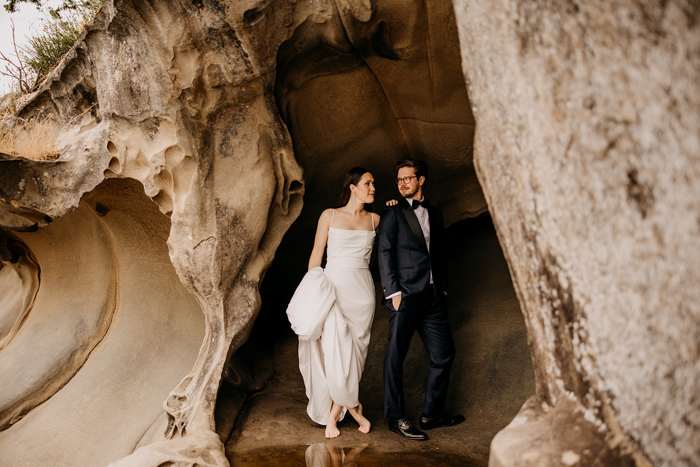
This is another area where a virtual assistant can significantly streamline operations. The VA can initiate the album design process by selecting a preliminary set of images based on the wedding narrative and client preferences, creating initial layouts using specialized album design software, and preparing proofs for client review. They can manage all communication regarding feedback, implement revisions, and coordinate with album printing companies. By handling these iterative steps, the VA ensures that beautiful, high-quality albums are delivered to clients efficiently, preserving the photographer’s creative energy and allowing them to focus on new projects while still offering a premium product.
6. Strategic Email Management and Template Creation
An overflowing email inbox is a ubiquitous challenge for busy professionals, and photographers are no exception. The constant influx of inquiries, client communications, vendor liaisons, and marketing messages can consume hours, leading to delayed responses and missed opportunities. The pursuit of "Inbox Zero" often feels like an unattainable goal, with new emails constantly replenishing the queue.
Entrusting email management to a virtual assistant can be profoundly liberating. A VA can expertly triage incoming emails, respond to common inquiries using pre-approved templates, schedule appointments, and flag urgent messages for the photographer’s immediate attention. Crucially, they can design and implement a comprehensive suite of email templates for various scenarios—initial inquiries, booking confirmations, session reminders, delivery notifications, and follow-ups. This standardization ensures consistent brand voice, professional communication, and significantly reduces response times, enhancing client satisfaction and operational efficiency. The VA ensures that every potential client receives a prompt, professional response, cultivating a positive first impression and improving conversion rates.
7. Event Day Logistics and Preparation
The successful execution of any photography event, be it a wedding, commercial shoot, or portrait session, relies heavily on meticulous preparation and coordination. For photographers, this often means spending valuable hours on administrative details rather than focusing on the artistic vision for the shoot. From confirming schedules to managing permits, these tasks can be tedious and detract from creative readiness.
A virtual assistant can assume responsibility for all pre-event logistical planning. This includes creating detailed timelines for the day, compiling comprehensive shot lists based on client preferences, researching and securing necessary permits or licenses for specific locations, and liaising directly with other vendors (planners, florists, caterers) to ensure seamless coordination. By managing these intricate administrative elements, the VA allows the photographer to arrive on set fully prepared, mentally focused, and creatively inspired, knowing that all organizational details have been expertly handled. This ensures a smoother event day and a superior client experience.
8. Comprehensive Social Media Strategy and Engagement
In today’s visually driven world, an active and engaging social media presence is indispensable for marketing a photography business, building brand awareness, and connecting with potential clients. However, the dynamic nature of social media platforms, with their constantly evolving algorithms, new features, and the pressure for consistent content creation, can be overwhelming and time-consuming for photographers. Many find themselves struggling to keep pace, leading to inconsistent posting and diminished engagement.
A virtual assistant can take full ownership of a photographer’s social media strategy and execution. This involves developing a content calendar, creating visually appealing posts and stories, scheduling content across various platforms (Instagram, Facebook, Pinterest, TikTok), and actively engaging with followers through comments and direct messages. The VA can also monitor industry trends, identify relevant hashtags, and analyze performance metrics to refine the strategy continuously. By delegating social media management, photographers can maintain a vibrant online presence without being tethered to their phones, ensuring consistent brand visibility and community engagement that drives business growth.
9. Post-Production Workflow Coordination
The process of post-production—culling, editing, retouching, and preparing images for delivery—is arguably the most time-intensive phase of a photographer’s workflow. Non-photographers often underestimate the hundreds of hours dedicated to refining images, leading to late-night editing sessions and potential burnout. While AI-powered editing tools are emerging, the coordination of these processes still requires significant oversight.
A virtual assistant can play a crucial role in streamlining the post-production workflow. This involves coordinating with external culling and editing teams or managing the integration and application of AI software. The VA can oversee the initial culling, ensuring only the best images proceed, manage file organization, track progress with editing teams, and prepare images for the photographer’s final review and artistic touch. By taking on these coordination and preparatory tasks, the VA significantly reduces the photographer’s administrative load in post-production, enabling them to focus on the nuanced creative editing that defines their unique style, thereby saving countless "coffee-fueled late nights."
10. Administrative Support for Photography Contests and Awards
Participating in photography contests and awards offers a powerful avenue for photographers to gain wider recognition, network with peers, and significantly boost their credibility and brand prestige. Winning or even being nominated for an award can provide invaluable marketing material, enhance SEO through backlinks, and serve as a powerful testament to a photographer’s skill. However, the process of identifying suitable contests, understanding submission requirements, preparing entries, and managing deadlines can be complex and time-consuming.
A virtual assistant can demystify and manage this entire process. They can research reputable contests and awards relevant to the photographer’s niche, track submission deadlines, prepare and format image files according to specific guidelines, and complete all necessary entry forms. Beyond submission, the VA can diligently monitor results and, upon a win or nomination, promptly update the photographer’s website, social media channels, and marketing materials to publicize the achievement. This proactive approach ensures that the photographer’s accomplishments are leveraged to their fullest potential, reinforcing their professional standing and attracting new clients.
Broader Impact and Implications: Reclaiming Time and Fostering Growth
The strategic integration of a virtual assistant into a photography business is more than just delegating tasks; it represents a fundamental shift towards a more efficient, scalable, and sustainable operational model. By offloading the substantial administrative burden, photographers reclaim invaluable time that can be redirected towards high-value activities: honing their craft, deepening client relationships, exploring new creative projects, and achieving a healthier work-life balance.
From an economic perspective, hiring a VA is often a highly cost-effective solution compared to bringing on a full-time employee, offering flexibility and specialized skills without the overheads of traditional employment. This allows for scalable support that adapts to the fluctuating demands of a photography business. The cumulative effect of these efficiencies—from improved client communication and enhanced online visibility to streamlined post-production and professional recognition—translates directly into increased client satisfaction, higher conversion rates, and ultimately, accelerated business growth.
Vancouver photographers Sara Rogers and Aileen Choi, through their venture Together We Co, exemplify this transformative potential. Their services are explicitly designed to empower photographers to navigate the complexities of modern business operations, ensuring that the passion for photography remains at the forefront, unburdened by the exigencies of administrative management. As the photography industry continues to evolve, the virtual assistant will increasingly become an indispensable partner for creative entrepreneurs seeking to elevate their businesses, maximize their creative output, and thrive in an ever-competitive market. The decision to integrate a virtual assistant is not merely an operational adjustment; it is a strategic investment in the future of one’s photography business, promising a trajectory of sustained growth and renewed creative freedom.