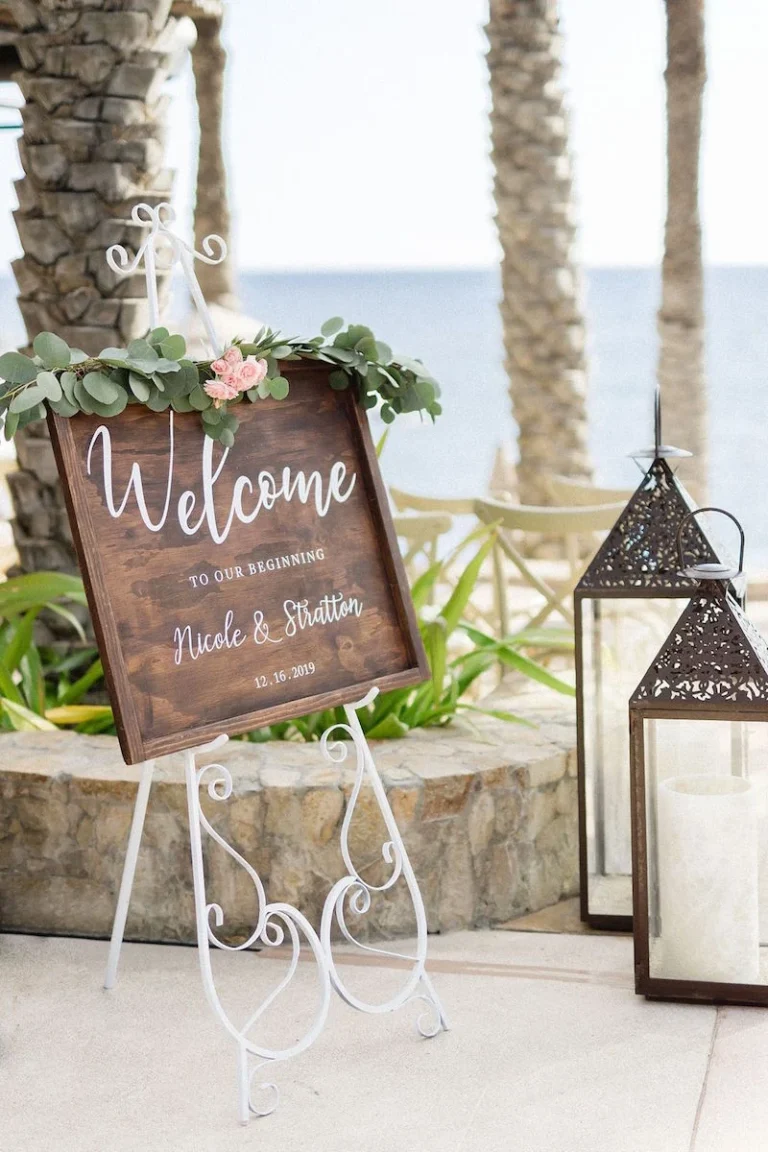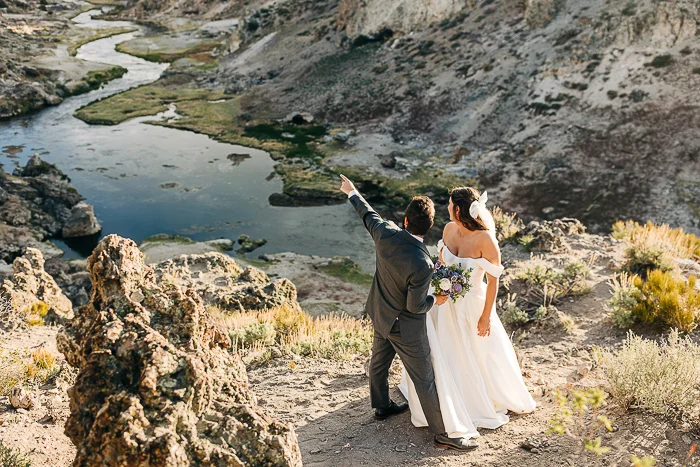




The allure of a destination wedding, set against a backdrop of breathtaking scenery and exotic locales, has captured the imagination of countless couples. While the romantic notion of exchanging vows on a sun-drenched beach or in a charming European village is undeniably appealing, the practicalities of planning such an event require meticulous attention to detail. Beyond selecting the perfect destination, prospective couples must delve deeply into the offerings and capabilities of potential wedding resorts. To navigate this complex landscape and ensure a seamless experience, a comprehensive list of inquiries is essential. Industry experts and seasoned wedding planners emphasize that thoroughly vetting a resort before committing to a date can significantly mitigate stress and safeguard the dream of a perfect wedding day.
Understanding the full scope of services, potential hidden costs, and logistical support provided by a destination wedding resort is paramount. Many couples, swept up in the romance of the idea, may overlook critical questions that could impact their budget, guest experience, and overall wedding day execution. This article outlines ten pivotal questions every couple should pose to a destination wedding resort before signing any contracts, transforming the often-overwhelming research process into a more structured and informative endeavor.
I. Unveiling the Resort’s Wedding Packages and Post-Ceremony Perks
1. Do You Offer Honeymoon Packages?
A significant investment is typically associated with destination weddings, encompassing travel, accommodation, and event expenses. Savvy destination wedding resorts recognize this and often provide attractive honeymoon packages designed to extend the celebration for the newlyweds. These packages can offer substantial savings compared to booking a separate honeymoon destination, seamlessly transitioning from wedding festivities to a romantic escape.
"Couples are increasingly looking for ways to maximize their wedding budget without compromising on the experience," states Sarah Chen, a veteran destination wedding planner based in Riviera Maya, Mexico. "A well-integrated honeymoon package at the resort where they’ve just celebrated their nuptials provides convenience, cost-effectiveness, and allows them to continue enjoying the amenities and atmosphere they’ve already fallen in love with."
These packages often include discounted room rates, special dining experiences, spa treatments, or excursions, allowing couples to relax and savor their first moments as a married couple without the immediate stress of further travel arrangements. Understanding the specifics of these packages, including what is included and any potential blackout dates or restrictions, is crucial for budget planning.
2. Is There a Room Block Discount for Wedding Guests?
For weddings, particularly those involving guests traveling from afar, securing accommodation for attendees is a significant consideration. Even for intimate gatherings of 20 to 30 guests, a substantial number of room nights are involved. Destination wedding resorts often have established protocols for managing group bookings and may offer preferential rates or discounts when a certain number of rooms are reserved.
"Negotiating a room block discount is a standard practice and a critical component of managing guest expenses," explains Mark Jenkins, a hospitality consultant specializing in event management. "Before engaging in discussions, couples should conduct thorough research on average hotel rates in the local area. This provides leverage and ensures they are securing a genuinely advantageous rate."
A well-negotiated room block can significantly reduce the financial burden on guests, making the destination wedding more accessible and enjoyable for a wider circle of friends and family. It is advisable to inquire about the minimum number of rooms required to qualify for a discount and the exact percentage or nightly rate reduction offered. Furthermore, understanding the resort’s policy on releasing unbooked rooms and the deadline for guest reservations is essential for effective communication with attendees.
II. Essential Services and Logistical Support
3. Is an On-Site Wedding Planner Provided?
Many resorts that actively market themselves as wedding venues include the services of an on-site wedding planner as part of their event fees. This is a considerable advantage, as these planners possess intimate knowledge of the resort’s layout, facilities, and vendor relationships. They are adept at maximizing the use of available spaces to create a wedding vision that aligns with the couple’s desires.
"Working with an on-site planner eliminates the steep learning curve that an external planner might face," notes Emily Carter, editor of "Bridal Bliss Magazine." "They understand the venue’s nuances, the best spots for photography, the acoustics for music, and the most efficient flow for guest movement. This expertise is invaluable, especially when dealing with the logistical complexities of a destination wedding."
The presence of an experienced on-site planner can streamline communication, expedite decision-making, and ensure that all aspects of the wedding are executed flawlessly. Couples should clarify the extent of the planner’s involvement – whether they offer full-service planning or primarily focus on day-of coordination – and review their qualifications and past work.
4. Do You Rent Essential Wedding Supplies?
The logistics of transporting numerous small but essential wedding items, such as chargers, decorative candles, and specialized linens, can be prohibitive when traveling by air. Many resorts that cater to weddings maintain an inventory of such supplies, offering them for rent. This service significantly alleviates the packing burden for couples and ensures that necessary items are readily available.
"The cost and effort of shipping or purchasing these items at the destination can quickly escalate," warns David Lee, founder of "Destination Wedding Insights." "When a resort can provide these on-site, it not only saves money but also drastically reduces stress. It’s akin to having a built-in inventory of wedding necessities."
When inquiring, couples should ask for a comprehensive list of available rental items and their associated costs. Understanding whether these items are included in a wedding package or are separate rentals is crucial for accurate budgeting. This inquiry can also prompt discussions about preferred vendors for items not available on-site, ensuring a seamless procurement process.
5. Do You Provide In-House Catering Services?
Resorts equipped with on-site restaurants often extend their culinary expertise to wedding receptions. This can encompass a range of services, from plated dinners and buffet-style meals to in-suite breakfasts for guests and professional bartending services. The convenience of having a dedicated catering team manage all food and beverage requirements cannot be overstated.
"In-house catering simplifies a major logistical challenge," states Maria Rodriguez, a renowned wedding chef. "The resort’s culinary team is familiar with their kitchen capabilities, ingredient sourcing, and service standards. This often translates to a more cohesive and high-quality dining experience for guests."
It is imperative to ascertain whether these catering services are included in the initial venue fees or are considered an additional cost. Couples should request sample menus, inquire about customization options, and understand any service charges or gratuities associated with catering. Tasting sessions, if available, are highly recommended to ensure the culinary offerings meet expectations.
III. Venue Availability and Guest Experience
6. Are There Other Major Events Scheduled Concurrently?
The presence of other large-scale events at the resort during the wedding dates can impact the overall atmosphere and availability of services. Couples should inquire about any other significant functions scheduled to ensure their wedding will not feel overshadowed or rushed, and that the resort’s resources will be adequately allocated to their event.
"A resort hosting multiple large events simultaneously might experience a strain on its staff, facilities, and common areas," explains event management consultant, Sarah Peterson. "Understanding this potential overlap allows couples to assess whether the resort can genuinely cater to their wedding’s needs without compromise, or if a less busy period might offer a more exclusive experience."
Knowing the resort’s event calendar can also help in planning guest activities and ensuring that the wedding party and guests have ample space and privacy. It allows for a realistic expectation of how busy the property will be and whether the resort can adequately manage the influx of attendees for all scheduled events.
7. What is the Typical Weather Like During the Proposed Wedding Season?
Destination weddings often hinge on favorable weather conditions, and understanding the local climate is critical for making informed decisions about ceremony and reception locations, as well as guest activities. Resorts can provide valuable insights into seasonal weather patterns, including average temperatures, rainfall, and sunshine hours.
"Climate is a fundamental factor in destination wedding planning," emphasizes meteorologist Dr. Alan Finch. "Knowing whether an area is prone to intense heat, frequent rain, or specific wind patterns can dictate whether an outdoor ceremony is feasible or if an indoor backup plan is essential. This knowledge allows for proactive planning and ensures guest comfort."
This information is vital for selecting between indoor and outdoor settings for the ceremony and reception. It also influences the choice of attire for the wedding party and guests, and the planning of any outdoor recreational activities, such as beach games or vineyard tours. A resort’s ability to provide attractive indoor alternatives or covered outdoor spaces can be a significant deciding factor.
IV. Vendor Coordination and Financial Considerations
8. Do You Have an In-House Photographer?
Many popular wedding resorts have established relationships with local photographers and may even have in-house professionals on staff. These photographers are typically familiar with the resort’s best photo locations and lighting conditions, potentially simplifying the process of securing quality photography for the event.
"Having a photographer who knows the venue intimately is a significant advantage," notes acclaimed wedding photographer, Jessica Bell. "They can anticipate the best moments and locations, leading to more authentic and stunning imagery. It also removes the stress of vetting and booking an external vendor."
However, couples should inquire about the photographer’s style, review their portfolio, and understand the pricing structure. Smaller hotels or those hosting fewer weddings annually may not have this amenity, requiring couples to source their own photographer. It is essential to confirm whether the resort provides a photographer as part of a package or if it is an additional service with separate fees.
9. Should We Hire an External DJ, or Do You Provide Music Services?
While some resorts might offer basic sound systems capable of playing a pre-made playlist, the role of a professional DJ extends far beyond simple music playback. A skilled DJ manages crucial aspects of the reception, including curating aisle music, orchestrating introductions for the wedding party and guests, facilitating toasts, and maintaining the overall energy and flow of the event.
"A great DJ is the pulse of a reception," states DJ Mike "Groove" Thompson, a veteran wedding entertainer. "They read the crowd, adapt the music to the mood, and ensure that transitions between key moments are seamless. Relying solely on a playlist can lead to awkward silences or a lack of engagement."
Couples should inquire about the resort’s offerings regarding wedding music. If the resort does not provide DJ services, it is advisable to begin the search for a professional DJ who has experience at destination weddings and is familiar with the resort’s acoustics and technical capabilities. Understanding the resort’s audio-visual equipment and any restrictions on external vendors is also important.
10. Are Payment Plans Available for Wedding Packages?
The financial commitment for a destination wedding can be substantial, often running into tens of thousands of dollars. Many couples find it challenging to pay the entire cost upfront in the months leading up to the ceremony. Inquiring about payment plans or staggered payment schedules is a practical step to manage this significant expenditure.
"Financial flexibility is a key consideration for many couples planning destination weddings," observes financial advisor, Emily Davis. "Reputable venues understand this and are often willing to work with clients to create a payment structure that aligns with their budget and cash flow. This can alleviate considerable financial pressure."
Resorts may offer various payment options, such as a deposit to secure the date, interim payments leading up to the event, and a final balance due closer to the wedding day. Understanding these terms, including any interest charges or late payment penalties, is crucial for responsible financial planning. This inquiry demonstrates a proactive approach to budgeting and ensures that financial arrangements are clear and manageable.
Conclusion: Informed Decisions for an Unforgettable Celebration
By diligently asking these ten crucial questions, prospective couples can gain a comprehensive understanding of what a destination wedding resort truly offers. This proactive approach empowers them to make informed decisions, compare offers effectively, and ultimately select a venue that not only meets their aesthetic desires but also aligns with their logistical needs and financial plan. Thorough research and clear communication with resort representatives are the cornerstones of a stress-free planning process, paving the way for a truly unforgettable destination wedding experience.