
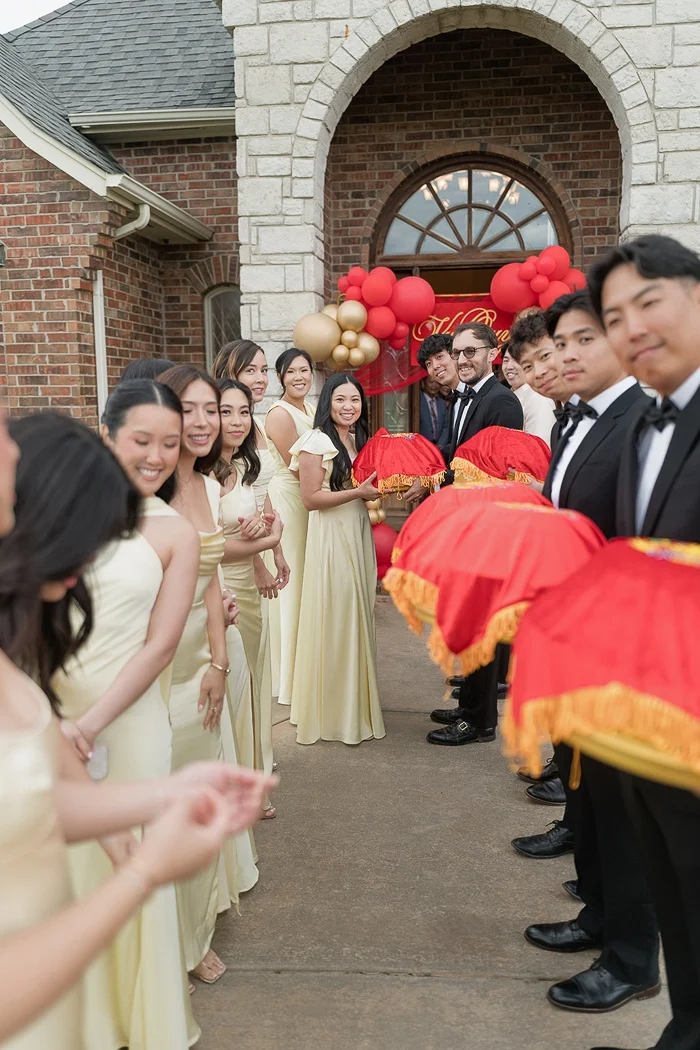
On August 16, 2026, Marie and Joseph exchanged vows and celebrated their union in an extraordinary multicultural wedding held in Oklahoma City. The event, meticulously crafted to honor their distinct Vietnamese and Korean heritages while reflecting their unique five-year journey, unfolded as a vibrant tapestry of traditions, custom designs, and deeply personal touches. Far from a conventional affair, the day showcased an innovative approach to blending cultural customs with contemporary elegance, culminating in a celebration that captivated guests with its dynamic spirit and heartfelt symbolism.

The Genesis of a Grand Celebration: Weaving Personal Stories into Nuptial Vows

The journey to Marie and Joseph’s wedding day began, like many modern romances, with a digital connection on Hinge. Their initial tea date in Oklahoma City blossomed into an afternoon of shared discovery, traversing bookstores and engaging in conversations that revealed a profound compatibility in their mutual love for travel, culinary exploration, and the outdoors. A pivotal moment in their courtship, a pottery lesson at Joseph’s home, where he patiently taught Marie the intricate art of throwing clay, cemented their bond and foreshadowed a recurring motif in their future celebration. This early shared experience underscored the couple’s ability to create something beautiful and lasting together, a theme that resonated throughout their wedding day.

The decision to embark on the extensive planning process largely fell to Marie, who found genuine enjoyment in the creative and organizational aspects of wedding design. While she meticulously curated most details, a partial planner was brought in to refine logistics and offer expert recommendations, ensuring that no element, however small, was overlooked. This hybrid approach to wedding planning, increasingly popular among modern couples seeking both personal input and professional execution, allowed Marie and Joseph to maintain creative control while benefiting from seasoned expertise. Their budget allocation reflected a clear set of priorities: exceptional food, comprehensive photography, bespoke attire, refined décor and rentals, and exquisite floral arrangements were given precedence, with other elements adjusted accordingly to fit their vision. This strategic financial planning enabled them to invest in the aspects of their wedding that held the most personal and cultural significance.

A Symphony of Styles: Attire as a Narrative of Heritage

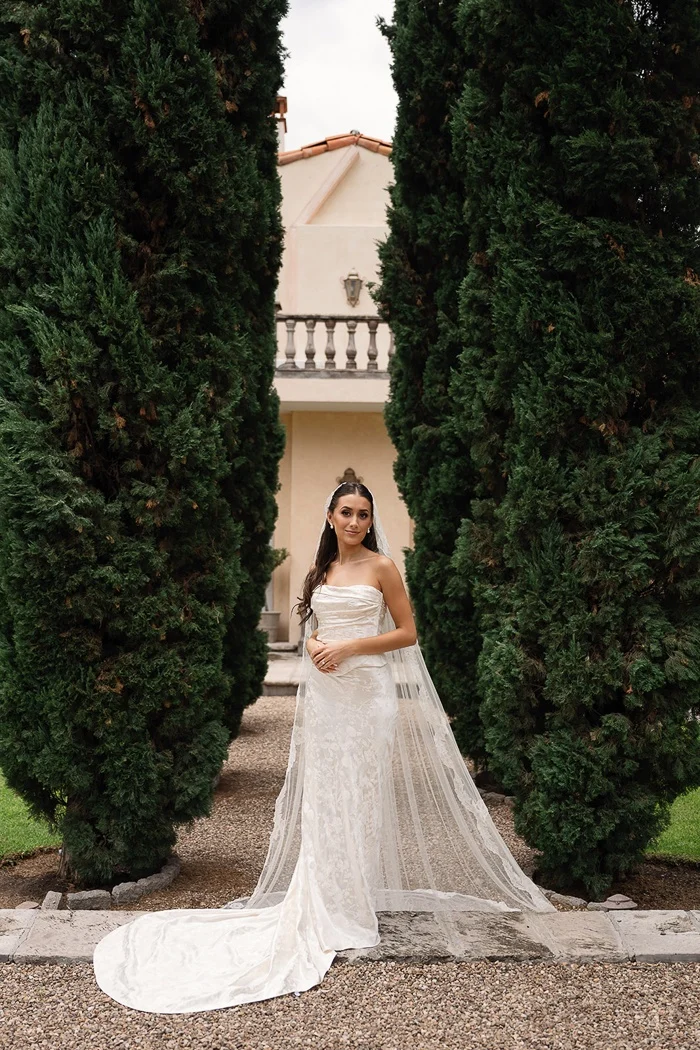
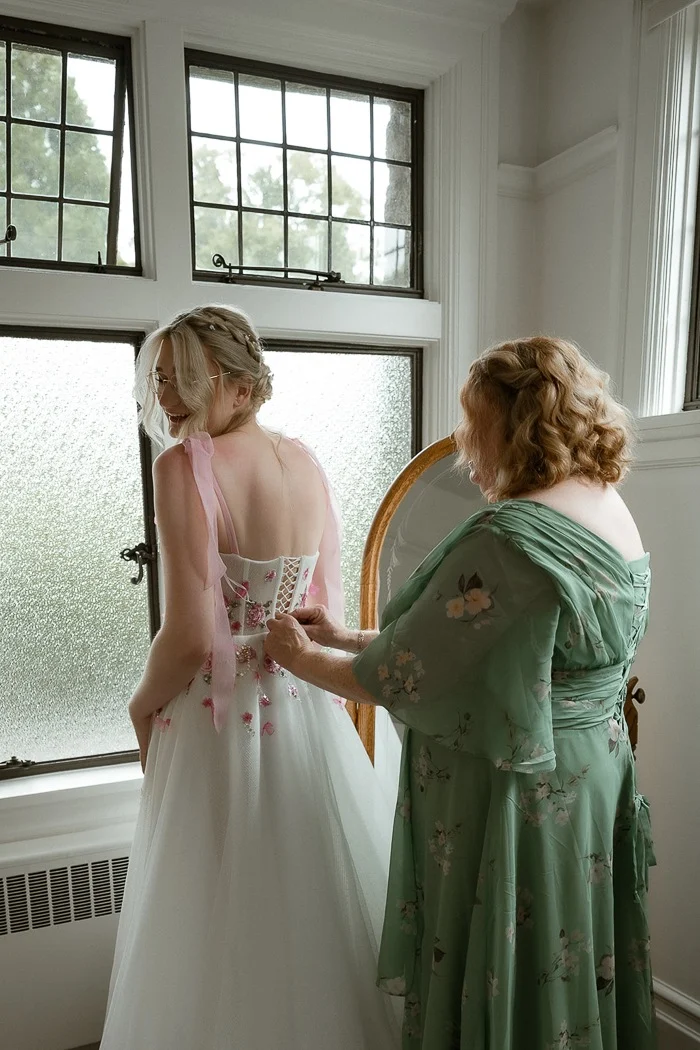
One of the most striking features of Marie and Joseph’s wedding was Marie’s remarkable series of custom-designed ensembles, each meticulously chosen to represent a different facet of their combined cultures and the progression of the celebration. Her initial appearance saw her in a sculptural Mikado wedding gown, a sophisticated choice featuring a basque waist, trumpet silhouette, and a corset bodice adorned with delicate beading. This gown was further enhanced by a dramatic overskirt, providing a voluminous silhouette for the ceremony, which was later removed to facilitate effortless dancing during the reception. The transformation from formal grandeur to relaxed elegance was seamless and intentional.

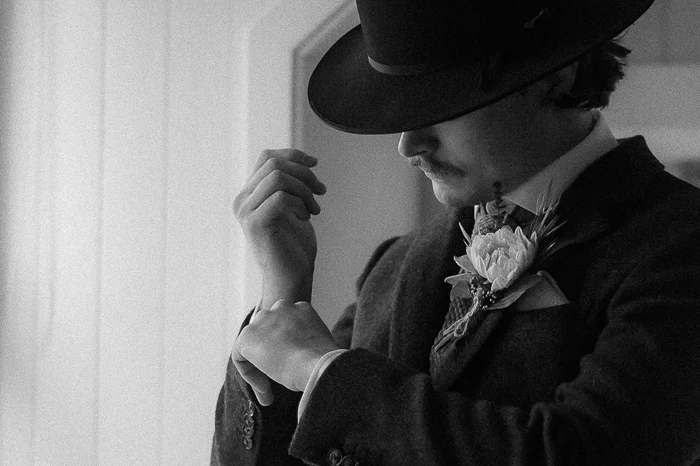
Later in the evening, Marie transitioned into a dazzling beaded reception dress, custom-designed by Lotus Design in Ho Chi Minh City. This garment, covered in shimmering beads, was engineered for movement, ensuring that every step on the dance floor was accentuated by a cascade of light. Joseph mirrored this dedication to personalized attire, collaborating with Duan Tailor, also in Ho Chi Minh City, to create a bespoke tuxedo. His involvement extended to selecting the fabric, lapel style, button placement, cufflinks, and every minute finishing detail, reflecting his personal taste and the importance of sartorial precision.

The most profound sartorial statements, however, were yet to come. Marie later donned a traditional Vietnamese áo dài, a graceful tunic often worn over trousers, symbolizing elegance and cultural pride. This was followed by a change into a Korean hanbok, a vibrant and intricately designed traditional dress, created in collaboration with Joseph’s mother. The hanbok, characterized by its flowing lines and rich colors, is a cherished symbol of Korean heritage and is typically worn during significant life events. These successive changes, each marking a different phase of the celebration, transcended mere fashion. They served as a powerful visual narrative, celebrating the depth of their cultural identities and demonstrating a profound commitment to integrating both Vietnamese and Korean traditions into their union. This deliberate embrace of multiple cultural garments underscored a broader trend in contemporary weddings where couples actively seek to honor their diverse backgrounds, making their attire a central element of their storytelling.

A Ceremony Rooted in Faith and Remembrance

The solemn heart of the day was the Catholic ceremony held at St. Andrew Dung Lac Catholic Church. Prior to the formal proceedings, Marie and Joseph shared a private first look, a tender moment where they exchanged personal vows away from the gaze of their guests. This intimate exchange allowed them to articulate their deepest commitments to each other in a sacred, unhurried setting before joining their community.

Inside the venerable church, Marie, drawing upon her years of experience leading music for her church youth group, lent her voice to the responsorial psalm, infusing the Mass with a deeply personal and spiritual dimension. A live string quartet provided an elegant musical accompaniment, enhancing the reverence of the ceremony without overshadowing its core religious significance.

A particularly poignant detail was the quiet tribute to Joseph’s father, who had passed away six months prior to the wedding. A "Reserved from Heaven" sign was respectfully placed beside his mother’s pew, a subtle yet profound acknowledgment of his enduring presence and the family’s shared grief and love. This gesture, a common practice in modern weddings seeking to honor lost loved ones, offered comfort and remembrance without disrupting the celebratory atmosphere. As the Mass concluded, Marie and Joseph presented bouquets to both sets of parents, a gesture of gratitude and respect, before exiting the church amidst a joyous shower of rose petals, signaling the official commencement of their lifelong journey together.

An Art Deco Canvas: The Venue and its Influence

The reception unfolded in the magnificent 1930s Art Deco ballroom of Oklahoma City’s Civic Center Music Hall. The choice of venue was a foundational decision for Marie and Joseph, providing a backdrop that inherently aligned with their aesthetic preferences. The ballroom’s soaring ceilings, meticulously polished wood floors, and oversized mirrors exuded a clean, classic elegance that resonated with their vision. This architectural grandeur meant that many of their subsequent design decisions naturally flowed from the existing ambiance, harmonizing with the venue’s inherent beauty rather than competing against it. The Art Deco style, characterized by its geometric forms, rich colors, and lavish ornamentation, offered a sophisticated and timeless setting, allowing their cultural elements to shine within a framework of refined taste.

The venue’s inherent grandeur also influenced the floral and décor choices. Rather than overwhelming the space, the decorations were designed to complement the existing architecture, creating an atmosphere of understated luxury. This strategic alignment between venue and decor underscored the couple’s thoughtful approach to every aspect of their wedding.

Pottery: A Symbol of Shared Creation and Enduring Love

Beyond the grand cultural displays, deeply personal touches punctuated the celebration, most notably the integration of pottery. Recalling their early days, Joseph’s patient instruction of Marie on his pottery wheel became a cherished memory and a powerful metaphor for their developing relationship. Five years later, this intimate activity found its way into their wedding reception in a uniquely personal manner.

Joseph meticulously handcrafted a ceramic vessel for each guest table, a monumental undertaking that spoke volumes about his dedication. Marie, in turn, personally helped glaze each piece, transforming them into bespoke works of art. These handcrafted centerpieces, delivered to their florist, then graced every reception table, each holding a distinct floral arrangement. While the flowers varied, the pottery remained a constant, a subtle yet profound reminder of the couple’s shared history and creative partnership. Many guests likely admired the artistry without knowing the full story, but for Marie and Joseph, these vessels were tangible symbols of their love, connecting the celebration back to one of the very first moments they recognized the special bond they shared. This level of personalization, transforming a cherished memory into a central decor element, exemplifies the growing trend of experiential weddings where every detail tells a part of the couple’s story.

A Dynamic Reception: Games, Lion Dances, and Joyful Exchange

The reception at the Civic Center Music Hall was a whirlwind of activity, meticulously designed to keep guests engaged and entertained. Marie and Joseph’s strategic outfit changes punctuated the evening, creating anticipation and highlighting different cultural segments. During their brief absences, a bilingual MC skillfully orchestrated a series of lively games, presented in both Vietnamese and English, ensuring that all guests could participate and enjoy the festivities. Gift cards were awarded to the winners, adding a playful competitive element to the evening.

The couple’s return to the ballroom, resplendent in their Vietnamese áo dài, was heralded by a spectacular lion dance performance. The lion dance, a traditional cultural art form often performed at celebrations in East Asian and Southeast Asian cultures, symbolizes good fortune and prosperity, adding an electrifying energy and cultural depth to the event. Following this vibrant display, Marie and Joseph commenced the traditional table greetings, moving from table to table to personally welcome and thank their guests.

Midway through these greetings, they made another transformative change, reappearing in their Korean hanbok to continue interacting with the remaining guests. Representatives from each table were then invited to deliver speeches, sharing heartfelt anecdotes and well wishes. These speeches were followed by a series of playful games designed to "earn" the opportunity to present wedding gifts to the couple, transforming a customary ritual into an interactive and memorable experience.

Only after these culturally rich and interactive segments did the evening transition into more conventional wedding traditions: the elegant cake cutting, a celebratory champagne tower, the spirited bouquet toss, and finally, an open dance floor. The energy was further amplified by one of the groomsmen, a talented breakdancer, who ensured that the dance floor remained vibrant and packed, drawing everyone into the joyous celebration. This dynamic flow of events, carefully choreographed to intersperse cultural rituals with modern entertainment, ensured that the reception was not merely a passive gathering but an immersive cultural experience.

A Blueprint for Modern Multicultural Unions

Reflecting on their wedding day, Marie expressed profound satisfaction, stating that they wouldn’t change a single detail. Even potential challenges were seamlessly managed by their wedding planner, allowing the couple to fully immerse themselves in the joy of the occasion. This highlights the invaluable role of professional coordination in executing complex, multi-faceted events.

Marie’s advice for other couples planning their own multicultural weddings is both practical and profound: establish clear budget priorities early on, maintain open and consistent communication with all vendors, and, most importantly, don’t hesitate to build the entire celebration around the elements of your lives that naturally bring you together. For Marie and Joseph, this meant a vibrant fusion of custom clothing, cherished family traditions, the unique symbolism of pottery, captivating music, and a reception that continually unfolded new wonders from beginning to end.

The success of Marie and Joseph’s wedding serves as a compelling case study for the evolving landscape of modern nuptials. As global interconnectedness increases, so too does the desire for couples to celebrate their diverse backgrounds. According to recent demographic data, interracial and interethnic marriages continue to rise globally, driving a demand for wedding celebrations that authentically reflect these blended identities. This trend challenges traditional wedding paradigms, encouraging couples and the wedding industry alike to embrace creativity, cultural sensitivity, and profound personalization.

Marie and Joseph’s commitment to bespoke attire, the integration of traditional dances, bilingual entertainment, and deeply personal touches like the handmade pottery, not only created an unforgettable experience for their guests but also established a benchmark for future multicultural weddings. Their celebration underscored that true personalization lies not just in aesthetic choices, but in thoughtfully weaving together the unique threads of two lives and two cultures into a cohesive, joyful, and deeply meaningful union. Their wedding was not just an event; it was a testament to the beauty of diversity and the power of love to bridge cultures, creating a shared future rooted in a rich and celebrated past.