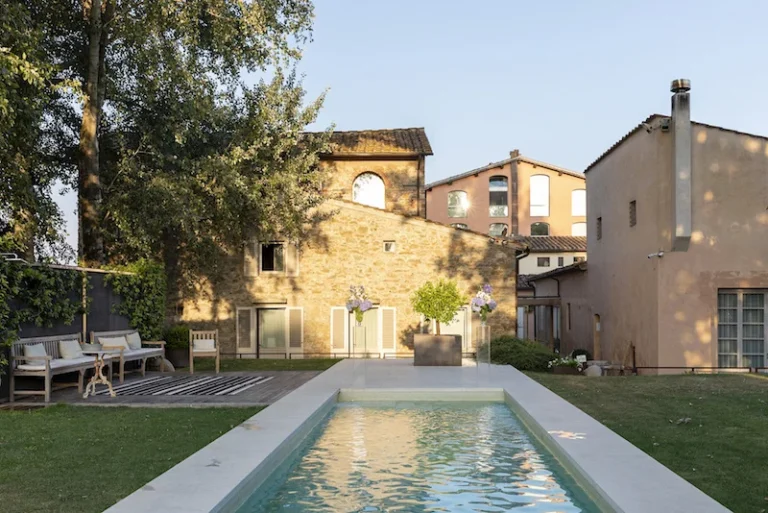




Dreaming of an idyllic destination wedding at a resort, where the ceremony unfolds against a backdrop of breathtaking scenery and the celebration flows seamlessly into a memorable vacation, is a romantic aspiration shared by many couples. However, transforming this vision into reality requires meticulous planning and a thorough understanding of what a resort can offer beyond just a picturesque location. The process of selecting the perfect resort for a destination wedding involves navigating a complex web of logistical considerations, financial implications, and service provisions. To empower couples in this critical decision-making phase, a comprehensive approach to inquiry is essential. By asking the right questions, couples can unearth the hidden details that can make or break their special day, ensuring their chosen venue not only meets but exceeds their expectations.
The trend of destination weddings has seen consistent growth over the past decade, driven by a desire for unique, intimate, and often more cost-effective celebrations compared to traditional large-scale weddings. According to industry reports, the destination wedding market is projected to continue its upward trajectory, with couples increasingly seeking curated experiences that blend their nuptials with travel. This surge in popularity has led to a proliferation of resorts specializing in wedding services, each offering a unique package of amenities and environments. However, the sheer volume of choices can be overwhelming, underscoring the need for a systematic approach to research. Before committing to a booking, couples must delve into the specifics of what each resort provides, ensuring alignment with their budget, guest accommodations, and overall wedding vision. This article outlines ten pivotal questions that serve as a roadmap for couples embarking on the journey of selecting a destination wedding resort, facilitating a more informed and ultimately successful planning process.
Unveiling Resort Offerings: Essential Inquiries for a Seamless Celebration
The initial stages of planning a destination wedding involve extensive research into potential locations and the resorts that cater to such events. This due diligence is paramount to avoid unforeseen challenges and ensure that the chosen venue aligns perfectly with the couple’s desires and practical requirements. The following inquiries are designed to elicit comprehensive information, allowing couples to compare offerings effectively and make a confident decision.
1. Do They Offer Integrated Honeymoon Packages?
A significant appeal of destination weddings lies in the opportunity to seamlessly transition from the wedding celebration to a honeymoon at the same or a nearby location. Many resorts recognize this desire and offer discounted honeymoon packages, allowing couples to extend their stay at a reduced rate after their guests have departed. These packages can represent substantial savings compared to booking a separate honeymoon destination, particularly when considering travel costs and the convenience of staying in a familiar environment.
Background Context: The concept of combining wedding and honeymoon has evolved from a simple extended stay to sophisticated packages that often include spa treatments, romantic dinners, and excursions. Resorts that specialize in weddings understand the significant investment couples make in their event and aim to retain that business by offering attractive post-wedding options.
Supporting Data: Industry surveys indicate that a significant percentage of destination wedding couples opt to honeymoon in the same region. The average cost of a honeymoon can range from $3,000 to $7,000 or more, depending on the destination and duration. Leveraging resort-provided honeymoon packages can potentially reduce this expenditure by 15-30%, making it a financially prudent choice.
Analysis of Implications: Inquiring about honeymoon packages early in the process allows couples to factor these potential savings into their overall wedding budget. It also simplifies planning by consolidating arrangements with a single vendor, reducing the complexity of managing multiple bookings.
2. Is There a Room Block Discount Available for Guests?
For destination weddings, accommodating guests is a significant logistical and financial consideration. Even with a modest guest list, booking a substantial number of rooms is often necessary. Resorts typically offer room blocks, which are reserved groups of rooms at a negotiated rate for wedding guests. It is crucial to inquire about the existence of such discounts and to understand the terms and conditions associated with them.
Timeline/Chronology: Typically, room block negotiations occur several months in advance of the wedding date, often coinciding with the initial venue booking. The resort will outline the number of rooms reserved, the duration for which they are held at the special rate, and any minimum booking requirements.
Supporting Data: Negotiating a room block can lead to savings of 10-25% on average nightly rates for guests. For a wedding with 30 guests requiring two nights’ stay in rooms averaging $250 per night, a 15% discount could save guests collectively over $2,250.
Analysis of Implications: A well-negotiated room block discount makes the destination wedding more accessible and affordable for guests, potentially increasing attendance. It also simplifies booking for guests, as they are provided with direct instructions and a dedicated contact person at the resort. Couples should research local hotel rates beforehand to have a baseline for negotiation.
3. Is an On-Site Wedding Planner Provided?
Many resorts that actively market themselves as wedding venues include the services of an on-site wedding planner as part of their event fees. This is a considerable advantage, as an experienced planner who is intimately familiar with the resort’s grounds, vendors, and operational procedures can be invaluable. They possess a deep understanding of the space’s capabilities and limitations, enabling them to optimize its use for a seamless and visually stunning wedding.
Background Context: In-house wedding planners at resorts are seasoned professionals who have orchestrated numerous events within the venue. Their expertise extends beyond logistics to include creative vision, vendor management, and problem-solving, all within the specific context of the resort.
Statements from Related Parties (Inferred): A resort representative might state, "Our dedicated wedding planners have an unparalleled understanding of our property. They know the best spots for photography, the ideal flow for ceremonies and receptions, and can anticipate potential challenges before they arise, ensuring a stress-free experience for the couple."
Analysis of Implications: Utilizing an on-site planner eliminates the need for couples to research and vet external planners, saving time and potential coordination issues. Their familiarity with the resort can lead to more creative and efficient use of the venue’s resources.
4. Do They Offer Rental of Wedding Supplies?
Destination weddings present a unique challenge regarding transporting wedding essentials. Items like chargers, decorative elements, specialized linens, and even sound equipment can be bulky and difficult to transport via airplane. Resorts that offer rental services for these supplies alleviate this burden significantly.
Supporting Data: The cost of renting individual items can vary widely, but a comprehensive package of essential decor and serving ware might range from $500 to $2,000, depending on the number of guests and the complexity of the items.
Analysis of Implications: Resorts that provide rental services for wedding supplies simplify logistics for couples, reducing packing stress and potential damage during transit. This service can also be more cost-effective than sourcing rentals from multiple external vendors in the destination.
5. Do They Provide In-House Catering Services?
For many resorts, particularly those with established restaurants or extensive banquet facilities, in-house catering is a standard offering. This can encompass everything from plated dinners and buffet-style meals to in-suite breakfasts for guests and comprehensive bar services for the wedding reception. Understanding whether catering is included in the initial package or is an additional cost is a critical step.
Background Context: In-house catering allows for greater control over food quality, presentation, and dietary accommodations. It also streamlines coordination, as the culinary team is an integral part of the resort’s operations.
Statements from Related Parties (Inferred): A resort’s catering manager might emphasize, "Our culinary team prides itself on using fresh, local ingredients to create memorable dining experiences. We offer customizable menus to suit diverse tastes and dietary needs, ensuring every guest enjoys a delightful meal."
Analysis of Implications: In-house catering simplifies menu planning and execution, ensuring a consistent quality of food and service. It also reduces the logistical complexities of coordinating with external caterers, especially in remote destination wedding locations.
6. Are Other Significant Events Scheduled on the Same Date?
It is vital to ascertain whether the resort will host other large-scale events concurrently with your wedding. The presence of multiple significant events can impact the availability of resort staff, access to certain areas, and the overall ambiance. Couples want to ensure their wedding feels exclusive and that their guests have ample attention from resort personnel.
Timeline/Chronology: This inquiry is best made during the initial venue scouting phase, as it can influence the decision-making process regarding venue selection and potential dates.
Analysis of Implications: Understanding the resort’s event calendar helps manage expectations regarding potential crowds, noise levels, and the availability of amenities. It also allows couples to assess whether the resort can adequately cater to multiple events without compromising the quality of service for their own celebration.
7. What is the Typical Weather Like During the Proposed Wedding Season?
Understanding the prevailing weather patterns of a destination is fundamental to planning an appropriate ceremony and reception. For instance, a location known for consistent sunshine might lend itself to outdoor ceremonies and receptions, while areas prone to rain or extreme temperatures may necessitate indoor venues or robust contingency plans.
Supporting Data: Many tropical destinations experience distinct wet and dry seasons. For example, the Caribbean’s hurricane season typically runs from June 1st to November 30th. Coastal regions might face higher humidity and potential for unexpected showers.
Analysis of Implications: Knowledge of the local climate directly influences decisions about venue selection (indoor vs. outdoor), attire, guest comfort, and the types of activities that can be planned. It also informs the necessity of backup plans for inclement weather, a crucial aspect of destination wedding logistics.
8. Does the Resort Have an In-House Photographer?
While many couples prefer to hire their own photographers, some resorts offer the convenience of an on-site photographer who is familiar with the venue and its most photogenic spots. This can be particularly beneficial for smaller hotels or those with more limited wedding bookings, where a dedicated photography service might be an added perk.
Background Context: Resorts that provide in-house photography services often have a standard package that captures key moments of the wedding day. This can be a cost-effective option for couples on a tighter budget or those who prioritize convenience.
Analysis of Implications: Having an in-house photographer can simplify coordination and ensure that the photographer is familiar with the resort’s layout and best lighting conditions. However, couples should carefully review the photographer’s portfolio to ensure their style aligns with their vision.
9. Should We Hire a Professional DJ for Music and Entertainment?
While some resorts may offer basic sound systems for guest use, the nuances of wedding music and entertainment are best handled by a professional DJ. A DJ not only manages the music selection for different phases of the wedding—from the ceremony processional to the reception—but also acts as an emcee, guiding guests through key moments like toasts, introductions, and special dances.
Supporting Data: The average cost of a professional wedding DJ can range from $800 to $2,500 or more, depending on experience, hours of service, and additional equipment provided.
Analysis of Implications: Engaging a professional DJ elevates the wedding experience by ensuring seamless transitions, appropriate music choices, and engaging entertainment. Relying solely on resort-provided speakers or a pre-made playlist often lacks the dynamic interaction and personalized touch that a skilled DJ brings.
10. Are Payment Plans Available for Wedding Packages?
Destination wedding resort packages can represent a significant financial investment, often ranging from tens of thousands of dollars. It is prudent to inquire about the possibility of payment plans. Many resorts are amenable to working with couples to establish a structured payment schedule, breaking down the total cost into manageable installments rather than requiring a lump sum payment upfront.
Timeline/Chronology: Payment plan discussions typically occur during the contract negotiation phase, after the couple has decided on a specific resort and package.
Analysis of Implications: The availability of payment plans can significantly ease the financial burden on couples, allowing them to spread the cost over a longer period. This flexibility can make dream destination weddings more attainable for a wider range of budgets.
Navigating the Path to Your Dream Day: Comparison and Final Selection
Having gathered comprehensive answers to these ten crucial questions, couples are now equipped to compare offerings from various resorts. It is advisable to contact multiple venues in the desired location to obtain detailed proposals and packages. This comparative approach ensures that the chosen wedding package not only aligns with the couple’s vision but also offers the best value and incorporates all essential elements for a memorable and stress-free destination wedding. The ultimate goal is to find a resort that acts as a true partner in bringing their dream day to fruition, providing a seamless experience from the initial inquiry to the final farewell.