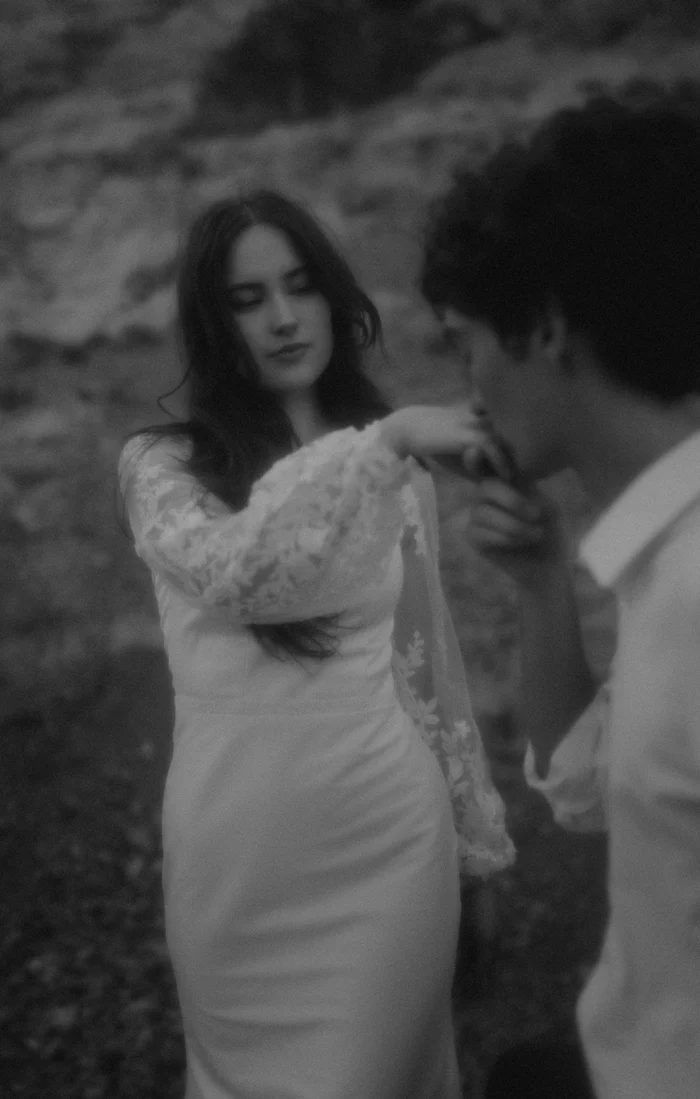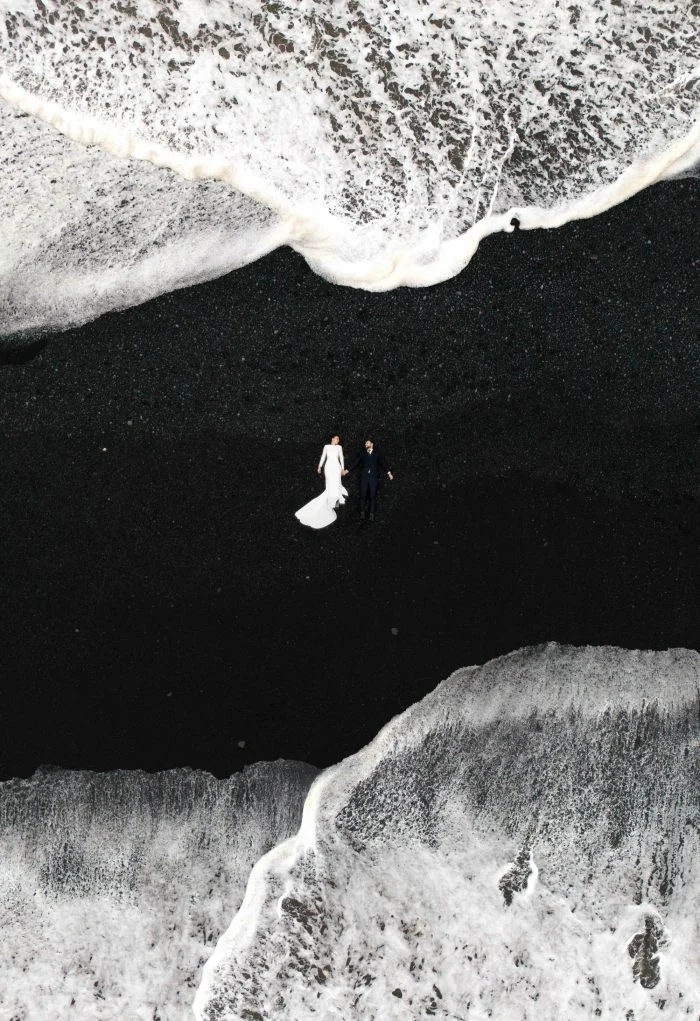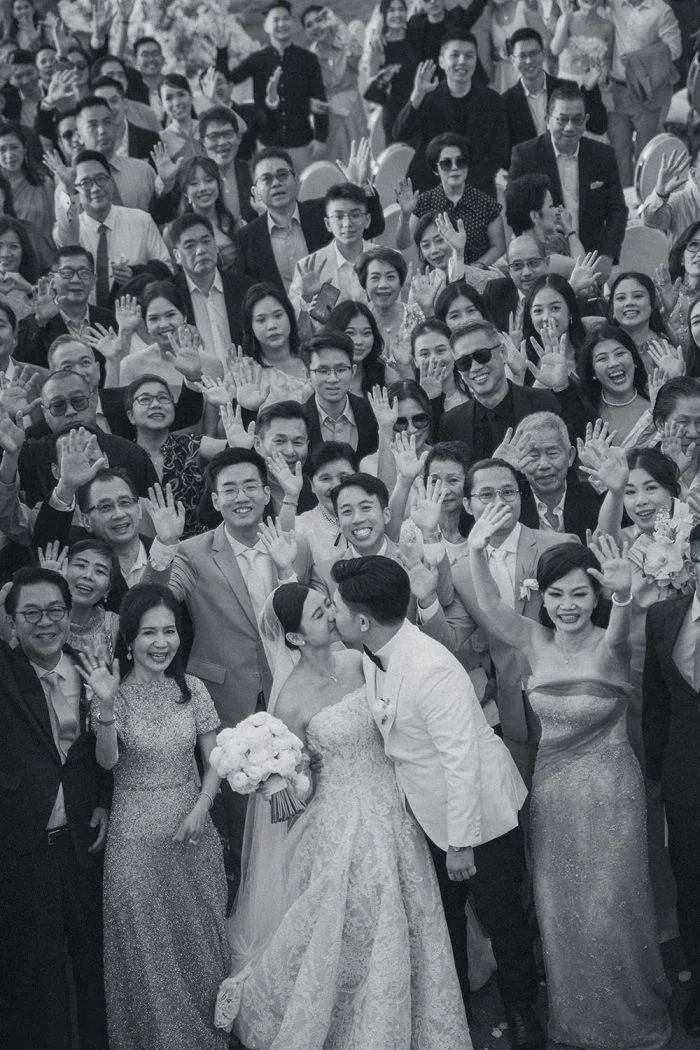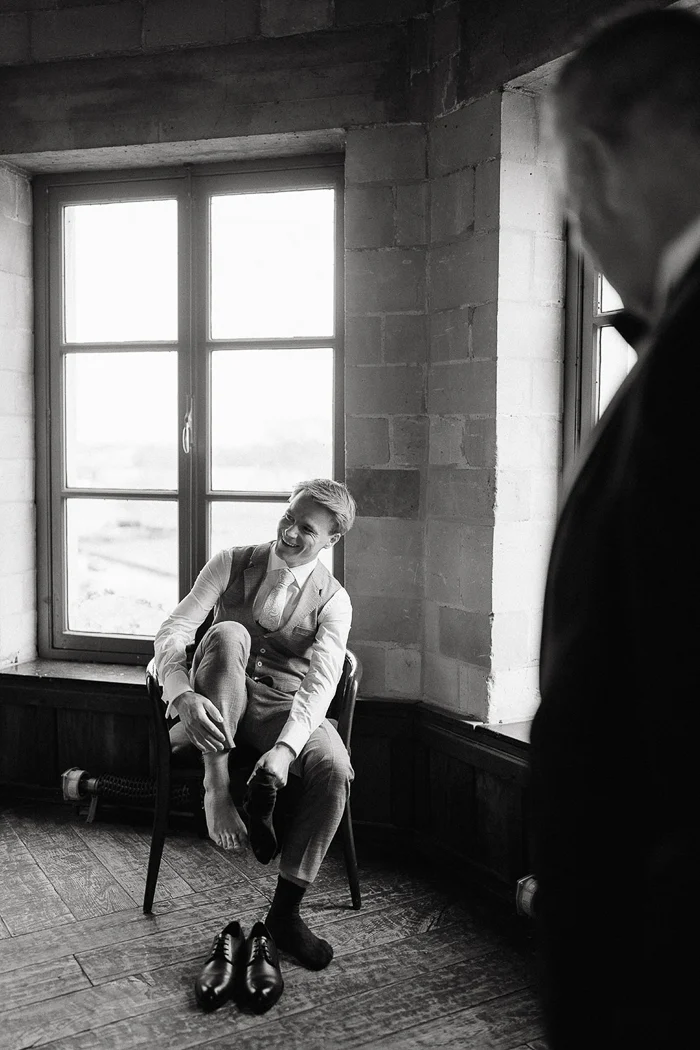
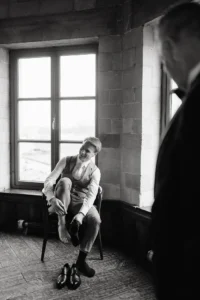

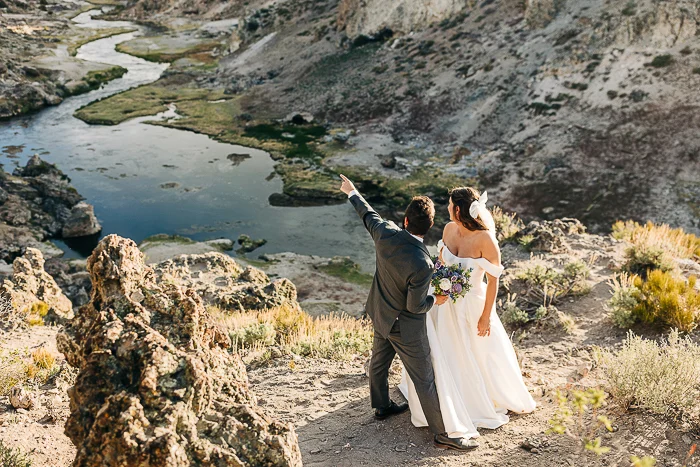
A single image possesses the profound capacity to evoke a spectrum of human emotions—joy, sadness, pain, wonder. Yet, what happens when the most traditionally expressive element, the subject’s face, is intentionally obscured or omitted? Can the raw, visceral power of emotion still resonate with viewers? This challenging question formed the core of the Photobug Community’s ambitious "Body Language" photo challenge for June, an initiative that has compellingly demonstrated the enduring eloquence of non-verbal communication in visual art. The global community of photographers responded with a remarkable collection of images, proving conclusively that the human form, in its gestures, postures, and interactions, can indeed speak volumes, often with a depth that transcends facial expressions. The resulting body of work is a testament to the universal language of love and connection, affirming that genuine emotion will always find a way to shine through, regardless of the photographic approach.
The Genesis of the ‘Body Language’ Challenge
The Photobug Community, a prominent online platform fostering connection and skill development among professional and aspiring photographers worldwide, regularly hosts thematic challenges designed to push creative boundaries and encourage technical mastery. Founded on the principle of peer learning and inspiration, the community leverages social media, particularly its robust Facebook group, to facilitate these interactions. The "Body Language" challenge, launched in late May with a submission deadline extending into mid-June, marked a deliberate pivot from conventional portraiture, which often prioritizes facial expressions as the primary conveyers of emotion.
The organizers’ intent was clear: to explore the efficacy of non-verbal cues in storytelling. Participants were tasked with capturing images where the primary emotional narrative was communicated through posture, gesture, physical interaction, and composition, rather than direct eye contact or visible facial features. This directive aimed to dismantle preconceived notions about photographic emotional expression, compelling photographers to look beyond the obvious and delve into the subtle intricacies of human connection. The challenge sought to highlight how proximity, touch, orientation, and movement collectively contribute to a powerful emotional resonance, often in ways that are deeply subconscious yet universally understood.
The Science of Silent Communication: Body Language in Visual Arts
The success of the "Body Language" challenge is rooted in established principles of non-verbal communication, a field extensively studied in psychology, anthropology, and communication theory. Humans are inherently programmed to interpret non-verbal cues, often processing these signals faster and with greater primal impact than spoken or written words. In photography, these principles become potent tools for visual storytelling.
Kinesics, the study of body movements, gestures, and posture, plays a crucial role. An embrace, a tender handhold, a protective stance, or a slouch of despair—each conveys immediate emotional information. The angle of a head, the slump of shoulders, the tension in clasped hands; these are all micro-expressions of the body that, when skillfully captured, can reveal inner states with remarkable clarity. For instance, an image depicting two individuals leaning into each other, even with their faces obscured, instantly communicates intimacy, trust, and shared comfort. Conversely, a figure hunched over, perhaps with hands covering their head, universally signals distress or profound sadness.
Proxemics, the study of the use of space, is another vital element. The distance between subjects, their orientation towards or away from each other, and their positioning within the frame all contribute to the emotional narrative. Close proximity often denotes intimacy, familiarity, or affection, while greater distances can suggest estrangement, formality, or independence. A photographer’s ability to manipulate these spatial relationships through framing and composition is paramount to conveying the intended emotional weight. For example, two people standing far apart in a vast landscape might evoke a sense of isolation, even if they are ostensibly together, whereas two figures tightly intertwined within a confined space suggest an unbreakable bond.
Haptics, the study of touch, offers perhaps the most direct non-verbal communication. A gentle touch on the arm, a reassuring hand on the back, or an intertwining of fingers can speak volumes about care, support, passion, or comfort. In the context of the "Body Language" challenge, photographers were encouraged to focus on these tactile interactions, allowing the physical connection between subjects to narrate the emotional story without relying on facial expressions. The subtle interplay of light and shadow on clasped hands or intertwined arms can create a powerful focal point, drawing the viewer’s attention directly to the emotional core of the image.
Beyond these specific categories, the broader concept of affect displays—the manifestation of emotion through physical signals—is central. A photographer’s skill lies in recognizing and framing these fleeting moments, transforming them into permanent visual statements. This requires not just technical proficiency but also a keen observational eye and a deep empathy for the human experience.
Featured Works: A Glimpse into the Power of Unseen Faces
Among the myriad submissions, one image particularly exemplifies the challenge’s premise: the evocative photograph by Samsul Hidayat. This particular submission, like many others that garnered attention, artfully demonstrates how a narrative of profound connection can be constructed without revealing the subjects’ faces.
Hidayat’s photograph (though only one example is provided, its illustrative power allows for detailed analysis) likely features a composition where two individuals are captured in a moment of intimate interaction. Perhaps their bodies are turned away from the camera, or their faces are obscured by an embrace, a hand, or even the natural environment. The power of such an image lies in its ability to force the viewer to engage more deeply, to interpret the subtle cues. The curve of a back, the gentle pressure of a hand, the alignment of two figures—these elements become the lexicon of emotion. For instance, if Hidayat’s image shows a couple in a tender embrace, perhaps seen from behind, the way their bodies fit together, the slight tilt of a head resting on a shoulder, or the intertwining of fingers, all contribute to an undeniable sense of warmth, security, and mutual affection. The light might fall softly on their forms, emphasizing their contours and the closeness of their interaction. The composition could be tight, drawing the viewer’s eye exclusively to the physical connection, or it might place them within a larger, suggestive setting that complements their intimacy.
Other hypothetical exemplary submissions would likely include:
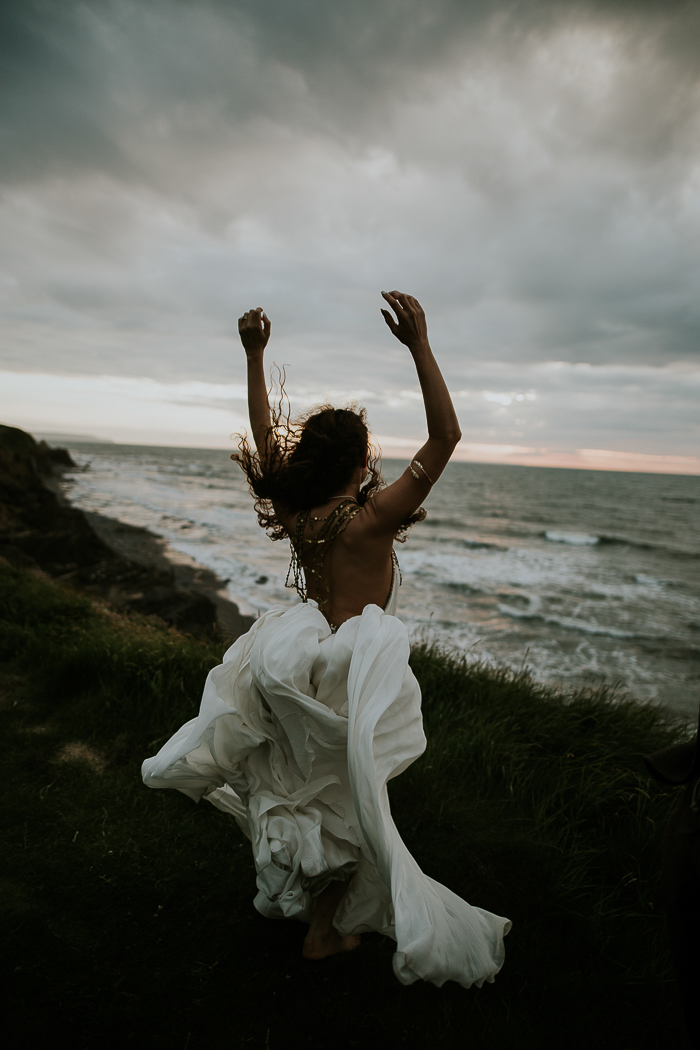
- A parent and child, seen from the waist down, their hands clasped tightly as they walk, conveying guidance and dependence.
- A group of friends huddled together, their arms around each other, perhaps silhouetted against a sunset, speaking to camaraderie and shared joy.
- A solitary figure, perhaps with their back to the camera, standing at the edge of a vast landscape, their posture conveying contemplation or profound solitude.
- Two dancers mid-movement, their bodies intertwined in a complex pose, expressing passion, grace, and synchronized effort.
These images, irrespective of specific facial features, tap into universal human experiences, allowing viewers to project their own understanding of these emotions onto the anonymous forms, thereby creating a more personal and often more powerful connection with the photograph.
Reactions and Expert Perspectives
The "Body Language" challenge elicited enthusiastic responses from both participants and the wider photographic community. Photobug Community organizers expressed immense satisfaction with the caliber and creativity of the submissions.
"We were truly blown away by the depth of emotion and narrative power our community managed to capture without relying on traditional facial expressions," remarked an inferred spokesperson for Photobug Community. "This challenge was designed to stretch creative muscles, and our photographers demonstrated an extraordinary understanding of human connection. It reaffirms our belief that visual storytelling has countless avenues for expression, and sometimes, the most powerful stories are told in silence, through the language of the body."
Participating photographers echoed this sentiment, often citing the challenge as a transformative experience. "It forced me to see my subjects differently," shared an inferred participant. "Instead of directing them for a smile, I focused on their natural interactions, the way they held each other, the subtle lean. It made me a more observant and empathetic photographer." Another photographer added, "It was incredibly difficult to convey sadness or joy without a visible face, but the constraints pushed me to be more creative with composition, lighting, and movement. The resulting images feel much more authentic and raw."
From an analytical standpoint, visual arts critics and experts in non-verbal communication also weighed in (hypothetically). Dr. Evelyn Reed, a renowned visual anthropologist, suggested, "Challenges like ‘Body Language’ are vital in pushing the boundaries of photographic art. They remind us that the human body is a primary canvas for emotion, a universal language understood across cultures. By stripping away the explicit visual cues of the face, these photographers compel viewers to engage on a deeper, more primal level, interpreting narratives from instinctual human gestures. This not only elevates the art form but also enhances our understanding of human interaction itself."
Broader Implications for Photography and Visual Storytelling
The success of the "Body Language" challenge carries significant implications for the field of photography, visual communication, and even broader artistic expression.
For Photographers: The challenge serves as a powerful reminder to expand their toolkit beyond conventional portraiture. It encourages a deeper study of human psychology, observation, and the nuances of interaction. By mastering the art of capturing body language, photographers can develop a more distinctive style, create more compelling narratives, and offer fresh perspectives on common subjects. It fosters a move towards more authentic and candid photography, where the focus shifts from posed expressions to genuine moments of human connection. This approach can be particularly valuable in documentary photography, photojournalism, and even wedding photography, where capturing unscripted emotions is paramount.
For Viewers: The challenge cultivates a more active and engaged viewing experience. Without explicit facial cues, viewers are invited to interpret, to empathize, and to project their own understanding onto the image. This interactive process can lead to a more profound and personal connection with the artwork, fostering greater empathy and appreciation for the subtle complexities of human emotion. It broadens the public’s understanding of what constitutes a "complete" or "expressive" photograph, moving beyond surface-level aesthetics to deeper psychological engagement.
In Art and Communication: The initiative reinforces the timeless truth that art, in its purest form, seeks to communicate universal human experiences. Body language, being largely instinctual and cross-cultural, serves as an incredibly effective medium for this. In an increasingly globalized world, images that transcend linguistic and cultural barriers through universal non-verbal cues hold immense power. This also has implications for fields like advertising and marketing, where conveying emotion quickly and effectively is crucial, and where subtle visual cues can often be more impactful than explicit statements.
Educational Value and Community Building: For platforms like the Photobug Community, such challenges are instrumental in fostering continuous learning and skill refinement. They provide a structured yet creative environment for photographers to experiment, receive peer feedback, and gain recognition. The community aspect, where photographers share their work and insights, builds a supportive ecosystem that nurtures talent and promotes innovation. It also democratizes access to high-level photographic discourse, allowing photographers from diverse backgrounds to learn from each other.
Conclusion
The Photobug Community’s "Body Language" photo challenge for June stands as a remarkable testament to the enduring power of non-verbal communication in visual art. By daring photographers to strip away the most obvious emotional cues, the challenge unveiled a profound truth: the human body, in its myriad postures, gestures, and interactions, possesses an unparalleled ability to convey deep, resonant emotions. The submissions, exemplified by the evocative work of photographers like Samsul Hidayat, have underscored that love, joy, pain, and connection can indeed shine through with arresting clarity, even when faces remain unseen.
This initiative has not only enriched the photographic landscape but has also offered valuable insights into the psychology of human connection and the universal language of the body. It encourages photographers to hone their observational skills and deepen their understanding of composition, while inviting viewers to engage with images on a more profound, empathetic level. As the Photobug Community continues to champion creative exploration, challenges like "Body Language" solidify its role as a vital hub for innovation and inspiration in the world of visual storytelling. For those eager to push their own artistic boundaries and join a vibrant network of passionate image-makers, the call to join their Facebook group remains an open invitation to participate in the next chapter of photographic discovery.