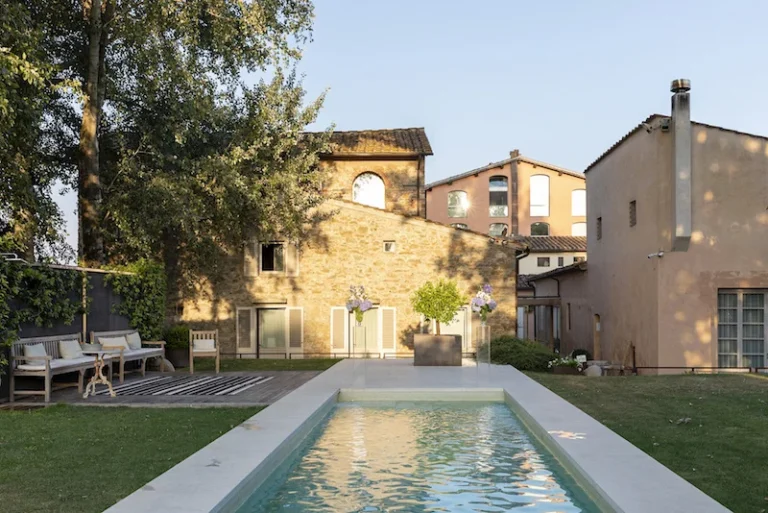




Planning a destination wedding, a cherished aspiration for many couples, involves a layer of complexity far beyond that of a local ceremony. The allure of exchanging vows against a breathtaking backdrop, whether it be a sun-drenched beach, a historic European villa, or a secluded mountain retreat, is undeniable. However, this dream necessitates meticulous research and careful consideration of every logistical detail. Once a picturesque location is chosen, the next crucial step involves immersing oneself in the nuances of the area and thoroughly evaluating potential resorts before committing to a date. To streamline this often-overwhelming process, understanding the critical inquiries to pose to destination wedding resorts is paramount. Armed with comprehensive answers, couples can confidently navigate their options and secure the perfect venue for their unforgettable nuptials.
The global destination wedding market has seen consistent growth, with projections indicating continued expansion in the coming years. According to recent industry reports, the market is driven by couples seeking unique experiences, personalized celebrations, and opportunities to combine their wedding with a honeymoon. This trend highlights the increasing demand for resorts that can expertly cater to these specialized needs. The financial commitment involved in a destination wedding can be substantial, often ranging from $20,000 to upwards of $50,000, depending on the location, guest count, and desired amenities. Therefore, maximizing the value and ensuring all expectations are met from the outset is essential for both budget management and overall satisfaction.
Maximizing Value: Honeymoon Packages and Room Block Negotiations
A significant consideration for couples planning a destination wedding is the potential for extending their stay and seamlessly transitioning into their honeymoon. Many resorts, recognizing the substantial investment couples make in hosting their wedding away from home, offer attractive honeymoon packages. These packages are designed to provide a discounted rate for newlyweds to remain at the resort following the departure of their guests. Such arrangements can present a considerable cost-saving advantage compared to arranging a separate honeymoon at an entirely different location. Couples are advised to inquire about the specifics of these packages, including inclusions, duration, and pricing, to determine if they align with their budget and post-wedding plans. The typical cost of a honeymoon can range from $5,000 to $15,000 or more, making a bundled resort honeymoon a financially prudent option.
Another critical aspect of accommodating guests is securing lodging. Even for weddings with a moderate guest list of 20 to 30 attendees, a significant number of room bookings are required. When engaging with potential resort representatives, couples should proactively inquire about the availability of room block discounts. Furthermore, there is often room for negotiation, particularly if a commitment is made to book a specific volume of rooms. Thorough research into the average nightly rates in the local area prior to these discussions is highly recommended. Armed with this data, couples can more effectively negotiate lower per-night prices, thereby making the overall cost of attending the wedding more accessible for their guests. Industry benchmarks suggest that negotiated room block rates can often be 10-20% lower than standard rates, a saving that can accumulate significantly for a multi-night stay.
The Importance of On-Site Support and Logistics
The presence of an on-site wedding planner can be an invaluable asset, transforming the planning process from a potential minefield into a streamlined experience. Resorts that specialize in hosting weddings often include the services of an experienced planner as part of their event fees. This individual possesses an intimate knowledge of the venue’s capabilities, understanding how best to utilize the available spaces to bring the couple’s vision to life. This firsthand expertise is a significant advantage over engaging an external planner who may lack familiarity with the resort’s unique characteristics, layout, and operational procedures. The benefits of an on-site planner extend to navigating local vendors, understanding venue-specific regulations, and ensuring seamless execution on the wedding day.
Beyond human resources, the availability of essential supplies can greatly simplify logistical challenges. Destination weddings often necessitate the transport of numerous small items, such as chargers, decorative candles, and other table settings. If a resort does not have these items readily available for rental, couples will be compelled to seek out external event rental companies. The feasibility of transporting such items via airplane is often limited, making it imperative to either rent from a local provider or utilize a company capable of shipping orders to the destination. The cost of renting these items can vary widely, from a few hundred dollars for basic table settings to several thousand for more elaborate decor. Understanding what the resort provides and what must be sourced externally is a critical step in budgeting and planning.
Culinary Delights and Venue Capacity
Catering is a cornerstone of any wedding celebration, and resorts with integrated dining facilities can offer a convenient and comprehensive solution. Many such establishments provide in-house catering services, which may encompass everything from formal wedding dinners to casual in-suite breakfasts for guests and dedicated bar services for the reception. It is crucial to clarify whether these catering services are included within the initial event fees or are considered an additional expense. Understanding the scope of the catering packages, including menu options, tasting opportunities, and any potential surcharges for specific dietary requests, is vital for making informed decisions. The average cost of wedding catering can range from $75 to $200 per person, depending on the menu complexity and service style.
When selecting a venue, it is prudent to ascertain the presence of other significant events scheduled concurrently. Couples do not wish to feel rushed during their ceremony or reception, nor do they want to contend with an overcrowded hotel environment. Therefore, it is entirely appropriate to inquire about any other large-scale events planned for the same timeframe as the wedding. This information will provide clarity on the potential level of activity on the property and help manage expectations regarding shared amenities and potential noise disruptions. The capacity of the resort to manage multiple events simultaneously without compromising the experience of any single party is a testament to their organizational capabilities.
Environmental Factors and Professional Services
Understanding the prevailing weather conditions at the chosen destination is fundamental to selecting appropriate ceremony and reception settings. If the area is consistently characterized by intense sunshine and heat, or conversely, by persistent rain and cold, this knowledge will guide decisions regarding indoor versus outdoor venues. This consideration extends beyond the main events to ancillary activities, such as outdoor games or pre-wedding gatherings. For example, a tropical destination might necessitate shaded areas and cooling stations, while a mountainous region might require robust indoor facilities to mitigate unpredictable weather. Meteorological data and historical weather patterns can offer valuable insights for this planning phase.
The availability of professional photography services can significantly streamline the wedding day experience. Popular wedding resorts often retain an in-house photographer who is experienced in capturing bridal portraits and documenting the entire event. For smaller hotels or venues that host fewer weddings annually, this service may not be included due to budgetary constraints or a lower volume of bookings. Couples should inquire about the resort’s photography offerings, including the style of photography, the package inclusions, and the option to review a portfolio. If an in-house photographer is not available, couples will need to research and book an external professional, factoring in their fees, which can range from $3,000 to $8,000 or more.
Entertainment and Financial Planning
The provision of music and entertainment is another crucial element of a successful wedding. Some resorts may offer limited options, such as basic sound systems capable of playing music from a personal device. However, for a more engaging and professionally managed experience, hiring a dedicated DJ is often preferable. A professional DJ can manage the soundtrack for key moments like the aisle walk, facilitate toasts, and orchestrate introductions during the reception, contributing significantly to the overall flow and energy of the celebration. The cost of a wedding DJ typically ranges from $1,000 to $3,000, depending on experience and hours of service. Couples should inquire about the resort’s capabilities regarding music and whether they recommend or provide DJ services.
The financial outlay for a destination wedding can be substantial, often reaching tens of thousands of dollars. To alleviate the immediate burden of a large upfront payment, couples should explore the possibility of payment plans with the resort venue. Many establishments are willing to work with couples to establish a structured payment schedule, allowing for installments rather than a single, large transaction in the days leading up to the ceremony. This flexibility can significantly ease financial stress and allow couples to better manage their overall wedding budget. Understanding the resort’s payment policies, including deposit requirements, installment schedules, and final payment deadlines, is a critical part of the booking process.
Comparative Analysis and Strategic Decision-Making
In conclusion, the process of selecting a destination wedding resort demands a strategic and informed approach. By posing these ten essential questions, couples can gain a comprehensive understanding of the services, amenities, and logistical support offered by potential venues. It is imperative to not only gather this information but also to actively compare offers from multiple resorts within the desired location. This comparative analysis will empower couples to identify a wedding package that meticulously aligns with their vision, budget, and guest accommodation needs. Ultimately, thorough research and proactive communication are the cornerstones of securing the perfect destination for a dream wedding, ensuring a seamless and joyous celebration that will be cherished for a lifetime. The global average cost of a destination wedding can vary significantly by region, with popular locales in the Caribbean or Mexico often offering more competitive pricing than European or secluded island destinations. However, the value proposition lies not just in the price but in the comprehensive experience and stress reduction provided by a well-equipped and accommodating resort.